


George Peabody Library, Baltimore
The George Peabody Library is a world-renowned research library recognized for its exceptional beauty and impressive collection. Originally established in 1857 as part of the Peabody Institute of the City of Baltimore, the library was funded by George Peabody, a successful Baltimore merchant and War of 1812 veteran who pledged $300,000 for its construction.
The library was designed by architect Edmund G. Lind and officially opened in the late 1870s as part of the east wing of the Peabody Institute. The structural design of the stack room is particularly noteworthy, featuring five tiers of cast-iron balconies that rise to a skylight 61 feet high.
The result is a stunning visual display of the library's 300,000 volume collection, which focuses on texts from the 19th century and covers a diverse range of topics, including religion, art, architecture, topography, science, geography, exploration, and travel.
Despite its status as a leading center for teaching and research, the George Peabody Library remains open to the public, in keeping with Peabody's original intention to create a library "for the free use of all persons who desire to consult it."
Over the years, the library has changed ownership several times, first being transferred to the City of Baltimore and then to the Enoch Pratt Free Library before ultimately becoming part of The Johns Hopkins University educational system in 1982.
Today, the George Peabody Library continues to be a source of inspiration and wonder for students, researchers, and visitors from around the world. Its stunning architecture and impressive collection of rare and unique texts make it a must-see destination for anyone with an interest in history, literature, or architecture.
The library was designed by architect Edmund G. Lind and officially opened in the late 1870s as part of the east wing of the Peabody Institute. The structural design of the stack room is particularly noteworthy, featuring five tiers of cast-iron balconies that rise to a skylight 61 feet high.
The result is a stunning visual display of the library's 300,000 volume collection, which focuses on texts from the 19th century and covers a diverse range of topics, including religion, art, architecture, topography, science, geography, exploration, and travel.
Despite its status as a leading center for teaching and research, the George Peabody Library remains open to the public, in keeping with Peabody's original intention to create a library "for the free use of all persons who desire to consult it."
Over the years, the library has changed ownership several times, first being transferred to the City of Baltimore and then to the Enoch Pratt Free Library before ultimately becoming part of The Johns Hopkins University educational system in 1982.
Today, the George Peabody Library continues to be a source of inspiration and wonder for students, researchers, and visitors from around the world. Its stunning architecture and impressive collection of rare and unique texts make it a must-see destination for anyone with an interest in history, literature, or architecture.
Want to visit this sight? Check out these Self-Guided Walking Tours in Baltimore. Alternatively, you can download the mobile app "GPSmyCity: Walks in 1K+ Cities" from Apple App Store or Google Play Store. The app turns your mobile device to a personal tour guide and it works offline, so no data plan is needed when traveling abroad.
Download The GPSmyCity App



George Peabody Library on Map
Sight Name: George Peabody Library
Sight Location: Baltimore, USA (See walking tours in Baltimore)
Sight Type: Attraction/Landmark
Guide(s) Containing This Sight:
Sight Location: Baltimore, USA (See walking tours in Baltimore)
Sight Type: Attraction/Landmark
Guide(s) Containing This Sight:
Nearby Sights
Walking Tours in Baltimore, Maryland

Create Your Own Walk in Baltimore
Creating your own self-guided walk in Baltimore is easy and fun. Choose the city attractions that you want to see and a walk route map will be created just for you. You can even set your hotel as the start point of the walk.
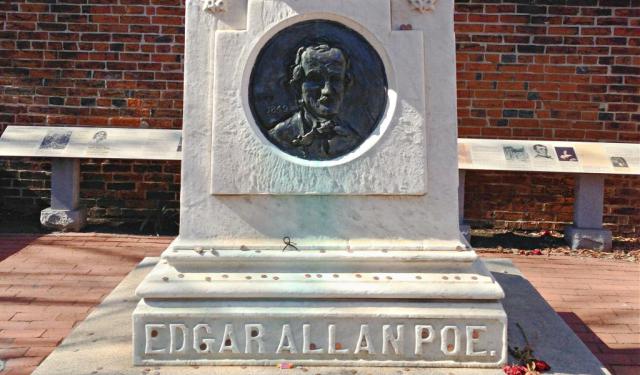
Edgar Allan Poe’s Baltimore
“Deep into that darkness peering, long I stood there wondering, fearing…” wrote Edgar Allan Poe, a line that could just as easily describe his final, mysterious days in Baltimore, the city most closely tied to his life and death.
Edgar Allan Poe was an American writer and poet best known for his tales of mystery, horror, and psychological depth. Although his family had roots in Baltimore,... view more
Tour Duration: 2 Hours
Travel Distance: 5.5 Km or 3.4 Miles
Edgar Allan Poe was an American writer and poet best known for his tales of mystery, horror, and psychological depth. Although his family had roots in Baltimore,... view more
Tour Duration: 2 Hours
Travel Distance: 5.5 Km or 3.4 Miles
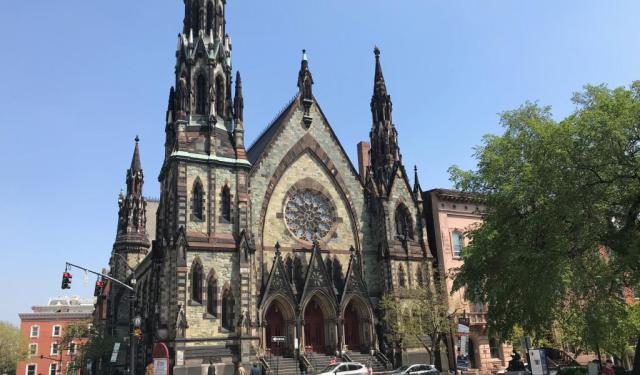
Baltimore's Architectural Jewels
Overall, Baltimore's architecture is a testament to the city's rich and varied history, showcasing a wide range of styles and cultural influences that have shaped the local built environment over the centuries. Outside Federal-style row houses and grand Beaux-Arts museums, Baltimore is also known for a multitude of Art Deco buildings and temples of various styles, constructed between the... view more
Tour Duration: 2 Hours
Travel Distance: 3.9 Km or 2.4 Miles
Tour Duration: 2 Hours
Travel Distance: 3.9 Km or 2.4 Miles

Baltimore Downtown Walking Tour
Before the city fully wakes, picture a harbor under fire, the night sky lit by explosions, and a single question hanging in the smoke: can the flag still be seen at dawn? In 1814, as the bombardment of Fort McHenry came to an end, Francis Scott Key, an American lawyer and poet, looked out and found his answer: “O say can you see, by the dawn’s early light…” From that moment, Baltimore... view more
Tour Duration: 2 Hours
Travel Distance: 3.6 Km or 2.2 Miles
Tour Duration: 2 Hours
Travel Distance: 3.6 Km or 2.2 Miles
City Walks Overview
