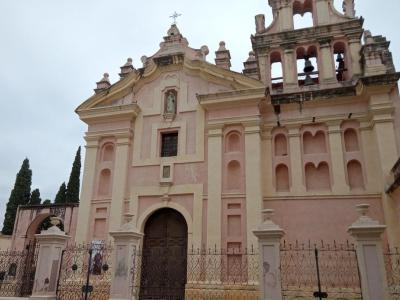


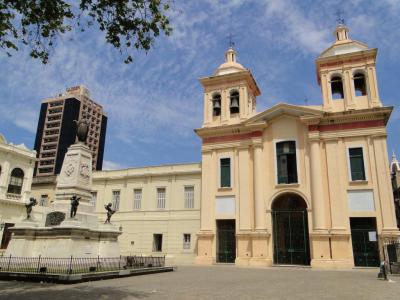
Iglesia y Convento de las Teresas (Church and Convent of the Teresas), Cordoba (must see)
Iglesia y Convento de las Teresas is one of the oldest religious complexes in the historic centre, with origins tied to a family vow, illness, and devotion. According to tradition, Juan de Tejeda founded the monastery after vowing to Saint Teresa of Jesús during his daughter María Magdalena’s serious illness. After her recovery, he gave his family home for the convent in 1628, and two of his daughters later became nuns there.
The site also has strong literary importance. It stands on the birthplace of Luis de Tejeda, born in 1604 and often recognized as Argentina’s first native-born poet. The convent also played a role in early women’s writing. Poems by cloistered Carmelite nuns, some dating to 1804, show it as a place of both devotion and literary activity.
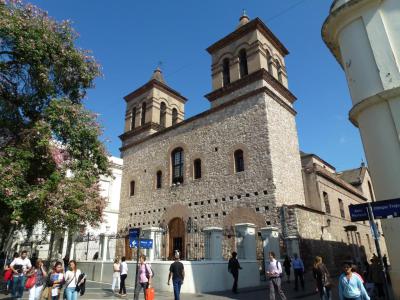
Architecturally, the church is known for its large espadaña, or open bell gable, rather than a closed tower. Its historic bells have remained exposed to the air for centuries, giving the façade a distinctive vertical profile. The church façade is often connected with the style of Italian Jesuit architect Andrés Blanqui, or Andrea Bianchi, though it was completed after his death. Its design reflects colonial building methods, Roman Baroque influence, and Mannerist details.
The convent museum helps visitors understand the daily life, memory, and material culture of the cloister. The collection includes the city’s first public mechanism clock, along with manuscripts, sacred art, and devotional objects. Together, the church, convent, museum rooms, courtyards, bells, and handwritten poems connect faith, family patronage, architecture, literature, and women’s religious life across several centuries.
The site also has strong literary importance. It stands on the birthplace of Luis de Tejeda, born in 1604 and often recognized as Argentina’s first native-born poet. The convent also played a role in early women’s writing. Poems by cloistered Carmelite nuns, some dating to 1804, show it as a place of both devotion and literary activity.
Architecturally, the church is known for its large espadaña, or open bell gable, rather than a closed tower. Its historic bells have remained exposed to the air for centuries, giving the façade a distinctive vertical profile. The church façade is often connected with the style of Italian Jesuit architect Andrés Blanqui, or Andrea Bianchi, though it was completed after his death. Its design reflects colonial building methods, Roman Baroque influence, and Mannerist details.
The convent museum helps visitors understand the daily life, memory, and material culture of the cloister. The collection includes the city’s first public mechanism clock, along with manuscripts, sacred art, and devotional objects. Together, the church, convent, museum rooms, courtyards, bells, and handwritten poems connect faith, family patronage, architecture, literature, and women’s religious life across several centuries.
Want to visit this sight? Check out these Self-Guided Walking Tours in Cordoba. Alternatively, you can download the mobile app "GPSmyCity: Walks in 1K+ Cities" from Apple App Store or Google Play Store. The app turns your mobile device to a personal tour guide and it works offline, so no data plan is needed when traveling abroad.
Download The GPSmyCity App



Iglesia y Convento de las Teresas (Church and Convent of the Teresas) on Map
Sight Name: Iglesia y Convento de las Teresas (Church and Convent of the Teresas)
Sight Location: Cordoba, Argentina (See walking tours in Cordoba)
Sight Type: Religious
Guide(s) Containing This Sight:
Sight Location: Cordoba, Argentina (See walking tours in Cordoba)
Sight Type: Religious
Guide(s) Containing This Sight:
Nearby Sights
Walking Tours in Cordoba, Argentina

Create Your Own Walk in Cordoba
Creating your own self-guided walk in Cordoba is easy and fun. Choose the city attractions that you want to see and a walk route map will be created just for you. You can even set your hotel as the start point of the walk.
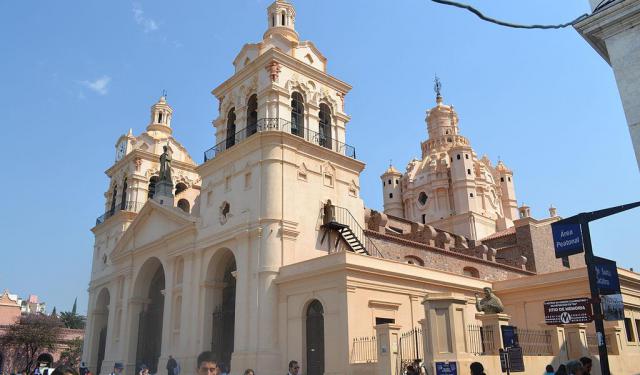
Top Religious Sites
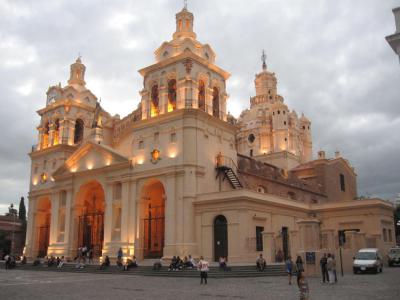
The city of Cordoba has many places of worship of different faiths and denominations, including Catholic churches, synagogues and mosques. The central masterpiece of the city is the Cordoba Cathedral, standing majestically in the very heart of the city. Take this tour to get acquainted with the religious life in Cordoba.
Tour Duration: 1 Hour
Travel Distance: 2.2 Km or 1.4 Miles
Tour Duration: 1 Hour
Travel Distance: 2.2 Km or 1.4 Miles
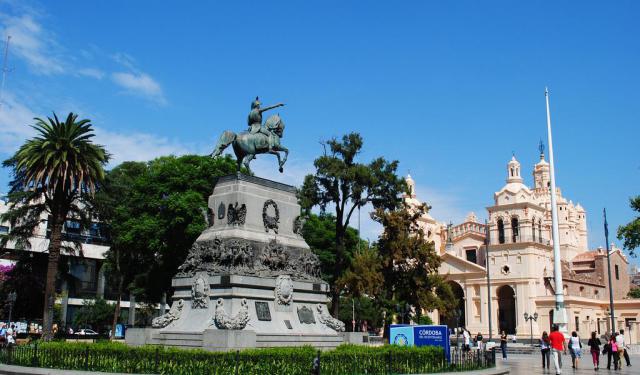
Cordoba Introduction Walking Tour
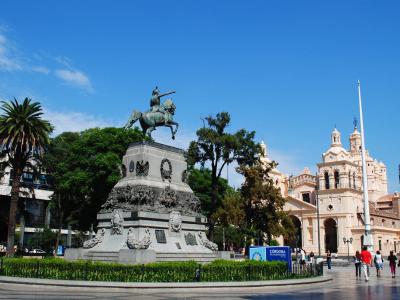
Capital of the eponymous Argentinean province, Córdoba is famous for its colonial-era architecture. The key landmark here is undoubtedly Plaza San Martín flanked by neo-baroque Córdoba Cathedral. To appreciate these and other beauties of Córdoba, follow this orientation walk and enjoy!
Tour Duration: 2 Hours
Travel Distance: 3.4 Km or 2.1 Miles
Tour Duration: 2 Hours
Travel Distance: 3.4 Km or 2.1 Miles
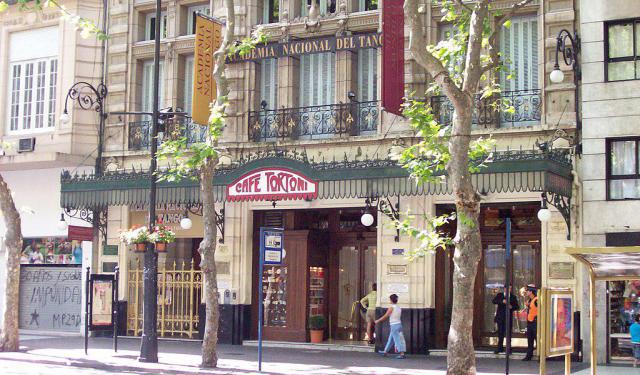
Cordoba Shopping Tour
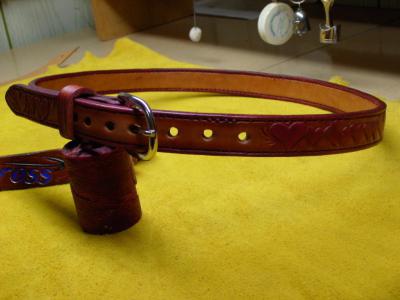
Argentina is well-known for its leather goods throughout the world, but Cordoba is known for its shops that sell a variety of handicrafts made by the local artisans, in addition to leather items. There are also gift shops where you will be able to buy a souvenir to take back home. Take this walking tour to drop in on some of the most interesting shops in Cordoba.
Tour Duration: 1 Hour
Travel Distance: 2.7 Km or 1.7 Miles
Tour Duration: 1 Hour
Travel Distance: 2.7 Km or 1.7 Miles
City Walks Overview
