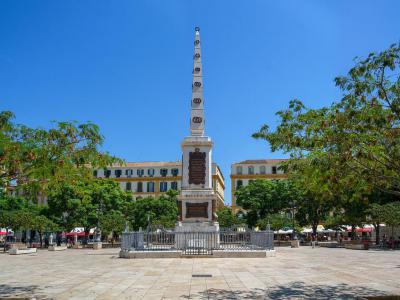


Monumento a Torrijos (Monument to Torrijos), Malaga
The Monument to Torrijos, a striking obelisk, stands in Plaza de la Merced in Malaga as a tribute to Jose Maria de Torrijos y Uriarte and his 48 companions who were executed on December 11, 1831, between San Andres beach and the El Bulto neighborhood. Designed by municipal architect Rafael Mitjana y Ardison, it is regarded as Malaga's most significant 19th-century urban civil monument.
Unveiled on December 11, 1842, the monument was conceived as a funerary structure, built 11 years after the tragic event. At its heart lies a crypt housing the remains of Torrijos and his companions. Rising from the crypt is a pedestal with a square base that supports a towering obelisk, adorned with bronze laurel wreaths on each side and at its apex-symbolizing immortality. Each laurel wreath honors one of the 49 fallen. The pedestal features two tiers: the upper tier bears plaques listing the names of those who perished for freedom, and the lower tier carries a dedication from the people of Malaga.
Originally, plans aimed to place the monument at San Andres Beach, the site of the execution. However, the location was shifted to Plaza de la Merced, then called Plaza de Riego, due to its strong association with Málaga's liberal history. The monument was funded through popular subscriptions and raffles, and sand from the beach was symbolically used in its construction.
A fascinating aspect of the obelisk is the slight displacement of its upper stone block, caused by an earthquake on December 25, 1884. Subsequent restorations chose to preserve this detail, adding another layer to the monument's historical narrative.
Unveiled on December 11, 1842, the monument was conceived as a funerary structure, built 11 years after the tragic event. At its heart lies a crypt housing the remains of Torrijos and his companions. Rising from the crypt is a pedestal with a square base that supports a towering obelisk, adorned with bronze laurel wreaths on each side and at its apex-symbolizing immortality. Each laurel wreath honors one of the 49 fallen. The pedestal features two tiers: the upper tier bears plaques listing the names of those who perished for freedom, and the lower tier carries a dedication from the people of Malaga.
Originally, plans aimed to place the monument at San Andres Beach, the site of the execution. However, the location was shifted to Plaza de la Merced, then called Plaza de Riego, due to its strong association with Málaga's liberal history. The monument was funded through popular subscriptions and raffles, and sand from the beach was symbolically used in its construction.
A fascinating aspect of the obelisk is the slight displacement of its upper stone block, caused by an earthquake on December 25, 1884. Subsequent restorations chose to preserve this detail, adding another layer to the monument's historical narrative.
Want to visit this sight? Check out these Self-Guided Walking Tours in Malaga. Alternatively, you can download the mobile app "GPSmyCity: Walks in 1K+ Cities" from Apple App Store or Google Play Store. The app turns your mobile device to a personal tour guide and it works offline, so no data plan is needed when traveling abroad.
Download The GPSmyCity App



Monumento a Torrijos (Monument to Torrijos) on Map
Sight Name: Monumento a Torrijos (Monument to Torrijos)
Sight Location: Malaga, Spain (See walking tours in Malaga)
Sight Type: Attraction/Landmark
Sight Location: Malaga, Spain (See walking tours in Malaga)
Sight Type: Attraction/Landmark
Nearby Sights

Walking Tours in Malaga, Spain

Create Your Own Walk in Malaga
Creating your own self-guided walk in Malaga is easy and fun. Choose the city attractions that you want to see and a walk route map will be created just for you. You can even set your hotel as the start point of the walk.
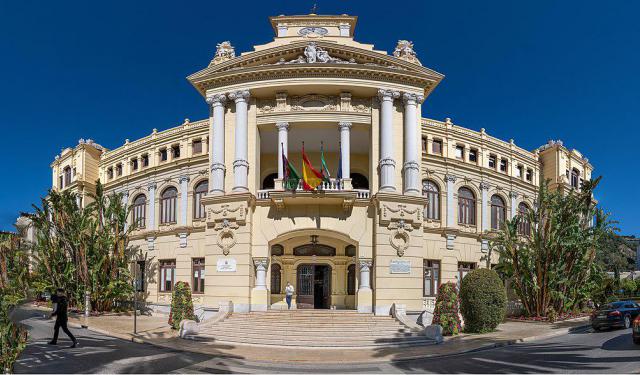
Discover Malaga's Architectural Jewels on Foot
The blooming port city of Málaga has a wealth of architecture with no shortage of ancient and otherwise impressive buildings fit to vow any visitor. Having witnessed the fall and rise of many civilizations, Malaga's uniqueness is marked by the variety of architectural styles, upon which the times past had a great deal of impact. From its stunning Moorish fortress – the best-preserved of... view more
Tour Duration: 2 Hour(s)
Travel Distance: 3.7 Km or 2.3 Miles
Tour Duration: 2 Hour(s)
Travel Distance: 3.7 Km or 2.3 Miles
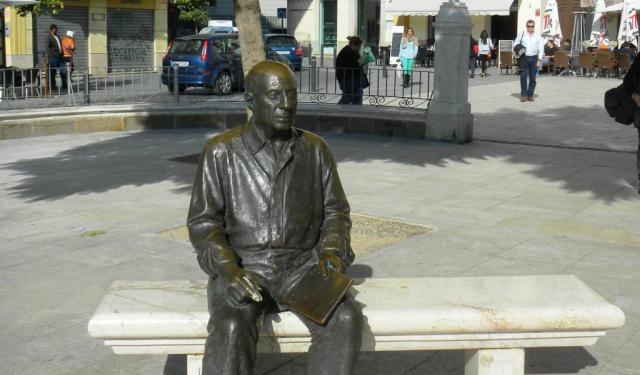
A Walking Guide To Pablo Picasso's Malaga
According to a well-known story, Picasso’s first word was “piz,” a child’s attempt at “lápiz,” meaning “pencil.”
Málaga at the end of the 19th century was a busy Mediterranean port. When Pablo Ruiz Picasso was born here in 1881, the city was neither a bohemian art capital nor a provincial backwater, but a working, outward-looking place where commerce, craftsmanship, and... view more
Tour Duration: 1 Hour(s)
Travel Distance: 1.3 Km or 0.8 Miles
Málaga at the end of the 19th century was a busy Mediterranean port. When Pablo Ruiz Picasso was born here in 1881, the city was neither a bohemian art capital nor a provincial backwater, but a working, outward-looking place where commerce, craftsmanship, and... view more
Tour Duration: 1 Hour(s)
Travel Distance: 1.3 Km or 0.8 Miles
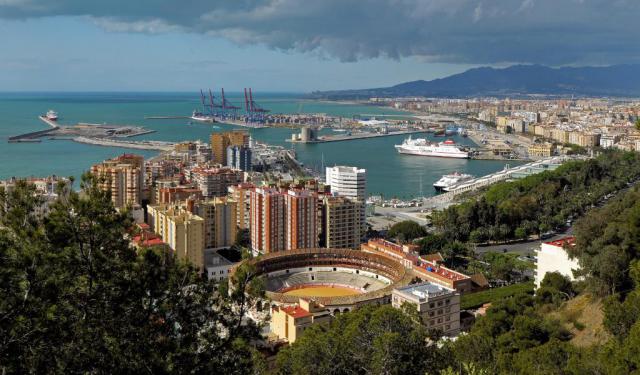
A Walk Through Malaga's Historic City Center
In 1325, the famed Muslim traveller Ibn Battuta reflected on his visit to Málaga, writing: "It is one of the largest and most beautiful towns of Andalusia, combining the conveniences of both sea and land.''
Málaga is one of the oldest continuously inhabited cities in Europe, with a history spanning nearly three millennia. It was founded around the 8th century BC by Phoenician... view more
Tour Duration: 2 Hour(s)
Travel Distance: 3.4 Km or 2.1 Miles
Málaga is one of the oldest continuously inhabited cities in Europe, with a history spanning nearly three millennia. It was founded around the 8th century BC by Phoenician... view more
Tour Duration: 2 Hour(s)
Travel Distance: 3.4 Km or 2.1 Miles
Useful Travel Guides for Planning Your Trip
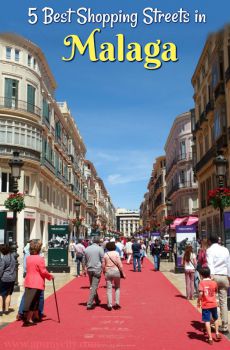
5 Best Shopping Streets in Malaga, Spain
As well as one of the best cultural destinations in southern Spain, Malaga turns out to be something of a shopping mecca. Along with the ubiquitous shopping malls on the outskirts, the capital of Costa del Sol has managed to preserve its network of specialist shops, difficult to find in most big...