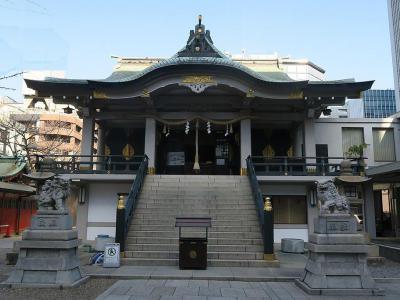


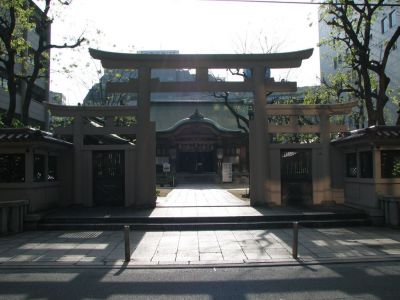
Namba Shrine, Osaka
Tucked into Osaka’s Chuo ward, Namba Shrine carries a legacy that goes well beyond quiet prayer. This is where bunraku puppet theater-one of Japan’s most refined performing arts-first took shape. Long before formal stages and ticket counters, storytelling with carved figures, narration, and music began here, rooted in ritual space and community gatherings. Even today, the shrine’s calendar is busy, marked by festivals that keep this long tradition very much alive.
The shrine itself has moved with the city’s shifting priorities. It was originally founded by Emperor Hanzei in honor of his father, Emperor Nintoku, and once stood close to where Osaka Castle now rises. When Toyotomi Hideyoshi chose that site for his fortress, the shrine was relocated to make room.
Around this time, devotion to Inari-the deity associated with prosperity and success-gained popularity in Osaka. A smaller Inari shrine was added within the complex and quickly drew larger crowds than the main sanctuary. Alongside it emerged the Bunraku-za, the first theater dedicated to bunraku performances, linking sacred space and popular entertainment in a way that felt natural to merchant-era Osaka. In 1871, both the Inari shrine and the theater were moved again, this time to Nishi ward, leaving behind traces of their theatrical past.
What remains today is a shrine that still knows how to gather people. In February, the Ball of Cord Festival invites worshipers to receive a five-colored ball of string, each color tied to prayers for health and well-being. The shrine’s crest, the iris, appears not just as a symbol but as a living presence: iris flowers fill the grounds, and in June, they take center stage during the Iris Festival, accompanied by ritual dance. Summer brings the Himorogi Festival, where worshipers are offered crushed ice-a simple gesture, practical and symbolic, very much in keeping with Osaka’s character-along with traditional taiko drumming.
Just outside the grounds stands a monument marking the former Bunraku Theater, a quiet reminder that this was once a place where gods, performers, and audiences shared the same space. Pause here for a moment, and you’ll sense how Osaka’s talent for blending ritual, art, and everyday life began-not in grand halls, but right here...
The shrine itself has moved with the city’s shifting priorities. It was originally founded by Emperor Hanzei in honor of his father, Emperor Nintoku, and once stood close to where Osaka Castle now rises. When Toyotomi Hideyoshi chose that site for his fortress, the shrine was relocated to make room.
Around this time, devotion to Inari-the deity associated with prosperity and success-gained popularity in Osaka. A smaller Inari shrine was added within the complex and quickly drew larger crowds than the main sanctuary. Alongside it emerged the Bunraku-za, the first theater dedicated to bunraku performances, linking sacred space and popular entertainment in a way that felt natural to merchant-era Osaka. In 1871, both the Inari shrine and the theater were moved again, this time to Nishi ward, leaving behind traces of their theatrical past.
What remains today is a shrine that still knows how to gather people. In February, the Ball of Cord Festival invites worshipers to receive a five-colored ball of string, each color tied to prayers for health and well-being. The shrine’s crest, the iris, appears not just as a symbol but as a living presence: iris flowers fill the grounds, and in June, they take center stage during the Iris Festival, accompanied by ritual dance. Summer brings the Himorogi Festival, where worshipers are offered crushed ice-a simple gesture, practical and symbolic, very much in keeping with Osaka’s character-along with traditional taiko drumming.
Just outside the grounds stands a monument marking the former Bunraku Theater, a quiet reminder that this was once a place where gods, performers, and audiences shared the same space. Pause here for a moment, and you’ll sense how Osaka’s talent for blending ritual, art, and everyday life began-not in grand halls, but right here...
Want to visit this sight? Check out these Self-Guided Walking Tours in Osaka. Alternatively, you can download the mobile app "GPSmyCity: Walks in 1K+ Cities" from Apple App Store or Google Play Store. The app turns your mobile device to a personal tour guide and it works offline, so no data plan is needed when traveling abroad.
Download The GPSmyCity App



Namba Shrine on Map
Sight Name: Namba Shrine
Sight Location: Osaka, Japan (See walking tours in Osaka)
Sight Type: Religious
Guide(s) Containing This Sight:
Sight Location: Osaka, Japan (See walking tours in Osaka)
Sight Type: Religious
Guide(s) Containing This Sight:
Nearby Sights

Walking Tours in Osaka, Japan

Create Your Own Walk in Osaka
Creating your own self-guided walk in Osaka is easy and fun. Choose the city attractions that you want to see and a walk route map will be created just for you. You can even set your hotel as the start point of the walk.
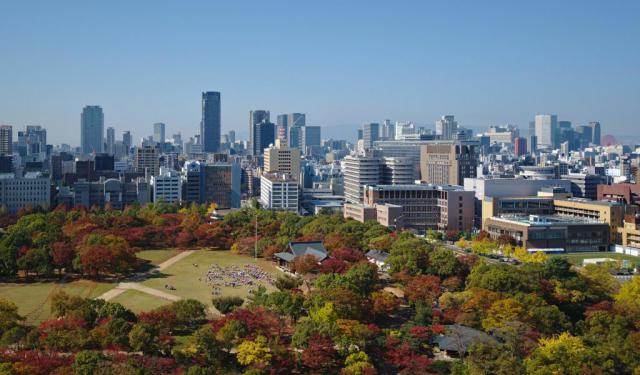
A Walk in Osaka's Historic and Vibrant City Center
Osaka is Japan’s third-largest city and the country’s second-largest metropolitan area-but its story starts long before population rankings mattered. Archaeology places people here more than 2,000 years ago, which means this isn’t a city that appeared overnight. It grew steadily, helped along by geography.
Sitting between Osaka Bay and the Yodo River, it was perfectly positioned to move... view more
Tour Duration: 2 Hours
Travel Distance: 4.9 Km or 3 Miles
Sitting between Osaka Bay and the Yodo River, it was perfectly positioned to move... view more
Tour Duration: 2 Hours
Travel Distance: 4.9 Km or 3 Miles
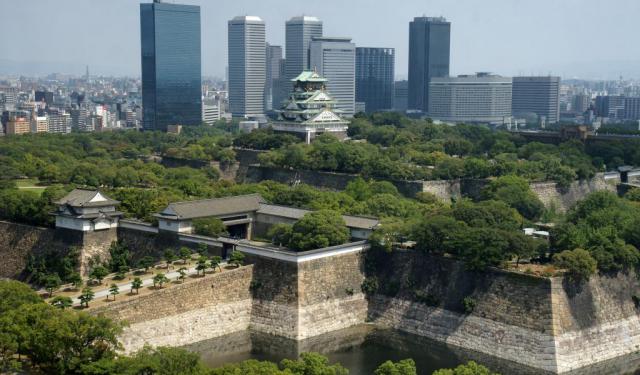
Osaka Castle Park Walking Tour
Osaka Castle Park looks, at first glance, like a generous patch of green dropped neatly into the middle of the city. Nearly two square kilometers of lawns, paths, and sports fields stretch along the south bank of the Okawa River, giving Osaka a place to breathe. But don’t let the joggers and picnic blankets fool you-this ground has been busy shaping history for more than five centuries.
Long... view more
Tour Duration: 1 Hour
Travel Distance: 2.9 Km or 1.8 Miles
Long... view more
Tour Duration: 1 Hour
Travel Distance: 2.9 Km or 1.8 Miles
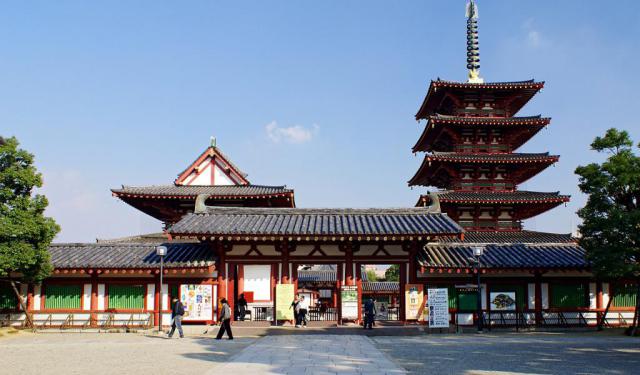
Tennoji Shrines and Temples Walking Tour
Osaka is Japan’s third largest city. It is therefore not at all surprising to find within its boundaries many religious sites. Tennoji, a district of Osaka steeped in cultural and historical significance, is particularly rich in terms of beautiful temples and shrines.
Ikukunitama Shrine, nestled amidst the city's clamor, is a dedication to the deity Ikukunitama-no-mikoto, offering... view more
Tour Duration: 2 Hours
Travel Distance: 3.5 Km or 2.2 Miles
Ikukunitama Shrine, nestled amidst the city's clamor, is a dedication to the deity Ikukunitama-no-mikoto, offering... view more
Tour Duration: 2 Hours
Travel Distance: 3.5 Km or 2.2 Miles
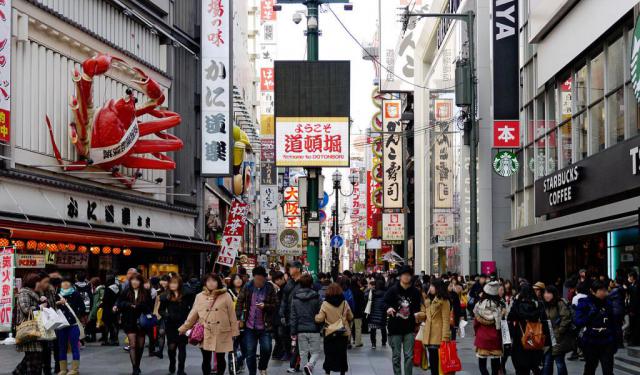
Osaka Shopping and Dining Walking Tour
As well as being an exciting Western-style city full of cool entertainment and cultural attractions, Osaka is a great place for shopping. The appealing range of shopping venues here includes covered arcades, malls, thoroughfares, and more. Let's take a closer look at some of these locations.
Shinsaibashi Shopping Street is a bustling retail district renowned for its upscale stores and... view more
Tour Duration: 1 Hour
Travel Distance: 2.2 Km or 1.4 Miles
Shinsaibashi Shopping Street is a bustling retail district renowned for its upscale stores and... view more
Tour Duration: 1 Hour
Travel Distance: 2.2 Km or 1.4 Miles