

Audio Guide: Osaka Castle Park Walking Tour (Self Guided), Osaka
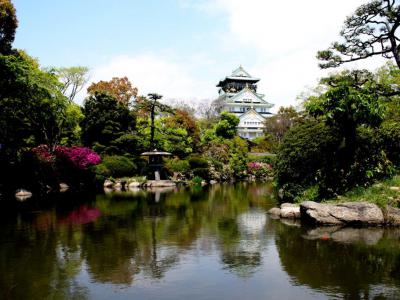
Osaka Castle Park looks, at first glance, like a generous patch of green dropped neatly into the middle of the city. Nearly two square kilometers of lawns, paths, and sports fields stretch along the south bank of the Okawa River, giving Osaka a place to breathe. But don’t let the joggers and picnic blankets fool you-this ground has been busy shaping history for more than five centuries.
Long before it became a public park, this site was prime strategic real estate. In 1496, during Japan’s turbulent Sengoku period, a fortified militant temple stood here, openly resisting samurai rule. That didn’t last, though.
In 1583, Toyotomi Hideyoshi-one of Japan’s great power brokers-flattened the complex and replaced it with an ambitious new symbol of authority: Osaka Castle. The castle would be destroyed, rebuilt, and damaged again over the centuries, but its message remained stubbornly clear: this was a place that mattered.
Modern times brought another identity shift. From the late 19th century until the end of World War II, the grounds were largely off-limits, taken over by a vast army arsenal. A small park appeared nearby in 1931, but it was only after wartime destruction cleared the area that Osaka Castle Park could finally spread out and become the open urban landscape you see today.
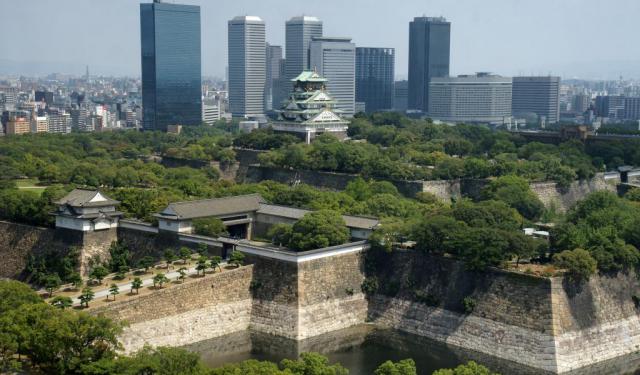
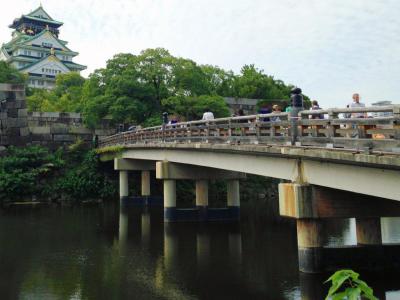
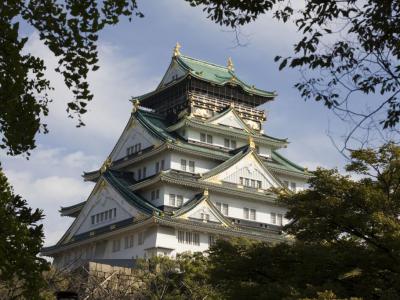
At the center rises the castle itself, now a five-story reconstruction wrapped in towering stone walls and wide moats. Crossing Gokuraku-bashi (or Paradise Bridge) is one of those moments designed to slow your steps, especially when cherry blossoms take over the scene.
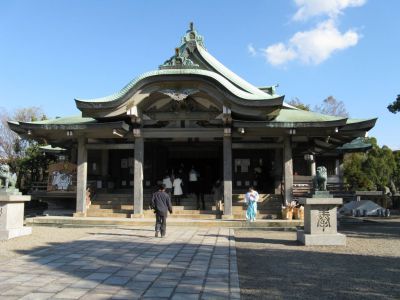
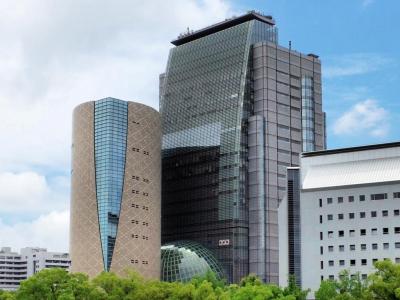
Nearby, Hokoku Shrine, a Shinto temple built in 1879, offers a quieter pause, honoring Hideyoshi not as a conqueror, but as a figure of memory and ritual. Just beyond the park, the Osaka Museum of History, opened in 2003, provides a broader context through panoramic views, models, and multimedia exhibits, tracing 1,400 years of Osaka’s urban development.
Put together, these sites make the park a compact yet richly layered destination, where the city’s past and present come sharply into focus. Our self-guided tour is an invitation to walk it as a living timeline, cross it, climb it, and let Osaka’s past keep pace with you as you move forward. Whether you come for history, seasonal blossoms, city views, or a deeper understanding of Osaka’s identity, this area rewards curiosity at every turn.
Long before it became a public park, this site was prime strategic real estate. In 1496, during Japan’s turbulent Sengoku period, a fortified militant temple stood here, openly resisting samurai rule. That didn’t last, though.
In 1583, Toyotomi Hideyoshi-one of Japan’s great power brokers-flattened the complex and replaced it with an ambitious new symbol of authority: Osaka Castle. The castle would be destroyed, rebuilt, and damaged again over the centuries, but its message remained stubbornly clear: this was a place that mattered.
Modern times brought another identity shift. From the late 19th century until the end of World War II, the grounds were largely off-limits, taken over by a vast army arsenal. A small park appeared nearby in 1931, but it was only after wartime destruction cleared the area that Osaka Castle Park could finally spread out and become the open urban landscape you see today.
At the center rises the castle itself, now a five-story reconstruction wrapped in towering stone walls and wide moats. Crossing Gokuraku-bashi (or Paradise Bridge) is one of those moments designed to slow your steps, especially when cherry blossoms take over the scene.
Nearby, Hokoku Shrine, a Shinto temple built in 1879, offers a quieter pause, honoring Hideyoshi not as a conqueror, but as a figure of memory and ritual. Just beyond the park, the Osaka Museum of History, opened in 2003, provides a broader context through panoramic views, models, and multimedia exhibits, tracing 1,400 years of Osaka’s urban development.
Put together, these sites make the park a compact yet richly layered destination, where the city’s past and present come sharply into focus. Our self-guided tour is an invitation to walk it as a living timeline, cross it, climb it, and let Osaka’s past keep pace with you as you move forward. Whether you come for history, seasonal blossoms, city views, or a deeper understanding of Osaka’s identity, this area rewards curiosity at every turn.
How it works: Download the app "GPSmyCity: Walks in 1K+ Cities" from Apple App Store or Google Play Store to your mobile phone or tablet. The app turns your mobile device into a personal tour guide and its built-in GPS navigation functions guide you from one tour stop to next. The app works offline, so no data plan is needed when traveling abroad.
Download The GPSmyCity App



Osaka Castle Park Walking Tour Map
Guide Name: Osaka Castle Park Walking Tour
Guide Location: Japan » Osaka (See other walking tours in Osaka)
Guide Type: Self-guided Walking Tour (Sightseeing)
Tour Duration: 1 Hour
Travel Distance: 2.9 Km or 1.8 Miles
Tour Best Suited For: In-depth exploration
Guide Location: Japan » Osaka (See other walking tours in Osaka)
Guide Type: Self-guided Walking Tour (Sightseeing)
Tour Duration: 1 Hour
Travel Distance: 2.9 Km or 1.8 Miles
Tour Best Suited For: In-depth exploration
Sights Featured in This Walk
1) Osaka Castle Park (must see)
3) Osaka Castle (must see)
Walking Tours in Osaka, Japan

Create Your Own Walk in Osaka
Creating your own self-guided walk in Osaka is easy and fun. Choose the city attractions that you want to see and a walk route map will be created just for you. You can even set your hotel as the start point of the walk.
A Walk in Osaka's Historic and Vibrant City Center
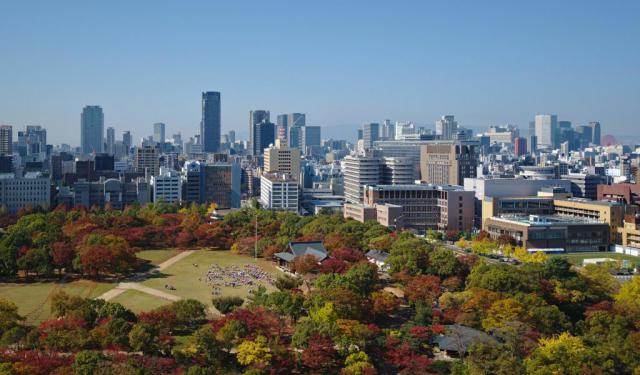
Osaka is Japan’s third-largest city and the country’s second-largest metropolitan area-but its story starts long before population rankings mattered. Archaeology places people here more than 2,000 years ago, which means this isn’t a city that appeared overnight. It grew steadily, helped along by geography.
Sitting between Osaka Bay and the Yodo River, it was perfectly positioned to move... view more
Tour Duration: 2 Hours
Travel Distance: 4.9 Km or 3 Miles
Sitting between Osaka Bay and the Yodo River, it was perfectly positioned to move... view more
Tour Duration: 2 Hours
Travel Distance: 4.9 Km or 3 Miles
Osaka Shopping and Dining Walking Tour
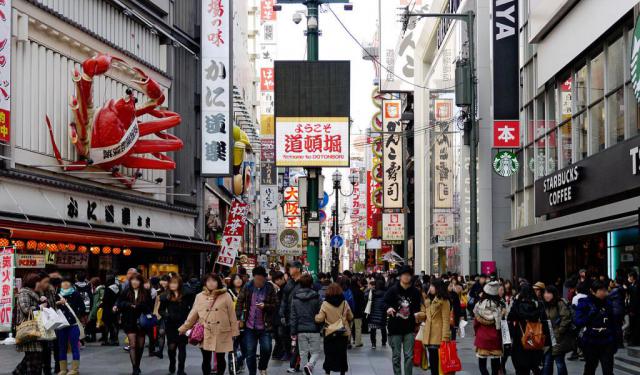
As well as being an exciting Western-style city full of cool entertainment and cultural attractions, Osaka is a great place for shopping. The appealing range of shopping venues here includes covered arcades, malls, thoroughfares, and more. Let's take a closer look at some of these locations.
Shinsaibashi Shopping Street is a bustling retail district renowned for its upscale stores and... view more
Tour Duration: 1 Hour
Travel Distance: 2.2 Km or 1.4 Miles
Shinsaibashi Shopping Street is a bustling retail district renowned for its upscale stores and... view more
Tour Duration: 1 Hour
Travel Distance: 2.2 Km or 1.4 Miles
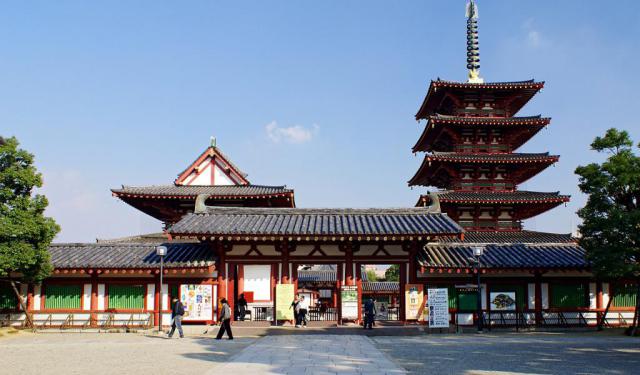
Tennoji Shrines and Temples Walking Tour
Osaka is Japan’s third largest city. It is therefore not at all surprising to find within its boundaries many religious sites. Tennoji, a district of Osaka steeped in cultural and historical significance, is particularly rich in terms of beautiful temples and shrines.
Ikukunitama Shrine, nestled amidst the city's clamor, is a dedication to the deity Ikukunitama-no-mikoto, offering... view more
Tour Duration: 2 Hours
Travel Distance: 3.5 Km or 2.2 Miles
Ikukunitama Shrine, nestled amidst the city's clamor, is a dedication to the deity Ikukunitama-no-mikoto, offering... view more
Tour Duration: 2 Hours
Travel Distance: 3.5 Km or 2.2 Miles
The Most Popular Cities
/ view all