

Osaka Shopping and Dining Walking Tour (Self Guided), Osaka
As well as being an exciting Western-style city full of cool entertainment and cultural attractions, Osaka is a great place for shopping. The appealing range of shopping venues here includes covered arcades, malls, thoroughfares, and more. Let's take a closer look at some of these locations.
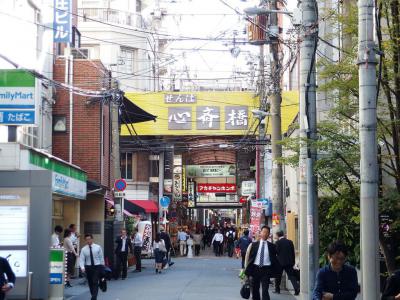
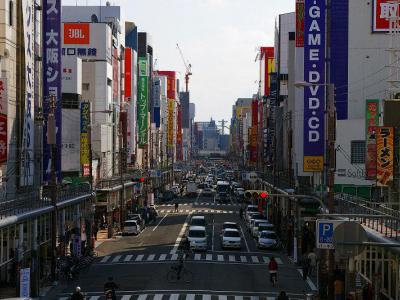
Shinsaibashi Shopping Street is a bustling retail district renowned for its upscale stores and boutiques. It caters to fashion enthusiasts with its trendy clothing, accessories, and cosmetics. Whether you're a fashionista or simply looking for souvenirs, Shinsaibashi has something for everyone.
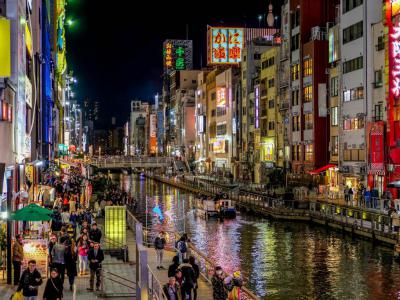
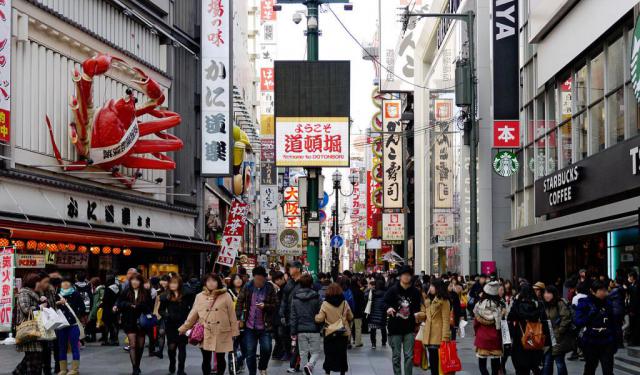
Dotonbori Gastronomic Area, on the other hand, is a food lover's paradise. It is famous for its vibrant street food scene, offering delectable local dishes such as takoyaki (octopus balls) and okonomiyaki (savory pancakes). Strolling along the canal, you'll be surrounded by dazzling neon signs and a lively atmosphere.
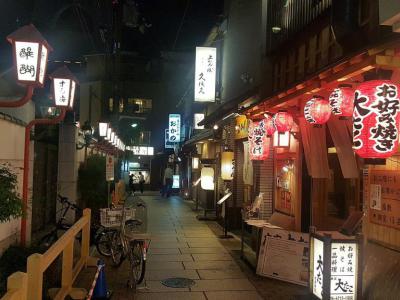
Hozenji Yokocho is a hidden gem, a narrow alleyway nestled near Dotonbori. It offers a quaint, traditional ambiance with cozy restaurants and izakayas (Japanese pubs) – an ideal place to savor authentic Japanese cuisine and experience the warm hospitality of the locals.
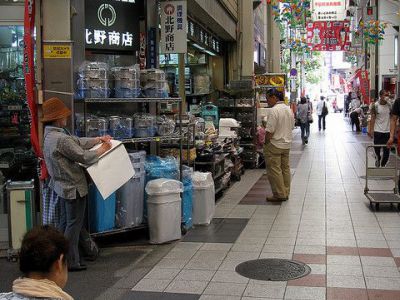
Doguyasuji Shopping Arcade is where you can find an array of kitchenware and restaurant supplies. It's a paradise for culinary enthusiasts and chefs, with shops selling everything from knives and cookware to traditional Japanese tableware.
Nipponbashi, also known as the Electronic Market, caters to tech enthusiasts. It's a hub for electronics, anime, and manga-related goods. From the latest gadgets to vintage collectibles, you'll find it all here.
Lastly, Kuromon Market is a bustling food market where you can sample fresh seafood, street food, and local snacks. It's a sensory delight that will agitate your taste buds and provide a glimpse into Osaka's culinary culture.
Osaka offers a rich tapestry of shopping and dining experiences that cater to all tastes and interests. Fashion enthusiasts, foodies, tech lovers, or culture seekers can satisfy their cravings with ease in this vibrant city. So, don't miss the chance to explore the culinary and retail delights of Osaka for a truly unforgettable adventure in the Land of the Rising Sun!
Shinsaibashi Shopping Street is a bustling retail district renowned for its upscale stores and boutiques. It caters to fashion enthusiasts with its trendy clothing, accessories, and cosmetics. Whether you're a fashionista or simply looking for souvenirs, Shinsaibashi has something for everyone.
Dotonbori Gastronomic Area, on the other hand, is a food lover's paradise. It is famous for its vibrant street food scene, offering delectable local dishes such as takoyaki (octopus balls) and okonomiyaki (savory pancakes). Strolling along the canal, you'll be surrounded by dazzling neon signs and a lively atmosphere.
Hozenji Yokocho is a hidden gem, a narrow alleyway nestled near Dotonbori. It offers a quaint, traditional ambiance with cozy restaurants and izakayas (Japanese pubs) – an ideal place to savor authentic Japanese cuisine and experience the warm hospitality of the locals.
Doguyasuji Shopping Arcade is where you can find an array of kitchenware and restaurant supplies. It's a paradise for culinary enthusiasts and chefs, with shops selling everything from knives and cookware to traditional Japanese tableware.
Nipponbashi, also known as the Electronic Market, caters to tech enthusiasts. It's a hub for electronics, anime, and manga-related goods. From the latest gadgets to vintage collectibles, you'll find it all here.
Lastly, Kuromon Market is a bustling food market where you can sample fresh seafood, street food, and local snacks. It's a sensory delight that will agitate your taste buds and provide a glimpse into Osaka's culinary culture.
Osaka offers a rich tapestry of shopping and dining experiences that cater to all tastes and interests. Fashion enthusiasts, foodies, tech lovers, or culture seekers can satisfy their cravings with ease in this vibrant city. So, don't miss the chance to explore the culinary and retail delights of Osaka for a truly unforgettable adventure in the Land of the Rising Sun!
How it works: Download the app "GPSmyCity: Walks in 1K+ Cities" from Apple App Store or Google Play Store to your mobile phone or tablet. The app turns your mobile device into a personal tour guide and its built-in GPS navigation functions guide you from one tour stop to next. The app works offline, so no data plan is needed when traveling abroad.
Osaka Shopping and Dining Walking Tour Map
Guide Name: Osaka Shopping and Dining Walking Tour
Guide Location: Japan » Osaka (See other walking tours in Osaka)
Guide Type: Self-guided Walking Tour (Sightseeing)
# of Attractions: 6
Tour Duration: 1 Hour(s)
Travel Distance: 2.2 Km or 1.4 Miles
Author: alice
Sight(s) Featured in This Guide:
Guide Location: Japan » Osaka (See other walking tours in Osaka)
Guide Type: Self-guided Walking Tour (Sightseeing)
# of Attractions: 6
Tour Duration: 1 Hour(s)
Travel Distance: 2.2 Km or 1.4 Miles
Author: alice
Sight(s) Featured in This Guide:
- Shinsaibashi Shopping Street
- Dotonbori Gastronomic Area
- Hozenji Yokocho
- Doguyasuji Shopping Arcade
- Nipponbashi (Electoric Market). Sakaisuji Avenue
- Kuromon Market
1) Shinsaibashi Shopping Street (must see)
Shinsaibashi Shopping Street runs straight through central Osaka, linking North Namba with Hommachi under a single, weather-proof roof. At about 600 meters long, it’s less a quick stroll and more a steady immersion into the city’s favorite pastime: shopping, with purpose...
Indeed, this is Osaka’s largest retail district, and its name goes back to a bridge that quite literally changed local fortunes. In 1622, four merchants led by Okada Shinsai built a wooden bridge here to improve access and trade. Business boomed. The bridge was later upgraded—first to an iron structure imported from Germany, then to stone—each version marking another chapter in the area’s rise.
In 1973, the old German iron bridge was reassembled nearby to mark its 100th anniversary. Today, it lives on as a pedestrian overpass, a small but telling reminder that infrastructure and commerce have always gone hand in hand here.
What you’ll notice, as you move along Shinsaibashi, is the range. High-end international brands sit comfortably beside affordable chain stores, while traditional kimono tailors quietly continue their craft a few steps away from global fashion labels. This mix isn’t accidental—it reflects Osaka’s long-standing balance between practicality and flair.
Halfway along, the mood shifts again as you reach the western side, known as American Village, where street fashion, youth culture, and trend-driven shops take over. Cafés and restaurants follow the same pattern, moving easily between Japanese staples and international menus.
Running alongside it is Midosuji Avenue, Osaka’s main north–south artery, connecting the Kita and Umeda business districts with the lively Minami area. In autumn, the street briefly changes character during the Midosuji Parade, when marching bands from around the world replace traffic and turn the boulevard into a moving stage.
As you walk Shinsaibashi, don’t rush it. This isn’t just a place to buy things—it’s a snapshot of how Osaka trades, adapts, and keeps moving forward, one storefront after another...
Indeed, this is Osaka’s largest retail district, and its name goes back to a bridge that quite literally changed local fortunes. In 1622, four merchants led by Okada Shinsai built a wooden bridge here to improve access and trade. Business boomed. The bridge was later upgraded—first to an iron structure imported from Germany, then to stone—each version marking another chapter in the area’s rise.
In 1973, the old German iron bridge was reassembled nearby to mark its 100th anniversary. Today, it lives on as a pedestrian overpass, a small but telling reminder that infrastructure and commerce have always gone hand in hand here.
What you’ll notice, as you move along Shinsaibashi, is the range. High-end international brands sit comfortably beside affordable chain stores, while traditional kimono tailors quietly continue their craft a few steps away from global fashion labels. This mix isn’t accidental—it reflects Osaka’s long-standing balance between practicality and flair.
Halfway along, the mood shifts again as you reach the western side, known as American Village, where street fashion, youth culture, and trend-driven shops take over. Cafés and restaurants follow the same pattern, moving easily between Japanese staples and international menus.
Running alongside it is Midosuji Avenue, Osaka’s main north–south artery, connecting the Kita and Umeda business districts with the lively Minami area. In autumn, the street briefly changes character during the Midosuji Parade, when marching bands from around the world replace traffic and turn the boulevard into a moving stage.
As you walk Shinsaibashi, don’t rush it. This isn’t just a place to buy things—it’s a snapshot of how Osaka trades, adapts, and keeps moving forward, one storefront after another...
2) Dotonbori Gastronomic Area
If Osaka eats, it eats here. Dotonbori is the city’s unofficial dining room, stretched along both sides of the Dotonbori-gawa Canal and operating on the simple idea that hunger should never be ignored. Restaurants come in every size and volume level, selling everything from quick street snacks to long, sit-down feasts, with shopping folded neatly in between. Food isn’t an attraction here—it’s the operating system.
Most of the action lines the canal’s south bank, where the street widens into a constant flow of signs, smells, and noise. Alongside restaurants, you’ll find theaters, storytelling halls, and entertainment spaces that recall Dotonbori’s long role as a popular culture district. The area has appeared in countless movies, including Black Rain from 1989 (starring Michael Douglas and Andy García), and still carries that cinematic energy.
Just south of the main strip sits Hozen-ji, a small 17th-century temple where a softly glowing paper lantern turns the surrounding lane amber at sunset. Nearby, narrow streets lined with Edo-period latticework buildings offer a brief pause from the sensory overload.
Dotonbori rarely slows down, but the tempo changes after dark. Neon signs take over, including the famous Glico Running Man and the oversized crab of Kani Doraku, both blinking tirelessly above the crowds. Kitchens stay busy, serving Osaka classics like takoyaki—octopus balls cooked on hot plates—and okonomiyaki, thick pancakes packed with vegetables and meat. More adventurous menus include fugu, the carefully prepared blowfish, alongside shabu-shabu restaurants where diners cook their own food at the table, turning dinner into a mild sport.
Dotonbori isn’t polished or quiet, and it doesn't attempt to be. It’s loud, bright, crowded, and proudly excessive—and that’s exactly the point. Walk it slowly, follow your nose, cross the canal, double back, and stop again. This is Osaka at full volume, and the only sensible response is to dive in hungry and keep moving.
Most of the action lines the canal’s south bank, where the street widens into a constant flow of signs, smells, and noise. Alongside restaurants, you’ll find theaters, storytelling halls, and entertainment spaces that recall Dotonbori’s long role as a popular culture district. The area has appeared in countless movies, including Black Rain from 1989 (starring Michael Douglas and Andy García), and still carries that cinematic energy.
Just south of the main strip sits Hozen-ji, a small 17th-century temple where a softly glowing paper lantern turns the surrounding lane amber at sunset. Nearby, narrow streets lined with Edo-period latticework buildings offer a brief pause from the sensory overload.
Dotonbori rarely slows down, but the tempo changes after dark. Neon signs take over, including the famous Glico Running Man and the oversized crab of Kani Doraku, both blinking tirelessly above the crowds. Kitchens stay busy, serving Osaka classics like takoyaki—octopus balls cooked on hot plates—and okonomiyaki, thick pancakes packed with vegetables and meat. More adventurous menus include fugu, the carefully prepared blowfish, alongside shabu-shabu restaurants where diners cook their own food at the table, turning dinner into a mild sport.
Dotonbori isn’t polished or quiet, and it doesn't attempt to be. It’s loud, bright, crowded, and proudly excessive—and that’s exactly the point. Walk it slowly, follow your nose, cross the canal, double back, and stop again. This is Osaka at full volume, and the only sensible response is to dive in hungry and keep moving.
3) Hozenji Yokocho
Hozenji Yokocho is a stone-paved street located next to Dotombori Street. Though it is located in one of the busiest areas of Osaka, it remains quaint and cozy, lined on both sides with small food shops and restaurants. It is the perfect spot for weary tourists to take a break.
There are many Japanese restaurants located at Hozenji Yokocho. These restaurants, bars, and street food stands are mainstays of the environment. There are so many places to eat that many tourists find themselves returning to Hozenji Yokocho day after day.
Those visiting Hozenji Yokocho should check out the moss-covered Mizukake Fudo statue. The guests will notice a signboard with calligraphy written by the third Harudani Katsura on the east gate, and by Kambi Fujiyama on the west gate. A moss-covered Buddha is also present at Hozenji Yokocho.
The business hours for each restaurant vary. Those who want to have an assortment of meals should plan to visit Hozenji Yokocho during the weekdays between 8 AM and 4 PM to ensure their favorite restaurant will be open.
There are many Japanese restaurants located at Hozenji Yokocho. These restaurants, bars, and street food stands are mainstays of the environment. There are so many places to eat that many tourists find themselves returning to Hozenji Yokocho day after day.
Those visiting Hozenji Yokocho should check out the moss-covered Mizukake Fudo statue. The guests will notice a signboard with calligraphy written by the third Harudani Katsura on the east gate, and by Kambi Fujiyama on the west gate. A moss-covered Buddha is also present at Hozenji Yokocho.
The business hours for each restaurant vary. Those who want to have an assortment of meals should plan to visit Hozenji Yokocho during the weekdays between 8 AM and 4 PM to ensure their favorite restaurant will be open.
4) Doguyasuji Shopping Arcade
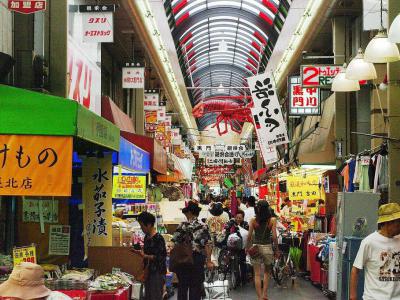
Doguyasuji Arcade, also known as Sennichimae Doguyasuji Shopping Street, is a covered shopping arcade that is a must-see for those who love to cook. Doguyasuji Arcade is populated with shops that sell kitchen implements of all types along with restaurant supplies and food.
Doguyasuji Arcade is a narrow, 150-meter-long arcade that is sometimes called "Kitchenware Street." The arcade's claim to fame is the ability to provide any type of kitchenware a shopper can imagine. From two-gallon pickle jars to miniature milk pitchers, if it's not available at Doguyasuji Arcade, it's probably not available anywhere.
The arcade was built in 1970. Originally it was lined with antique shops, drugstores, and souvenir stop for those visiting the nearby temples. In the late 20th century, it became known for providing kitchen implements and bulk restaurant supplies.
The arcade is open throughout the day. Individual stores post their hours, but most are open during the day from about 8 AM to about 6 PM.
Doguyasuji Arcade is a narrow, 150-meter-long arcade that is sometimes called "Kitchenware Street." The arcade's claim to fame is the ability to provide any type of kitchenware a shopper can imagine. From two-gallon pickle jars to miniature milk pitchers, if it's not available at Doguyasuji Arcade, it's probably not available anywhere.
The arcade was built in 1970. Originally it was lined with antique shops, drugstores, and souvenir stop for those visiting the nearby temples. In the late 20th century, it became known for providing kitchen implements and bulk restaurant supplies.
The arcade is open throughout the day. Individual stores post their hours, but most are open during the day from about 8 AM to about 6 PM.
5) Nipponbashi (Electoric Market). Sakaisuji Avenue
Nipponbashi Den Den Town, situated in Osaka's Naniwa Ward, is a bustling shopping hub frequented by tourists, particularly for its position along Sakaisuji Avenue. The area boasts a diverse selection of goods including electronics, Japanese comics (manga), and various other items.
Historically, this location housed a theater named Nagamachi during the Edo period, which was later renamed Nipponbashi by the Osaka Municipal Government. Following the Meiji restoration, the area saw the emergence of numerous secondhand bookstores. It earned the nickname Den Den Town after World War II, attributed to the influx of electronic shops that established there. Although its popularity waned with the rise of large electronic chains in nearby Umeda and Namba, it regained traction with the introduction of stores specializing in anime and manga-related products.
Currently, Nipponbashi Den Den Town offers a wide array of products such as electronics, home appliances, lighting, computers, video games, CD players, and cameras, all at reasonable prices. Unique to this market, customers have the option to negotiate prices, which isn’t as common in other Osaka markets. Duty-free options are available for tourists who present their passports, providing significant savings. Additionally, the area is known for its Maid and Cosplay cafés, where staff in thematic outfits serve guests, and full-service cabarets also enhance the local entertainment offerings.
Historically, this location housed a theater named Nagamachi during the Edo period, which was later renamed Nipponbashi by the Osaka Municipal Government. Following the Meiji restoration, the area saw the emergence of numerous secondhand bookstores. It earned the nickname Den Den Town after World War II, attributed to the influx of electronic shops that established there. Although its popularity waned with the rise of large electronic chains in nearby Umeda and Namba, it regained traction with the introduction of stores specializing in anime and manga-related products.
Currently, Nipponbashi Den Den Town offers a wide array of products such as electronics, home appliances, lighting, computers, video games, CD players, and cameras, all at reasonable prices. Unique to this market, customers have the option to negotiate prices, which isn’t as common in other Osaka markets. Duty-free options are available for tourists who present their passports, providing significant savings. Additionally, the area is known for its Maid and Cosplay cafés, where staff in thematic outfits serve guests, and full-service cabarets also enhance the local entertainment offerings.
6) Kuromon Market (must see)
Kuromon Market is a covered street market in the Minami area of Osaka. The market looks modern and fresh, but it dates back to the Edo Period, the time between 1603 and 1867 in the history of Japan.
Kuromon Market contains approximately 150 shops. Most of these shops sell food items, like meat, produce, fish and sweets. It is an excellent place to find and taste a variety of street foods. Some of the more unique options tourists can find are sea urchin, eels, and yakitori.
Those shopping for souvenirs will find plenty of options at Kuromon Market. Though food items are predominant, some shops sell clothing, homewares, jewelry, makeup, and accessories. There is even a 100 Yen shop, where everything that is on the shelves costs only 100 Yen (approximately USD 0.69).
The street is open throughout the day, but each store and restaurant post their hours. Most are open Monday through Saturday from 8 AM to 6 PM.
Kuromon Market contains approximately 150 shops. Most of these shops sell food items, like meat, produce, fish and sweets. It is an excellent place to find and taste a variety of street foods. Some of the more unique options tourists can find are sea urchin, eels, and yakitori.
Those shopping for souvenirs will find plenty of options at Kuromon Market. Though food items are predominant, some shops sell clothing, homewares, jewelry, makeup, and accessories. There is even a 100 Yen shop, where everything that is on the shelves costs only 100 Yen (approximately USD 0.69).
The street is open throughout the day, but each store and restaurant post their hours. Most are open Monday through Saturday from 8 AM to 6 PM.
Walking Tours in Osaka, Japan
Create Your Own Walk in Osaka
Creating your own self-guided walk in Osaka is easy and fun. Choose the city attractions that you want to see and a walk route map will be created just for you. You can even set your hotel as the start point of the walk.
Osaka Castle Park Walking Tour
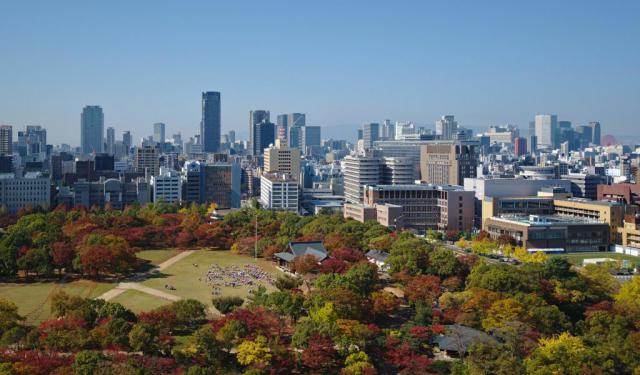
Osaka Castle Park looks, at first glance, like a generous patch of green dropped neatly into the middle of the city. Nearly two square kilometers of lawns, paths, and sports fields stretch along the south bank of the Okawa River, giving Osaka a place to breathe. But don’t let the joggers and picnic blankets fool you—this ground has been busy shaping history for more than five centuries.
... view more
Tour Duration: 1 Hour(s)
Travel Distance: 2.9 Km or 1.8 Miles
... view more
Tour Duration: 1 Hour(s)
Travel Distance: 2.9 Km or 1.8 Miles
Osaka Introduction Walking Tour
Osaka is Japan’s third-largest city and the country’s second-largest metropolitan area—but its story starts long before population rankings mattered. Archaeology places people here more than 2,000 years ago, which means this isn’t a city that appeared overnight. It grew steadily, helped along by geography.
Sitting between Osaka Bay and the Yodo River, it was perfectly positioned to... view more
Tour Duration: 2 Hour(s)
Travel Distance: 4.9 Km or 3 Miles
Sitting between Osaka Bay and the Yodo River, it was perfectly positioned to... view more
Tour Duration: 2 Hour(s)
Travel Distance: 4.9 Km or 3 Miles
Tennoji Shrines and Temples Walking Tour
Osaka is Japan’s third largest city. It is therefore not at all surprising to find within its boundaries many religious sites. Tennoji, a district of Osaka steeped in cultural and historical significance, is particularly rich in terms of beautiful temples and shrines.
Ikukunitama Shrine, nestled amidst the city's clamor, is a dedication to the deity Ikukunitama-no-mikoto, offering... view more
Tour Duration: 2 Hour(s)
Travel Distance: 3.5 Km or 2.2 Miles
Ikukunitama Shrine, nestled amidst the city's clamor, is a dedication to the deity Ikukunitama-no-mikoto, offering... view more
Tour Duration: 2 Hour(s)
Travel Distance: 3.5 Km or 2.2 Miles
The Most Popular Cities
/ view all