

Panama Canal, Panama City (must see)
The Panama Canal, located in Panama City, is a marvel of modern engineering and a pivotal artery in global maritime trade. This artificial 82 kilometers (51 miles) waterway connects the Atlantic Ocean with the Pacific Ocean, traversing the Isthmus of Panama. Its creation stands as one of the most formidable and complex engineering feats ever achieved, providing a vital shortcut that allows ships to bypass the perilous journey around the southernmost tip of South America via Cape Horn or the less frequented routes through the Arctic.
Originally opened on August 15, 1914, after a transfer of efforts from French to American hands, the canal significantly reduced the journey time for maritime vessels between the two oceans. France initiated construction in 1881 but faced overwhelming challenges including engineering difficulties and high worker mortality, leading to the cessation of their efforts. The United States took over the project in 1904 and managed to complete the canal, continuing to control the surrounding Panama Canal Zone until the 1977 Torrijos–Carter Treaties facilitated a gradual handover to Panama. Full control was passed to the Panamanian government in 1999, and today, the canal is operated by the government-owned Panama Canal Authority.
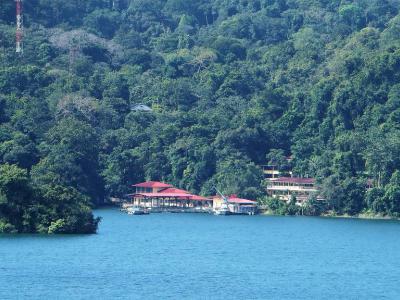
The canal features a series of locks that elevate ships up to Gatun Lake, an artificial lake created to minimize excavation work, lifting vessels 26 meters (85 feet) above sea level. The original locks are 32.5 meters (110 feet) wide. To accommodate larger neo-Panamax ships, which can carry more cargo, a third, wider lane of locks was added, and began commercial operations on June 26, 2016. This expansion allows for the transit of significantly larger vessels than before.
Recognizing its significance and impact, the American Society of Civil Engineers has named the Panama Canal one of the seven wonders of the modern world. The canal not only serves as a critical conduit for international maritime trade but also stands as a testament to human ingenuity and determination to overcome natural barriers.
Originally opened on August 15, 1914, after a transfer of efforts from French to American hands, the canal significantly reduced the journey time for maritime vessels between the two oceans. France initiated construction in 1881 but faced overwhelming challenges including engineering difficulties and high worker mortality, leading to the cessation of their efforts. The United States took over the project in 1904 and managed to complete the canal, continuing to control the surrounding Panama Canal Zone until the 1977 Torrijos–Carter Treaties facilitated a gradual handover to Panama. Full control was passed to the Panamanian government in 1999, and today, the canal is operated by the government-owned Panama Canal Authority.
The canal features a series of locks that elevate ships up to Gatun Lake, an artificial lake created to minimize excavation work, lifting vessels 26 meters (85 feet) above sea level. The original locks are 32.5 meters (110 feet) wide. To accommodate larger neo-Panamax ships, which can carry more cargo, a third, wider lane of locks was added, and began commercial operations on June 26, 2016. This expansion allows for the transit of significantly larger vessels than before.
Recognizing its significance and impact, the American Society of Civil Engineers has named the Panama Canal one of the seven wonders of the modern world. The canal not only serves as a critical conduit for international maritime trade but also stands as a testament to human ingenuity and determination to overcome natural barriers.
Want to visit this sight? Check out these Self-Guided Walking Tours in Panama City. Alternatively, you can download the mobile app "GPSmyCity: Walks in 1K+ Cities" from Apple App Store or Google Play Store. The app turns your mobile device to a personal tour guide and it works offline, so no data plan is needed when traveling abroad.
Download The GPSmyCity App



Panama Canal on Map
Sight Name: Panama Canal
Sight Location: Panama City, Panama (See walking tours in Panama City)
Sight Type: Attraction/Landmark
Sight Location: Panama City, Panama (See walking tours in Panama City)
Sight Type: Attraction/Landmark
Nearby Sights
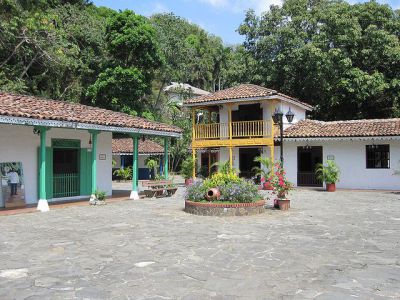
Walking Tours in Panama City, Panama

Create Your Own Walk in Panama City
Creating your own self-guided walk in Panama City is easy and fun. Choose the city attractions that you want to see and a walk route map will be created just for you. You can even set your hotel as the start point of the walk.
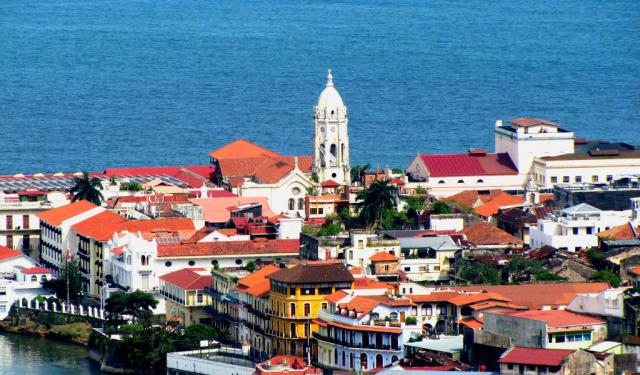
A Walk in Panama's Charming Old Town
German polymath and geographer Alexander von Humboldt, who analyzed the Isthmus of Panama as a natural crossroads in the early 19th century, famously described Panama as a place destined by nature to become the meeting point of nations.
Founded on 15 August 1519 by the Spanish conquistador Pedro Arias Dávila, Panama City was the first permanent European settlement on the Pacific coast of the... view more
Tour Duration: 1 Hour(s)
Travel Distance: 0.9 Km or 0.6 Miles
Founded on 15 August 1519 by the Spanish conquistador Pedro Arias Dávila, Panama City was the first permanent European settlement on the Pacific coast of the... view more
Tour Duration: 1 Hour(s)
Travel Distance: 0.9 Km or 0.6 Miles
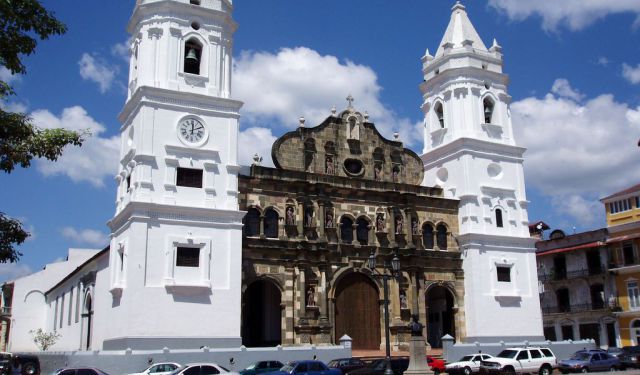
Historical Churches Tour
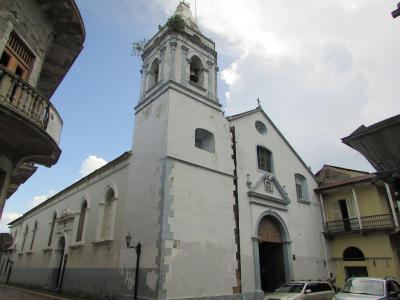
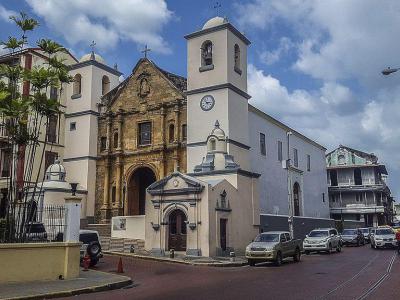
Caught between the lush green mountains and the ocean, the capital of Panama is a concentration of colors and styles. The evidence of Spanish influence is still vivid in the colonial landmarks, especially religious sites.
For centuries, colonial religious architecture has played an important role in the configuration of the urban layout of Panama City. By the 17th century, convents had an... view more
Tour Duration: 1 Hour(s)
Travel Distance: 1.0 Km or 0.6 Miles
For centuries, colonial religious architecture has played an important role in the configuration of the urban layout of Panama City. By the 17th century, convents had an... view more
Tour Duration: 1 Hour(s)
Travel Distance: 1.0 Km or 0.6 Miles