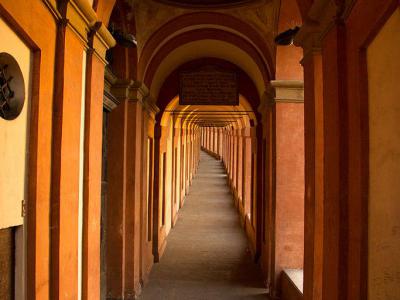


Portico di San Luca (Portico of San Luca), Bologna (must see)
A defining characteristic of Bologna is its extensive network of "portici", or porticoes, stretching for nearly 40 kilometers (25 miles). Originally constructed from wood outside the homes of shopkeepers to provide additional space for trade, these elegant arcades date back centuries. In 1568, primarily due to concerns over fire hazards, regulations mandated that porticoes be constructed from brick or stone, though a handful of the original wooden structures still remain.
Among these structures, the Portico San Luca stands out as the world's longest, stretching for almost 3.5 kilometers (2 miles) up to the hilltop Sanctuary of San Luca. Its existence is owed to the dedication of Don Ludovico Genaroli, who spent two decades championing its construction. The portico serves to shield pilgrims making their vows to the Madonna of Saint Luke from inclement weather and harsh sunlight, while also facilitating the annual procession that transports the revered image from the Sanctuary to Saint Peter's Cathedral in the city center for a week of festivities before returning it to its hillside abode overlooking Bologna.
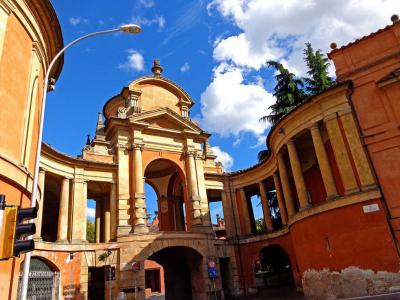
Funded by devout believers, artisan guilds, and prominent Bolognese families, this monumental undertaking was realized under the guidance of the Bolognese architect Carlo Francesco Dotti (1670-1759). Dotti was not only responsible for completing the portico project but also for designing the new basilica constructed to accompany it, as well as the Meloncello Arch ("Arco del Meloncello"), marking the starting point of the ascent to the Colle della Guardia.
Among these structures, the Portico San Luca stands out as the world's longest, stretching for almost 3.5 kilometers (2 miles) up to the hilltop Sanctuary of San Luca. Its existence is owed to the dedication of Don Ludovico Genaroli, who spent two decades championing its construction. The portico serves to shield pilgrims making their vows to the Madonna of Saint Luke from inclement weather and harsh sunlight, while also facilitating the annual procession that transports the revered image from the Sanctuary to Saint Peter's Cathedral in the city center for a week of festivities before returning it to its hillside abode overlooking Bologna.
Funded by devout believers, artisan guilds, and prominent Bolognese families, this monumental undertaking was realized under the guidance of the Bolognese architect Carlo Francesco Dotti (1670-1759). Dotti was not only responsible for completing the portico project but also for designing the new basilica constructed to accompany it, as well as the Meloncello Arch ("Arco del Meloncello"), marking the starting point of the ascent to the Colle della Guardia.
Want to visit this sight? Check out these Self-Guided Walking Tours in Bologna. Alternatively, you can download the mobile app "GPSmyCity: Walks in 1K+ Cities" from Apple App Store or Google Play Store. The app turns your mobile device to a personal tour guide and it works offline, so no data plan is needed when traveling abroad.
Download The GPSmyCity App



Portico di San Luca (Portico of San Luca) on Map
Sight Name: Portico di San Luca (Portico of San Luca)
Sight Location: Bologna, Italy (See walking tours in Bologna)
Sight Type: Attraction/Landmark
Sight Location: Bologna, Italy (See walking tours in Bologna)
Sight Type: Attraction/Landmark
Nearby Sights


Walking Tours in Bologna, Italy

Create Your Own Walk in Bologna
Creating your own self-guided walk in Bologna is easy and fun. Choose the city attractions that you want to see and a walk route map will be created just for you. You can even set your hotel as the start point of the walk.
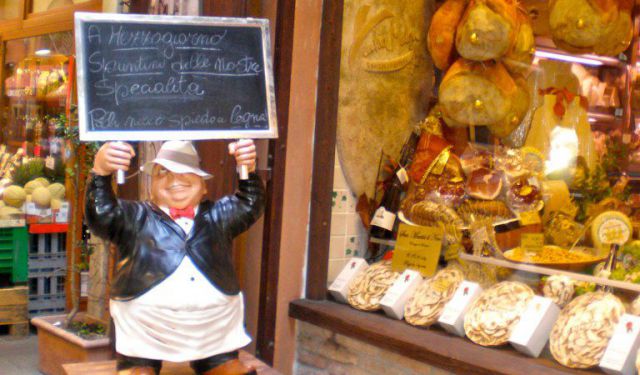
Bologna's Shopping Areas
When it comes to shopping, Bologna walks tall amid grands like Milan or Rome, with a harmonious mix of international chains, exclusive boutiques, luxury stores and open-air markets lining the streets in the city center, offering a wealth of international fashion, designer brands and top quality local delicacies in rich supply.
Shopping here is particularly pleasant on weekends when Zone... view more
Tour Duration: 1 Hour
Travel Distance: 0.8 Km or 0.5 Miles
Shopping here is particularly pleasant on weekends when Zone... view more
Tour Duration: 1 Hour
Travel Distance: 0.8 Km or 0.5 Miles
Bologna Palaces
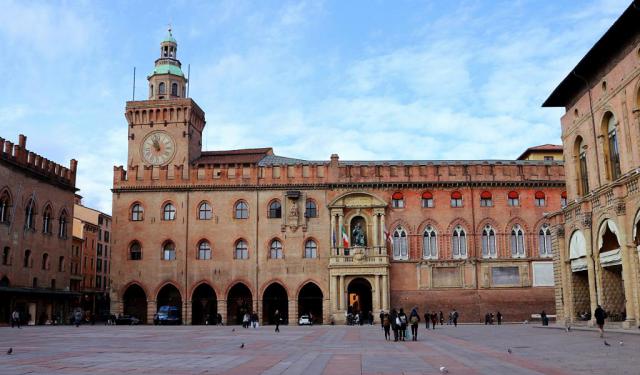
English writer Charles Dickens found “a grave and learned air” in Bologna-an impression that still lingers beneath the arches of its medieval palaces.
Bologna’s palaces are more than impressive historic buildings. Together, they form a record of how the city was governed, administered, and enriched over many centuries. Their walls reflect the changing ambitions of civic officials,... view more
Tour Duration: 1 Hour
Travel Distance: 1.4 Km or 0.9 Miles
Bologna’s palaces are more than impressive historic buildings. Together, they form a record of how the city was governed, administered, and enriched over many centuries. Their walls reflect the changing ambitions of civic officials,... view more
Tour Duration: 1 Hour
Travel Distance: 1.4 Km or 0.9 Miles
Historical Churches
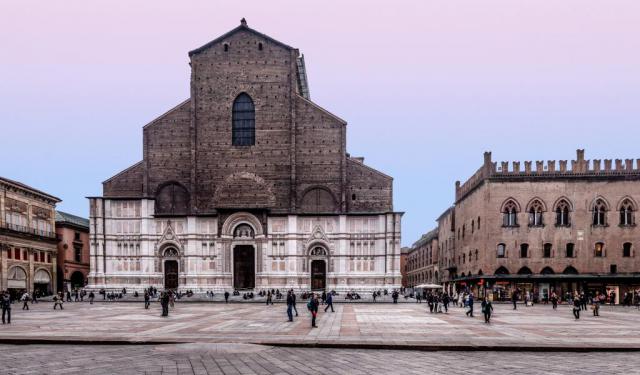
The historic city of Bologna is one of the most sumptuous medieval places in Italy, as well as one of the country's most visited destinations. There are churches everywhere in the city, many of which are well-preserved and well worth a visit. Magnificent and centuries-old, each of them has its own specialty and history carved into, replete with great historic artifacts associated with world... view more
Tour Duration: 1 Hour
Travel Distance: 2.2 Km or 1.4 Miles
Tour Duration: 1 Hour
Travel Distance: 2.2 Km or 1.4 Miles
Exploring Bologna Historic Center on Foot
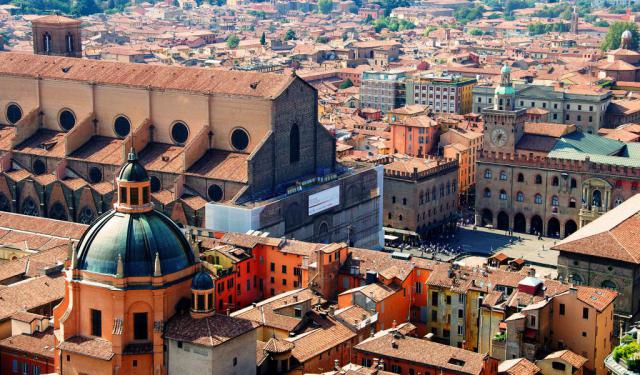
Bologna is one of Italy’s oldest and most historically significant cities, shaped by more than two thousand years of political, cultural, and intellectual development.
Around the 3rd century BC, the Romans conquered the Po valley area and established the colony of Bononia in 189 BC. The name is generally believed to derive from the Celtic root bon, meaning “settlement” or “fortified... view more
Tour Duration: 2 Hours
Travel Distance: 2.3 Km or 1.4 Miles
Around the 3rd century BC, the Romans conquered the Po valley area and established the colony of Bononia in 189 BC. The name is generally believed to derive from the Celtic root bon, meaning “settlement” or “fortified... view more
Tour Duration: 2 Hours
Travel Distance: 2.3 Km or 1.4 Miles
City Walks Overview
