

Punic Port, Tunis
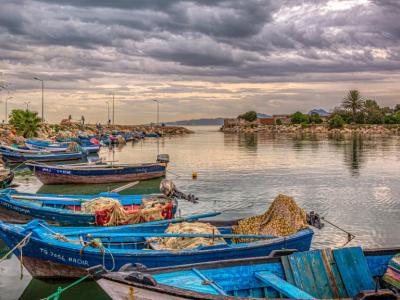
The Punic Port once formed the commercial and military heart of Carthage. From this shoreline, Carthaginian fleets controlled key routes across the western Mediterranean, connecting North Africa with Sicily, Sardinia, Iberia, and beyond. The harbor system was ingeniously planned and divided into two connected basins: a rectangular commercial port and a circular military harbor.
The inner, circular basin was designed specifically for warships, with individual docks arranged around a central island that likely functioned as a command and administrative center. This sophisticated layout allowed ships to be constructed, repaired, and deployed efficiently, giving Carthage a decisive naval advantage over its rivals.
The port was destroyed by the Romans in 146 BC, and the basins were gradually filled in after the city’s fall. During the 2nd century AD, the Romans reused the area as a commercial harbor for their merchant fleet and added new structures, including temples, before the site eventually fell out of use again. Although the original buildings no longer survive, the outlines of both basins remain clearly visible today.
A small on-site museum, situated directly on the central island of the circular military harbor, presents scale models that reconstruct what the complex looked like at its height. Located just to the south-west on the mainland is the Carthage Oceanographic Museum. Walking north-east from the circular harbor of the Punic Port, leads you to Point of Carthage by the sea, where the land slopes gently toward the water and opens onto wide views across the Gulf of Tunis.
The inner, circular basin was designed specifically for warships, with individual docks arranged around a central island that likely functioned as a command and administrative center. This sophisticated layout allowed ships to be constructed, repaired, and deployed efficiently, giving Carthage a decisive naval advantage over its rivals.
The port was destroyed by the Romans in 146 BC, and the basins were gradually filled in after the city’s fall. During the 2nd century AD, the Romans reused the area as a commercial harbor for their merchant fleet and added new structures, including temples, before the site eventually fell out of use again. Although the original buildings no longer survive, the outlines of both basins remain clearly visible today.
A small on-site museum, situated directly on the central island of the circular military harbor, presents scale models that reconstruct what the complex looked like at its height. Located just to the south-west on the mainland is the Carthage Oceanographic Museum. Walking north-east from the circular harbor of the Punic Port, leads you to Point of Carthage by the sea, where the land slopes gently toward the water and opens onto wide views across the Gulf of Tunis.
Want to visit this sight? Check out these Self-Guided Walking Tours in Tunis. Alternatively, you can download the mobile app "GPSmyCity: Walks in 1K+ Cities" from Apple App Store or Google Play Store. The app turns your mobile device to a personal tour guide and it works offline, so no data plan is needed when traveling abroad.
Download The GPSmyCity App



Punic Port on Map
Sight Name: Punic Port
Sight Location: Tunis, Tunisia (See walking tours in Tunis)
Sight Type: Attraction/Landmark
Guide(s) Containing This Sight:
Sight Location: Tunis, Tunisia (See walking tours in Tunis)
Sight Type: Attraction/Landmark
Guide(s) Containing This Sight:
Nearby Sights
Walking Tours in Tunis, Tunisia

Create Your Own Walk in Tunis
Creating your own self-guided walk in Tunis is easy and fun. Choose the city attractions that you want to see and a walk route map will be created just for you. You can even set your hotel as the start point of the walk.
Carthage Walking Tour
The Roman statesman Cato the Elder ended every speech the same way, no matter the subject: “Carthage must be destroyed”. Not because the city was weak, but because it was powerful enough to worry Rome even in silence.
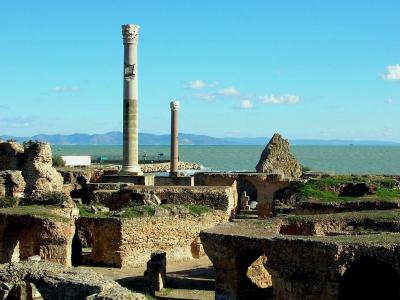
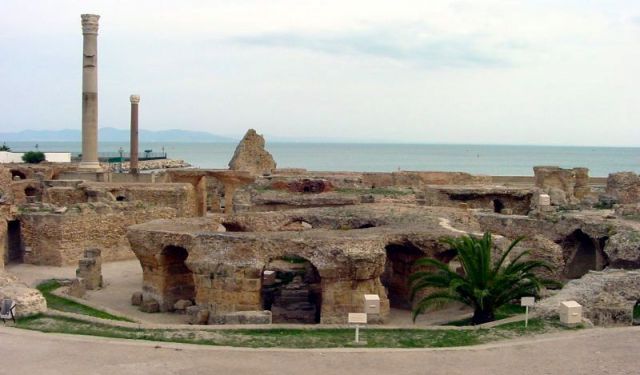
Carthage’s ruins sit on the northeastern edge of modern Tunis, looking out over the Gulf of Tunis. The name Carthage ultimately comes from the Punic word meaning “new... view more
Tour Duration: 2 Hour(s)
Travel Distance: 4.0 Km or 2.5 Miles
Carthage’s ruins sit on the northeastern edge of modern Tunis, looking out over the Gulf of Tunis. The name Carthage ultimately comes from the Punic word meaning “new... view more
Tour Duration: 2 Hour(s)
Travel Distance: 4.0 Km or 2.5 Miles
Tunis Introduction Walking Tour
Born in Tunis in 1332, Arab scholar and historian Ibn Khaldun later looked back at his home city when writing the book “Introduction”, describing Tunis itself as a living urban organism shaped by power, trade and learning.
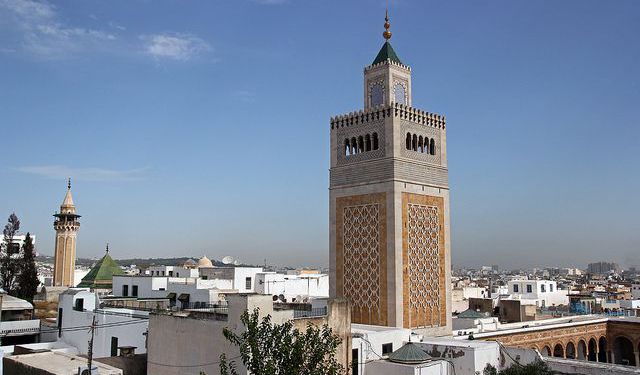
Tunis, the capital of modern Tunisia, stands at a historical crossroads of the Mediterranean, shaped by more than three millennia. The name Tunis is generally believed to... view more
Tour Duration: 1 Hour(s)
Travel Distance: 1.8 Km or 1.1 Miles
Tunis, the capital of modern Tunisia, stands at a historical crossroads of the Mediterranean, shaped by more than three millennia. The name Tunis is generally believed to... view more
Tour Duration: 1 Hour(s)
Travel Distance: 1.8 Km or 1.1 Miles
Useful Travel Guides for Planning Your Trip

Tunisian Sweets and Pastries
No Tunisian meal is complete without a lavish dessert at the end. And Tunisians do take their sweets seriously, be it fresh seasonal fruits, cakes, fried almond pastries, ice cream, doughnuts or whatever else. Some of these delights have come from Turkey, brought by soldiers of the Ottoman army;...

Tunis Souvenirs: 15 Authentic Tunisian Products for Avid Traveler
A historic crossroads of many civilizations and influences, - Berber, Spanish, French, - Tunisia is a treasure trove of mementos waiting for a knowledgeable traveler to be picked up. The Medina market of Tunis (the capital city) is one of the best places to shop for local handcrafts. To help...