

Souks of Tunis, Tunis (must see)
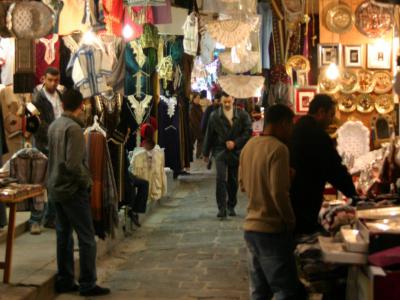
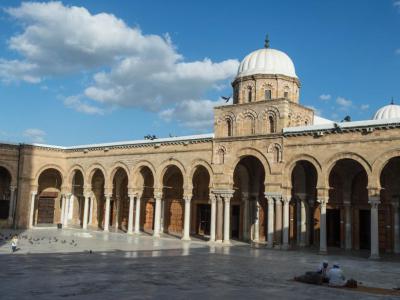
The Souks of Tunis form the commercial center of the old town and have shaped daily life in the city for centuries. This dense network of covered markets developed largely in the 13th century, organizing trade by craft and profession. Each souk traditionally specialized in a specific activity, creating a structured marketplace that closely linked commerce, religion, and urban life.
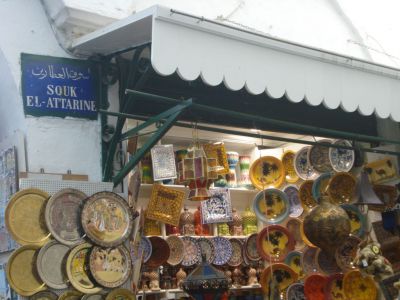
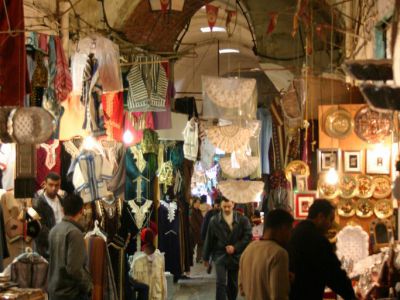
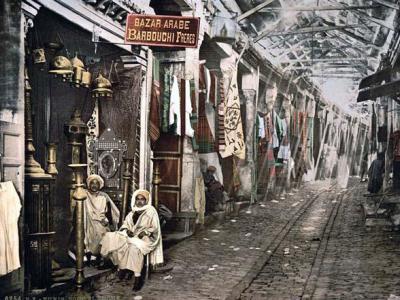
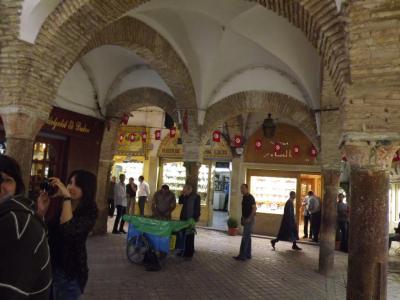
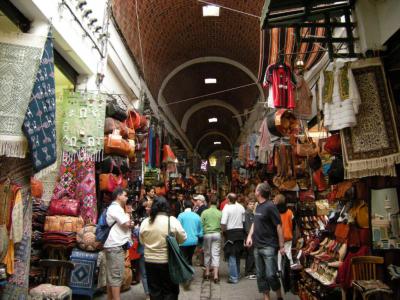
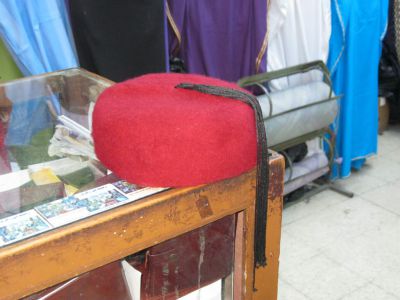
Walking through the souks reveals a sequence of narrow passages, vaulted ceilings, and shafts of filtered light, with shops opening directly onto the lanes. Many of the historic specializations remain visible today. The Perfumers' Market continues its long association with perfumes and fragrances, alongside henna and beauty products, while Souk El Bay is known for precious metals and jewelry. Textile traditions survive in Souk El Kmach and Souk El Kebabgia, while Souk Ech-Chaouachine, established in 1692, is still closely associated with the production of chachias, the traditional Tunisian skullcap made using Andalusian techniques.
Some souks reflect more complex layers of history. Souk El Berka, built in 1612, was once the city’s slave market, where auctions took place on a central platform. After slavery was abolished in Tunisia in 1846, the souk transitioned into a center for jewelry trading, giving the space a very different role while preserving its architectural form. Souk Es Sabbaghine, historically devoted to dyeing textiles, an activity considered unsuitable near the mosque, was deliberately located farther away.
Merchants call out from shaded doorways, craftsmen work in open view, and everyday exchanges unfold among centuries-old buildings. Moving through this living network offers a direct encounter with the scale, sound, and pace of the old town, revealing how tradition, trade, and daily necessity continue to shape one of North Africa’s most enduring urban marketplaces.
Walking through the souks reveals a sequence of narrow passages, vaulted ceilings, and shafts of filtered light, with shops opening directly onto the lanes. Many of the historic specializations remain visible today. The Perfumers' Market continues its long association with perfumes and fragrances, alongside henna and beauty products, while Souk El Bay is known for precious metals and jewelry. Textile traditions survive in Souk El Kmach and Souk El Kebabgia, while Souk Ech-Chaouachine, established in 1692, is still closely associated with the production of chachias, the traditional Tunisian skullcap made using Andalusian techniques.
Some souks reflect more complex layers of history. Souk El Berka, built in 1612, was once the city’s slave market, where auctions took place on a central platform. After slavery was abolished in Tunisia in 1846, the souk transitioned into a center for jewelry trading, giving the space a very different role while preserving its architectural form. Souk Es Sabbaghine, historically devoted to dyeing textiles, an activity considered unsuitable near the mosque, was deliberately located farther away.
Merchants call out from shaded doorways, craftsmen work in open view, and everyday exchanges unfold among centuries-old buildings. Moving through this living network offers a direct encounter with the scale, sound, and pace of the old town, revealing how tradition, trade, and daily necessity continue to shape one of North Africa’s most enduring urban marketplaces.
Want to visit this sight? Check out these Self-Guided Walking Tours in Tunis. Alternatively, you can download the mobile app "GPSmyCity: Walks in 1K+ Cities" from Apple App Store or Google Play Store. The app turns your mobile device to a personal tour guide and it works offline, so no data plan is needed when traveling abroad.
Download The GPSmyCity App



Souks of Tunis on Map
Sight Name: Souks of Tunis
Sight Location: Tunis, Tunisia (See walking tours in Tunis)
Sight Type: Shopping
Guide(s) Containing This Sight:
Sight Location: Tunis, Tunisia (See walking tours in Tunis)
Sight Type: Shopping
Guide(s) Containing This Sight:
Nearby Sights
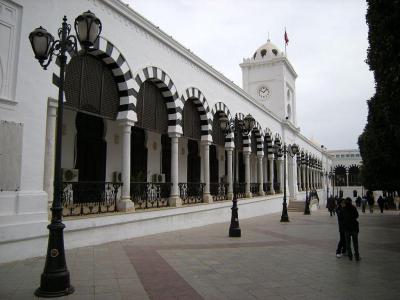
Walking Tours in Tunis, Tunisia

Create Your Own Walk in Tunis
Creating your own self-guided walk in Tunis is easy and fun. Choose the city attractions that you want to see and a walk route map will be created just for you. You can even set your hotel as the start point of the walk.
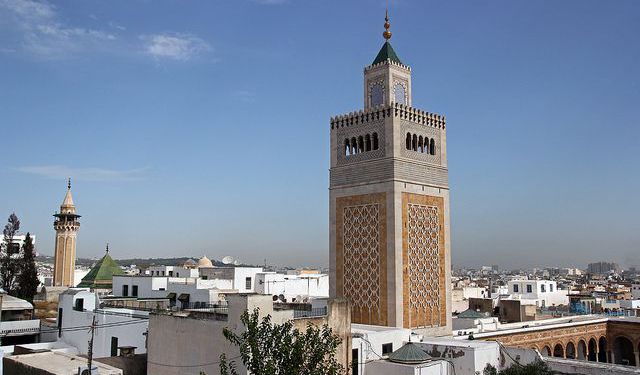
Tunis Introduction Walking Tour
Born in Tunis in 1332, Arab scholar and historian Ibn Khaldun later looked back at his home city when writing the book “Introduction”, describing Tunis itself as a living urban organism shaped by power, trade and learning.
Tunis, the capital of modern Tunisia, stands at a historical crossroads of the Mediterranean, shaped by more than three millennia. The name Tunis is generally believed to... view more
Tour Duration: 1 Hour(s)
Travel Distance: 1.8 Km or 1.1 Miles
Tunis, the capital of modern Tunisia, stands at a historical crossroads of the Mediterranean, shaped by more than three millennia. The name Tunis is generally believed to... view more
Tour Duration: 1 Hour(s)
Travel Distance: 1.8 Km or 1.1 Miles
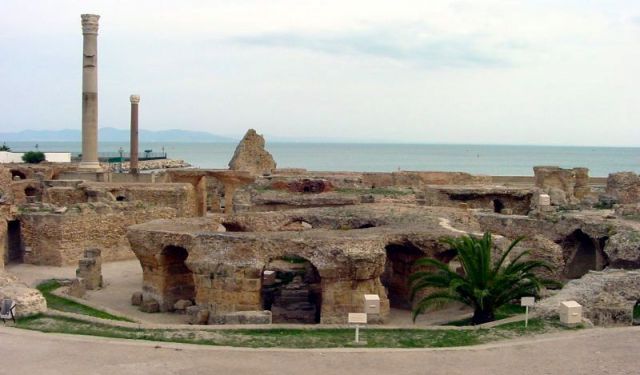
Carthage Walking Tour
The Roman statesman Cato the Elder ended every speech the same way, no matter the subject: “Carthage must be destroyed”. Not because the city was weak, but because it was powerful enough to worry Rome even in silence.
Carthage’s ruins sit on the northeastern edge of modern Tunis, looking out over the Gulf of Tunis. The name Carthage ultimately comes from the Punic word meaning “new... view more
Tour Duration: 2 Hour(s)
Travel Distance: 4.0 Km or 2.5 Miles
Carthage’s ruins sit on the northeastern edge of modern Tunis, looking out over the Gulf of Tunis. The name Carthage ultimately comes from the Punic word meaning “new... view more
Tour Duration: 2 Hour(s)
Travel Distance: 4.0 Km or 2.5 Miles
Useful Travel Guides for Planning Your Trip
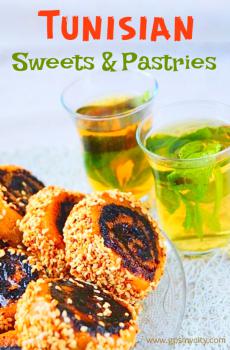
Tunisian Sweets and Pastries
No Tunisian meal is complete without a lavish dessert at the end. And Tunisians do take their sweets seriously, be it fresh seasonal fruits, cakes, fried almond pastries, ice cream, doughnuts or whatever else. Some of these delights have come from Turkey, brought by soldiers of the Ottoman army;...
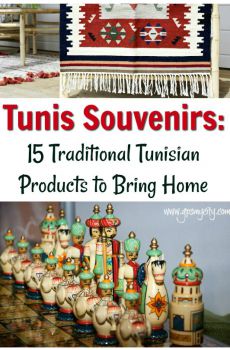
Tunis Souvenirs: 15 Authentic Tunisian Products for Avid Traveler
A historic crossroads of many civilizations and influences, - Berber, Spanish, French, - Tunisia is a treasure trove of mementos waiting for a knowledgeable traveler to be picked up. The Medina market of Tunis (the capital city) is one of the best places to shop for local handcrafts. To help...