

Spreuer Bridge, Lucerne (must see)
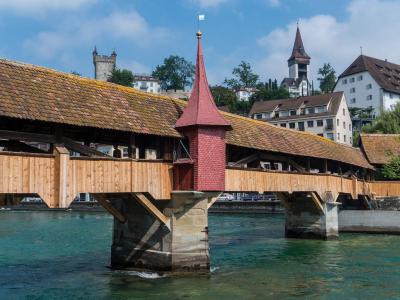
Spreuer Bridge is a covered wooden crossing that bends gently as it spans the river. Built in the early fifteenth century, it once served practical purposes connected to the nearby mills, allowing workers to dispose of chaff into the water, which gave the bridge its name. Its structure shows typical medieval carpentry: heavy beams, angled supports, and a low roof that protects the walkway from weather. The bridge’s slight curve follows the natural flow of the river rather than a straight architectural plan.
Inside the walkway, a sequence of triangular painted panels hangs beneath the roof ridge. Created in the seventeenth century, these paintings form a cycle centered on the Dance of Death, a theme that was common in European art during times of plague and conflict. Each panel pairs death with figures from different levels of society, using simple compositions and direct symbolism. The panels served as moral reminders for the community, presenting a message about shared fate and the fragility of status. Surviving works show their age through darker tones and worn surfaces, while replaced sections reflect careful restoration efforts.
At the midpoint stands a small chapel-like structure embedded into the bridge. This addition, built shortly after the bridge itself, was used for brief prayers and blessings connected to river work and nearby guild activities. Its wooden walls and narrow windows blend with the surrounding structure, but the carved details and small roof set it apart from the rest of the walkway. From here, the roof timbers are easy to study: broad rafters, cross-braces, and wooden pegs that show the joinery techniques of the period.
Continuing across, you can look out through the open sides of the bridge to see the river turning below and the arrangement of rooftops and walls along the banks. The repeating pattern of posts and beams frames the water in alternating light and shadow. The bridge’s combination of medieval carpentry, civic artistic tradition, and later restoration work provides a clear record of how a functional crossing became a visual narrative space.
Inside the walkway, a sequence of triangular painted panels hangs beneath the roof ridge. Created in the seventeenth century, these paintings form a cycle centered on the Dance of Death, a theme that was common in European art during times of plague and conflict. Each panel pairs death with figures from different levels of society, using simple compositions and direct symbolism. The panels served as moral reminders for the community, presenting a message about shared fate and the fragility of status. Surviving works show their age through darker tones and worn surfaces, while replaced sections reflect careful restoration efforts.
At the midpoint stands a small chapel-like structure embedded into the bridge. This addition, built shortly after the bridge itself, was used for brief prayers and blessings connected to river work and nearby guild activities. Its wooden walls and narrow windows blend with the surrounding structure, but the carved details and small roof set it apart from the rest of the walkway. From here, the roof timbers are easy to study: broad rafters, cross-braces, and wooden pegs that show the joinery techniques of the period.
Continuing across, you can look out through the open sides of the bridge to see the river turning below and the arrangement of rooftops and walls along the banks. The repeating pattern of posts and beams frames the water in alternating light and shadow. The bridge’s combination of medieval carpentry, civic artistic tradition, and later restoration work provides a clear record of how a functional crossing became a visual narrative space.
Want to visit this sight? Check out these Self-Guided Walking Tours in Lucerne. Alternatively, you can download the mobile app "GPSmyCity: Walks in 1K+ Cities" from Apple App Store or Google Play Store. The app turns your mobile device to a personal tour guide and it works offline, so no data plan is needed when traveling abroad.
Download The GPSmyCity App



Spreuer Bridge on Map
Sight Name: Spreuer Bridge
Sight Location: Lucerne, Switzerland (See walking tours in Lucerne)
Sight Type: Attraction/Landmark
Guide(s) Containing This Sight:
Sight Location: Lucerne, Switzerland (See walking tours in Lucerne)
Sight Type: Attraction/Landmark
Guide(s) Containing This Sight:
Nearby Sights

Walking Tours in Lucerne, Switzerland

Create Your Own Walk in Lucerne
Creating your own self-guided walk in Lucerne is easy and fun. Choose the city attractions that you want to see and a walk route map will be created just for you. You can even set your hotel as the start point of the walk.
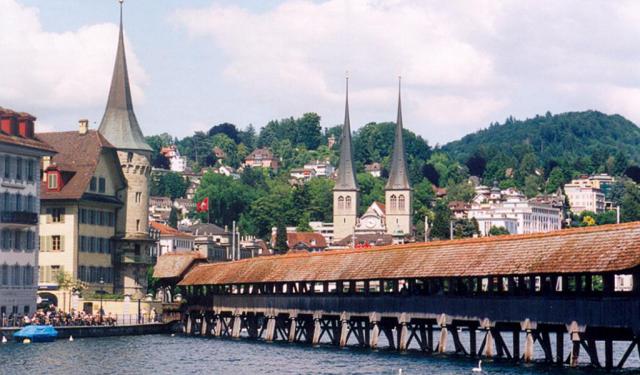
Lucerne's Architectural Jewels Walking Tour
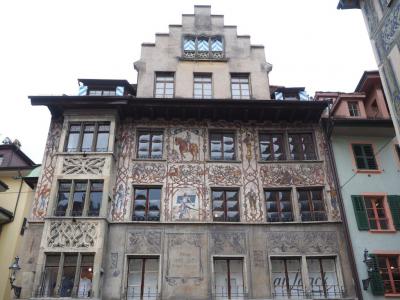
Lucerne’s long religious and cultural history is thoroughly reflected in its architecture, making the city one of Switzerland’s most popular destinations. As you walk through the city center, impressive buildings-from grand civic landmarks to old guild houses, churches, and historic bridges-appear almost naturally along the route.
One of the top local architectural attractions is... view more
Tour Duration: 2 Hour(s)
Travel Distance: 2.3 Km or 1.4 Miles
One of the top local architectural attractions is... view more
Tour Duration: 2 Hour(s)
Travel Distance: 2.3 Km or 1.4 Miles
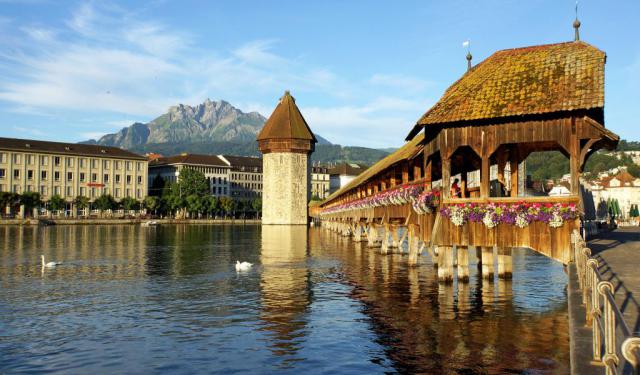
Lucerne Old Town Walking Tour
Lucerne has drawn travelers, writers, and musicians for centuries, often for simple reasons: the lake, the mountains, and a city center that’s easy to walk. Figures like the German composer Richard Wagner lived and worked here, and many 19th-century visitors wrote about Lucerne as a comfortable base for exploring central Switzerland. Their impressions still ring true today-Lucerne is... view more
Tour Duration: 2 Hour(s)
Travel Distance: 4.2 Km or 2.6 Miles
Tour Duration: 2 Hour(s)
Travel Distance: 4.2 Km or 2.6 Miles
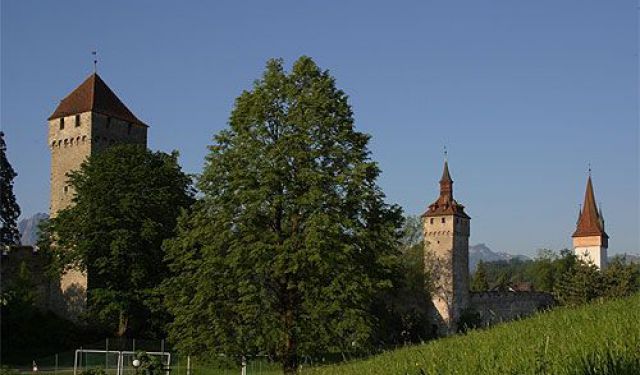
Lucerne's Towers Walking Tour
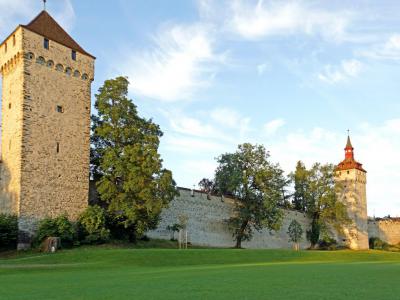
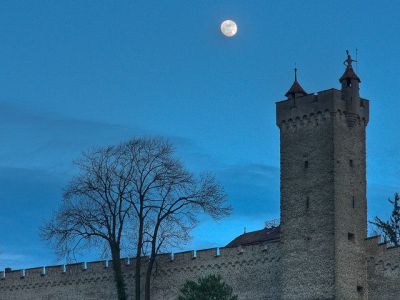
Rising high above Lucerne’s Old Town, the Musegg Wall is one of the city’s most distinctive landmarks. Its line of nine medieval towers forms a kind of stone crown above the rooftops, and from several points along the fortifications you can look out across the city, Lake Lucerne, the Reuss River, and the mountains beyond.
Built mainly during the 13th and 14th centuries, the wall stretches... view more
Tour Duration: 1 Hour(s)
Travel Distance: 1.0 Km or 0.6 Miles
Built mainly during the 13th and 14th centuries, the wall stretches... view more
Tour Duration: 1 Hour(s)
Travel Distance: 1.0 Km or 0.6 Miles