


St. Peter's Church, Nuremberg
Saint Peter's Church in Nuremberg is a striking example of Gothic architecture, distinguished by its welcoming and family-oriented exterior. Built in 1897, this Evangelical Lutheran Church was constructed as an extension of the earlier Saint Peter's Chapel. Throughout its history, particularly during the turbulent times of World War II, the church has undergone significant reconstructions, including a major rebuilding post-war.
Adjacent to Saint Peter’s Church is the historic Saint Peter's Cemetery. The former chapel within this cemetery, dating back to its endowment in 1440 by the patrician Gabriel Tetzel and completed in 1470, now serves as a protective repository for numerous historical treasures. These treasures, hidden during the war, highlight the church's crucial role in safeguarding important artifacts.
Despite severe bombings on January 2, 1945, which devastated many of Nuremberg's churches, Saint Peter’s sustained only slight damage and continues to house impressive art collections. The interior of the church is a testament to its historical and cultural significance, featuring a rich array of artworks that were concealed there during and after WWII until the church’s restoration.
The church's interior is adorned with a variety of artistic mediums. Frescoes, some original and others meticulously restored, decorate the walls, while the stone arches and columns add to the Gothic charm. The stained glass windows, with their mosaic-colored patterns, create stunning light effects that enhance the spiritual ambiance of the space.
Today, Saint Peter's Church remains a vital part of Nuremberg's heritage and a must-visit destination for those interested in history, architecture, and art. Its blend of historical resilience and cultural richness makes it a unique symbol of the community's enduring spirit.
Want to visit this sight? Check out these Self-Guided Walking Tours in Nuremberg. Alternatively, you can download the mobile app "GPSmyCity: Walks in 1K+ Cities" from Apple App Store or Google Play Store. The app turns your mobile device to a personal tour guide and it works offline, so no data plan is needed when traveling abroad.
Download The GPSmyCity App



St. Peter's Church on Map
Sight Name: St. Peter's Church
Sight Location: Nuremberg, Germany (See walking tours in Nuremberg)
Sight Type: Religious
Sight Location: Nuremberg, Germany (See walking tours in Nuremberg)
Sight Type: Religious
Nearby Sights



Walking Tours in Nuremberg, Germany
Create Your Own Walk in Nuremberg
Creating your own self-guided walk in Nuremberg is easy and fun. Choose the city attractions that you want to see and a walk route map will be created just for you. You can even set your hotel as the start point of the walk.
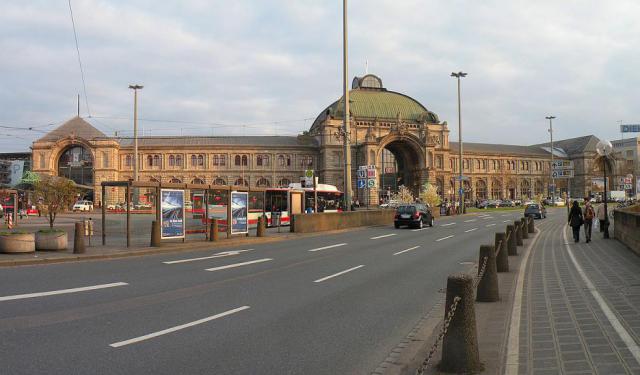
A Walk Through Nuremberg's Historical Old Town
American poet Henry Wadsworth Longfellow described Nuremberg as a “quaint old town of toil and traffic, quaint old town of art and song.”
Nuremberg has witnessed some of the most significant events in German history. For many people, the city is first associated with the rise of the Third Reich, the Nazi Party rallies, and the postwar trials of Nazi leaders. Indeed, Hitler regarded... view more
Tour Duration: 3 Hours
Travel Distance: 3.8 Km or 2.4 Miles
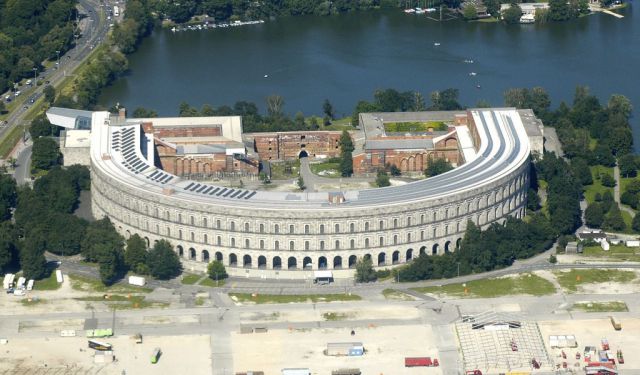
Hitler's Nuremberg Tour
Nuremberg’s association with Adolf Hitler and National Socialism is one of the darkest chapters in the city’s history. Although Nuremberg is known for its medieval architecture and storybook appearance, few German cities are as closely intertwined with the Nazi legacy. Hitler referred to it as the “City of the Party Rallies” and regarded it as a model for the ideal German city.
The... view more
Tour Duration: 2 Hours
Travel Distance: 4.9 Km or 3 Miles
The... view more
Tour Duration: 2 Hours
Travel Distance: 4.9 Km or 3 Miles
City Walks Overview
