

Luitpold Grove (Municipal Park), Nuremberg
Luitpold Grove, located in Nuremberg, is a park steeped in significant historical shifts and cultural evolutions. Originally established in 1906 for the Bavaria State Exhibition and named after Bavarian Prince Regent Luitpold, the area evolved considerably through the 20th century.
During the Weimar Republic era, the park saw the construction of the "Ehrenhalle" (Hall of Honour). However, its transformation was most profound in 1933 when the Nazis, under Adolf Hitler, reconfigured it into the "Luitpoldarena"-an 84,000 square meter strictly structured deployment area designed for massive Nazi rallies. These rallies were pivotal propaganda tools for the National Socialists, glorifying Hitler and featuring mass parades by the SA and SS, with attendances reaching up to 150,000. Central to these rallies was the ritualistic use of the "Blutfahne" (Blood flag), a Nazi relic allegedly from the Beer Hall Putsch, used to "consecrate" new flags.
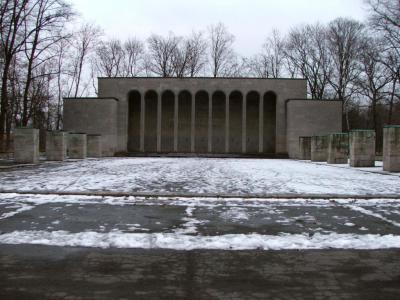
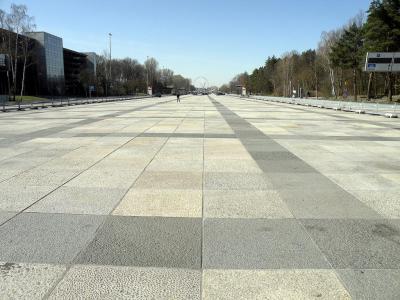
World War II brought partial destruction to these structures, and after 1945, the City of Nuremberg reclaimed the area, demolishing remaining Nazi-era buildings and returning them to a public park. While only the half-round terraces of the main grandstand remain visibly from its days as a rally ground, the park has been repurposed for peaceful and communal uses.
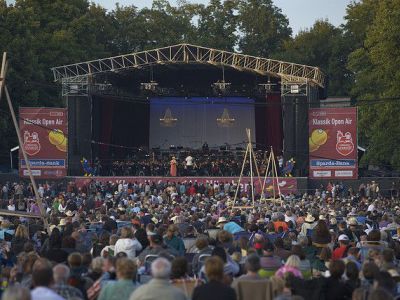
Today, Luitpold Grove serves as a vibrant public space hosting a variety of cultural events, including the Rock in the Park, Bardentreffen music festival, and Classic Open Air concerts, symbolizing a profound transformation from its historical use for political propaganda to a place of joy and community gathering.
During the Weimar Republic era, the park saw the construction of the "Ehrenhalle" (Hall of Honour). However, its transformation was most profound in 1933 when the Nazis, under Adolf Hitler, reconfigured it into the "Luitpoldarena"-an 84,000 square meter strictly structured deployment area designed for massive Nazi rallies. These rallies were pivotal propaganda tools for the National Socialists, glorifying Hitler and featuring mass parades by the SA and SS, with attendances reaching up to 150,000. Central to these rallies was the ritualistic use of the "Blutfahne" (Blood flag), a Nazi relic allegedly from the Beer Hall Putsch, used to "consecrate" new flags.
World War II brought partial destruction to these structures, and after 1945, the City of Nuremberg reclaimed the area, demolishing remaining Nazi-era buildings and returning them to a public park. While only the half-round terraces of the main grandstand remain visibly from its days as a rally ground, the park has been repurposed for peaceful and communal uses.
Today, Luitpold Grove serves as a vibrant public space hosting a variety of cultural events, including the Rock in the Park, Bardentreffen music festival, and Classic Open Air concerts, symbolizing a profound transformation from its historical use for political propaganda to a place of joy and community gathering.
Want to visit this sight? Check out these Self-Guided Walking Tours in Nuremberg. Alternatively, you can download the mobile app "GPSmyCity: Walks in 1K+ Cities" from Apple App Store or Google Play Store. The app turns your mobile device to a personal tour guide and it works offline, so no data plan is needed when traveling abroad.
Download The GPSmyCity App



Luitpold Grove (Municipal Park) on Map
Sight Name: Luitpold Grove (Municipal Park)
Sight Location: Nuremberg, Germany (See walking tours in Nuremberg)
Sight Type: Attraction/Landmark
Sight Location: Nuremberg, Germany (See walking tours in Nuremberg)
Sight Type: Attraction/Landmark
Nearby Sights
Walking Tours in Nuremberg, Germany

Create Your Own Walk in Nuremberg
Creating your own self-guided walk in Nuremberg is easy and fun. Choose the city attractions that you want to see and a walk route map will be created just for you. You can even set your hotel as the start point of the walk.
A Walk Through Nuremberg's Historical Old Town
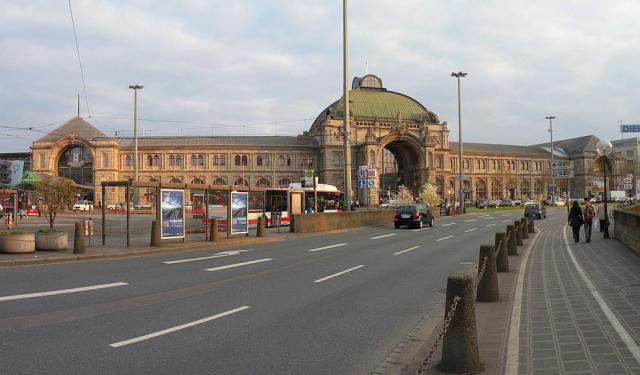
American poet Henry Wadsworth Longfellow described Nuremberg as a “quaint old town of toil and traffic, quaint old town of art and song.”
Nuremberg has witnessed some of the most significant events in German history. For many people, the city is first associated with the rise of the Third Reich, the Nazi Party rallies, and the postwar trials of Nazi leaders. Indeed, Hitler regarded... view more
Tour Duration: 3 Hour(s)
Travel Distance: 3.8 Km or 2.4 Miles
Nuremberg has witnessed some of the most significant events in German history. For many people, the city is first associated with the rise of the Third Reich, the Nazi Party rallies, and the postwar trials of Nazi leaders. Indeed, Hitler regarded... view more
Tour Duration: 3 Hour(s)
Travel Distance: 3.8 Km or 2.4 Miles
Hitler's Nuremberg Tour
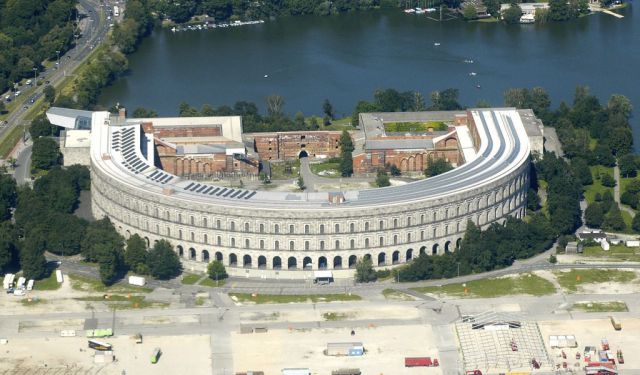
Nuremberg’s association with Adolf Hitler and National Socialism is one of the darkest chapters in the city’s history. Although Nuremberg is known for its medieval architecture and storybook appearance, few German cities are as closely intertwined with the Nazi legacy. Hitler referred to it as the “City of the Party Rallies” and regarded it as a model for the ideal German city.
The... view more
Tour Duration: 2 Hour(s)
Travel Distance: 4.9 Km or 3 Miles
The... view more
Tour Duration: 2 Hour(s)
Travel Distance: 4.9 Km or 3 Miles