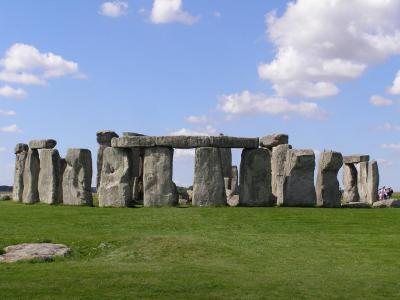


Stonehenge, Salisbury
Stonehenge is a prehistoric stone circle built in several stages between about 3000 and 1600 BC. Its exact purpose is still debated, but it was likely used for ceremonies, burials, and seasonal gatherings. The stones align with the summer solstice sunrise and winter solstice sunset, showing the importance of the sun in prehistoric life.
The monument’s construction shows remarkable skill. The builders shaped the stones with joints similar to woodworking, including mortise-and-tenon and tongue-and-groove fittings, to hold the lintels in place. Smaller bluestones were brought from Wales, a fact that echoes old legends claiming Merlin moved the stones by magic. Acoustic studies also suggest the original circle may have amplified sound inside while reducing noise from outside.
The wider landscape includes burial mounds, ceremonial avenues, pits, and other hidden features revealed by modern surveys. The sarsen stones also support more than 70 species of lichens, adding natural value to the site. In 1915, Cecil Chubb bought Stonehenge at auction and later gave it to the British public.
The monument’s construction shows remarkable skill. The builders shaped the stones with joints similar to woodworking, including mortise-and-tenon and tongue-and-groove fittings, to hold the lintels in place. Smaller bluestones were brought from Wales, a fact that echoes old legends claiming Merlin moved the stones by magic. Acoustic studies also suggest the original circle may have amplified sound inside while reducing noise from outside.
The wider landscape includes burial mounds, ceremonial avenues, pits, and other hidden features revealed by modern surveys. The sarsen stones also support more than 70 species of lichens, adding natural value to the site. In 1915, Cecil Chubb bought Stonehenge at auction and later gave it to the British public.
Want to visit this sight? Check out these Self-Guided Walking Tours in Salisbury. Alternatively, you can download the mobile app "GPSmyCity: Walks in 1K+ Cities" from Apple App Store or Google Play Store. The app turns your mobile device to a personal tour guide and it works offline, so no data plan is needed when traveling abroad.
Download The GPSmyCity App



Stonehenge on Map
Sight Name: Stonehenge
Sight Location: Salisbury, England (See walking tours in Salisbury)
Sight Type: Attraction/Landmark
Sight Location: Salisbury, England (See walking tours in Salisbury)
Sight Type: Attraction/Landmark
Nearby Sights
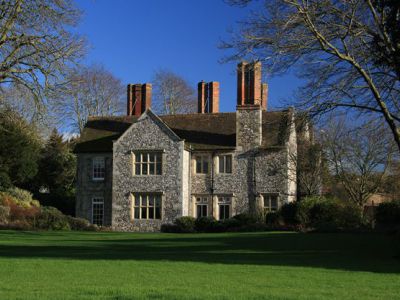
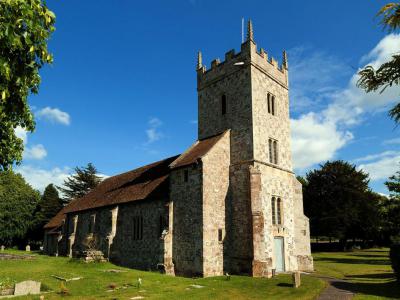
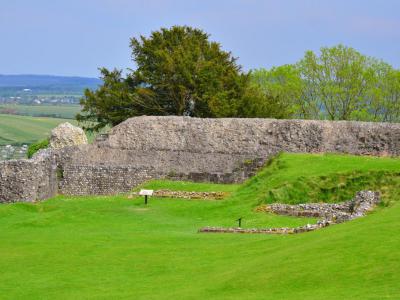

Walking Tours in Salisbury, England

Create Your Own Walk in Salisbury
Creating your own self-guided walk in Salisbury is easy and fun. Choose the city attractions that you want to see and a walk route map will be created just for you. You can even set your hotel as the start point of the walk.
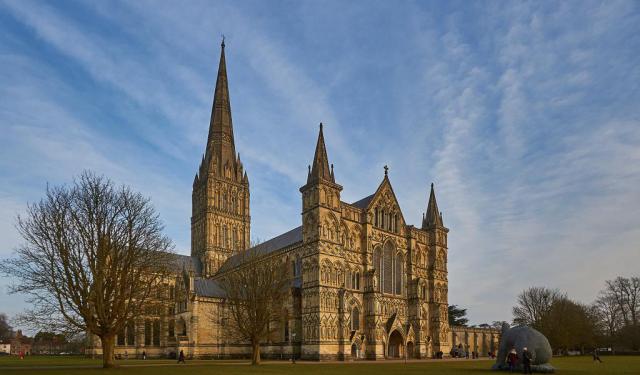
Salisbury City Center Walking Tour
Salisbury’s roots lie in Old Sarum, an Iron Age hillfort located about two miles from today’s city center. The Romans and Saxons each left their mark on this ancient settlement, which became a significant town by the 11th century. After the Norman Conquest in 1066, Old Sarum grew into a fortress town, hosting a castle and becoming the seat of the Salisbury Bishopric in 1075. Yet the site’s... view more
Tour Duration: 1 Hour
Travel Distance: 1.7 Km or 1.1 Miles
Tour Duration: 1 Hour
Travel Distance: 1.7 Km or 1.1 Miles
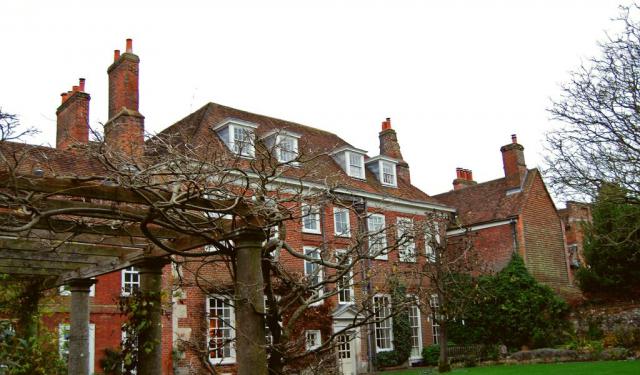
Discover Salisbury's Historical Houses
Founded more than 800 years ago, Salisbury understandably has a great number of historical, architectural, and cultural gems worthy of a visit. The medieval houses, churches, inns, and hospitals blend harmoniously with the modern sites of the city.
Your exploration of these treasures can be started at Trinity Hospital, a picturesque almshouse founded in the 14th century, offering a glimpse... view more
Tour Duration: 1 Hour
Travel Distance: 1.5 Km or 0.9 Miles
Your exploration of these treasures can be started at Trinity Hospital, a picturesque almshouse founded in the 14th century, offering a glimpse... view more
Tour Duration: 1 Hour
Travel Distance: 1.5 Km or 0.9 Miles
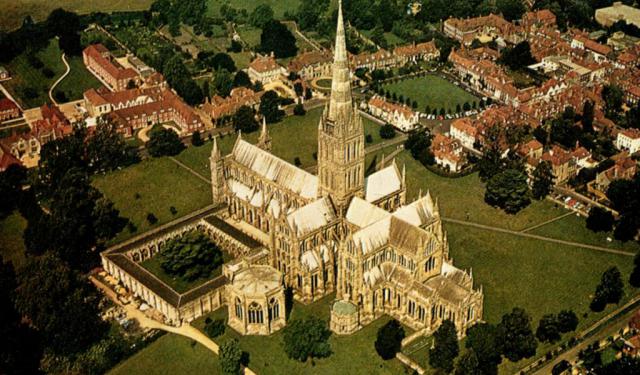
A Walking Guide of Salisbury's Cathedral Close
Salisbury Cathedral, apart from being renowned as the holder of Britain’s tallest spire, the world’s best preserved original copy of Magna Carta (1215) and Europe’s oldest working clock, is also famous for its Close, the largest in the country, measuring 80 acres (or 32 hectares).
The areas surrounding cathedrals' grounds, sometimes extending for hundreds of meters from the main... view more
Tour Duration: 1 Hour
Travel Distance: 1.2 Km or 0.7 Miles
The areas surrounding cathedrals' grounds, sometimes extending for hundreds of meters from the main... view more
Tour Duration: 1 Hour
Travel Distance: 1.2 Km or 0.7 Miles
City Walks Overview
