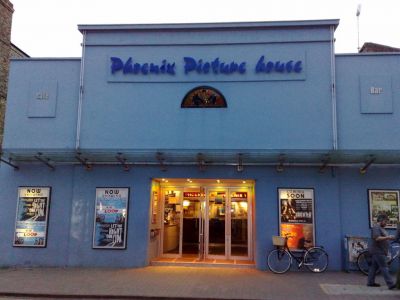


The Phoenix Picturehouse, Oxford
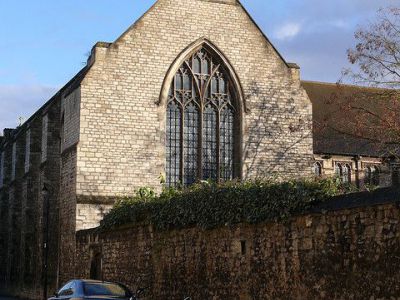
The Phoenix Picturehouse in Oxford boasts a rich history dating back to its inception in 1913 when it was first opened as the North Oxford Kinema in Walton Street. This early cinema was the brainchild of local architect Gilbert T. Gardner, who designed the building for proprietors Richard Henry John Bartlett, W Beeson, and Charles Green. In 1920, the cinema underwent its first transformation, being renamed the Scala.
The 1930s marked a significant technological advancement for the cinema with the installation of sound equipment. This addition broadened its appeal, particularly with foreign-language students, due to its regular showings of subtitled films. This feature was instrumental in establishing the cinema as a key destination for art-house films in the United Kingdom, particularly outside of London.
The 1970s ushered in further changes. The single auditorium was divided into two separate screens, named Studios One and Two. This structural change coincided with a change in ownership in 1977, which led to the cinema being renamed the Phoenix.
A pivotal moment in the cinema's history occurred in 1989 when it became the first member of what would grow into the Picturehouse family of cinemas. This affiliation marked a new era for the Phoenix, enhancing its reputation and influence in the cinema industry.
The final major development came in the 1990s with the addition of a bar, which completed the cinema's transformation to its current configuration. Throughout the years, the Phoenix Picturehouse has not only adapted to changing times and technologies but has also played a significant role in the cultural landscape of Oxford, continuing to be a beloved venue for film enthusiasts.
The 1930s marked a significant technological advancement for the cinema with the installation of sound equipment. This addition broadened its appeal, particularly with foreign-language students, due to its regular showings of subtitled films. This feature was instrumental in establishing the cinema as a key destination for art-house films in the United Kingdom, particularly outside of London.
The 1970s ushered in further changes. The single auditorium was divided into two separate screens, named Studios One and Two. This structural change coincided with a change in ownership in 1977, which led to the cinema being renamed the Phoenix.
A pivotal moment in the cinema's history occurred in 1989 when it became the first member of what would grow into the Picturehouse family of cinemas. This affiliation marked a new era for the Phoenix, enhancing its reputation and influence in the cinema industry.
The final major development came in the 1990s with the addition of a bar, which completed the cinema's transformation to its current configuration. Throughout the years, the Phoenix Picturehouse has not only adapted to changing times and technologies but has also played a significant role in the cultural landscape of Oxford, continuing to be a beloved venue for film enthusiasts.
Want to visit this sight? Check out these Self-Guided Walking Tours in Oxford. Alternatively, you can download the mobile app "GPSmyCity: Walks in 1K+ Cities" from Apple App Store or Google Play Store. The app turns your mobile device to a personal tour guide and it works offline, so no data plan is needed when traveling abroad.
Download The GPSmyCity App



The Phoenix Picturehouse on Map
Sight Name: The Phoenix Picturehouse
Sight Location: Oxford, England (See walking tours in Oxford)
Sight Type: Attraction/Landmark
Sight Location: Oxford, England (See walking tours in Oxford)
Sight Type: Attraction/Landmark
Nearby Sights




Walking Tours in Oxford, England

Create Your Own Walk in Oxford
Creating your own self-guided walk in Oxford is easy and fun. Choose the city attractions that you want to see and a walk route map will be created just for you. You can even set your hotel as the start point of the walk.
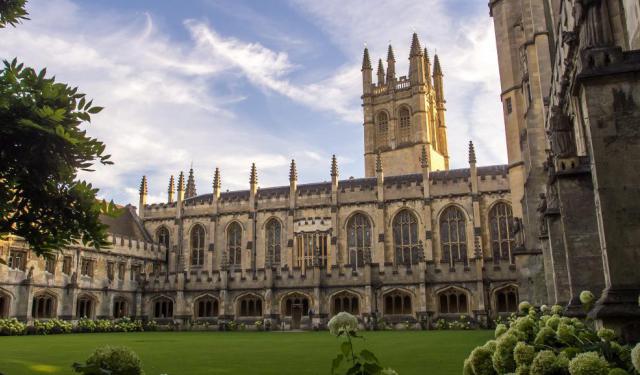
Colleges of Oxford University
During an 1862 summer boat ride along the River Thames, Oxford writer Lewis Carroll invented a fantastical story for Alice, the daughter of the dean of Christ Church, Oxford. That tale would later become Alice's Adventures in Wonderland.
Oxford’s colleges are the heart of the city’s identity, forming one of the oldest and most influential university communities in the world. Their... view more
Tour Duration: 1 Hour
Travel Distance: 1.5 Km or 0.9 Miles
Oxford’s colleges are the heart of the city’s identity, forming one of the oldest and most influential university communities in the world. Their... view more
Tour Duration: 1 Hour
Travel Distance: 1.5 Km or 0.9 Miles
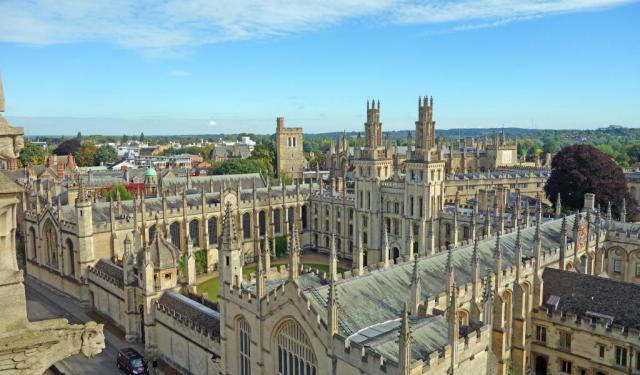
Oxford Downtown Walking Tour
Writer Oscar Wilde, who studied at Magdalen College, Oxford, once remarked that Oxford gave him “the most wonderful years” of his youth.
The city of Oxford has one of the longest and most layered histories in England. Its name comes from the Old English Oxenaforda, meaning “ford of the oxen,” referring to a shallow river crossing where cattle could pass through the water. This crossing... view more
Tour Duration: 2 Hours
Travel Distance: 3.5 Km or 2.2 Miles
The city of Oxford has one of the longest and most layered histories in England. Its name comes from the Old English Oxenaforda, meaning “ford of the oxen,” referring to a shallow river crossing where cattle could pass through the water. This crossing... view more
Tour Duration: 2 Hours
Travel Distance: 3.5 Km or 2.2 Miles

Harry Potter Walk in Oxford
Oxford’s connection with Harry Potter rests on a simple fact: the city already looked like Hogwarts before the cameras arrived. Long before it became associated with wands, robes, and moving staircases, Oxford was known for its medieval colleges, vaulted halls, cloisters, libraries, and enclosed quadrangles. For the filmmakers, it offered a real academic setting that needed little alteration to... view more
Tour Duration: 1 Hour
Travel Distance: 1 Km or 0.6 Miles
Tour Duration: 1 Hour
Travel Distance: 1 Km or 0.6 Miles
City Walks Overview
