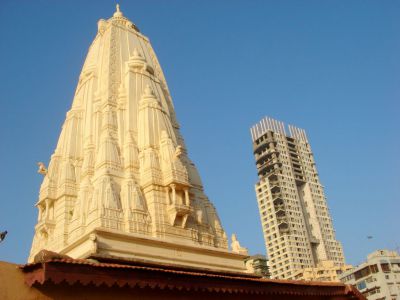


Walkeshwar Mandir Temple, Mumbai
The Walkeshwar Temple is dedicated to Shiva and holds an important place in the city’s religious traditions. Believed to have been first established during the rule of the Silhara dynasty between the 9th and 13th centuries, the temple is said to have been built under the patronage of Lakshman Prabhu, a minister in the king’s court.
According to legend from the Ramayana, the temple’s origins are connected with the god Rama. While traveling toward Lanka in search of his abducted wife Sita, Rama is believed to have paused at this spot and wished to worship Shiva. Unable to find a proper idol, he fashioned a lingam from sand and offered prayers. Because the lingam was made from sand, the deity became known as Walkeshwar, meaning “Lord of the Sand”, giving the temple its name.
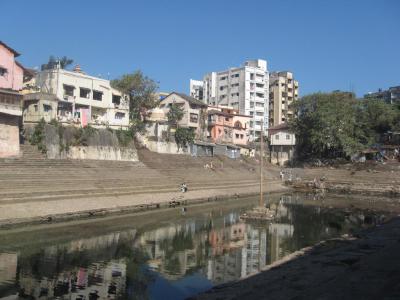
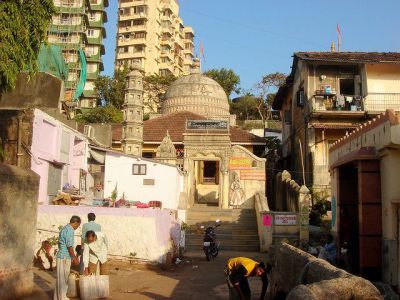
The temple seen today was rebuilt in the 18th century after the original structure was destroyed during earlier conflicts in the region. Around the temple lies a historic complex of smaller shrines, rest houses, and narrow lanes that lead down to Banganga Tank. This rectangular water reservoir is lined with stone steps and temples and has long been used for ritual bathing and religious ceremonies.
Local tradition holds that the water of Banganga Tank appeared when Rama’s brother Lakshmana shot an arrow into the ground to create a spring for the thirsty Rama. Even though the tank lies close to the sea, it is filled with fresh spring water.
According to legend from the Ramayana, the temple’s origins are connected with the god Rama. While traveling toward Lanka in search of his abducted wife Sita, Rama is believed to have paused at this spot and wished to worship Shiva. Unable to find a proper idol, he fashioned a lingam from sand and offered prayers. Because the lingam was made from sand, the deity became known as Walkeshwar, meaning “Lord of the Sand”, giving the temple its name.
The temple seen today was rebuilt in the 18th century after the original structure was destroyed during earlier conflicts in the region. Around the temple lies a historic complex of smaller shrines, rest houses, and narrow lanes that lead down to Banganga Tank. This rectangular water reservoir is lined with stone steps and temples and has long been used for ritual bathing and religious ceremonies.
Local tradition holds that the water of Banganga Tank appeared when Rama’s brother Lakshmana shot an arrow into the ground to create a spring for the thirsty Rama. Even though the tank lies close to the sea, it is filled with fresh spring water.
Want to visit this sight? Check out these Self-Guided Walking Tours in Mumbai. Alternatively, you can download the mobile app "GPSmyCity: Walks in 1K+ Cities" from Apple App Store or Google Play Store. The app turns your mobile device to a personal tour guide and it works offline, so no data plan is needed when traveling abroad.
Download The GPSmyCity App



Walkeshwar Mandir Temple on Map
Sight Name: Walkeshwar Mandir Temple
Sight Location: Mumbai, India (See walking tours in Mumbai)
Sight Type: Religious
Guide(s) Containing This Sight:
Sight Location: Mumbai, India (See walking tours in Mumbai)
Sight Type: Religious
Guide(s) Containing This Sight:
Nearby Sights
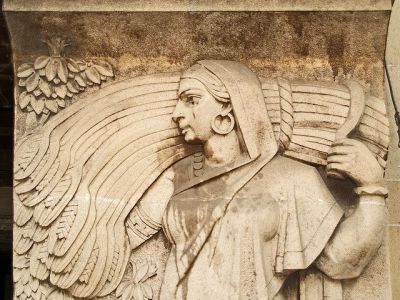
Walking Tours in Mumbai, India

Create Your Own Walk in Mumbai
Creating your own self-guided walk in Mumbai is easy and fun. Choose the city attractions that you want to see and a walk route map will be created just for you. You can even set your hotel as the start point of the walk.
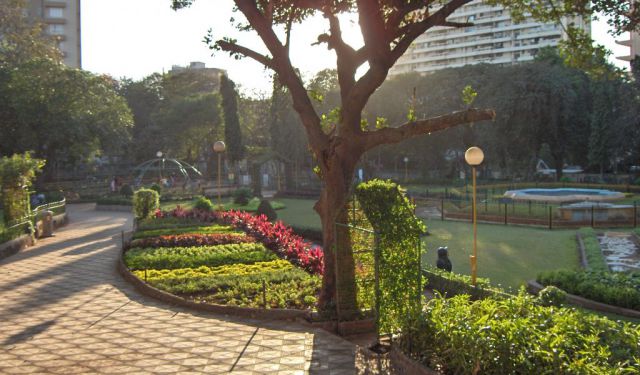
Malabar Hill Walking Tour
When the American writer Mark Twain arrived in Bombay during his world lecture tour, the view from Malabar Hill left a strong impression. In his travel book “Following the Equator”, he admired the city’s coastal setting, describing Mumbai as “by far the handsomest city in India”.
Malabar Hill is one of Mumbai’s most historic and prestigious neighborhoods, rising above the western... view more
Tour Duration: 2 Hour(s)
Travel Distance: 3.4 Km or 2.1 Miles
Malabar Hill is one of Mumbai’s most historic and prestigious neighborhoods, rising above the western... view more
Tour Duration: 2 Hour(s)
Travel Distance: 3.4 Km or 2.1 Miles
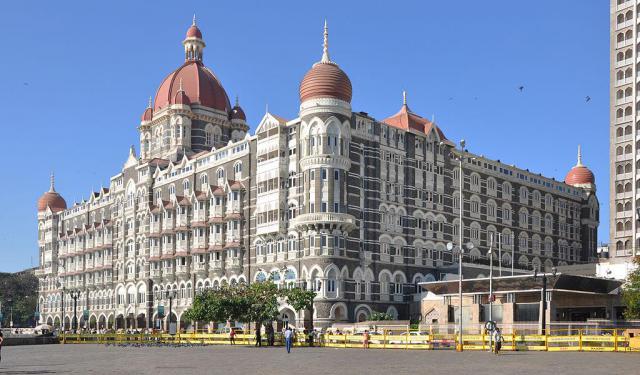
Mumbai Downtown Walking Tour
English writer Rudyard Kipling, who was born in Bombay in 1865, famously called it “the Mother of Cities”, a place that absorbs people from everywhere and keeps giving birth to new lives, ambitions, and contradictions.
Long before it became India’s largest city, the area consisted of seven low-lying islands along the Konkan coast, inhabited by fishing communities known as the Kolis.... view more
Tour Duration: 2 Hour(s)
Travel Distance: 3.9 Km or 2.4 Miles
Long before it became India’s largest city, the area consisted of seven low-lying islands along the Konkan coast, inhabited by fishing communities known as the Kolis.... view more
Tour Duration: 2 Hour(s)
Travel Distance: 3.9 Km or 2.4 Miles
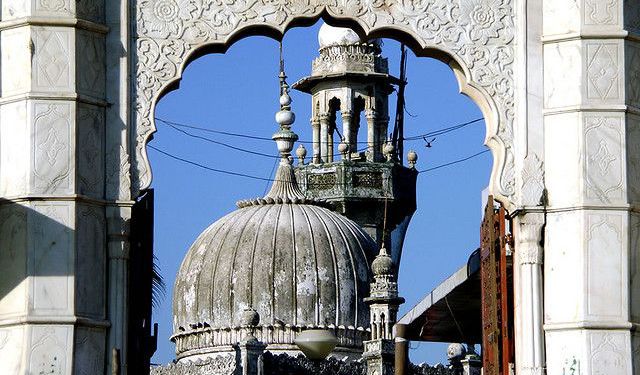
Mumbai's Historical Churches
The seven islands that later formed Mumbai were originally inhabited by Marathi-speaking Koli fishing communities, whose primary religion was Hinduism. Over time, the city’s strategic coastal position attracted traders and settlers from across the Indian Ocean world. Muslim communities became established through maritime trade and later expanded during the period of Mughal influence. Today,... view more
Tour Duration: 2 Hour(s)
Travel Distance: 3.8 Km or 2.4 Miles
Tour Duration: 2 Hour(s)
Travel Distance: 3.8 Km or 2.4 Miles
Useful Travel Guides for Planning Your Trip
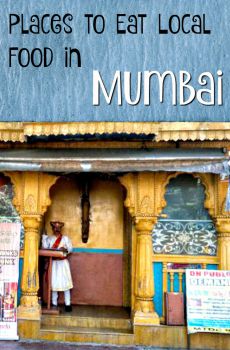
Places to Eat Local Food in Mumbai
As its said, in a city like Mumbai, anybody wanting a good meal any time of the day, there’s always a rush and a stomach will always be fed. Whether its a quick bite or to indulge yourself, there is a plethora of tastes and flavours, 24/7, vying to satiate your taste buds. Multifaceted,...

Mumbai Shopping: 16 Souvenir Ideas for Travelers
In India, a foreigner can't get far without insider knowledge, whether it's for souvenir shopping or something else. Mumbai (formerly known as Bombay) is by far the most popular and the largest of Indian cities, teeming with a plethora of things representative of India's millenia-long...