

White House, Warsaw
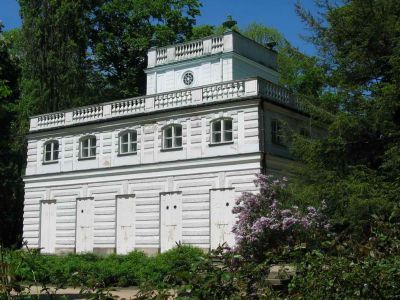
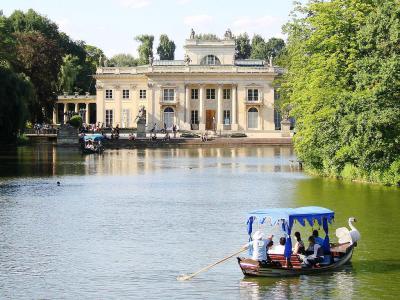
The White House (Biały Domek) is a historically significant garden villa located in Warsaw. It was constructed between 1774 and 1776 by the renowned Italian architect Domenico Merlini. This charming villa has a rich history and has played host to various notable residents over the years.
The villa's architectural design is characterized by its square shape, featuring identical facades adorned with rustication, an attic, and a small pavilion at the top. These architectural elements contribute to the villa's elegant and harmonious appearance. The White House stands as a fine example of 18th-century architecture in Poland.
One of the villa's most intriguing historical aspects is its association with Stanisław August Poniatowski, the last King of Poland before the country's partition. The villa served as the residence for his mistress during his reign. Additionally, the White House holds the distinction of being the temporary abode of Louis XVIII, the exiled King of France, who resided here from 1801 to 1805.
Inside the villa, visitors can appreciate the artistic and historical significance of its interiors, which were adorned by prominent Polish painters of the time, Jan Ścisło and Jan Bogumił Plersch. Despite the devastation it endured during World War II at the hands of the Germans, many original interior furnishings have been preserved, providing a glimpse into the villa's past grandeur.
Some of the noteworthy interior elements include the grotesque paintings in the dining room, an 18th-century Chinese wallpaper in the Parlor, the king's bed in the bedchamber, and a cabinet designed in the form of an arbor, featuring paintings by Jan Bogumił Plersch.
The villa's architectural design is characterized by its square shape, featuring identical facades adorned with rustication, an attic, and a small pavilion at the top. These architectural elements contribute to the villa's elegant and harmonious appearance. The White House stands as a fine example of 18th-century architecture in Poland.
One of the villa's most intriguing historical aspects is its association with Stanisław August Poniatowski, the last King of Poland before the country's partition. The villa served as the residence for his mistress during his reign. Additionally, the White House holds the distinction of being the temporary abode of Louis XVIII, the exiled King of France, who resided here from 1801 to 1805.
Inside the villa, visitors can appreciate the artistic and historical significance of its interiors, which were adorned by prominent Polish painters of the time, Jan Ścisło and Jan Bogumił Plersch. Despite the devastation it endured during World War II at the hands of the Germans, many original interior furnishings have been preserved, providing a glimpse into the villa's past grandeur.
Some of the noteworthy interior elements include the grotesque paintings in the dining room, an 18th-century Chinese wallpaper in the Parlor, the king's bed in the bedchamber, and a cabinet designed in the form of an arbor, featuring paintings by Jan Bogumił Plersch.
Want to visit this sight? Check out these Self-Guided Walking Tours in Warsaw. Alternatively, you can download the mobile app "GPSmyCity: Walks in 1K+ Cities" from Apple App Store or Google Play Store. The app turns your mobile device to a personal tour guide and it works offline, so no data plan is needed when traveling abroad.
Download The GPSmyCity App



White House on Map
Sight Name: White House
Sight Location: Warsaw, Poland (See walking tours in Warsaw)
Sight Type: Attraction/Landmark
Sight Location: Warsaw, Poland (See walking tours in Warsaw)
Sight Type: Attraction/Landmark
Nearby Sights

Walking Tours in Warsaw, Poland

Create Your Own Walk in Warsaw
Creating your own self-guided walk in Warsaw is easy and fun. Choose the city attractions that you want to see and a walk route map will be created just for you. You can even set your hotel as the start point of the walk.
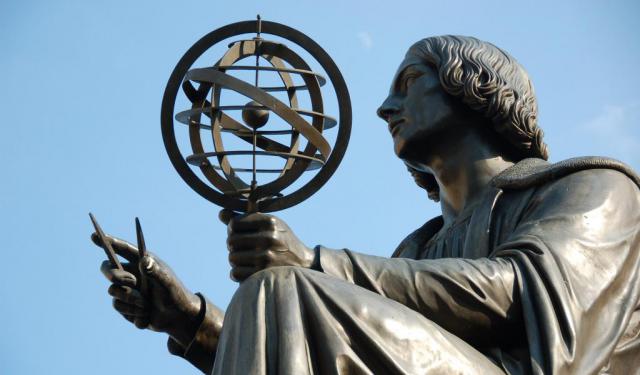
Monuments and Statues
The capital city of a proud nation such as Poland, Warsaw is abundant with monuments of various sorts, dedicated to celebrated personalities and those who made a mark in the history of the country.
Some of these landmarks serve as reminders of the city's resilience and the enduring spirit of its people. Among them are the Jan Kiliński Monument commemorating a hero of the 1794 Kosciuszko... view more
Tour Duration: 2 Hour(s)
Travel Distance: 2.9 Km or 1.8 Miles
Some of these landmarks serve as reminders of the city's resilience and the enduring spirit of its people. Among them are the Jan Kiliński Monument commemorating a hero of the 1794 Kosciuszko... view more
Tour Duration: 2 Hour(s)
Travel Distance: 2.9 Km or 1.8 Miles
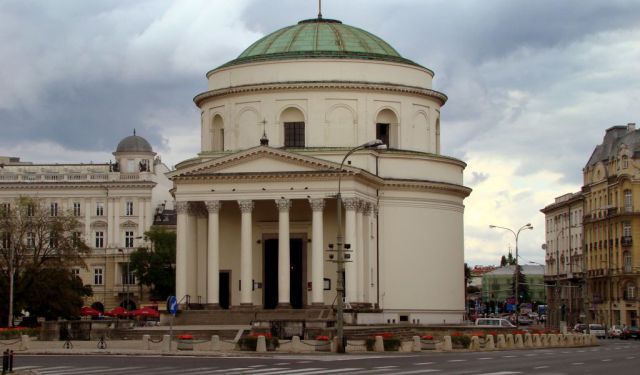
Warsaw's Historical Churches
Given that Poland is one of the most religious countries in Europe – with Roman Catholicism being the dominant faith here since the Baptism of Poland in 966, – it is not at all surprising that Warsaw is home to many centuries-old churches and cathedrals. While reflecting the city's deep-rooted religious and cultural heritage, some of these historical temples are also magnificent... view more
Tour Duration: 1 Hour(s)
Travel Distance: 1.4 Km or 0.9 Miles
Tour Duration: 1 Hour(s)
Travel Distance: 1.4 Km or 0.9 Miles
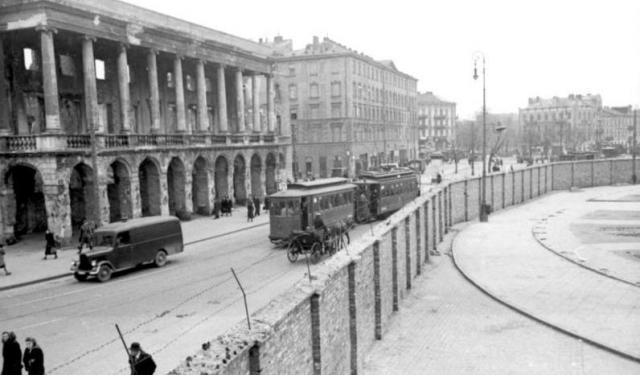
Jewish Warsaw Walking Tour
Once abundant, the Jewish population of Warsaw has left a profound mark on the city. Nowadays, walking along the peaceful streets of Poland's capital, it is hard to imagine that during World War II thousands of Jews were herded here and forced into cattle cars to meet their end in the Nazi concentration camps.
At the heart of this tragic chapter of Warsaw's Jewish history lies the... view more
Tour Duration: 2 Hour(s)
Travel Distance: 4.7 Km or 2.9 Miles
At the heart of this tragic chapter of Warsaw's Jewish history lies the... view more
Tour Duration: 2 Hour(s)
Travel Distance: 4.7 Km or 2.9 Miles
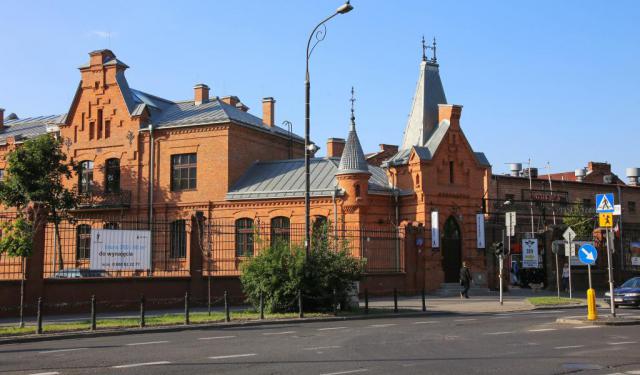
Praga District Walking Tour
Praga-not to be confused with Prague, the capital of the Czech Republic-is one of Warsaw’s oldest districts, stretching along the eastern bank of the Vistula River. For decades, it remained in the shadow of the reconstructed Old Town across the river. Its worn tenements, courtyards, workshops, and traces of pre-war Warsaw gave the district a rough reputation, but also helped preserve a character... view more
Tour Duration: 1 Hour(s)
Travel Distance: 2.1 Km or 1.3 Miles
Tour Duration: 1 Hour(s)
Travel Distance: 2.1 Km or 1.3 Miles
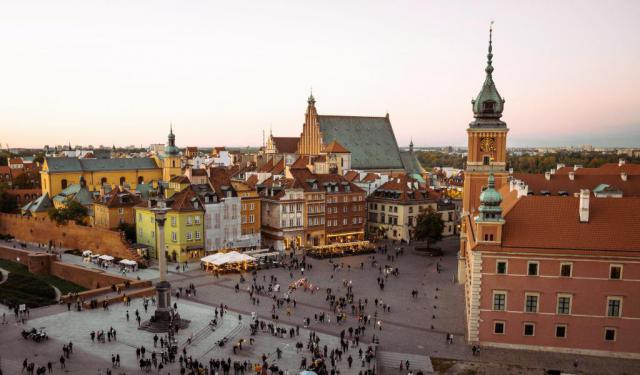
Warsaw Old Town Walking Tour
Warsaw, the dynamic capital of Poland, is a city where centuries of royal heritage stand alongside remarkable stories of resilience and renewal. The city's name is traditionally linked to the legend of Wars and Sawa, a fisherman and a mermaid whose hospitality and kindness inspired the settlement that eventually became Warsaw. The mermaid, known as Syrenka in Polish, remains the city's... view more
Tour Duration: 2 Hour(s)
Travel Distance: 2.7 Km or 1.7 Miles
Tour Duration: 2 Hour(s)
Travel Distance: 2.7 Km or 1.7 Miles
Useful Travel Guides for Planning Your Trip

15 Distinctively Polish Things to Buy in Warsaw
A country with a great deal of taste and turbulent history, Poland has a lot to offer those with the eyes to see and mouth to savor. And Warsaw is, perhaps, the best place to find all things Polish brought together. Here's the list of the most distinctive Polish goods, caringly drawn by a...