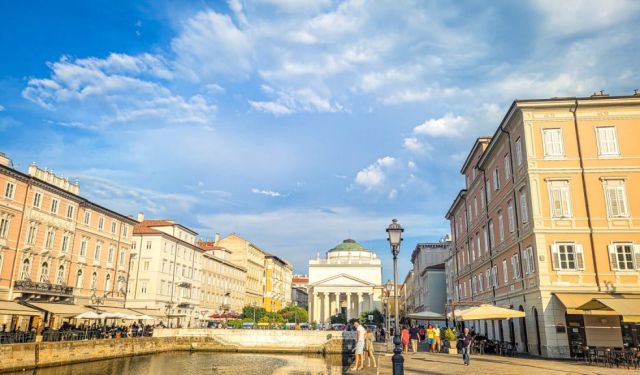


Monumental Highlights of Trieste, Trieste, Italy
Trieste is located at the northeastern border in Italy. It’s the location where the Adriatic Sea connects with the hills of Slovenia. Trieste is a city that combines Italian charm with Central European elegance. The city is overlooked by many tourists because they favour other Italian city such as Venice, Padova and Bologna.
With the monumental highlights of Trieste I will tell you more about the history, architecture and culture of this historical city. The city is known for the eclectic mix of Italian, Austrian, and Slavic influences. And of course an impressive waterfront with stunning views.
The Palazzo Gopcevich in Trieste is an elegant example of 19th-century architecture. The palace is built in the mid-1800s for the wealthy Gopcevich family. They were a prominent Slavic merchant family. The palace has a mix of Neoclassical and Baroque Revival style. This mix is typical of Trieste’s architectural evolution during the Austro-Hungarian period. The grand façade is decorated with decorative stonework. The interior has rooms with impressive furnishings and stunning frescoes. Over the years, the palace has served various purposes, including a cultural centre.
The Palazzo Carciotti in Trieste is a beautiful example of neoclassical architecture. This palace is built in the early 19th century for the wealthy Carciotti family. They were influential persons in trading and banking sector. The palace has a façade with symmetrical lines, large windows, and elegant decorative elements. All these elements are typical of the neoclassical style. The palace’s central location and historical significance make it a notable architectural landmark in Trieste. The palace used to be symbol of the city’s prosperity during the Austro-Hungarian time. Now it is a venue for cultural events and exhibitions. ...... (follow the instructions below for accessing the rest of this article).
With the monumental highlights of Trieste I will tell you more about the history, architecture and culture of this historical city. The city is known for the eclectic mix of Italian, Austrian, and Slavic influences. And of course an impressive waterfront with stunning views.
The Palazzo Gopcevich in Trieste is an elegant example of 19th-century architecture. The palace is built in the mid-1800s for the wealthy Gopcevich family. They were a prominent Slavic merchant family. The palace has a mix of Neoclassical and Baroque Revival style. This mix is typical of Trieste’s architectural evolution during the Austro-Hungarian period. The grand façade is decorated with decorative stonework. The interior has rooms with impressive furnishings and stunning frescoes. Over the years, the palace has served various purposes, including a cultural centre.
The Palazzo Carciotti in Trieste is a beautiful example of neoclassical architecture. This palace is built in the early 19th century for the wealthy Carciotti family. They were influential persons in trading and banking sector. The palace has a façade with symmetrical lines, large windows, and elegant decorative elements. All these elements are typical of the neoclassical style. The palace’s central location and historical significance make it a notable architectural landmark in Trieste. The palace used to be symbol of the city’s prosperity during the Austro-Hungarian time. Now it is a venue for cultural events and exhibitions. ...... (follow the instructions below for accessing the rest of this article).
How it works: The full article is featured in the app "GPSmyCity: Walks in 1K+ Cities" on Apple App Store and Google Play Store.
Download the app to your mobile device to read the article offline and create a self-guided walking tour to visit the sights featured in this article. The app's navigation functions guide you from one sight to the next. The app works offline, so no data plan is needed when traveling abroad.
Download The GPSmyCity App



Sights Featured in This Article
Guide Name: Monumental Highlights of Trieste
Guide Location: Italy » Trieste
Guide Type: Self-guided Walking Tour (Insider Tips)
Author: Adriana Machielsen
Read it on Author's Website: https://intheworldsjungle.com/monumental-highlights-of-trieste/
Sight(s) Featured in This Guide:
Guide Location: Italy » Trieste
Guide Type: Self-guided Walking Tour (Insider Tips)
Author: Adriana Machielsen
Read it on Author's Website: https://intheworldsjungle.com/monumental-highlights-of-trieste/
Sight(s) Featured in This Guide:
- Palazzo Gopcevich
- Palazzo Carciotti
- Canal Grande
- Church of Sant’Antonio Nuovo
- Giant’s Stairway
- Castello di San Giusto
- Teatro Romano di Trieste
- Giardino di Via San Michele
- Arco di Riccardo
- Unity of Italy square
- Cycle the Giordano Cottur
- Castello di Miramare
Insider Tips for Trieste, Italy
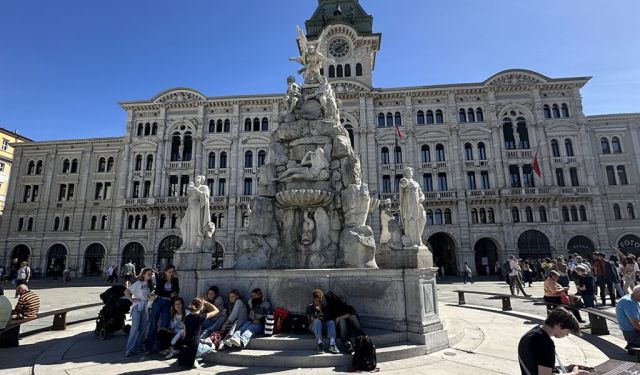
Self-Guided Walking Tour of Trieste Italy: From Canal to Sea
Trieste, Italy, is a city you understand on foot. Start at the canal, follow the footsteps of writers, and end at the grand square where the city meets the Adriatic.
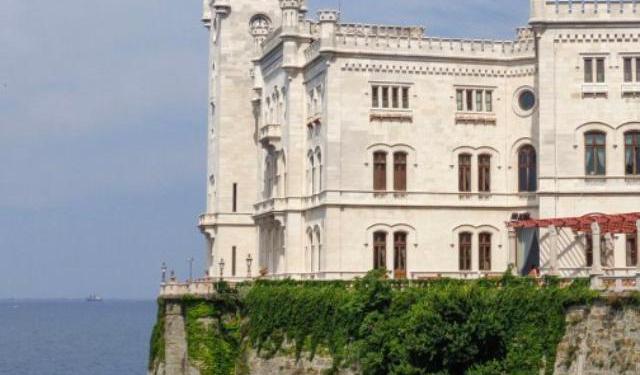
7 Essential Sights to See in Trieste, Italy
Whether you explore its ancient roots, the city’s love for coffee or its Austrian architecture, it’s an easy city to admire. Plus, there are plenty more sights to see than what I’m sharing here.
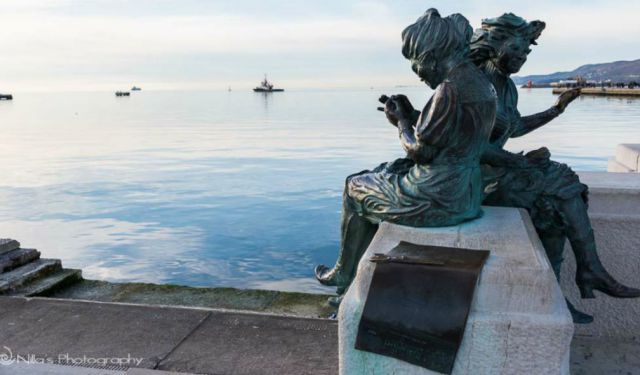
Trieste in a Day: North-Eastern Italy
With only a day to spare, this will have to be enough time to explore Trieste, Italy’s north-eastern port city. A leisurely day in Trieste sounded like an excellent way of escaping the hoards in Venice on the last day of Carnivale.
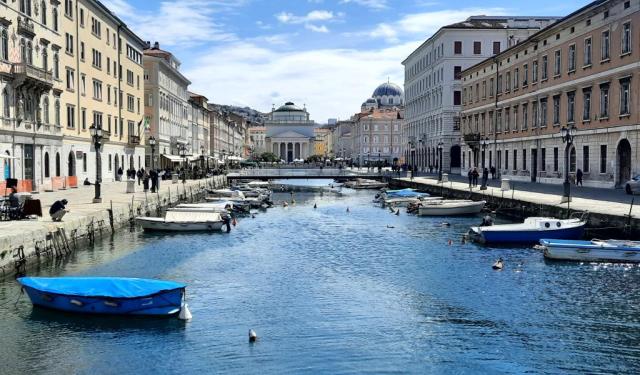
A Few Days in Trieste
Trieste is a very Viennese or rather very Austro-Hungarian small city in Northern Italy, next to the Slovenian border. It is a gem to be discovered and enjoyed. A well-preserved old town that combines the central European style with its Roman origins and the sea.
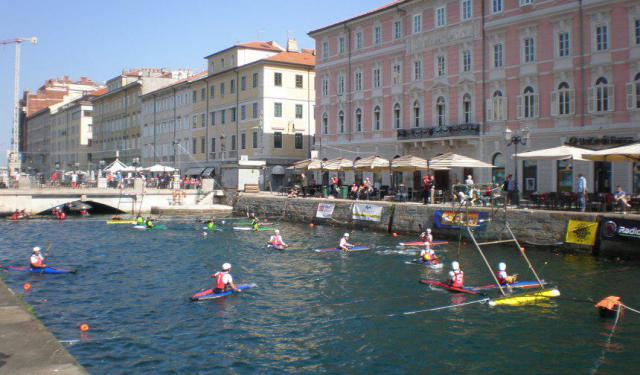
Sunday in Trieste
What better way to spend Sunday than by eating cakes in some of Trieste’s oldest cafes? My best friend M. and I went on a day trip to Trieste, Italy with the sole purpose of enjoying ourselves.
Insider Tips Overview
