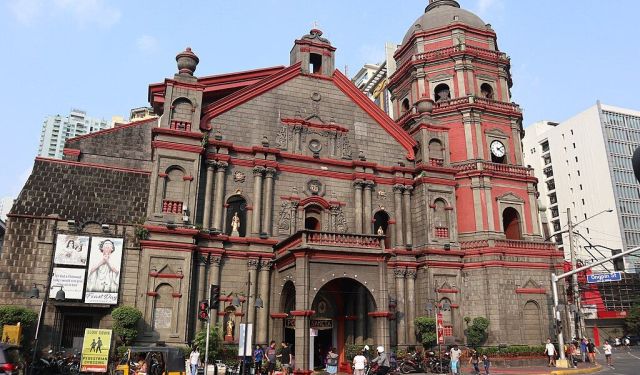


A Guide to Manila’s Chinatown: Binondo, Tondo & Santa Cruz, Manila, Philippines
Set in the Binondo area, this area was already a major hub for commercial activities by the Chinese immigrants, even before the Spaniards officially designated this area as the city’s Chinatown back in the year of 1594.
While Binondo is the core of Manila’s Chinatown, the influence of Binondo has grown towards its surrounding neighborhoods as well. Most prominently, you can sense the Chinese influences in the Tondo and Santa Cruz area. There are also noticeable Chinese influences in Quiapo and San Nicolas as well, though this guide does not focus on the latter two.
This guide will walk you through the key sites which can be visited while you are exploring the Chinatown of Manila. Without further ado…
The beautiful Jones Bridge is a major landmark that signifies your official crossing across the Pasig River from the Ermita district into the Binondo area.
Originally built in the year of 1910s, the Jones Bridge is named after the United States legislator William Atkinson Jones, who had previously exercised jurisdiction over the country of Philippines.
Built in the year of 1914, the El Hogar Filipino Building is one of the earliest skyscrapers in the city of Manila. The building is designed with architectural elements of Beaux Arts, Neo Classical and Renaissance styles. ...... (follow the instructions below for accessing the rest of this article).
How it works: The full article is featured in the app "GPSmyCity: Walks in 1K+ Cities" on Apple App Store and Google Play Store.
Download the app to your mobile device to read the article offline and create a self-guided walking tour to visit the sights featured in this article. The app's navigation functions guide you from one sight to the next. The app works offline, so no data plan is needed when traveling abroad.
Download The GPSmyCity App



Sights Featured in This Article
Guide Name: A Guide to Manila’s Chinatown: Binondo, Tondo & Santa Cruz
Guide Location: Philippines » Manila
Guide Type: Self-guided Walking Tour (Insider Tips)
Author: Andrew Darwitan
Read it on Author's Website: https://scarletscribs.wordpress.com/2025/05/14/a-guide-to-manilas-chinatown-binondo-tondo-santa-cruz/
Sight(s) Featured in This Guide:
Guide Location: Philippines » Manila
Guide Type: Self-guided Walking Tour (Insider Tips)
Author: Andrew Darwitan
Read it on Author's Website: https://scarletscribs.wordpress.com/2025/05/14/a-guide-to-manilas-chinatown-binondo-tondo-santa-cruz/
Sight(s) Featured in This Guide:
- Jones Bridge
- El Hogar Filipino Building
- Binondo Chinatown Arch
- Calvo Building
- Minor Basilica and National Shrine of Saint Lorenzo Ruiz
- Plaza San Lorenzo Ruiz
- Ongpin Street
- Salazar Street
- Seng Guan Temple & Hall of Medicine Buddha
- Arranque Market
- Teng Hai Temple
- Arch of Goodwill
- Minor Basilica of Our Lady of the Pillar – Santa Cruz Parish (Archdiocese of Manila)
- Don Roman Santos Building
- Regina Building
Insider Tips for Manila, Philippines
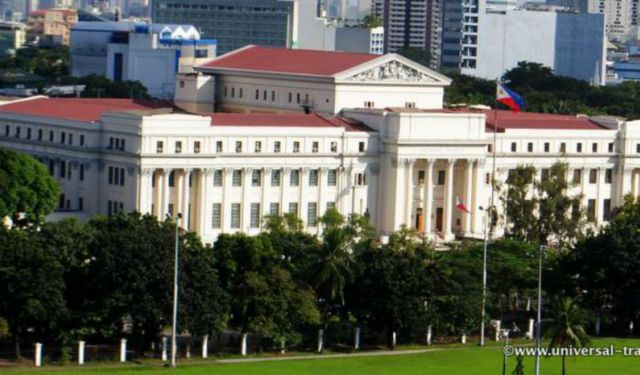
19 Best Things to Do in Manila Philippines
Is there a convincing reason why people should visit Philippines’ capital city Manila? Well, despite some negative reviews on the internet, there are more advantages why local and foreign tourists need to give Manila a chance.
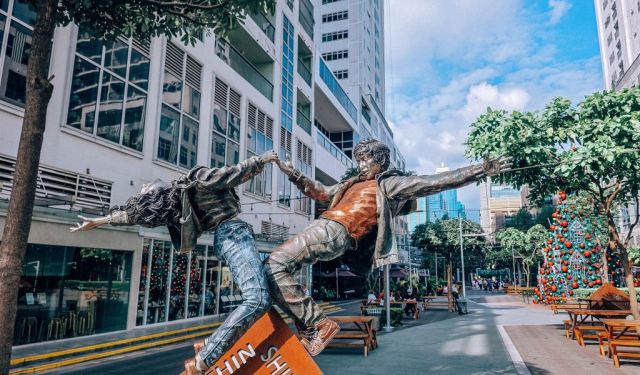
2 Days in Manila: Exploring Beyond the First Impressions
2 days in Manila didn’t begin with love at first sight. I was exhausted after a long flight from Doha, but instead of collapsing at the hotel, we went for a walk around the Makati neighborhood before our evening flight to Brunei. We returned to Manila later.
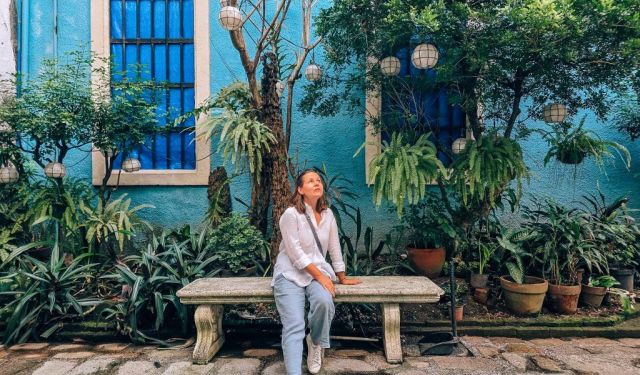
What to Do in Intramuros: Walking Tours, Museums, and Secret
Intramuros was on top of our list during our 2 days in Manila. If you only have a short time in Manila, there’s one place you absolutely shouldn’t skip: Intramuros. This walled city is the heart of the capital’s history, where cobblestone streets, centuries-old churches, and historic forts tell the story of the Philippines like nowhere else. There are more places worth seeing in Manila, but... view more
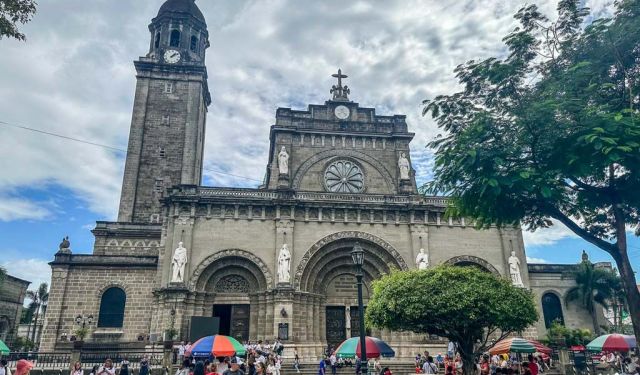
1 Day in Manila: A Perfect Itinerary for First-Time Visitors
Visiting Manila for the first time? The bustling capital of the Philippines is a vibrant mix of history, culture, and modernity. If you only have 1 day in Manila, don’t worry! This guide is crafted specifically for first-time visitors to help you experience the city’s highlights and immerse yourself in its unique charm. From centuries-old landmarks to delicious local food, this itinerary... view more
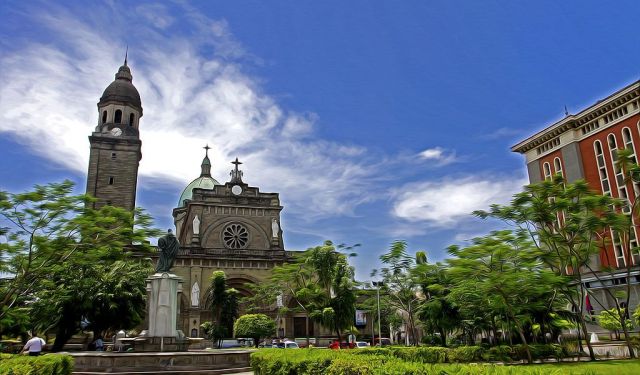
An In-Depth Guide to Manila’s Intramuros
For visitors travelling into the city of Manila, there is little question that the Intramuros neighbourhood is one of the most picturesque neighbourhoods in all of the city.
Intramuros is entirely surrounded by fortifications which were built as the seat of government during the Spanish colonial times, which if you speak Spanish also gave the area its name which basically translates to “within... view more
Intramuros is entirely surrounded by fortifications which were built as the seat of government during the Spanish colonial times, which if you speak Spanish also gave the area its name which basically translates to “within... view more

My My My My Manila!
We had two stints in Manila. First, when we touched down in the capital city after our Cebu experience for the Christmas holidays and again after we returned from our time up north in Segada.
During both stints we got to enjoy time with Francesca's relatives on both sides of the family. We had went to a Christmas party at the beautiful home of Paolo Costanza and counted down the new years with... view more
During both stints we got to enjoy time with Francesca's relatives on both sides of the family. We had went to a Christmas party at the beautiful home of Paolo Costanza and counted down the new years with... view more
Useful Travel Guides for Planning Your Trip
Manila Shopping: 20 Filipino Goods To Bring Home
An archipelago of 7,000+ islands, The Philippines is a diverse nation populated by different tribes, each having their own culture and traditions. In Manila, one can find a whole lot of things worth keeping as a Filipino memento; it just might take one a little while to figure out what's best...
Insider Tips Overview
