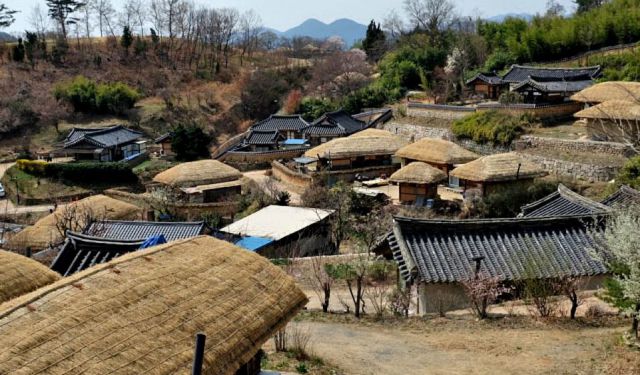


Gyeongju Yangdong Historic Village, Gyeongju, South Korea
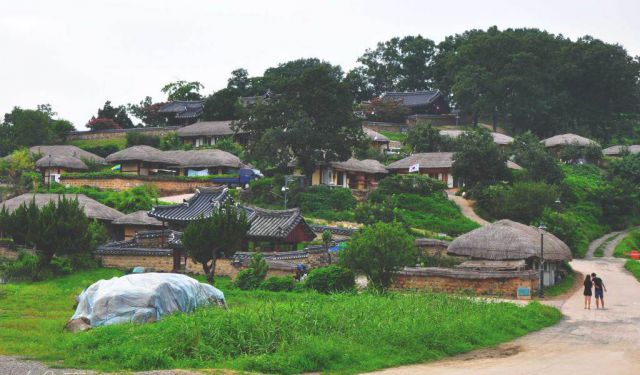
I visited Yangdong Village, which is South Korea's largest traditional village, with 160 houses, 54 of which are over 200 years old. It is also one of the two villages included in the UNESCO World Heritage Site called Historic Villages of Korea (the other one is Hahoe Village in Andong). Both villages were founded in the 14th to 15th centuries. The villages are sheltered by mountains and face out onto a river and open agricultural fields. In the villages are residences of the head families, timber framed houses of clan members, pavilions, study halls, Confucian academies for learning, and one storey mud-walled, thatched-roofed houses, formerly for commoners.
At the entrance of the village is a museum (free admission) where one can learn about the history of the village, its clans, and the existing buildings that have been designated as cultural heritage properties.
I checked out the 22 cultural heritage properties by walking around the village and visiting each (I was given a map when I paid for the admission fee). The hunt for these properties was a workout for these houses were almost always on higher ground, some with steep roads.
Gwangajeong, means "to see the harvest," named such because it was located where one had a view of the plain and river in the distance. It was built around 1500 by a Confucian scholar-official of the Joseon Dynasty. ...... (follow the instructions below for accessing the rest of this article).
How it works: The full article is featured in the app "GPSmyCity: Walks in 1K+ Cities" on Apple App Store and Google Play Store.
Download the app to your mobile device to read the article offline and create a self-guided walking tour to visit the sights featured in this article. The app's navigation functions guide you from one sight to the next. The app works offline, so no data plan is needed when traveling abroad.
Download The GPSmyCity App



Sights Featured in This Article
Guide Name: Gyeongju Yangdong Historic Village
Guide Location: South Korea » Gyeongju
Guide Type: Self-guided Walking Tour (Insider Tips)
Author: Mustachio Ventures
Read it on Author's Website: http://mustachioventures.blogspot.com/2018/07/gyeongju-yangdong-village-unesco.html
Sight(s) Featured in This Guide:
Guide Location: South Korea » Gyeongju
Guide Type: Self-guided Walking Tour (Insider Tips)
Author: Mustachio Ventures
Read it on Author's Website: http://mustachioventures.blogspot.com/2018/07/gyeongju-yangdong-village-unesco.html
Sight(s) Featured in This Guide:
- Mucheomdang
- Gyeongju Yangdong Village
- Hyangdan
Insider Tips for Gyeongju, South Korea
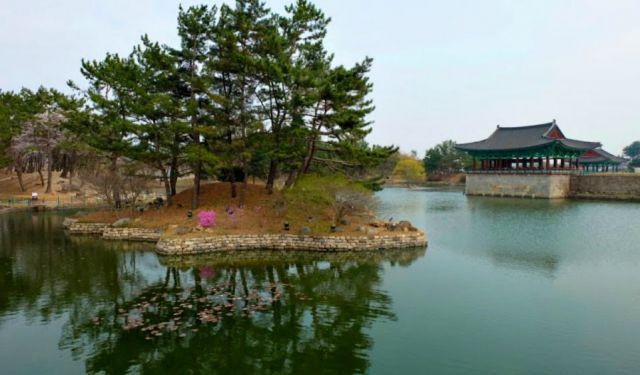
Walking Around Gyeongju
As soon as I had dumped my bags in Chacharang Guesthouse, I went out to explore the historic sites of Gyeongju City. Right next door was the northern portion of the Royal Tombs Park and that's where I started.
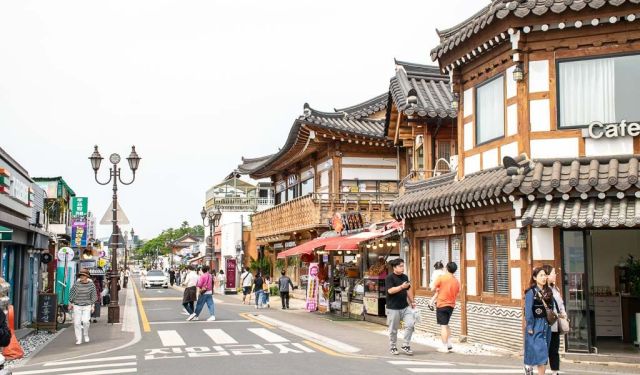
Here’s What to Do in Gyeongju, South Korea
My original interest in visiting Gyeongju was in its history, as it has strong ties to one of the most important kingdoms in Korea’s history. And while many Gyeongju attractions do focus on this history, I learned that there’s much more to this relaxed, green city than I knew. Discover why Gyeongju is worth visiting and what you can do there with this guide to the city.
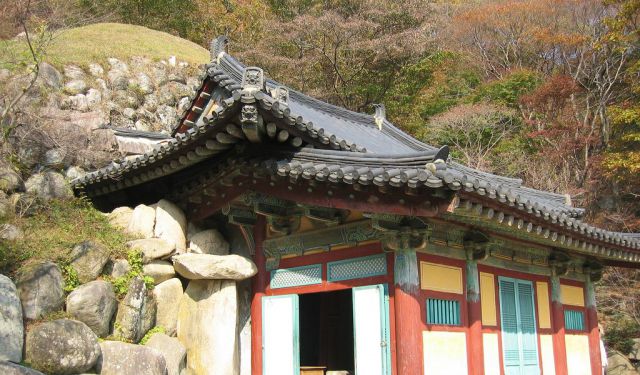
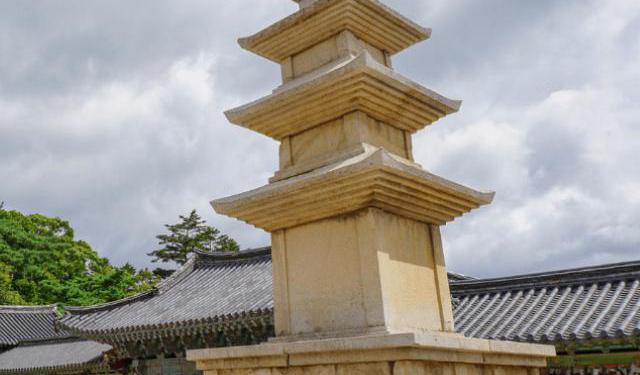
Gyeongju: Bulguksa Temple and Seokguram Grotto
History was the subject I detested most during my school years. The textbooks were boring, the teachers were terrors. It was traveling (and maybe age), not schoolbooks and scary teachers, that piqued my interest.
The Perfect Gyeongju Itinerary
Gyeongju was the capital of Korea’s Shilla Dynasty (57 BC – 935 AD) and is often considered to be a ‘museum without walls’. That’s because of the hundreds of historic sites, artifacts, and attractions all over the city.
Amazing Things to Do in Gyeongju
Gyeongju is a little part of South Korea that never quite gets the same recognition as a tourist destination than its big brothers of Seoul, Busan and Jeju-do.
Insider Tips Overview
