Custom Walk in Guatemala City, Guatemala by mariadmz778453 created on 2022-11-24
Guide Location: Guatemala » Guatemala City
Guide Type: Custom Walk
# of Sights: 15
Tour Duration: 11 Hour(s)
Travel Distance: 27.9 Km or 17.3 Miles
Share Key: NN5GL
Guide Type: Custom Walk
# of Sights: 15
Tour Duration: 11 Hour(s)
Travel Distance: 27.9 Km or 17.3 Miles
Share Key: NN5GL
How It Works
Please retrieve this walk in the GPSmyCity app. Once done, the app will guide you from one tour stop to the next as if you had a personal tour guide. If you created the walk on this website or come to the page via a link, please follow the instructions below to retrieve the walk in the app.
Retrieve This Walk in App
Step 1. Download the app "GPSmyCity: Walks in 1K+ Cities" on Apple App Store or Google Play Store.



Step 2. In the GPSmyCity app, download(or launch) the guide "Guatemala City Map and Walking Tours".
Step 3. Tap the menu button located at upper right corner of the "Walks" screen and select "Retrieve custom walk". Enter the share key: NN5GL
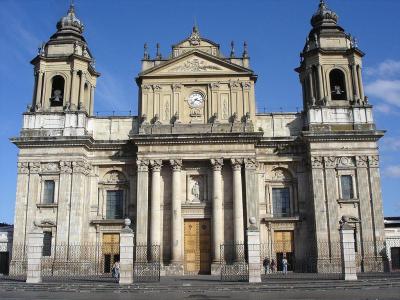
1) Cathedral of Guatemala City (must see)
The Cathedral of Guatemala is the Archdiocese of Guatemala. It is officially named the Holy Church Cathedral Metropolitan Basilica of Santiago de Guatemala.
The edifice was designed by engineer Joaquin de Isasi, architect Marco Ibanez and artist Antonio Bernasconi. Work on the Cathedral began in 1783. The final piece of the original construction was the sculpture of Our Lady of Perpetual Help, which was moved to the Cathedral of Guatemala from Santa Rosa Chapel in 1815.
The Cathedral incorporates Baroque and Classical architectural styles. The varied elements are due to continued construction and reconstruction over the years. Two towers on the east side were added in 1821, a marble altar was added in 1860, and the bell towers were finished in 1867. The main bell was created from bronze from the San Jose Fort cannons.
The Cathedral of Guatemala was damaged by the devastating earthquake of 1917. Reconstruction was slow, but eventually, the facade was rebuilt. The religious edifice was damaged again by the earthquake of 1976, and its restoration took five years.
The front of the Cathedral is decorated with a series of 12 pillars. The pillars are inscribed with the names of people who were killed during the Guatemalan Civil War.
The Cathedral of Guatemala is located in the Central Park area. Visitors are welcome to tour the inside of the building, which has numerous works of art and religious carvings.
The edifice was designed by engineer Joaquin de Isasi, architect Marco Ibanez and artist Antonio Bernasconi. Work on the Cathedral began in 1783. The final piece of the original construction was the sculpture of Our Lady of Perpetual Help, which was moved to the Cathedral of Guatemala from Santa Rosa Chapel in 1815.
The Cathedral incorporates Baroque and Classical architectural styles. The varied elements are due to continued construction and reconstruction over the years. Two towers on the east side were added in 1821, a marble altar was added in 1860, and the bell towers were finished in 1867. The main bell was created from bronze from the San Jose Fort cannons.
The Cathedral of Guatemala was damaged by the devastating earthquake of 1917. Reconstruction was slow, but eventually, the facade was rebuilt. The religious edifice was damaged again by the earthquake of 1976, and its restoration took five years.
The front of the Cathedral is decorated with a series of 12 pillars. The pillars are inscribed with the names of people who were killed during the Guatemalan Civil War.
The Cathedral of Guatemala is located in the Central Park area. Visitors are welcome to tour the inside of the building, which has numerous works of art and religious carvings.
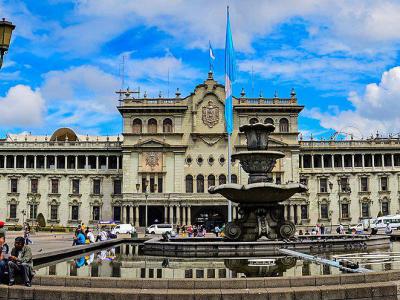
2) National Palace of Culture (must see)
The National Palace of Culture is a museum built as the headquarters of the President of Guatemala.
In 1921, President Carlos Herrera ordered the construction of the Centenary Palace in only three months with a small budget and few resources. The first palace became known as the Cardboard Palace (Palacio de Carton). It was destroyed in a fire in 1925.
Construction of the current palace began in 1939 and was completed in 1943. The building, designed by architect Rafael Perez de Leon, features Spanish Baroque and Spanish Renaissance architectural styles. Engineers Enrique Reyes, Luis Angel Rodas, and Arturo Bickford assisted with the structural plans. Due to its structural integrity, it was one of the few buildings to survive the earthquake of 1976.
The brick and concrete building is sometimes referred to as The Big Guacamole due to the oxidized copper coating on the exterior. This coating was chosen because green was the favorite color of Marta Lainfiesta Dorion, wife of president Jorge Ubico.
The interior of the palace has 350 rooms with ornate decorations. Large chandeliers and images of quetzals, the national bird of Guatemala, are located throughout the building. Several traffic lights are located in the palace. These were used to signal when the president was in the building, when only government officials were allowed in hallways and when visitors could move freely.
In 1921, President Carlos Herrera ordered the construction of the Centenary Palace in only three months with a small budget and few resources. The first palace became known as the Cardboard Palace (Palacio de Carton). It was destroyed in a fire in 1925.
Construction of the current palace began in 1939 and was completed in 1943. The building, designed by architect Rafael Perez de Leon, features Spanish Baroque and Spanish Renaissance architectural styles. Engineers Enrique Reyes, Luis Angel Rodas, and Arturo Bickford assisted with the structural plans. Due to its structural integrity, it was one of the few buildings to survive the earthquake of 1976.
The brick and concrete building is sometimes referred to as The Big Guacamole due to the oxidized copper coating on the exterior. This coating was chosen because green was the favorite color of Marta Lainfiesta Dorion, wife of president Jorge Ubico.
The interior of the palace has 350 rooms with ornate decorations. Large chandeliers and images of quetzals, the national bird of Guatemala, are located throughout the building. Several traffic lights are located in the palace. These were used to signal when the president was in the building, when only government officials were allowed in hallways and when visitors could move freely.
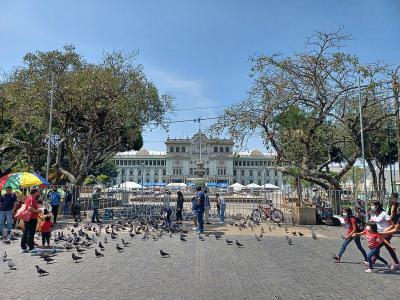
3) Centro Histórico (Historic center)
Guatemala City’s Historic Center marks the birthplace of the modern capital in 1776-built upon the ruins of colonial Santiago after devastating earthquakes. This district functions as the heart of Guatemala's civic and cultural life, hosting a rich tapestry of political, religious, and commercial landmarks spanning centuries.
At its core lies Central Park, flanked by key landmarks: the impressive Metropolitan Cathedral, the imposing National Palace of Culture, the elegant Central Post Office Building , and the storied National Library. While many original colonial structures were lost to earthquakes in 1917 and 1976, the area still features fine examples of neoclassical, Baroque, art nouveau, and eclectic façades, now under restoration to reclaim their former grandeur.
A stroll through the Historic center is both a visual and sensory journey. You’ll encounter bustling street vendors and colorful local markets, charming cafés and hidden art galleries, alongside significant religious buildings such as the Church of San Francisco.
At its core lies Central Park, flanked by key landmarks: the impressive Metropolitan Cathedral, the imposing National Palace of Culture, the elegant Central Post Office Building , and the storied National Library. While many original colonial structures were lost to earthquakes in 1917 and 1976, the area still features fine examples of neoclassical, Baroque, art nouveau, and eclectic façades, now under restoration to reclaim their former grandeur.
A stroll through the Historic center is both a visual and sensory journey. You’ll encounter bustling street vendors and colorful local markets, charming cafés and hidden art galleries, alongside significant religious buildings such as the Church of San Francisco.
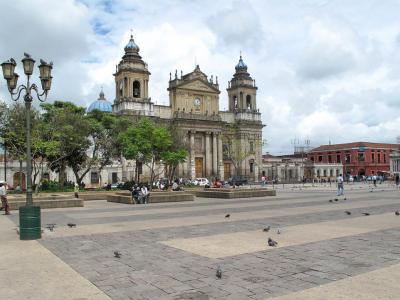
4) Plaza de la Constitución (Central Park)
Plaza de la Constitucion (Constitution Square) is the largest square in Guatemala. It is also known as Plaza de las Ninas (Girls' Square), Guy Urban Park, or, most often, Central Park. Central Park is surrounded by the National Palace of Culture, the Cathedral of Guatemala City, the Gate of Commerce, and the National Library of Guatemala.
Central Park was created in 1776 to accompany the cathedral. The areas that now hold some of the most important buildings in the country were gardens and shopping arcades. Though the buildings were added around the site over the years, the square itself remained mostly untouched until the late 19th century when a beautification project was championed by President Jose Maria Reyna Barrios.
Since the square's construction, it has been an important part of the history of the country. Guerilla attacks in the 1980s and tragic lynchings in the 1920s are some of the darkest events that have taken place in the square. However, it is also the location of celebrations, parades, and concerts.
Today, visitors will see a space that is catered to tourists. There are numerous shaded spots to rest, food carts, and souvenir stands. The square is open daily.
Central Park was created in 1776 to accompany the cathedral. The areas that now hold some of the most important buildings in the country were gardens and shopping arcades. Though the buildings were added around the site over the years, the square itself remained mostly untouched until the late 19th century when a beautification project was championed by President Jose Maria Reyna Barrios.
Since the square's construction, it has been an important part of the history of the country. Guerilla attacks in the 1980s and tragic lynchings in the 1920s are some of the darkest events that have taken place in the square. However, it is also the location of celebrations, parades, and concerts.
Today, visitors will see a space that is catered to tourists. There are numerous shaded spots to rest, food carts, and souvenir stands. The square is open daily.
5) Paseo de la Sexta (Walk of the Sixth)
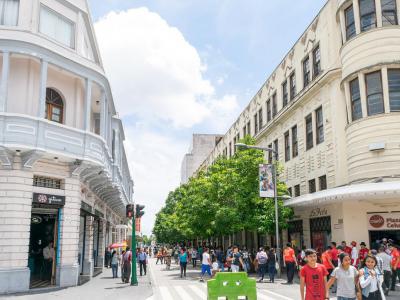
The Walk of the Sixth, or Paseo de la Sexta, is a portion of Sixth Avenue populated with restaurants, cafes, bars, and shopping spots. The area is popular with tourists and locals due to its variety of shops and central location.
The street was created with the plan for cultural activities, but it is now primarily a shopping spot. Still, those looking for a cultural experience may find it on the Walk of the Sixth. Local food, craft offerings, and open-air sculptures give tourists a taste of true Guatemala.
Pasaje Rubio (Blonde Alley) is one of the most notable buildings on the street. The yellow brick structure is mostly apartments, but the first floor is home to antique shops, a jewelry store, and a bookstore.
This section of Sixth Avenue was remodeled in 2010. It was turned into a pedestrian-only street so those exploring the tourist attractions nearby, like Central Park and the National Palace of Culture, can continue their walking tour unencumbered by street traffic.
The street was created with the plan for cultural activities, but it is now primarily a shopping spot. Still, those looking for a cultural experience may find it on the Walk of the Sixth. Local food, craft offerings, and open-air sculptures give tourists a taste of true Guatemala.
Pasaje Rubio (Blonde Alley) is one of the most notable buildings on the street. The yellow brick structure is mostly apartments, but the first floor is home to antique shops, a jewelry store, and a bookstore.
This section of Sixth Avenue was remodeled in 2010. It was turned into a pedestrian-only street so those exploring the tourist attractions nearby, like Central Park and the National Palace of Culture, can continue their walking tour unencumbered by street traffic.

6) Central Market (must see)
Central Market (Mercado Central) is an indoor shopping area in Guatemala City. The building offers three levels of shops and food. It's a place for people-watching, looking for souvenirs, or just exploring the shopping scene of Guatemala City.
The Market is located at the rear of the Metropolitan Cathedral. There are many indoor markets in the city, but none are as large and diverse as the Central Market. Vendors at Central Market sell items that range from handmade goods to mass-produced knickknacks, food, and art.
Food items, on the second floor, range from locally-sourced fruits to freshly baked goods. Dining rooms are available for those who want to enjoy a prepared meal or sample a variety of teas, pastries, meats, and cheeses.
The top level of Central Market is the best spot to find artisans hard at work. Tourists can watch basket weavers make their wares before purchasing one to take home. Shoppers will also find handmade jewelry, pottery, and leather items.
The Market is located at the rear of the Metropolitan Cathedral. There are many indoor markets in the city, but none are as large and diverse as the Central Market. Vendors at Central Market sell items that range from handmade goods to mass-produced knickknacks, food, and art.
Food items, on the second floor, range from locally-sourced fruits to freshly baked goods. Dining rooms are available for those who want to enjoy a prepared meal or sample a variety of teas, pastries, meats, and cheeses.
The top level of Central Market is the best spot to find artisans hard at work. Tourists can watch basket weavers make their wares before purchasing one to take home. Shoppers will also find handmade jewelry, pottery, and leather items.
7) La Merced Church
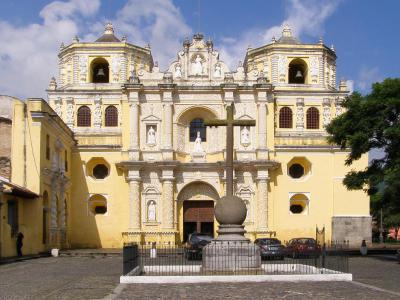
La Merced Church is a Catholic temple in Guatemala City. This Baroque-style building has one of the most ornate facades of any Catholic church in Guatemala City, beautifully decorated with religious art and relics.
The church was built in 1540 by the La Merced Order. It was taken over by Jesuits in the early 19th century.
Many of the pieces of art inside the building were brought from the more famous La Merced Church in Antigua Guatemala after it was damaged by earthquakes. Artworks consist of carvings, sculptures, paintings, and statues.
It is worth stopping by the church when it is open to see the interior, which is just as stunning as the building's facade. The church is open from Monday to Thursday from 9 AM to 5 PM with a two-hour closure from noon to 2 PM. It is open on Fridays from 9 AM to noon.
The church was built in 1540 by the La Merced Order. It was taken over by Jesuits in the early 19th century.
Many of the pieces of art inside the building were brought from the more famous La Merced Church in Antigua Guatemala after it was damaged by earthquakes. Artworks consist of carvings, sculptures, paintings, and statues.
It is worth stopping by the church when it is open to see the interior, which is just as stunning as the building's facade. The church is open from Monday to Thursday from 9 AM to 5 PM with a two-hour closure from noon to 2 PM. It is open on Fridays from 9 AM to noon.
8) San Francisco Church
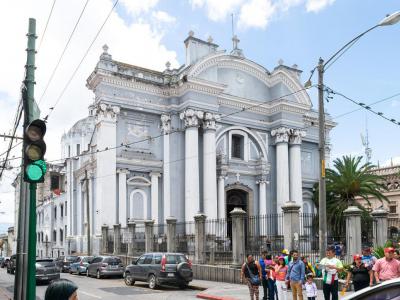
San Francisco Church, or Iglesia San Francisco, is a catholic church completed in 1829. The church is sometimes referred to as the Temple of San Francisco, or Basilica of the Immaculate Conception.
The church blends Neoclassical and Baroque architectural styles. It was designed to resemble the Church of San Francisco El Grande in Antigua Guatemala. The architect was Don Santiago Marqui.
Though the exterior is undoubtedly stunning, the primary feature of the church is the inside. The main wooden altar is nearly 300 feet high and 40 feet wide. The church is also known for its intricate wood carvings of Crucified Jesus and The Passion.
Some furnishings donated by King Carlos V of Spain include a sculpture of the Immaculate Conception, which rests upon the altar.
San Francisco Church fell into ruins after the earthquake of 1917. It was rebuilt in the 1920s before being damaged again in the earthquake of 1976. Engineer Oscar Martinez Diguero led reconstruction efforts. However, parts of the church still show signs of damage.
There is no admission fee to visit this church. Visitors are also welcome to attend mass held daily. The church is managed by the Franciscans, but it belongs to the Archdiocese of Santiago de Guatemala.
The church blends Neoclassical and Baroque architectural styles. It was designed to resemble the Church of San Francisco El Grande in Antigua Guatemala. The architect was Don Santiago Marqui.
Though the exterior is undoubtedly stunning, the primary feature of the church is the inside. The main wooden altar is nearly 300 feet high and 40 feet wide. The church is also known for its intricate wood carvings of Crucified Jesus and The Passion.
Some furnishings donated by King Carlos V of Spain include a sculpture of the Immaculate Conception, which rests upon the altar.
San Francisco Church fell into ruins after the earthquake of 1917. It was rebuilt in the 1920s before being damaged again in the earthquake of 1976. Engineer Oscar Martinez Diguero led reconstruction efforts. However, parts of the church still show signs of damage.
There is no admission fee to visit this church. Visitors are also welcome to attend mass held daily. The church is managed by the Franciscans, but it belongs to the Archdiocese of Santiago de Guatemala.
9) Museo Ixchel del Traje Indígena (Ixchel Museum of Indigenous Textiles and Clothing) (must see)
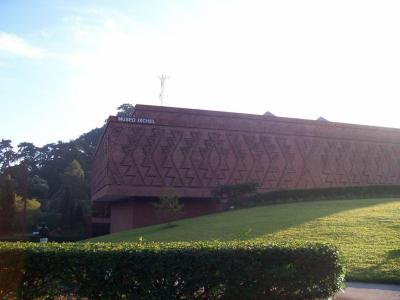
The Ixchel Museum of Indigenous Textiles and Clothing is a top-tier destination for visitors fascinated by Guatemala’s living textile heritage. Established in 1993, the museum serves as both a cultural guardian and educational hub-dedicated to collecting, preserving, researching, and showcasing the extraordinary craft of Mayan weaving.
Inside, guests explore a thoughtfully arranged series of seven permanent galleries, each exhibiting hand-woven textiles, huipiles, ceremonial costumes, traditional dyes, and weaving tools from diverse indigenous communities across Guatemala-from the colonial era to the present. The museum also includes ceramic items, jewelry, books, and artworks by renowned Guatemalan artists like Andrés Curruchich and Mónica Torrebiarte.
Visitors can deepen their experience through guided tours that not only illustrate the history and symbolism behind traditional garments but also culminate with a hands-on weaving workshop-illustrating techniques such as backstrap loom weaving.
Cap off your visit at the on-site fair-trade museum shop, which features artisanal textiles produced in collaboration with local weavers, making it both a cultural exploration and a socially positive shopping experience.
Inside, guests explore a thoughtfully arranged series of seven permanent galleries, each exhibiting hand-woven textiles, huipiles, ceremonial costumes, traditional dyes, and weaving tools from diverse indigenous communities across Guatemala-from the colonial era to the present. The museum also includes ceramic items, jewelry, books, and artworks by renowned Guatemalan artists like Andrés Curruchich and Mónica Torrebiarte.
Visitors can deepen their experience through guided tours that not only illustrate the history and symbolism behind traditional garments but also culminate with a hands-on weaving workshop-illustrating techniques such as backstrap loom weaving.
Cap off your visit at the on-site fair-trade museum shop, which features artisanal textiles produced in collaboration with local weavers, making it both a cultural exploration and a socially positive shopping experience.
10) Zona Viva (Lively zone)
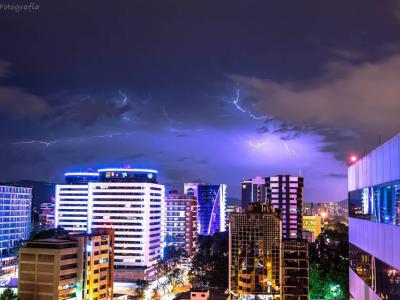
Zona Viva, known as the “Lively zone”, is the pulse of Guatemala City's modern urban charm. Just a ten-minute ride from the airport, this upscale district is home to sleek international hotels, chic boutiques, gourmet restaurants, and a nightlife scene. During the day, its tree-lined avenues and pedestrian-friendly sidewalks contrasts with the traditional colonial core.
As night falls, Zona Viva transforms into the city’s premier entertainment district. From upscale bars and lounges to high-energy nightclubs and casinos, the evening offers something for everyone. Popular spots like Shakespeare’s Pub, Astro Bar, and Red Lion Pub draw people looking for live music, craft cocktails, and a friendly local vibe.
Beyond nightlife, Zona Viva is also a shopper’s and culture-lover’s delight. Landmarks such as Oakland Mall and Plaza Fontabella offer diverse retail experiences-from luxury brands to family-friendly entertainment like indoor carousels and cinemas. Nearby, cultural institutions like the Ixchel Museum of Indigenous Textiles and the National Museum of Archaeology & Ethnology provide enriching daytime options.
As night falls, Zona Viva transforms into the city’s premier entertainment district. From upscale bars and lounges to high-energy nightclubs and casinos, the evening offers something for everyone. Popular spots like Shakespeare’s Pub, Astro Bar, and Red Lion Pub draw people looking for live music, craft cocktails, and a friendly local vibe.
Beyond nightlife, Zona Viva is also a shopper’s and culture-lover’s delight. Landmarks such as Oakland Mall and Plaza Fontabella offer diverse retail experiences-from luxury brands to family-friendly entertainment like indoor carousels and cinemas. Nearby, cultural institutions like the Ixchel Museum of Indigenous Textiles and the National Museum of Archaeology & Ethnology provide enriching daytime options.
11) Plaza Fontabella
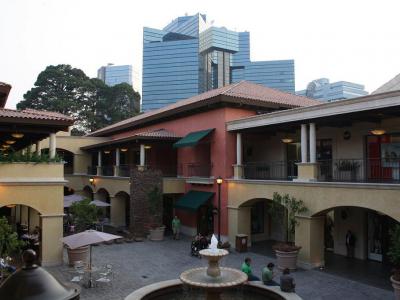
Plaza Fontabella is a modern shopping center popular destination for tourists who are looking for an enjoyable shopping experience. This large complex features a variety of shops, restaurants, and other establishments that cater to shoppers and leisure-seekers alike. The mall is well-designed and offers a diverse range of products and services, making it a one-stop-shop for all your needs.
The mall has a unique and eclectic atmosphere that is a blend of traditional and contemporary styles. The interior of the mall features everything from artisan stalls to shops that specialize in delicatessen products, providing shoppers with a range of options for souvenirs and gifts. The mall's philosophy is to offer something for everyone, and this is reflected in the variety of products and services available.
One of the biggest advantages of shopping at Plaza Fontabella is that you don't need to spend a lot of time searching for gifts or souvenirs. The mall offers a convenient and hassle-free shopping experience, which is especially useful if you're on a tight schedule. Additionally, you won't have to worry about haggling with vendors, as the prices are already fixed.
Apart from shopping, Plaza Fontabella also offers a variety of leisure activities such as movie theaters, restaurants, and cafes, making it an ideal destination for a day out with friends and family. The mall's location in the Zona Viva, which is a lively area, adds to the overall experience. You can easily spend a whole day exploring the mall and its surroundings.
The mall has a unique and eclectic atmosphere that is a blend of traditional and contemporary styles. The interior of the mall features everything from artisan stalls to shops that specialize in delicatessen products, providing shoppers with a range of options for souvenirs and gifts. The mall's philosophy is to offer something for everyone, and this is reflected in the variety of products and services available.
One of the biggest advantages of shopping at Plaza Fontabella is that you don't need to spend a lot of time searching for gifts or souvenirs. The mall offers a convenient and hassle-free shopping experience, which is especially useful if you're on a tight schedule. Additionally, you won't have to worry about haggling with vendors, as the prices are already fixed.
Apart from shopping, Plaza Fontabella also offers a variety of leisure activities such as movie theaters, restaurants, and cafes, making it an ideal destination for a day out with friends and family. The mall's location in the Zona Viva, which is a lively area, adds to the overall experience. You can easily spend a whole day exploring the mall and its surroundings.
12) Plaza España (Spain Square)
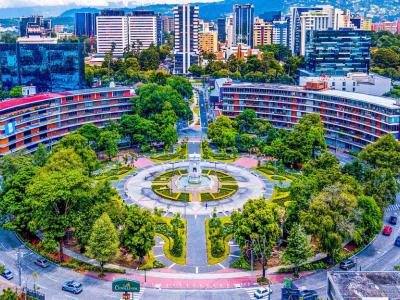
Spain Square is a graceful urban oasis that honors Guatemala’s historical and cultural ties to Spain. The focal point is the elegant Fountain of Carlos III, a late 18th-century monument commissioned in 1783 and unveiled in 1789 to honor the Spanish monarch. It was relocated from the Constitution Square to this square in 1933, where ornate Talavera-ceramic benches-gifts from Spain-and sculptural details continue to adorn the scene.
Designed in the late 1920s as part of a broader urban beautification network, the plaza was inaugurated in 1933 and underwent a thoughtful renovation completed in 2017. The modernization transformed it into a pedestrian-friendly environment-removing vehicular lanes, broadening walkways, and introducing lush landscaping, ambient lighting, children’s play areas, and outdoor fitness installations.
Surrounding the fountain and gardens are statues honoring key figures from Spain’s cultural and colonial legacy in Guatemala, including writer Miguel de Cervantes, King Carlos V, and chronicler Bernal Díaz del Castillo. The square's harmonious blend of architecture, art, and greenery offers an ideal place for photography, relaxation, and connection with the city's heritage.
Designed in the late 1920s as part of a broader urban beautification network, the plaza was inaugurated in 1933 and underwent a thoughtful renovation completed in 2017. The modernization transformed it into a pedestrian-friendly environment-removing vehicular lanes, broadening walkways, and introducing lush landscaping, ambient lighting, children’s play areas, and outdoor fitness installations.
Surrounding the fountain and gardens are statues honoring key figures from Spain’s cultural and colonial legacy in Guatemala, including writer Miguel de Cervantes, King Carlos V, and chronicler Bernal Díaz del Castillo. The square's harmonious blend of architecture, art, and greenery offers an ideal place for photography, relaxation, and connection with the city's heritage.
13) Artcraft and Handicraft Market
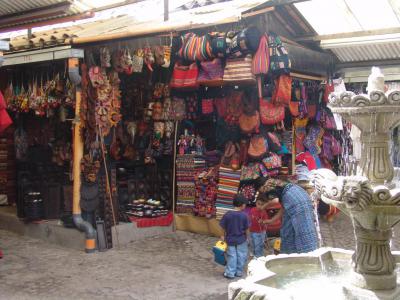
The Artcraft and Handicraft Market is a destination that showcases the rich tapestry of Guatemalan culture. This spacious market spans over 10,200 m² and hosts around 54 stalls and kiosks, offering everything from decorative masks and home décor to one-of-a-kind keepsakes.
Wandering through its corridors, you’ll find a dazzling array of handcrafted goods: from hand-woven Mayan textiles and traditional huipiles to painted ceramics, leather goods, fine wood carvings, and colorful jewelry. The stalls burst with bright patterns that reflect indigenous traditions, and many artisans are present to share the histories and techniques behind their creations . Some vendors even offer samples of typical snacks, coffee, or fruit ice cream-allowing you to savor more than just the craftwork.
Set apart by its scenic layout, the market features landscaped gardens, fountains, and a few sit-down restaurants-making it both a shopping hub and a pleasant place to take a break. As bargaining is a common and expected part of the experience, don’t hesitate to engage in friendly haggling to get a fair deal.
Wandering through its corridors, you’ll find a dazzling array of handcrafted goods: from hand-woven Mayan textiles and traditional huipiles to painted ceramics, leather goods, fine wood carvings, and colorful jewelry. The stalls burst with bright patterns that reflect indigenous traditions, and many artisans are present to share the histories and techniques behind their creations . Some vendors even offer samples of typical snacks, coffee, or fruit ice cream-allowing you to savor more than just the craftwork.
Set apart by its scenic layout, the market features landscaped gardens, fountains, and a few sit-down restaurants-making it both a shopping hub and a pleasant place to take a break. As bargaining is a common and expected part of the experience, don’t hesitate to engage in friendly haggling to get a fair deal.
14) Parque de Diversiones Mundo Petapa (Mundo Petapa Amusement Park)
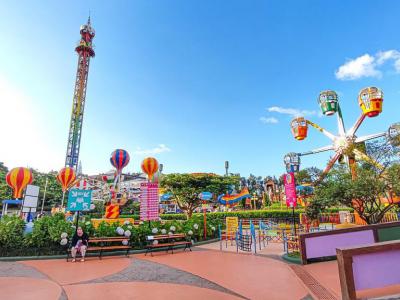
Mundo Petapa Amusement Park is Guatemala City’s premier amusement park. Officially opened in 1976, and significantly renovated and expanded in 2010, this destination blends adventurous rides, cultural plaza themes, and serene green spaces to offer fun for all ages.
The park accommodates over 12,500 visitors at a time and is home to around 25 rides, including thrilling roller coasters such as Bullet Bike, Lightning, Comanche, and Loroco Mouse, as well as the iconic 54-meter-high “Skyscraper ” free-fall tower. Families can also enjoy water attractions like Whirlpool and Log Splash, bumper cars, gentle children’s rides, and the picturesque Ferris wheel with panoramic views over the city.
One of Mundo Petapa’s most charming areas is “My Neighborhood Plaza”-a nostalgic replication of mid-20th-century Guatemalan neighborhoods complete with historical façades, traditional games, and regional restaurants-offering a cultural touch amid the thrills. Beyond rides, the park also features a well-kept zoo and aviary, lush botanical sections, an Olympic-sized pool, and a theater offering live performances, making it a holistic experience blending excitement, nature, and heritage.
The park accommodates over 12,500 visitors at a time and is home to around 25 rides, including thrilling roller coasters such as Bullet Bike, Lightning, Comanche, and Loroco Mouse, as well as the iconic 54-meter-high “Skyscraper ” free-fall tower. Families can also enjoy water attractions like Whirlpool and Log Splash, bumper cars, gentle children’s rides, and the picturesque Ferris wheel with panoramic views over the city.
One of Mundo Petapa’s most charming areas is “My Neighborhood Plaza”-a nostalgic replication of mid-20th-century Guatemalan neighborhoods complete with historical façades, traditional games, and regional restaurants-offering a cultural touch amid the thrills. Beyond rides, the park also features a well-kept zoo and aviary, lush botanical sections, an Olympic-sized pool, and a theater offering live performances, making it a holistic experience blending excitement, nature, and heritage.
15) Paseo Cayala (Paradise Walk) (must see)
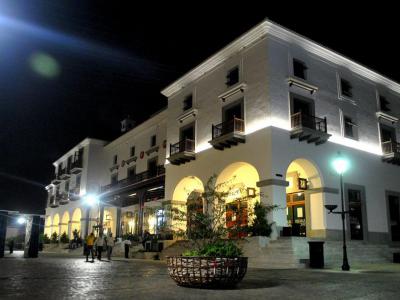
The Paradise Walk Neighborhood is a model of open and economically resilient development. It was created to have a walkable, secure space for visitors and locals to shop, dine, explore, and be entertained without the worry of crime or traffic.
The developers of the neighborhood envisioned a 34-acre living area with apartments, shopping, nightclubs, restaurants, and a church. Those who live within Paseo Cayala are protected by security cameras and armed guards who strive to keep crime out of the development. The white stucco buildings provide a serene atmosphere experienced as soon as one steps into the area.
The boutiques are not for bargain shoppers. Brands like Ferrari, Porsche, Arturo Calle, and Antony Morato are just some of the 30 stores within the development. The area also offers a park, two hotels, a bowling alley, batting cages, tennis courts, a zip line, and a surf park.
Those looking for more entertainment will find a karaoke club with private karaoke rooms, a cinema, laser tag, and a trampoline club. Visitors who want to stay fit on vacation have their choice of fitness clubs, a dance studio, and even a couple of drop-in daycare centers so young ones can play while the adults attend a cross fit session.
It offers both high-end bars and sports clubs. Outdoor pubs and a wine cellar offer even more options for visitors who want to unwind while exploring Cayala.
The developers of the neighborhood envisioned a 34-acre living area with apartments, shopping, nightclubs, restaurants, and a church. Those who live within Paseo Cayala are protected by security cameras and armed guards who strive to keep crime out of the development. The white stucco buildings provide a serene atmosphere experienced as soon as one steps into the area.
The boutiques are not for bargain shoppers. Brands like Ferrari, Porsche, Arturo Calle, and Antony Morato are just some of the 30 stores within the development. The area also offers a park, two hotels, a bowling alley, batting cages, tennis courts, a zip line, and a surf park.
Those looking for more entertainment will find a karaoke club with private karaoke rooms, a cinema, laser tag, and a trampoline club. Visitors who want to stay fit on vacation have their choice of fitness clubs, a dance studio, and even a couple of drop-in daycare centers so young ones can play while the adults attend a cross fit session.
It offers both high-end bars and sports clubs. Outdoor pubs and a wine cellar offer even more options for visitors who want to unwind while exploring Cayala.
