Custom Walk in Belfast, Ireland by mcomer60_972fd3 created on 2026-04-16
Guide Location: Ireland » Belfast
Guide Type: Custom Walk
# of Sights: 6
Tour Duration: 2 Hour(s)
Travel Distance: 2.9 Km or 1.8 Miles
Share Key: 3AXN3
Guide Type: Custom Walk
# of Sights: 6
Tour Duration: 2 Hour(s)
Travel Distance: 2.9 Km or 1.8 Miles
Share Key: 3AXN3
How It Works
Please retrieve this walk in the GPSmyCity app. Once done, the app will guide you from one tour stop to the next as if you had a personal tour guide. If you created the walk on this website or come to the page via a link, please follow the instructions below to retrieve the walk in the app.
Retrieve This Walk in App
Step 1. Download the app "GPSmyCity: Walks in 1K+ Cities" on Apple App Store or Google Play Store.



Step 2. In the GPSmyCity app, download(or launch) the guide "Belfast Map and Walking Tours".
Step 3. Tap the menu button located at upper right corner of the "Walks" screen and select "Retrieve custom walk". Enter the share key: 3AXN3
1) Belfast City Hall (must see)
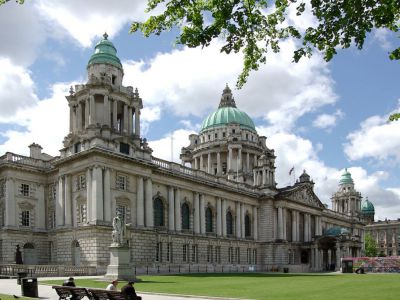
Belfast City Hall is a grand Edwardian Baroque masterpiece that dominates Donegall Square in the heart of Belfast’s city centre. Designed by Sir Alfred Brumwell Thomas and completed in 1906, this iconic building features gleaming Portland stone, a striking copper-domed roof rising 173 ft, and ornate detailing that reflects Belfast’s civic pride. It was built on the former site of the White Linen Hall to mark the city’s growing importance-thanks to its booming linen, shipbuilding, and engineering industries-and to cement its new city status granted in 1888.
Step inside and you’ll be greeted by splendid interiors such as the grand marble staircase, mosaic floors, and exquisitely carved oak and marble-clad spaces like the Council Chamber and Banquet Hall-noting the latter was rebuilt after damage during the Belfast Blitz in 1941. The stained-glass windows are spectacular, showcasing the Belfast coat of arms, portraits of British monarchs, and emblems of the city’s historical provinces. Guided tours last about 45 minutes and offer access to areas normally closed to the public, alongside a 16-room Visitor Exhibition that brings Belfast’s past to life via multilingual audio guides.
Outside, the beautifully landscaped grounds are home to significant memorials and statues, including the impressive Titanic Memorial Garden, the Cenotaph and Garden of Remembrance for war victims, and notable figures such as Queen Victoria, Edward Harland, Mary Ann McCracken, Winifred Carney, and James Magennis VC. These serene lawns offer a peaceful counterpoint to the bustling city around them.
For visitors, City Hall is much more than a civic landmark-it’s a hub of culture and community. Drop into the Bobbin Coffee Shop inside, peruse the gift shop for local keepsakes, or join a free tour (first-come, first-served) at scheduled times. Evening illuminations beautifully accent the exterior, making it a particularly atmospheric spot after dark. Whether you're fascinated by architecture, history, or simply looking for a picturesque gathering place, Belfast City Hall is an essential stop on your journey through Belfast.
Step inside and you’ll be greeted by splendid interiors such as the grand marble staircase, mosaic floors, and exquisitely carved oak and marble-clad spaces like the Council Chamber and Banquet Hall-noting the latter was rebuilt after damage during the Belfast Blitz in 1941. The stained-glass windows are spectacular, showcasing the Belfast coat of arms, portraits of British monarchs, and emblems of the city’s historical provinces. Guided tours last about 45 minutes and offer access to areas normally closed to the public, alongside a 16-room Visitor Exhibition that brings Belfast’s past to life via multilingual audio guides.
Outside, the beautifully landscaped grounds are home to significant memorials and statues, including the impressive Titanic Memorial Garden, the Cenotaph and Garden of Remembrance for war victims, and notable figures such as Queen Victoria, Edward Harland, Mary Ann McCracken, Winifred Carney, and James Magennis VC. These serene lawns offer a peaceful counterpoint to the bustling city around them.
For visitors, City Hall is much more than a civic landmark-it’s a hub of culture and community. Drop into the Bobbin Coffee Shop inside, peruse the gift shop for local keepsakes, or join a free tour (first-come, first-served) at scheduled times. Evening illuminations beautifully accent the exterior, making it a particularly atmospheric spot after dark. Whether you're fascinated by architecture, history, or simply looking for a picturesque gathering place, Belfast City Hall is an essential stop on your journey through Belfast.
2) Linen Hall Library
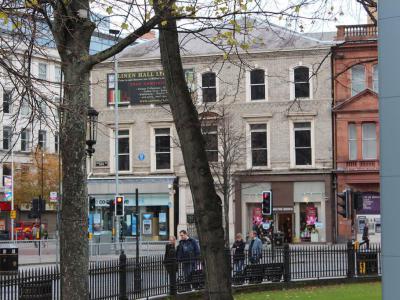
Linen Hall Library is a timeless cultural gem, established in 1788 as the Belfast Reading Society. Housed in an elegant late-Victorian linen warehouse, it holds the distinction of being Belfast’s oldest and Ireland's last subscription library. Originally founded by driven artisans inspired by Enlightenment ideals, it has evolved from an exclusive reading society into an open, independent institution dedicated to promoting knowledge publicly while preserving its rich heritage.
Its collections are a magnet for history enthusiasts and scholars alike. The Irish & Local Studies archive includes early Ulster printed works and the renowned Northern Ireland Political Collection, with over 250,000 items documenting the Troubles and subsequent peace process. The Northern Ireland Literary Archive offers an intimate look into the region’s literary past, with digital manuscripts from writers such as Louis MacNeice and Joan Lingard. Theatre lovers will also appreciate the extensive Performing Arts Archive, highlighting local drama and cultural expression.
Visitors can explore grand reading rooms with ornate staircases and ironwork balconies, browse the gift shop, and enjoy refreshments in the on-site café serving coffees, light meals, and treats. Entry is free (though donations are encouraged), with full accessibility and helpful staff on hand. A blue plaque commemorates Thomas Russell, United Irishman and former librarian, underscoring the library's deep historic roots.
More than just a library, Linen Hall is a vibrant centre of Belfast’s intellectual and cultural life. It hosts regular exhibitions, talks, and literary events, supported by ongoing membership and community contributions. Whether you're a history buff, literature lover, or casual visitor, it’s a must-see destination-just steps from the iconic Belfast City Hall.
Its collections are a magnet for history enthusiasts and scholars alike. The Irish & Local Studies archive includes early Ulster printed works and the renowned Northern Ireland Political Collection, with over 250,000 items documenting the Troubles and subsequent peace process. The Northern Ireland Literary Archive offers an intimate look into the region’s literary past, with digital manuscripts from writers such as Louis MacNeice and Joan Lingard. Theatre lovers will also appreciate the extensive Performing Arts Archive, highlighting local drama and cultural expression.
Visitors can explore grand reading rooms with ornate staircases and ironwork balconies, browse the gift shop, and enjoy refreshments in the on-site café serving coffees, light meals, and treats. Entry is free (though donations are encouraged), with full accessibility and helpful staff on hand. A blue plaque commemorates Thomas Russell, United Irishman and former librarian, underscoring the library's deep historic roots.
More than just a library, Linen Hall is a vibrant centre of Belfast’s intellectual and cultural life. It hosts regular exhibitions, talks, and literary events, supported by ongoing membership and community contributions. Whether you're a history buff, literature lover, or casual visitor, it’s a must-see destination-just steps from the iconic Belfast City Hall.
3) Cathedral Quarter
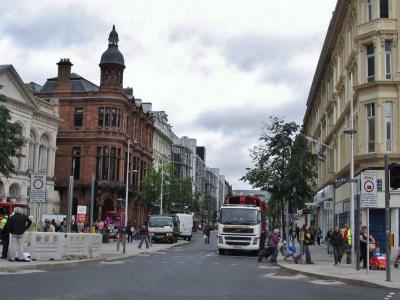
The Cathedral Quarter is an atmospheric cultural hub nestled around the majestic Saint Anne’s Cathedral, from which it takes its name. Historically a heartland of linen, shipbuilding, and trade, it retains its Victorian-era architecture-along winding streets like Waring and Hill-with charming remnants of Belfast’s industrial past. Today, it's a vibrant blend of the old and the new, where heritage buildings host a flourishing arts scene.
This quarter has re-emerged from urban decline to become Belfast’s creative epicentre, packed with galleries, theatres, cafés, and community arts spaces. Highlights include the Metropolitan Arts Centre (MAC)-a sleek, award-winning venue for exhibitions, performance, and workshops since 2012 -and independent hubs such as The Black Box and Belfast Exposed. Once housing trade enterprises, now these buildings surround the cathedral at the heart of lovingly restored public spaces, including the vibrant Custom House Square, which stages open-air concerts, street performances, and circus acts.
The area pulses with creativity, especially during the annual Cathedral Quarter Arts Festival, held each May since 2000, showcasing music, theatre, comedy, visual arts, and literature-often spotlighting international and emerging talent. For visitors, it means a rich calendar of events, from tented performances and fringe shows to major outdoor gigs that light up cobbled streets and piazzas.
When touring Belfast, exploring the Cathedral Quarter is like stepping into the city's cultural renaissance: a dynamic district where history, artistry, and community blend in narrow laneways, atmospheric pubs, and tree‑lined squares-anchored by the soaring Spire of Hope, an illuminated steel tower rising from the cathedral roof, symbolising Belfast’s evolving spirit.
This quarter has re-emerged from urban decline to become Belfast’s creative epicentre, packed with galleries, theatres, cafés, and community arts spaces. Highlights include the Metropolitan Arts Centre (MAC)-a sleek, award-winning venue for exhibitions, performance, and workshops since 2012 -and independent hubs such as The Black Box and Belfast Exposed. Once housing trade enterprises, now these buildings surround the cathedral at the heart of lovingly restored public spaces, including the vibrant Custom House Square, which stages open-air concerts, street performances, and circus acts.
The area pulses with creativity, especially during the annual Cathedral Quarter Arts Festival, held each May since 2000, showcasing music, theatre, comedy, visual arts, and literature-often spotlighting international and emerging talent. For visitors, it means a rich calendar of events, from tented performances and fringe shows to major outdoor gigs that light up cobbled streets and piazzas.
When touring Belfast, exploring the Cathedral Quarter is like stepping into the city's cultural renaissance: a dynamic district where history, artistry, and community blend in narrow laneways, atmospheric pubs, and tree‑lined squares-anchored by the soaring Spire of Hope, an illuminated steel tower rising from the cathedral roof, symbolising Belfast’s evolving spirit.
4) Belfast Cathedral (must see)
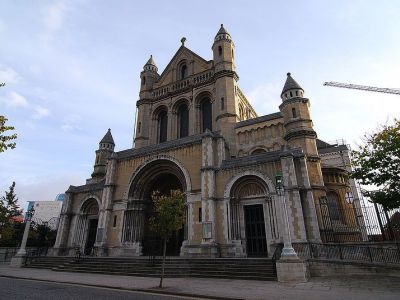
Belfast Cathedral, also known as Saint Anne’s Cathedral, stands as one of the city’s most striking landmarks, blending spiritual significance with architectural beauty. Located in the Cathedral Quarter-the historic heart of Belfast-this Anglican cathedral was founded in 1899 and has since become both a place of worship and a cultural hub. With its grand Romanesque Revival design, intricate mosaics, and commanding presence, the cathedral offers visitors a serene yet awe-inspiring atmosphere that reflects the city’s rich history and enduring spirit.
The building itself tells a story of resilience and ambition. Constructed over many decades, it combines late Victorian foundations with additions made throughout the 20th century, including the striking Spire of Hope, a modern stainless-steel spire added in 2007 that soars 40 meters into the sky. This striking feature, visible from across the city, symbolizes both faith and renewal. Inside, light streams through a kaleidoscope of stained glass, illuminating exquisite stonework and creating a setting that feels at once majestic and contemplative.
Visitors can explore remarkable artistic treasures, such as the elaborate mosaics designed by Sir Charles Nicholson and the stunning Chapel of the Holy Spirit, dedicated to those who lost their lives in the First World War. Another highlight is the “Spire of Hope” piercing through the cathedral roof, representing the city’s resilience and looking toward a brighter future. The cathedral also hosts concerts, exhibitions, and community events, extending its role beyond a sacred space to a vibrant gathering point for locals and visitors.
For travelers exploring Belfast, a stop at Saint Anne’s Cathedral provides not just a glimpse into the city’s religious heritage but also a chance to admire centuries of craftsmanship. Whether you’re drawn by its artistry, its peaceful atmosphere, or its role as a beacon of Belfast’s cultural life, the cathedral offers a moment of reflection and connection in the heart of Northern Ireland’s capital.
The building itself tells a story of resilience and ambition. Constructed over many decades, it combines late Victorian foundations with additions made throughout the 20th century, including the striking Spire of Hope, a modern stainless-steel spire added in 2007 that soars 40 meters into the sky. This striking feature, visible from across the city, symbolizes both faith and renewal. Inside, light streams through a kaleidoscope of stained glass, illuminating exquisite stonework and creating a setting that feels at once majestic and contemplative.
Visitors can explore remarkable artistic treasures, such as the elaborate mosaics designed by Sir Charles Nicholson and the stunning Chapel of the Holy Spirit, dedicated to those who lost their lives in the First World War. Another highlight is the “Spire of Hope” piercing through the cathedral roof, representing the city’s resilience and looking toward a brighter future. The cathedral also hosts concerts, exhibitions, and community events, extending its role beyond a sacred space to a vibrant gathering point for locals and visitors.
For travelers exploring Belfast, a stop at Saint Anne’s Cathedral provides not just a glimpse into the city’s religious heritage but also a chance to admire centuries of craftsmanship. Whether you’re drawn by its artistry, its peaceful atmosphere, or its role as a beacon of Belfast’s cultural life, the cathedral offers a moment of reflection and connection in the heart of Northern Ireland’s capital.
5) Albert Memorial Clock
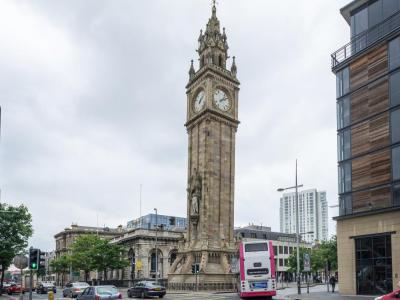
The Albert Memorial Clock, often simply called the Albert Clock, is one of Belfast’s most recognisable landmarks. Perched in Queen’s Square at the east end of High Street, this Gothic Revival clock tower was built between 1865 and 1869 as a memorial to Prince Albert, consort to Queen Victoria. Designed by the accomplished architect W. J. Barre, also famed for Belfast's Ulster Hall, it stands approximately 113 feet (34 meters) tall.
Constructed of pinkish Scrabo sandstone, the tower blends French and Italian Gothic styles, adorned with flying buttresses, heraldic lions, angels, gargoyles, floral motifs, and crowned by an ornate octagonal belfry. A striking life-size statue of Prince Albert in the robes of a Knight of the Garter, sculpted by S. F. Lynn, stands on the west face. Inside, a two-tonne bell cast by Francis Moore could once be heard up to 8 miles away.
One of the tower’s most intriguing quirks is its lean-an eastward tilt of about four feet-earning it the affectionate nickname “Belfast’s Leaning Tower of Pisa.” The tilt resulted from the tower being built on reclaimed, marshy ground near the River Farset, supported on timber piles. Ornamental pinnacles and the statue canopy were removed in 1924 to ease stress, and a substantial restoration between 2000 and 2002 reinforced the foundations and reinstated lost carvings.
Today, the Albert Clock stands as a poetic fusion of Victorian craftsmanship, civic pride, and idiosyncratic charm. It survived damage from an IRA bomb in 1992, and its tilted stance and intricate stonework make it a delightful must-see for architecture buffs, history lovers, and photographers alike. Whether admired by day or illuminated at night, it richly rewards a stroll through Belfast’s Cathedral Quarter.
Constructed of pinkish Scrabo sandstone, the tower blends French and Italian Gothic styles, adorned with flying buttresses, heraldic lions, angels, gargoyles, floral motifs, and crowned by an ornate octagonal belfry. A striking life-size statue of Prince Albert in the robes of a Knight of the Garter, sculpted by S. F. Lynn, stands on the west face. Inside, a two-tonne bell cast by Francis Moore could once be heard up to 8 miles away.
One of the tower’s most intriguing quirks is its lean-an eastward tilt of about four feet-earning it the affectionate nickname “Belfast’s Leaning Tower of Pisa.” The tilt resulted from the tower being built on reclaimed, marshy ground near the River Farset, supported on timber piles. Ornamental pinnacles and the statue canopy were removed in 1924 to ease stress, and a substantial restoration between 2000 and 2002 reinforced the foundations and reinstated lost carvings.
Today, the Albert Clock stands as a poetic fusion of Victorian craftsmanship, civic pride, and idiosyncratic charm. It survived damage from an IRA bomb in 1992, and its tilted stance and intricate stonework make it a delightful must-see for architecture buffs, history lovers, and photographers alike. Whether admired by day or illuminated at night, it richly rewards a stroll through Belfast’s Cathedral Quarter.
6) St. George's Market (must see)
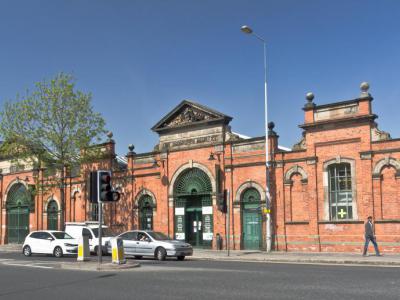
Saint George's Market is the last surviving Victorian covered market in Belfast. It was built in three phases between 1890 and 1896. Before 1890, Saint George's Market was an open market and most likely contained a slaughterhouse and a meat market.
The original (pre 1890) market was smaller than the new structure. It was built in red brick with sandstone dressing. Externally it features Roman styled arches with Latin and Irish inscriptions - the City’s Latin motto "what shall we give in return for so much?" and the Irish phrase "Red Hand of Ireland".
The main entrance arch displays the Belfast Coat of Arms. This newly covered market opened to the public on 20 June 1890. By the 1980s, Saint George’s Market had developed into a general market and it became the last of Belfast’s thriving Victorian markets.
Today Saint George’s Market is primarily used as a food market, however a number of other events are held at the site. These range from food festivals, art initiatives, exhibitions, charity launches, fashion shoots and live music events. The market also regularly holds music concerts. Acts including Duffy, Newton Faulkner, Deep Purple, Biffy Clyro and Mark Ronson have played the venue.
The original (pre 1890) market was smaller than the new structure. It was built in red brick with sandstone dressing. Externally it features Roman styled arches with Latin and Irish inscriptions - the City’s Latin motto "what shall we give in return for so much?" and the Irish phrase "Red Hand of Ireland".
The main entrance arch displays the Belfast Coat of Arms. This newly covered market opened to the public on 20 June 1890. By the 1980s, Saint George’s Market had developed into a general market and it became the last of Belfast’s thriving Victorian markets.
Today Saint George’s Market is primarily used as a food market, however a number of other events are held at the site. These range from food festivals, art initiatives, exhibitions, charity launches, fashion shoots and live music events. The market also regularly holds music concerts. Acts including Duffy, Newton Faulkner, Deep Purple, Biffy Clyro and Mark Ronson have played the venue.
