Custom Walk in Cork, Ireland by g00390187_37555a created on 2026-01-05
Guide Location: Ireland » Cork
Guide Type: Custom Walk
# of Sights: 7
Tour Duration: 3 Hour(s)
Travel Distance: 5.9 Km or 3.7 Miles
Share Key: W26KZ
Guide Type: Custom Walk
# of Sights: 7
Tour Duration: 3 Hour(s)
Travel Distance: 5.9 Km or 3.7 Miles
Share Key: W26KZ
How It Works
Please retrieve this walk in the GPSmyCity app. Once done, the app will guide you from one tour stop to the next as if you had a personal tour guide. If you created the walk on this website or come to the page via a link, please follow the instructions below to retrieve the walk in the app.
Retrieve This Walk in App
Step 1. Download the app "GPSmyCity: Walks in 1K+ Cities" on Apple App Store or Google Play Store.



Step 2. In the GPSmyCity app, download(or launch) the guide "Cork Map and Walking Tours".
Step 3. Tap the menu button located at upper right corner of the "Walks" screen and select "Retrieve custom walk". Enter the share key: W26KZ
1) Fitzgerald Park (must see)
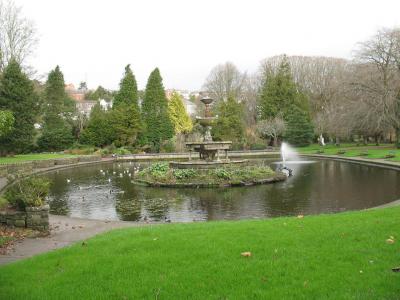
If Cork had a living room, Fitzgerald Park would be it-18 acres of open-air lounging with a strong sense of history and a dash of artistic flair. Sitting along the River Lee, about a 20-minute wander from the city centre, the park was first laid out in 1902 for the Cork International Exhibition. When the fair packed up, the landscaped grounds stayed put, transforming into the public space locals know today. Its name honours Edward Fitzgerald, Cork’s Lord Mayor from 1901 to 1903, who championed bringing the exhibition to the city.
It’s a place where stone, bronze, and greenery mingle. Sculptures by heavyweights like Seamus Murphy and Oisín Kelly punctuate the lawns, each adding its own accent to the landscape. The Georgian-style Cork Public Museum, tucked within the park, dives into archaeology, local history, and cultural heritage, making it a handy side trip if the weather turns. For a softer touch, tree-lined walkways, ornamental gardens, and a central fountain set the scene for a slower pace. On the other side of the spectrum, modern additions-a skate park, large playground, and picnic-friendly lawns-keep things lively.
Seasonal floral displays and riverside views make it an easy sell for photographers and strollers alike. Thanks to its location, you can pair a visit with nearby University College Cork or cross the pedestrian “Shakey Bridge” for another angle on the city. The park’s open lawns also double as a stage for concerts, community gatherings, and open-air performances, meaning you might stumble onto an event without even trying.
Arrive for the art, stay for the quiet lawns, wander into the museum, or stumble upon a gig-you’ll leave with a sense that Fitzgerald Park has slipped you a little extra piece of Cork’s character to carry into the rest of your day.
It’s a place where stone, bronze, and greenery mingle. Sculptures by heavyweights like Seamus Murphy and Oisín Kelly punctuate the lawns, each adding its own accent to the landscape. The Georgian-style Cork Public Museum, tucked within the park, dives into archaeology, local history, and cultural heritage, making it a handy side trip if the weather turns. For a softer touch, tree-lined walkways, ornamental gardens, and a central fountain set the scene for a slower pace. On the other side of the spectrum, modern additions-a skate park, large playground, and picnic-friendly lawns-keep things lively.
Seasonal floral displays and riverside views make it an easy sell for photographers and strollers alike. Thanks to its location, you can pair a visit with nearby University College Cork or cross the pedestrian “Shakey Bridge” for another angle on the city. The park’s open lawns also double as a stage for concerts, community gatherings, and open-air performances, meaning you might stumble onto an event without even trying.
Arrive for the art, stay for the quiet lawns, wander into the museum, or stumble upon a gig-you’ll leave with a sense that Fitzgerald Park has slipped you a little extra piece of Cork’s character to carry into the rest of your day.
2) Mardyke Bridge
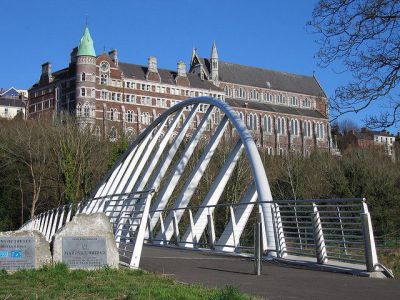
The North Mall to Mardyke section of the Lee Walk was dedicated by the Lord Mayor, Cllr. Deirdre Clune, on 1st February 2006. The bridge is a single span construction made of steel, stretching some 57 metres in length and having a 3 metre-wide footpath cantilevered from the bottom chord of the arch. Integral to the design is a circular viewing platform built into cantilever retaining walls, adjoining the north bank seat.
The bank seats are of reinforced concrete and have architecturally shaped parapets resting on precast concrete piles, driven 10-15 metres into the ground. The bridge is stiffened by the steel deck top plate which helps control its deflections and dampen its dynamics. The plate prevents the arch member from deflecting too much out of plane. Mardyke bridge was manufactured off site with the finishing touches and assembly done on site, upon which it was lifted into position in a single operation.
The bank seats are of reinforced concrete and have architecturally shaped parapets resting on precast concrete piles, driven 10-15 metres into the ground. The bridge is stiffened by the steel deck top plate which helps control its deflections and dampen its dynamics. The plate prevents the arch member from deflecting too much out of plane. Mardyke bridge was manufactured off site with the finishing touches and assembly done on site, upon which it was lifted into position in a single operation.
3) Courthouse
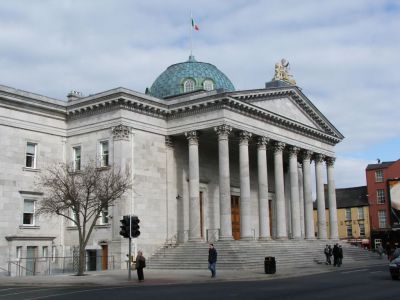
The city of Cork is filled with buildings that are of architectural brilliance and have history attached to it. One such building is the Courthouse of Cork. Standing majestically on Washington’s Street (previously known as the Great George Street), the Courthouse is one structure that can enthrall viewers by its sheer magnitude and presence.
The original building was designed by George Richard Pain and his brother James in 1836. However, the structure underwent serious damage after being exposed to the fire in 1891. Despite the damage done to the building, the portico stayed virtually untouched by the fire. After being engulfed in the fire, the present Courthouse stands in the place of the original Courthouse that was erected almost half a century prior.
At the entrance of the Courthouse, one is welcomed with 10 magnificent columns that handsomely carry the weight of the triangular pediment and the dome on the roof.
Since the Government decided to transfer responsibility of funding from the local authorities to the Department of Justice, the interiors of the building have undergone tremendous changes. As it is open to public, one can take a closer look at this beautiful structure not only from the outside but also tour the inside.
The original building was designed by George Richard Pain and his brother James in 1836. However, the structure underwent serious damage after being exposed to the fire in 1891. Despite the damage done to the building, the portico stayed virtually untouched by the fire. After being engulfed in the fire, the present Courthouse stands in the place of the original Courthouse that was erected almost half a century prior.
At the entrance of the Courthouse, one is welcomed with 10 magnificent columns that handsomely carry the weight of the triangular pediment and the dome on the roof.
Since the Government decided to transfer responsibility of funding from the local authorities to the Department of Justice, the interiors of the building have undergone tremendous changes. As it is open to public, one can take a closer look at this beautiful structure not only from the outside but also tour the inside.
4) Cork Butter Museum
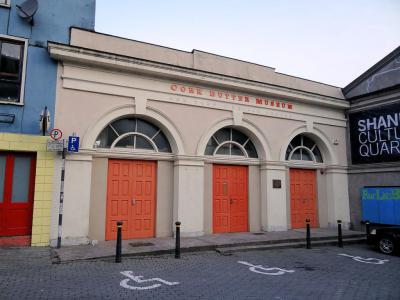
The Cork Butter Museum is situated in the city's historic Shandon area and is one of a kind in a sense that it documents one of the country's greatest success stories, the butter trade. Dairy culture has always played an important role in the economy of the Island of Saints and Scholars. The Museum tells about the prominent in the 19th century Butter Exchange in Cork, the traditional craft of domestic butter making and today's popularity of the Kerrygold brand. The exposition also touches upon the commercial, social, and domestic aspects of life in Ireland.
Why You Should Visit:
A different take on Irish history and plenty to learn about butter-making processes.
This is the place to be if you like butter and its history in Ireland.
Tip:
Check with the museum beforehand for a live butter-making demonstration!
Why You Should Visit:
A different take on Irish history and plenty to learn about butter-making processes.
This is the place to be if you like butter and its history in Ireland.
Tip:
Check with the museum beforehand for a live butter-making demonstration!
5) Crawford Municipal Art Gallery
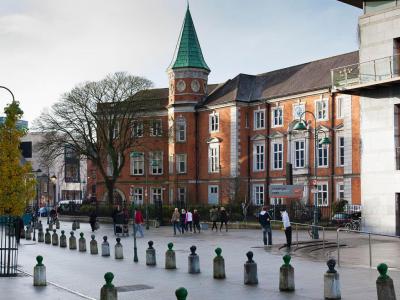
Crawford Municipal Art Gallery is a significant cultural institution dedicated to promoting and showcasing the visual arts, ranging from historical to contemporary works. The Gallery's collection boasts over 3,000 pieces, with a focus on eighteenth-century Irish and European painting and sculpture, contemporary video installations, and Greek and Roman sculpture casts, which form the heart of the collection.
Established in 1818, the Crawford Art Gallery played an important role in promoting Irish and international art practice. Today, it remains committed to fostering recognition and critical assessment of art through its exhibitions and Learn and Explore programmes. The Gallery is situated in the heart of Cork City and is an essential part of Ireland's cultural and tourism infrastructure, attracting over 250,000 visitors annually. The admission to the Gallery is free, making it accessible to everyone.
Originally built in 1724 as the city's custom house, the Crawford Municipal Art Gallery is home to the Canova Casts, a gift to the city of Cork from the Vatican Museum in Rome. The Gallery's historic collection includes famous and beloved works by 20th-century Irish artists such as Seán Keating, Harry Clarke, Norah McGuinness, Mainie Jellett, and Jack B. Yeats. The modern collection features works by contemporary artists like Eilis O'Connell, Gerard Byrne, Dorothy Cross, Maud Cotter, and Hughie O'Donoghue.
The Crawford Municipal Art Gallery is a place where visitors can explore and appreciate the rich history and diversity of the visual arts. It is an excellent destination for anyone interested in art and culture and provides a unique opportunity to experience the best of Ireland's art scene. Whether you are an art lover, a history buff, or just looking for a place to spend some time, the Crawford Municipal Art Gallery is definitely worth a visit.
Why You Should Visit:
Many interesting exhibits (statues, photographs, paintings, etc).
Beautiful place for a meal and time out.
Free to the public.
Tip:
The gallery's café is one of the best to go for breakfast in Cork.
Established in 1818, the Crawford Art Gallery played an important role in promoting Irish and international art practice. Today, it remains committed to fostering recognition and critical assessment of art through its exhibitions and Learn and Explore programmes. The Gallery is situated in the heart of Cork City and is an essential part of Ireland's cultural and tourism infrastructure, attracting over 250,000 visitors annually. The admission to the Gallery is free, making it accessible to everyone.
Originally built in 1724 as the city's custom house, the Crawford Municipal Art Gallery is home to the Canova Casts, a gift to the city of Cork from the Vatican Museum in Rome. The Gallery's historic collection includes famous and beloved works by 20th-century Irish artists such as Seán Keating, Harry Clarke, Norah McGuinness, Mainie Jellett, and Jack B. Yeats. The modern collection features works by contemporary artists like Eilis O'Connell, Gerard Byrne, Dorothy Cross, Maud Cotter, and Hughie O'Donoghue.
The Crawford Municipal Art Gallery is a place where visitors can explore and appreciate the rich history and diversity of the visual arts. It is an excellent destination for anyone interested in art and culture and provides a unique opportunity to experience the best of Ireland's art scene. Whether you are an art lover, a history buff, or just looking for a place to spend some time, the Crawford Municipal Art Gallery is definitely worth a visit.
Why You Should Visit:
Many interesting exhibits (statues, photographs, paintings, etc).
Beautiful place for a meal and time out.
Free to the public.
Tip:
The gallery's café is one of the best to go for breakfast in Cork.
6) South Presentation Convent
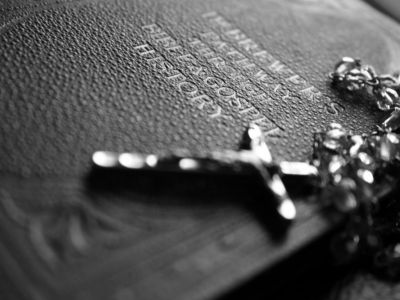
The South Presentation Convent is framed between Abbey St., Douglas St., Evergreen St. and Nicholas St. The site is truly historic in a sense that here Nano Nagle opened her schools for educating the poor in the late 18th century. Her grave is found behind the chapel in the Nun’s graveyard. The oldest building on the site dates back to 1771. Rather modest in appearance, yet much extended, it was built by Nano Nagle for the Ursuline order. It stands in the middle of the present convent, and features a number of original spaces, including Nano Nagle’s Parlour on the ground floor and the former chapel above. The Heritage Room, surveying the garden, is part of a structure built in 1780 for the Ursulines; it has various artefacts and memorabilia on display.
7) St. Fin Barre's Cathedral (must see)
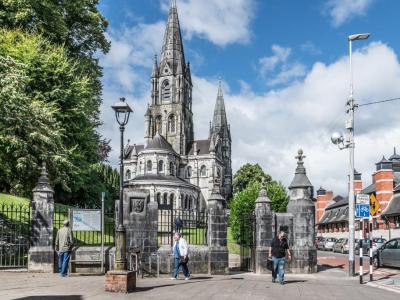
Saint Finn Barre’s Cathedral practically crowns Cork, with three spires that have been keeping watch since the late 19th century. But the story goes back much further. In the 7th century, Saint Fin Barre, Cork’s patron, founded a monastery here. That first building didn’t survive the 12th-century Norman invasion, and its successors fared no better-each replaced by something grander, as if every generation was trying to outdo the last. The Gothic Revival masterpiece you see today was built between 1863 and 1879, designed by William Burges, a man who wasn’t content to just draw blueprints-he dreamed up everything from the stained glass to the furniture.
Burges was so determined to see the cathedral completed his way that he left behind two detailed “how-to” manuals-the Book of Furniture and the Book of Designs-like a Victorian IKEA guide, only with more angels and gargoyles. Those plans have kept restorations faithful to the original, even down to re-carving sculptures degraded by Cork’s damp climate. Built mainly from local limestone, with marble columns inside, the cathedral’s skyline signature is the gilded copper “Golden Angel,” gleaming from the sanctuary roof.
Step inside and it’s sensory overload-in the best way. Mosaic pavements underfoot, a marble nave soaring above, and a pulpit propped up on four sculpted legs. The brass lectern stares back at you with the faces of Moses and King David. Seventy-four stained glass windows tell biblical tales, except in the nave, where the signs of the zodiac sneak in. The 1870 William Hill & Sons pipe organ has more than 4,500 pipes, making sure any note played resonates through both stone and soul. And if you can brave a steep, dim staircase, you’ll be rewarded with a sweeping panorama of Cork, spires in the foreground, rooftops fading into the distance.
Today, St. Fin Barre’s is more than a place of worship-it’s part of Cork’s cultural bloodstream, hosting concerts, events, and standing within easy reach of Elizabeth Fort and the city’s historic lanes. For anyone with an eye for architecture, a love of history, or just an appreciation for an excellent city view, it’s a stop that delivers on every level.
Burges was so determined to see the cathedral completed his way that he left behind two detailed “how-to” manuals-the Book of Furniture and the Book of Designs-like a Victorian IKEA guide, only with more angels and gargoyles. Those plans have kept restorations faithful to the original, even down to re-carving sculptures degraded by Cork’s damp climate. Built mainly from local limestone, with marble columns inside, the cathedral’s skyline signature is the gilded copper “Golden Angel,” gleaming from the sanctuary roof.
Step inside and it’s sensory overload-in the best way. Mosaic pavements underfoot, a marble nave soaring above, and a pulpit propped up on four sculpted legs. The brass lectern stares back at you with the faces of Moses and King David. Seventy-four stained glass windows tell biblical tales, except in the nave, where the signs of the zodiac sneak in. The 1870 William Hill & Sons pipe organ has more than 4,500 pipes, making sure any note played resonates through both stone and soul. And if you can brave a steep, dim staircase, you’ll be rewarded with a sweeping panorama of Cork, spires in the foreground, rooftops fading into the distance.
Today, St. Fin Barre’s is more than a place of worship-it’s part of Cork’s cultural bloodstream, hosting concerts, events, and standing within easy reach of Elizabeth Fort and the city’s historic lanes. For anyone with an eye for architecture, a love of history, or just an appreciation for an excellent city view, it’s a stop that delivers on every level.
