Custom Walk in Brugge, Belgium by chloe_stoyanovski_556f4 created on 2026-03-13
Guide Location: Belgium » Brugge
Guide Type: Custom Walk
# of Sights: 11
Tour Duration: 2 Hour(s)
Travel Distance: 3.9 Km or 2.4 Miles
Share Key: VY36E
Guide Type: Custom Walk
# of Sights: 11
Tour Duration: 2 Hour(s)
Travel Distance: 3.9 Km or 2.4 Miles
Share Key: VY36E
How It Works
Please retrieve this walk in the GPSmyCity app. Once done, the app will guide you from one tour stop to the next as if you had a personal tour guide. If you created the walk on this website or come to the page via a link, please follow the instructions below to retrieve the walk in the app.
Retrieve This Walk in App
Step 1. Download the app "GPSmyCity: Walks in 1K+ Cities" on Apple App Store or Google Play Store.



Step 2. In the GPSmyCity app, download(or launch) the guide "Brugge Map and Walking Tours".
Step 3. Tap the menu button located at upper right corner of the "Walks" screen and select "Retrieve custom walk". Enter the share key: VY36E
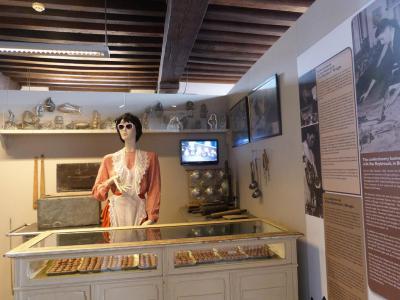
1) Choco Story - The Chocolate Museum
The Choco Story is a deliciously informative museum located in a historic building in Bruges. It is dedicated to informing visitors about all aspects of chocolate.
The Chocolate Museum is located in the historic Huis ‘de Crone’ on Sint-Jansplein in Bruges. The building was a wine tavern in the 1500s. It subsequently served as a bakery and later, in the 1900s, became a furniture factory. Today, it is the most popular museum in the city among visitors of all ages. Visitors can also view chocolate being freshly made right there on the site.
The Chocolate Museum takes visitors through the history and development of chocolate, from its first use by the Mayas and Aztecs of Central America to the arrival in Europe and evolution of the different confectioneries that are popular today. There is a special section about the development of Belgian chocolate, including the well known Belgian Praline, and another section, devoted to the health benefits of chocolate. The museum shop sells different types of chocolate confectionery and books about cocoa and chocolate making.
The Chocolate Museum is located in the historic Huis ‘de Crone’ on Sint-Jansplein in Bruges. The building was a wine tavern in the 1500s. It subsequently served as a bakery and later, in the 1900s, became a furniture factory. Today, it is the most popular museum in the city among visitors of all ages. Visitors can also view chocolate being freshly made right there on the site.
The Chocolate Museum takes visitors through the history and development of chocolate, from its first use by the Mayas and Aztecs of Central America to the arrival in Europe and evolution of the different confectioneries that are popular today. There is a special section about the development of Belgian chocolate, including the well known Belgian Praline, and another section, devoted to the health benefits of chocolate. The museum shop sells different types of chocolate confectionery and books about cocoa and chocolate making.
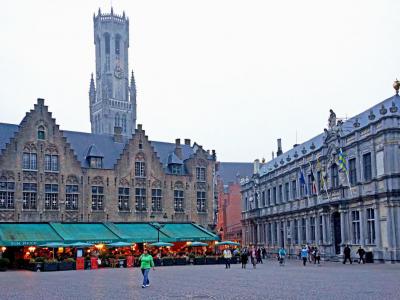
2) Burg Square (must see)
Located in the heart of Brugge, right next to the Market Square, the Burg Square is a much smaller place, but no less beautiful. It is flanked by many historic buildings and is the administrative center of the city.
The Burg is on the site of a former fortified castle built by Baldwin, the Iron Arm who was the first Count of Flanders. He constructed it to protect the land around from invading Normans and Vikings. The castle was built on a former Roman edifice. The city of Bruges grew around this castle, making the Burg the oldest location in the city. At the time, the first church in the city, the Saint Donatius Church was also located here. The castle and the church did not survive, today only a small reconstruction of the choir of the church remains.
Buildings flanking the Burg today include the large 12th century City Hall with its Gothic-style façade, the Old Civil Registry with a Renaissance façade, the former Court of Justice, a Neo-Classicist building that now houses the tourist information center among other administrative offices, and the Baroque-style building that was once the Deanery or residence of the deans of Saint Donatius Church. The Deanery is now part of the palace of the Bishop of Bruges. The Burg is also the location of the important pilgrimage sites in Bruges, the Chapel of the Holy Blood and the Saint Basilius Church.
Why You Should Visit:
Architecturally this square is hard to beat, combining a mixture of Gothic, Baroque, and Renaissance-inspired buildings. Rain or shine, it always has a special charm.
Tip:
Make sure you visit the Burg Square both during the day and the evening – the evening lights are magical. Look to the right of the Basilica for the Struise Beershop, where you can have a glass of beer while checking out its great beer selection.
The Burg is on the site of a former fortified castle built by Baldwin, the Iron Arm who was the first Count of Flanders. He constructed it to protect the land around from invading Normans and Vikings. The castle was built on a former Roman edifice. The city of Bruges grew around this castle, making the Burg the oldest location in the city. At the time, the first church in the city, the Saint Donatius Church was also located here. The castle and the church did not survive, today only a small reconstruction of the choir of the church remains.
Buildings flanking the Burg today include the large 12th century City Hall with its Gothic-style façade, the Old Civil Registry with a Renaissance façade, the former Court of Justice, a Neo-Classicist building that now houses the tourist information center among other administrative offices, and the Baroque-style building that was once the Deanery or residence of the deans of Saint Donatius Church. The Deanery is now part of the palace of the Bishop of Bruges. The Burg is also the location of the important pilgrimage sites in Bruges, the Chapel of the Holy Blood and the Saint Basilius Church.
Why You Should Visit:
Architecturally this square is hard to beat, combining a mixture of Gothic, Baroque, and Renaissance-inspired buildings. Rain or shine, it always has a special charm.
Tip:
Make sure you visit the Burg Square both during the day and the evening – the evening lights are magical. Look to the right of the Basilica for the Struise Beershop, where you can have a glass of beer while checking out its great beer selection.
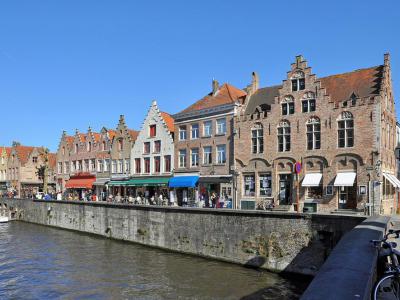
3) Rozenhoedkaai (Rose Hat Quay)
Rose Hat Quay is one of the most photogenic sites in Brugge. Here, the Groenerei and Dijver canals meet.
Historians believe that this area was used by trading ships to moor and unload their goods. One of the most popular commodities was salt, a precious commodity in the Middle Ages.
The view from the quay overlooks ancient homes lining canals. The beautiful buildings are reflected in the water and provide a postcard-perfect scene. From this vantage point, visitors can see perfectly maintained medieval homes and shops with classical facades. The bridge and wooden docks are all in exceptional condition.
This is a great spot to take a canal tour and see the historic city from the water. A stop here is a stop back in time!
Like Market Square, Rose Hat Quay is gorgeous at sunset and dusk as the lights sparkle in the water's reflection.
Historians believe that this area was used by trading ships to moor and unload their goods. One of the most popular commodities was salt, a precious commodity in the Middle Ages.
The view from the quay overlooks ancient homes lining canals. The beautiful buildings are reflected in the water and provide a postcard-perfect scene. From this vantage point, visitors can see perfectly maintained medieval homes and shops with classical facades. The bridge and wooden docks are all in exceptional condition.
This is a great spot to take a canal tour and see the historic city from the water. A stop here is a stop back in time!
Like Market Square, Rose Hat Quay is gorgeous at sunset and dusk as the lights sparkle in the water's reflection.
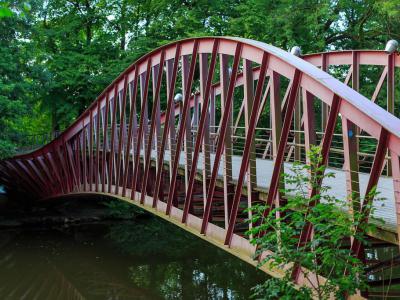
4) Bargebrug (Barge Bridge)
The Bargebrug (Barge Bridge) in Bruges is a modern architectural marvel that connects the serene Minnewater Park with the bustling Barge Square. This contemporary structure stands out with its vivid red color, forming a striking contrast against the lush green backdrop of the surrounding parkland. Asymmetric in design, the bridge showcases curved lines that elegantly pop against its environment, making it a must-see on any stroll along the City Ramparts.
Designed during a significant period in Bruges's history, when the city was celebrated as the Cultural Capital of Europe in 2002, the Bargebrug was part of a larger urban development project. The city council aimed to enhance Kanaaleiland, providing quality access to the city for visitors, particularly those arriving by bus. This initiative led to the creation of not only the bridge but also a well-integrated parking plaza complete with reception facilities, all designed by the same architect in a coherent style.
The bridge's design is both functional and symbolic, featuring a parapet that starts vertically but opens up as it nears the inner city. This dynamic curvature is not just an aesthetic choice but also a practical solution to bridge the height difference between the lower-situated Bargeplein and the City Ramparts. Today, the bridge serves as a gateway to Bruges, drawing visitors to the iconic Lake of Love Park and the nearby Beguinage, and stands as a testament to the city's commitment to blending functionality with striking modern design.
Designed during a significant period in Bruges's history, when the city was celebrated as the Cultural Capital of Europe in 2002, the Bargebrug was part of a larger urban development project. The city council aimed to enhance Kanaaleiland, providing quality access to the city for visitors, particularly those arriving by bus. This initiative led to the creation of not only the bridge but also a well-integrated parking plaza complete with reception facilities, all designed by the same architect in a coherent style.
The bridge's design is both functional and symbolic, featuring a parapet that starts vertically but opens up as it nears the inner city. This dynamic curvature is not just an aesthetic choice but also a practical solution to bridge the height difference between the lower-situated Bargeplein and the City Ramparts. Today, the bridge serves as a gateway to Bruges, drawing visitors to the iconic Lake of Love Park and the nearby Beguinage, and stands as a testament to the city's commitment to blending functionality with striking modern design.
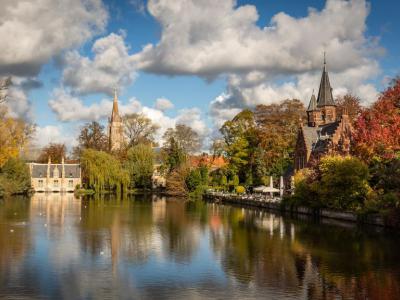
5) Minnewater (Lake of Love) (must see)
Minnewater Park is home to the Lake of Love and Lovers Bridge. This destination is every bit as romantic and tranquil as it sounds. Minnewater is named after a popular legend.
The tragic legend recounts the tale of Minna, a young woman who was in love with a warrior of a neighboring tribe. Minna ran away from her father to avoid being forced to marry someone else. She ran into the forest and found her lover, only to die in his arms of exhaustion from her journey. The lake, bridge, and park are named in memory of Minna.
Legend says that if you cross the bridge with your partner, you will experience eternal love.
The lake is a reservoir and part of Brugge's canal system. Visitors can enjoy crossing the bridges in the park and enjoying the serene atmosphere. Minnewater Park is an excellent place for photos. Swans, which are Brugge's emblem, are usually present on the lake.
The park hosts various festivals and concerts throughout the year.
The tragic legend recounts the tale of Minna, a young woman who was in love with a warrior of a neighboring tribe. Minna ran away from her father to avoid being forced to marry someone else. She ran into the forest and found her lover, only to die in his arms of exhaustion from her journey. The lake, bridge, and park are named in memory of Minna.
Legend says that if you cross the bridge with your partner, you will experience eternal love.
The lake is a reservoir and part of Brugge's canal system. Visitors can enjoy crossing the bridges in the park and enjoying the serene atmosphere. Minnewater Park is an excellent place for photos. Swans, which are Brugge's emblem, are usually present on the lake.
The park hosts various festivals and concerts throughout the year.
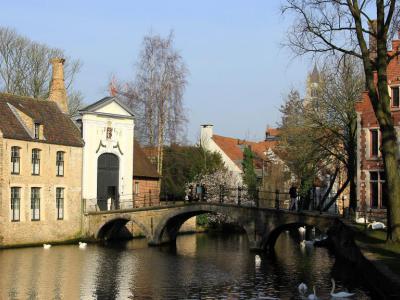
6) Begijnhof (Beguinage Houses) (must see)
The Beguinage dates back to 1245. The Beguinage was a community of women who devoted themselves to poverty, simplicity and preaching. They operated under lay orders and not binding vows. Women working in the Beguinage could leave the community at any time.
Most of the buildings are newer and date to the 19th century. The last beguinage woman left in 1927. Since then, the area has housed a community of Benedictine nuns.
Visitors can enter the Beguinage over a bridge and continue through a 1776 gatehouse. A church has been on this site since 1245. However, the first church burned and was replaced in 1605. The church is dedicated to Saint Elisabeth of Hungary and received a Baroque update in the early 1700s.
The altar is dedicated to Saint Joseph. The chapel's most revered treasure is a gilded Madonna and child that dates to 1240.
A small museum on the ground depicts the living quarters of beguine. The Benedictine Sisters appreciate silence as they go about their work. The expansive lawn features beautiful poplars and is a wonderful place to appreciate the silence and reverent dedication of the sisters.
Most of the buildings are newer and date to the 19th century. The last beguinage woman left in 1927. Since then, the area has housed a community of Benedictine nuns.
Visitors can enter the Beguinage over a bridge and continue through a 1776 gatehouse. A church has been on this site since 1245. However, the first church burned and was replaced in 1605. The church is dedicated to Saint Elisabeth of Hungary and received a Baroque update in the early 1700s.
The altar is dedicated to Saint Joseph. The chapel's most revered treasure is a gilded Madonna and child that dates to 1240.
A small museum on the ground depicts the living quarters of beguine. The Benedictine Sisters appreciate silence as they go about their work. The expansive lawn features beautiful poplars and is a wonderful place to appreciate the silence and reverent dedication of the sisters.
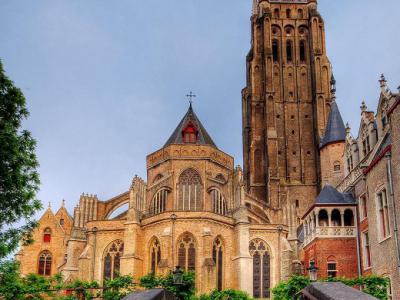
7) Church of Our Lady (must see)
The Church of Our Lady is a stunning example of Gothic architecture. The church dates back to the 13th century. The tower is 115.6 meters (379 feet) tall and is the tallest structure in Brugge. The impressive tower is the third tallest brickwork tower in the world.
The exterior flying buttresses were built in the 13th century. The interior side aisles and chancel feature ornate Baroque style.
Several notable tombs are located behind the altar. Charles the Bold and his daughter Duchess Mary are interred here. The tombs feature gilded bronze effigies. Charles the Bold wears full armor. Both Charles and Mary are shown wearing crowns. Mary Lovel, the founder of a convent at Antwerp, is also buried here.
Michelangelo created a stunning white marble sculpture of the Madonna and Child around 1504. The sculpture was donated to the Church of Our Lady in 1514. This sculpture is the biggest attraction in the Church of Our Lady and is located in the large chapel known as the Cappella sacra.
The sculpture is notable on two fronts. First, it is the only Michelangelo artwork that left Italy during his lifetime. Second, instead of featuring a Modonna looking lovingly at her child, this interpretation shows Madonna's sorrow at what will happen to her son.
French revolutionaries looted the sculpture in 1794 as did the German Nazis in 1944. It was successfully recovered both times. Near the sculpture, there are other tombs of important Brugeans. In addition, the Last Supper and Adoration of the Shepards by Pieter Poubus and the Transfigeration by Gerard David are outstanding.
Why You Should Visit:
To admire the huge brick tower, multiple altars, multiple organs, and some great artwork! The combination of this church and the Bonifacius bridge, plus the gardens and the canals is absolutely fabulous.
The exterior flying buttresses were built in the 13th century. The interior side aisles and chancel feature ornate Baroque style.
Several notable tombs are located behind the altar. Charles the Bold and his daughter Duchess Mary are interred here. The tombs feature gilded bronze effigies. Charles the Bold wears full armor. Both Charles and Mary are shown wearing crowns. Mary Lovel, the founder of a convent at Antwerp, is also buried here.
Michelangelo created a stunning white marble sculpture of the Madonna and Child around 1504. The sculpture was donated to the Church of Our Lady in 1514. This sculpture is the biggest attraction in the Church of Our Lady and is located in the large chapel known as the Cappella sacra.
The sculpture is notable on two fronts. First, it is the only Michelangelo artwork that left Italy during his lifetime. Second, instead of featuring a Modonna looking lovingly at her child, this interpretation shows Madonna's sorrow at what will happen to her son.
French revolutionaries looted the sculpture in 1794 as did the German Nazis in 1944. It was successfully recovered both times. Near the sculpture, there are other tombs of important Brugeans. In addition, the Last Supper and Adoration of the Shepards by Pieter Poubus and the Transfigeration by Gerard David are outstanding.
Why You Should Visit:
To admire the huge brick tower, multiple altars, multiple organs, and some great artwork! The combination of this church and the Bonifacius bridge, plus the gardens and the canals is absolutely fabulous.
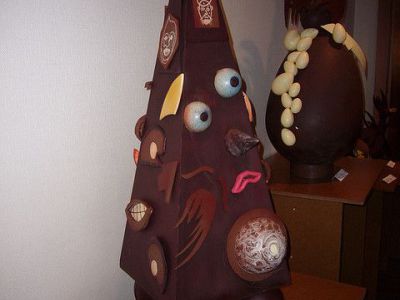
8) The Old Chocolate House
Nestled in the heart of Bruges, a city renowned for its rich history and even richer chocolate, The Old Chocolate House represents a true delight for cocoa enthusiasts. This family-run establishment prides itself on delivering exceptional chocolate experiences, using only the finest ingredients to create confections that truly deserve to be savored.
Upon entering The Old Chocolate House, visitors are greeted by a quaint little shop on the ground floor. Here, chocolate takes center stage in myriad forms and flavors, complemented by a selection of artisanal biscuits and other sweets. It’s not just a store; it’s an invitation to explore the vast array of tastes that chocolate can offer.
The adventure continues as you ascend to the first floor, aptly named “Chocolate Heaven.” This space is dedicated to indulging your senses, where handmade delights crafted from fresh cream and cocoa butter await. From the signature hot chocolate, lavishly topped with whipped cream, to expertly crafted pralines that connect you to the city's storied past, every item is a homage to the traditions of Belgian chocolate craftsmanship.
While chocolate is undoubtedly the star, The Old Chocolate House’s menu extends beyond. The tea room on the second level offers an array of decadent treats including fluffy Belgian waffles, rich chocolate soufflés, and the standout salted caramel milk chocolate hot chocolate. Unique to their service, you are provided with a large cup of hot milk and chocolate truffles to whisk into your perfect beverage, enhancing the personal touch of your chocolate experience.
Whether you’re a chocolate aficionado or just looking to taste a piece of Bruges’ culture, The Old Chocolate House offers more than just food; it provides a memorable experience. The ambiance of the shop, combined with the warm, friendly service ensures that each visit is special.
Upon entering The Old Chocolate House, visitors are greeted by a quaint little shop on the ground floor. Here, chocolate takes center stage in myriad forms and flavors, complemented by a selection of artisanal biscuits and other sweets. It’s not just a store; it’s an invitation to explore the vast array of tastes that chocolate can offer.
The adventure continues as you ascend to the first floor, aptly named “Chocolate Heaven.” This space is dedicated to indulging your senses, where handmade delights crafted from fresh cream and cocoa butter await. From the signature hot chocolate, lavishly topped with whipped cream, to expertly crafted pralines that connect you to the city's storied past, every item is a homage to the traditions of Belgian chocolate craftsmanship.
While chocolate is undoubtedly the star, The Old Chocolate House’s menu extends beyond. The tea room on the second level offers an array of decadent treats including fluffy Belgian waffles, rich chocolate soufflés, and the standout salted caramel milk chocolate hot chocolate. Unique to their service, you are provided with a large cup of hot milk and chocolate truffles to whisk into your perfect beverage, enhancing the personal touch of your chocolate experience.
Whether you’re a chocolate aficionado or just looking to taste a piece of Bruges’ culture, The Old Chocolate House offers more than just food; it provides a memorable experience. The ambiance of the shop, combined with the warm, friendly service ensures that each visit is special.
9) Steenstraat (Stone Street)
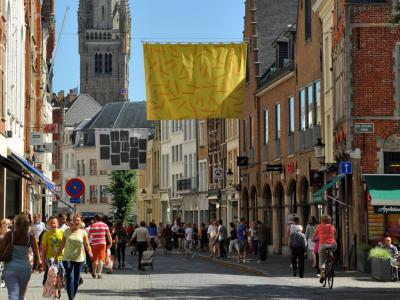
Stone Street (Steenstraat) is a vibrant and historic avenue in the heart of Bruges, known for its bustling atmosphere and rich history. Serving as a primary shopping destination, Stone Street offers a dynamic mix of retail experiences, from famous brand names to quaint local boutiques and cozy antique shops. The street is always alive with tourists and locals alike, exploring its diverse offerings.
As one of the oldest roads in Bruges, Stone Street boasts a deep historical significance. It is part of the ancient Zandstraat, a road network that predates the Roman era, initially connecting the towns of Oudenburg and Aardenburg and weaving through several villages. This route was later upgraded by the Romans, becoming an important Roman highway. Stone Street's name reflects its historical importance as one of the first paved streets in the city, a testament to its longstanding utility and significance.
The street stretches from the Grote Markt, Bruges' bustling market square, to the Saint Salvator's Cathedral. This Gothic cathedral, the oldest in Bruges, is renowned for its towering presence and houses an impressive collection of Flemish art, offering cultural enrichment to visitors.
Today, Stone Street is not only a top shopping destination but also a site of architectural and cultural beauty. The street is lined with an array of shops, cafes, and restaurants, providing a lively and immersive cultural experience. Whether visitors are searching for high-end fashion, unique antiques, or a pleasant dining experience, Stone Street caters to a wide array of tastes and preferences, making it a must-visit location in Bruges for anyone looking to capture the essence of this historic city.
As one of the oldest roads in Bruges, Stone Street boasts a deep historical significance. It is part of the ancient Zandstraat, a road network that predates the Roman era, initially connecting the towns of Oudenburg and Aardenburg and weaving through several villages. This route was later upgraded by the Romans, becoming an important Roman highway. Stone Street's name reflects its historical importance as one of the first paved streets in the city, a testament to its longstanding utility and significance.
The street stretches from the Grote Markt, Bruges' bustling market square, to the Saint Salvator's Cathedral. This Gothic cathedral, the oldest in Bruges, is renowned for its towering presence and houses an impressive collection of Flemish art, offering cultural enrichment to visitors.
Today, Stone Street is not only a top shopping destination but also a site of architectural and cultural beauty. The street is lined with an array of shops, cafes, and restaurants, providing a lively and immersive cultural experience. Whether visitors are searching for high-end fashion, unique antiques, or a pleasant dining experience, Stone Street caters to a wide array of tastes and preferences, making it a must-visit location in Bruges for anyone looking to capture the essence of this historic city.
10) Grôte Markt (Market Square) (must see)
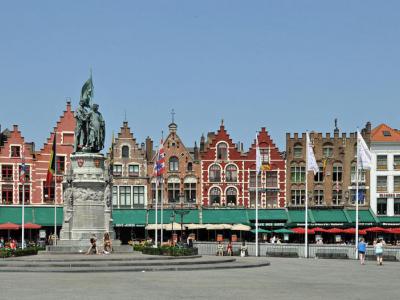
The Market Square is the largest square in Brugge. Market Square has been used as a marketplace since 958 and has hosted a weekly market since 985. The medieval Water Halls stood in this location. Commerical ships would unload products to covered halls here. The items would then be stored or sold at the market.
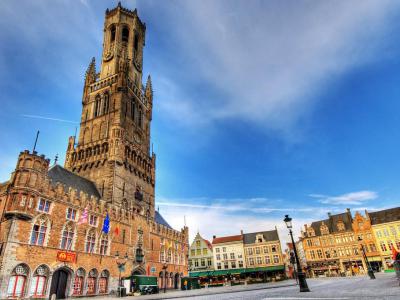
Market Square is home to the Belfry, Brugge's most admired landmark. The iconic Belfry was constructed in the 13th century and features a carillion with 48 bells. This ornate medieval belfry is Market Square's most striking attraction.
Cranenburg House is also located in the square. Emperor Maximilian of Austria was imprisoned in Cranenburg House in 1488. The 15th century Bouckhoute House is the oldest home in the square. Visitors can also check out the Historium, an immersive attraction that takes visitors back to the 15th century.
Today, Market Square is home to various banks and restaurants. It is primarily traffic-free, so pedestrians can freely walk through the square.
Market Day is held on Wednesdays. Visitors can shop for fresh fruits, vegetables, meat, and cheese. Stalls also sell fresh flowers. If you're already hungry as you shop the market, vendors have hot and cold snacks available. Vendors also sell traditional items and handmade crafts.
There are two impressive statues in the center of the square. The statues represent Jan Breydel and Pieter de Coninck, who fought against the French in the 14th century.
Visitors who want to see the square at a different pace can go for a ride on a horse-drawn carriage around the square.
Tips:
Visit the Market Square at dusk as the square's lights come out. It's beautiful!
Market Square is home to the Belfry, Brugge's most admired landmark. The iconic Belfry was constructed in the 13th century and features a carillion with 48 bells. This ornate medieval belfry is Market Square's most striking attraction.
Cranenburg House is also located in the square. Emperor Maximilian of Austria was imprisoned in Cranenburg House in 1488. The 15th century Bouckhoute House is the oldest home in the square. Visitors can also check out the Historium, an immersive attraction that takes visitors back to the 15th century.
Today, Market Square is home to various banks and restaurants. It is primarily traffic-free, so pedestrians can freely walk through the square.
Market Day is held on Wednesdays. Visitors can shop for fresh fruits, vegetables, meat, and cheese. Stalls also sell fresh flowers. If you're already hungry as you shop the market, vendors have hot and cold snacks available. Vendors also sell traditional items and handmade crafts.
There are two impressive statues in the center of the square. The statues represent Jan Breydel and Pieter de Coninck, who fought against the French in the 14th century.
Visitors who want to see the square at a different pace can go for a ride on a horse-drawn carriage around the square.
Tips:
Visit the Market Square at dusk as the square's lights come out. It's beautiful!
11) Belfort (Belfry & Carillon) (must see)
The Belfry of Bruges, also known as Belfort, is a captivating medieval bell tower that stands in the historic center of Bruges. This towering structure, reaching 83 meters in height and leaning about a meter to the east, is not only a significant architectural landmark but also one of the city's most emblematic symbols.
Originally erected around 1240 in the main market square, the Belfry has played various pivotal roles throughout its history. In its earlier days, it served multiple purposes: it housed the city's treasury, safeguarded the municipal archives, and functioned as a vital lookout post for spotting fires and other potential dangers within the city.
The tower is renowned for its challenging ascent, featuring a narrow and steep staircase of 366 steps. This climb is open to the public for those willing to pay an entry fee, offering an immersive experience of the tower’s historical and architectural significance. Visitors are rewarded with several rest stops which include the old treasury where the city’s charters, seal, and public funds were securely stored during the Middle Ages, as well as the impressive clock level and the carillonneur’s chamber.
A significant addition to the Belfry was made in the 16th century when it received a carillon, equipping the tower with a hand keyboard that allowed the bells to be played manually. The carillon has evolved; originally comprising 35 bells crafted by Melchior de Haze of Antwerp in 1675, it expanded to 48 bells by the end of the 19th century. Today, the carillon consists of 47 bells, collectively weighing approximately 27.5 tons.
For those awaiting their turn to ascend, the reception area offers a plethora of informative displays detailing the history and operation of this unique structure, now protected as a world heritage site. This enriching historical and cultural experience makes the Belfry of Bruges a must-visit for anyone interested in the rich heritage of this charming Belgian city.
Why You Should Visit:
Climbing the bell tower on a clear day is well worth it if you are not easily claustrophobic and you can manage the 350+ steps.
Tip:
Go and listen to the free bell-ringing concerts on Mondays & Wednesdays (9-10 pm). You can just sit in the square and listen or in a café with a drink. Programs are available from the Belfort website.
Originally erected around 1240 in the main market square, the Belfry has played various pivotal roles throughout its history. In its earlier days, it served multiple purposes: it housed the city's treasury, safeguarded the municipal archives, and functioned as a vital lookout post for spotting fires and other potential dangers within the city.
The tower is renowned for its challenging ascent, featuring a narrow and steep staircase of 366 steps. This climb is open to the public for those willing to pay an entry fee, offering an immersive experience of the tower’s historical and architectural significance. Visitors are rewarded with several rest stops which include the old treasury where the city’s charters, seal, and public funds were securely stored during the Middle Ages, as well as the impressive clock level and the carillonneur’s chamber.
A significant addition to the Belfry was made in the 16th century when it received a carillon, equipping the tower with a hand keyboard that allowed the bells to be played manually. The carillon has evolved; originally comprising 35 bells crafted by Melchior de Haze of Antwerp in 1675, it expanded to 48 bells by the end of the 19th century. Today, the carillon consists of 47 bells, collectively weighing approximately 27.5 tons.
For those awaiting their turn to ascend, the reception area offers a plethora of informative displays detailing the history and operation of this unique structure, now protected as a world heritage site. This enriching historical and cultural experience makes the Belfry of Bruges a must-visit for anyone interested in the rich heritage of this charming Belgian city.
Why You Should Visit:
Climbing the bell tower on a clear day is well worth it if you are not easily claustrophobic and you can manage the 350+ steps.
Tip:
Go and listen to the free bell-ringing concerts on Mondays & Wednesdays (9-10 pm). You can just sit in the square and listen or in a café with a drink. Programs are available from the Belfort website.
