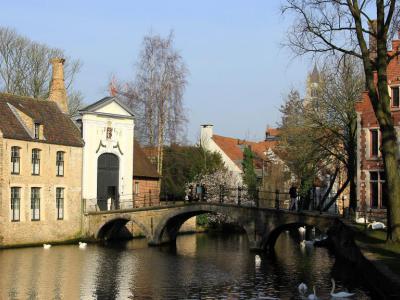


Begijnhof (Beguinage Houses), Bruges (must see)
The Beguinage Houses, founded in 1245 by Margaret of Constantinople, Countess of Flanders, was established as a community for beguines—lay religious women who dedicated their lives to prayer, charity, and work without taking permanent monastic vows. Unlike nuns, beguines remained financially independent and were free to leave the community and marry if they wished.
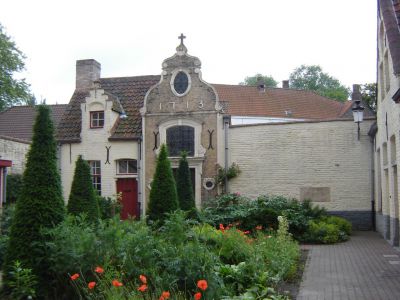
The Beguinage flourished throughout the Middle Ages and eventually grew into a small enclosed village with houses, a church, gardens, and communal buildings arranged around a large central green. Although many of the original medieval buildings have disappeared, most of the whitewashed houses visible today date from the 16th to the 18th centuries and have been carefully restored over the years.
Visitors enter the Beguinage by crossing a small stone bridge and passing through the elegant Baroque entrance gate, completed in 1776. Beyond it lies a tranquil courtyard shaded by tall trees, where the peaceful atmosphere feels remarkably unchanged despite the crowds elsewhere in Brugge.
The Beguinage Church, dedicated to Saint Elizabeth of Hungary, has stood on this site since the foundation of the community. The present church was largely rebuilt in the early 17th century after earlier buildings were damaged by fire and later received Baroque furnishings during the 18th century. Inside, visitors can admire its simple yet elegant interior, including the high altar dedicated to Saint Joseph and a beautiful gilded statue of the Madonna and Child, one of the Beguinage's oldest and most treasured works of art.
In 1927, Benedictine nuns settled in the Beguinage to continue its religious life. They lived alongside the remaining beguines for many decades, and the last beguine, Marcella Pattyn—the final beguine in the world—died in 2013. Today, Benedictine sisters still reside here, preserving the site's contemplative character.
One of the restored houses now serves as the Beguinage Museum, where period furnishings recreate the modest living quarters of a 17th-century beguine. The exhibits provide insight into the daily routine, religious practices, and simple lifestyle of these remarkable women.
The Beguinage flourished throughout the Middle Ages and eventually grew into a small enclosed village with houses, a church, gardens, and communal buildings arranged around a large central green. Although many of the original medieval buildings have disappeared, most of the whitewashed houses visible today date from the 16th to the 18th centuries and have been carefully restored over the years.
Visitors enter the Beguinage by crossing a small stone bridge and passing through the elegant Baroque entrance gate, completed in 1776. Beyond it lies a tranquil courtyard shaded by tall trees, where the peaceful atmosphere feels remarkably unchanged despite the crowds elsewhere in Brugge.
The Beguinage Church, dedicated to Saint Elizabeth of Hungary, has stood on this site since the foundation of the community. The present church was largely rebuilt in the early 17th century after earlier buildings were damaged by fire and later received Baroque furnishings during the 18th century. Inside, visitors can admire its simple yet elegant interior, including the high altar dedicated to Saint Joseph and a beautiful gilded statue of the Madonna and Child, one of the Beguinage's oldest and most treasured works of art.
In 1927, Benedictine nuns settled in the Beguinage to continue its religious life. They lived alongside the remaining beguines for many decades, and the last beguine, Marcella Pattyn—the final beguine in the world—died in 2013. Today, Benedictine sisters still reside here, preserving the site's contemplative character.
One of the restored houses now serves as the Beguinage Museum, where period furnishings recreate the modest living quarters of a 17th-century beguine. The exhibits provide insight into the daily routine, religious practices, and simple lifestyle of these remarkable women.
Want to visit this sight? Check out these Self-Guided Walking Tours in Bruges. Alternatively, you can download the mobile app "GPSmyCity: Walks in 1K+ Cities" from Apple App Store or Google Play Store. The app turns your mobile device to a personal tour guide and it works offline, so no data plan is needed when traveling abroad.
Download The GPSmyCity App



Begijnhof (Beguinage Houses) on Map
Sight Name: Begijnhof (Beguinage Houses)
Sight Location: Bruges, Belgium (See walking tours in Bruges)
Sight Type: Attraction/Landmark
Guide(s) Containing This Sight:
Sight Location: Bruges, Belgium (See walking tours in Bruges)
Sight Type: Attraction/Landmark
Guide(s) Containing This Sight:
Nearby Sights

Walking Tours in Bruges, Belgium

Create Your Own Walk in Bruges
Creating your own self-guided walk in Bruges is easy and fun. Choose the city attractions that you want to see and a walk route map will be created just for you. You can even set your hotel as the start point of the walk.
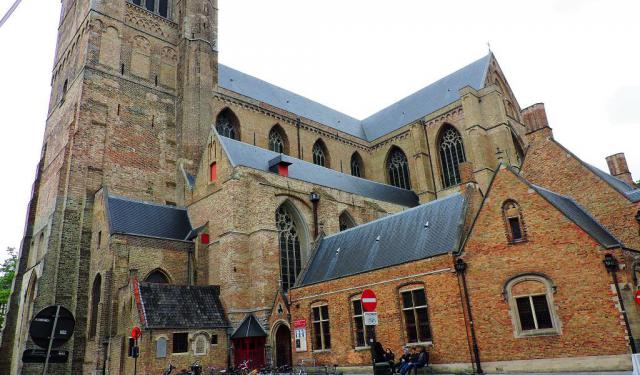
Historical Churches Tour
It's not much of a secret that some of the world's most beautiful churches are found in Brugge. Renowned for its medieval architecture and picturesque canals, this Belgian city is home to several historical temples, adding a great deal of charm to its tapestry.
The Begijnhof, also known as the Beguinage Houses, is a tranquil place and a UNESCO World Heritage Site. Built in the 13th... view more
Tour Duration: 1 Hour(s)
Travel Distance: 2.7 Km or 1.7 Miles
The Begijnhof, also known as the Beguinage Houses, is a tranquil place and a UNESCO World Heritage Site. Built in the 13th... view more
Tour Duration: 1 Hour(s)
Travel Distance: 2.7 Km or 1.7 Miles
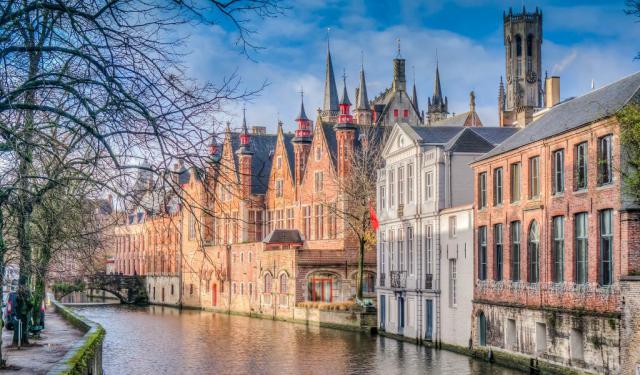
A Walk Through Bruges Historic Center
Austrian writer Stefan Zweig observed, Brugge is "one of the dead cities that have remained alive."
Brugge is one of Europe's best-preserved medieval cities and the historic capital of the Belgian province of West Flanders. Often called the "Venice of the North" because of its picturesque canals, the city has been an important center of trade, art, and culture for more... view more
Tour Duration: 2 Hour(s)
Travel Distance: 2.5 Km or 1.6 Miles
Brugge is one of Europe's best-preserved medieval cities and the historic capital of the Belgian province of West Flanders. Often called the "Venice of the North" because of its picturesque canals, the city has been an important center of trade, art, and culture for more... view more
Tour Duration: 2 Hour(s)
Travel Distance: 2.5 Km or 1.6 Miles
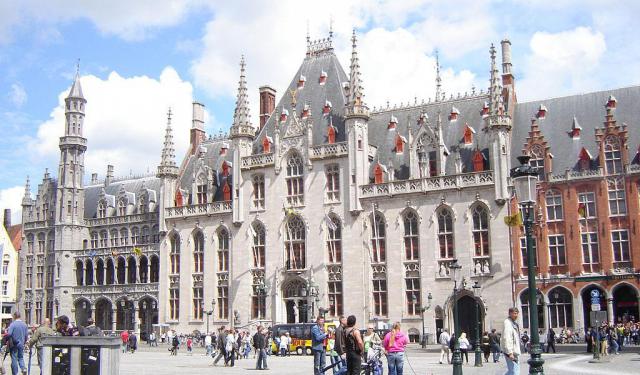
Architectural Jewels Walking Tour
Brugge owes much of its architectural splendor to the extraordinary prosperity it enjoyed during the Middle Ages. From the 12th to the 15th century, its canals connected the city with the North Sea, helping it develop into one of Europe’s foremost commercial centers. Wealthy merchants, international trading communities, religious institutions, and civic authorities commissioned churches,... view more
Tour Duration: 2 Hour(s)
Travel Distance: 3.0 Km or 1.9 Miles
Tour Duration: 2 Hour(s)
Travel Distance: 3.0 Km or 1.9 Miles
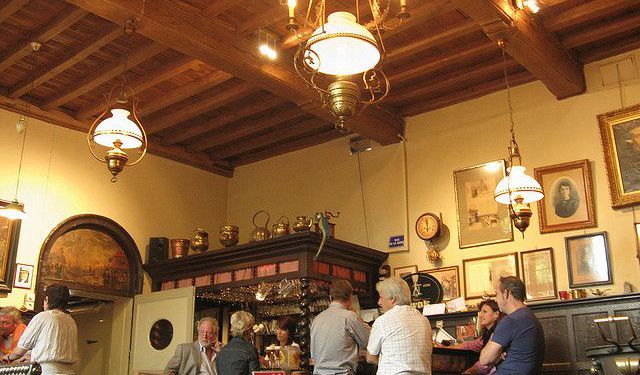
Bruges Beer Tour
The Land of Beer that is Belgium, where each corner calls to you alluringly, has long welcomed thirsty visitors from all over the world. Of all the Belgian destinations, the medieval city of Bruges is a perfect place to promote one of the country’s most important and best-known exports. Back in the 15th century, at the peak of its commercial might, the city boasted over 50 working breweries... view more
Tour Duration: 1 Hour(s)
Travel Distance: 1.7 Km or 1.1 Miles
Tour Duration: 1 Hour(s)
Travel Distance: 1.7 Km or 1.1 Miles