Custom Walk in Riga, Latvia by johnfuller301_f2c37 created on 2026-04-15
Guide Location: Latvia » Riga
Guide Type: Custom Walk
# of Sights: 13
Tour Duration: 2 Hour(s)
Travel Distance: 2.7 Km or 1.7 Miles
Share Key: DMUZA
Guide Type: Custom Walk
# of Sights: 13
Tour Duration: 2 Hour(s)
Travel Distance: 2.7 Km or 1.7 Miles
Share Key: DMUZA
How It Works
Please retrieve this walk in the GPSmyCity app. Once done, the app will guide you from one tour stop to the next as if you had a personal tour guide. If you created the walk on this website or come to the page via a link, please follow the instructions below to retrieve the walk in the app.
Retrieve This Walk in App
Step 1. Download the app "GPSmyCity: Walks in 1K+ Cities" on Apple App Store or Google Play Store.



Step 2. In the GPSmyCity app, download(or launch) the guide "Riga Map and Walking Tours".
Step 3. Tap the menu button located at upper right corner of the "Walks" screen and select "Retrieve custom walk". Enter the share key: DMUZA
1) Latvian Photography Museum
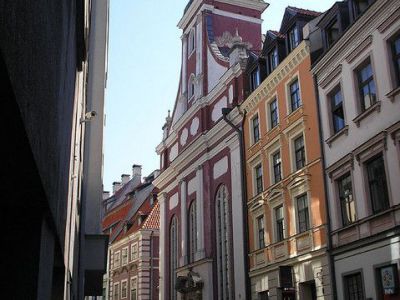
The Latvian Museum of Photography in Riga is dedicated to preserving and showcasing the history and development of photography. Opened in 1993, it operates under the auspices of the Museum of the History of Riga and Navigation, reflecting a deep-rooted connection to Latvia's historical narrative.
Located in a 16th-century merchant building on Alksnaju Street, near both the Riga Film Museum and the Latvian Sports Museum, the museum's setting is historically significant. This area, one of the oldest in Riga, dates back to the year 1500 and adds a rich historical layer to the museum's ambiance. The building itself features restored colorful wall paintings and historic parquet flooring, enhancing the aesthetic experience for visitors.
The museum's permanent exhibition, "Development of Photography in Latvia. 1839 – 1940," curated by historian Peteris Korsaks, is a highlight. Korsaks, with extensive experience at both the Museum of the History of Riga and Navigation and the Latvian Museum of Photography, has crafted an exhibition that meticulously outlines the evolution of photography in Latvia up until the beginning of World War II. This exhibition is thoughtfully installed on the second floor of the museum.
The third floor is dedicated to temporary exhibitions that feature works by both Latvian and international photographers. These exhibitions are dynamic and varied, offering fresh perspectives on photographic art. Additionally, the museum hosts scientific conferences, further contributing to the academic discourse surrounding photography.
A unique feature of the museum is an authentic painted background from the early 20th-century photo studio of Martins Luste in Mazsalaca, providing a glimpse into the historical practice of photography in Latvia.
The Latvian Museum of Photography not only serves as a repository of photographic works but also engages with the public through various educational activities. Museum staff organize tours, lectures, and consultations, enhancing the educational impact of the exhibitions and making the museum a vibrant center for learning and discussion in the field of photography.
Located in a 16th-century merchant building on Alksnaju Street, near both the Riga Film Museum and the Latvian Sports Museum, the museum's setting is historically significant. This area, one of the oldest in Riga, dates back to the year 1500 and adds a rich historical layer to the museum's ambiance. The building itself features restored colorful wall paintings and historic parquet flooring, enhancing the aesthetic experience for visitors.
The museum's permanent exhibition, "Development of Photography in Latvia. 1839 – 1940," curated by historian Peteris Korsaks, is a highlight. Korsaks, with extensive experience at both the Museum of the History of Riga and Navigation and the Latvian Museum of Photography, has crafted an exhibition that meticulously outlines the evolution of photography in Latvia up until the beginning of World War II. This exhibition is thoughtfully installed on the second floor of the museum.
The third floor is dedicated to temporary exhibitions that feature works by both Latvian and international photographers. These exhibitions are dynamic and varied, offering fresh perspectives on photographic art. Additionally, the museum hosts scientific conferences, further contributing to the academic discourse surrounding photography.
A unique feature of the museum is an authentic painted background from the early 20th-century photo studio of Martins Luste in Mazsalaca, providing a glimpse into the historical practice of photography in Latvia.
The Latvian Museum of Photography not only serves as a repository of photographic works but also engages with the public through various educational activities. Museum staff organize tours, lectures, and consultations, enhancing the educational impact of the exhibitions and making the museum a vibrant center for learning and discussion in the field of photography.
2) Galerija Centrs
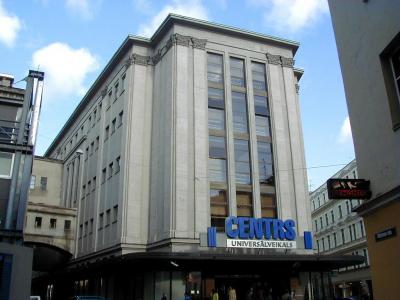
Galerija Centrs is a distinctive shopping center located in the heart of Riga's Old Town, an area renowned for its vibrant energy and architectural beauty. Established with its cornerstone in 1938, the center underwent a significant transformation in 2006, which included the addition of a striking glass roof. This architectural feature allows natural light to flood into the Rīdzene street passage, marking Galerija Centrs as the first shopping gallery in the Baltics to incorporate such a design. The center seamlessly integrates into the historic fabric of Old Riga, resonating with the charm of nearby landmarks like church towers and the Opera House.
Spanning four floors, Galerija Centrs not only offers high-quality shopping with well-known fashion brands but also serves as a cultural hub. It hosts a variety of contemporary art and photography exhibitions throughout the year, particularly in its state-of-the-art exhibition room on the third floor. These exhibitions provide inspiration and education to visitors, reflecting the center's commitment to fostering creativity and modern thinking.
A unique feature of Galerija Centrs is the River Rīdzene, which flows through the center and is considered the starting point of the capital city. This element adds a picturesque quality to the shopping experience, allowing visitors to enjoy leisurely walks along Rīdzene Street with a coffee in hand, amidst reflections of the city's historical daily life.
Galerija Centrs positions itself as more than just a shopping destination; it is a place for exchanging positive emotions, meeting creative minds, and experiencing the historical allure of Old Riga combined with the contemporary pulse of city life. It invites both residents and visitors to draw inspiration from its dynamic environment and enjoy the blend of tradition and modernity that defines both the center and the city itself.
Spanning four floors, Galerija Centrs not only offers high-quality shopping with well-known fashion brands but also serves as a cultural hub. It hosts a variety of contemporary art and photography exhibitions throughout the year, particularly in its state-of-the-art exhibition room on the third floor. These exhibitions provide inspiration and education to visitors, reflecting the center's commitment to fostering creativity and modern thinking.
A unique feature of Galerija Centrs is the River Rīdzene, which flows through the center and is considered the starting point of the capital city. This element adds a picturesque quality to the shopping experience, allowing visitors to enjoy leisurely walks along Rīdzene Street with a coffee in hand, amidst reflections of the city's historical daily life.
Galerija Centrs positions itself as more than just a shopping destination; it is a place for exchanging positive emotions, meeting creative minds, and experiencing the historical allure of Old Riga combined with the contemporary pulse of city life. It invites both residents and visitors to draw inspiration from its dynamic environment and enjoy the blend of tradition and modernity that defines both the center and the city itself.
3) Riga Gallery
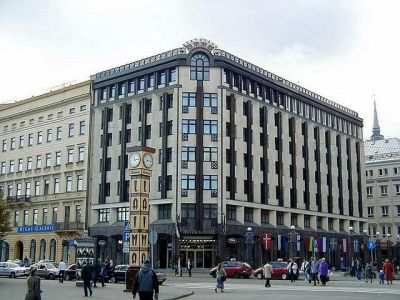
Riga Gallery, established in 1992, is a prominent art venue located in the heart of Riga. Situated in a historic building within the Boulevard Circle, the gallery faces the National Opera and the Freedom Monument, marking its cultural significance in the cityscape. Known for its specialization in 20th-century artwork, Riga Gallery has played a pivotal role in both acquiring and selling notable pieces.
The gallery has earned a reputation for its dynamic role in promoting Latvian contemporary art. It actively supports renowned Latvian artists who have represented the country in prestigious international events such as the Venice Biennale, Sydney Biennale, Moscow Biennale, and Manifesta. Some of the notable artists associated with the Riga Gallery include Ieva Iltnere, Ritums Ivanovs, Franceska Kirke, and Ilmārs Blumbergs, among others. These artists are celebrated for their unique styles and significant impact on both the local and international art scenes.
Riga Gallery's involvement extends beyond local exhibitions. Since 1996, it has participated in various international art shows including the Chicago International Art Fair, ART MOSCOW, Sotheby’s contemporary art exhibition-sale in London, VIENNAFAIR, and the BUDAPEST AR FAIR. These participations highlight the gallery's active presence in the global art market and its commitment to showcasing Latvian art internationally.
Riga Gallery stands as a beacon of cultural enrichment in Riga, fostering the promotion and appreciation of Latvian contemporary art on both a national and international stage. Through its exhibitions, international participation, and dedicated support of influential artists, the gallery continues to make a substantial contribution to the cultural landscape of Latvia and beyond.
The gallery has earned a reputation for its dynamic role in promoting Latvian contemporary art. It actively supports renowned Latvian artists who have represented the country in prestigious international events such as the Venice Biennale, Sydney Biennale, Moscow Biennale, and Manifesta. Some of the notable artists associated with the Riga Gallery include Ieva Iltnere, Ritums Ivanovs, Franceska Kirke, and Ilmārs Blumbergs, among others. These artists are celebrated for their unique styles and significant impact on both the local and international art scenes.
Riga Gallery's involvement extends beyond local exhibitions. Since 1996, it has participated in various international art shows including the Chicago International Art Fair, ART MOSCOW, Sotheby’s contemporary art exhibition-sale in London, VIENNAFAIR, and the BUDAPEST AR FAIR. These participations highlight the gallery's active presence in the global art market and its commitment to showcasing Latvian art internationally.
Riga Gallery stands as a beacon of cultural enrichment in Riga, fostering the promotion and appreciation of Latvian contemporary art on both a national and international stage. Through its exhibitions, international participation, and dedicated support of influential artists, the gallery continues to make a substantial contribution to the cultural landscape of Latvia and beyond.

4) Kaļķu Iela (Lime Street)
One of the oldest streets in Riga, Lime Street runs from Town Hall Square northeast to the edge of the old city. It was first mentioned in 1407.
A stroll down Lime Street will reveal many treasures and surprises. Number 11 is a bank from the 18th century. Number 16 is the impressive Mikhail Chekhov Russian Theatre of Riga, founded in 1883. Finally, Number 20 is the Lion Pharmacy, the oldest in Riga that traces its lineage to 1653.
During the Soviet Era, Lime Street was merged with two nearby thoroughfares to form the principal street through Soviet Riga. It was called Lenin Street.
The street is a bustling central shopping and entertainment district for the city. Sidewalk cafes line the wide walking lanes, interspersed with fine dining establishments and trendy shops. There are also banks, hotels, and fast food choices.
The street ends at Bastejkalna Park and the Freedom Monument. You'll also find the Laima Clock, a popular local meeting spot. The distinctive clock is restored and dates from 1924.
A stroll down Lime Street will reveal many treasures and surprises. Number 11 is a bank from the 18th century. Number 16 is the impressive Mikhail Chekhov Russian Theatre of Riga, founded in 1883. Finally, Number 20 is the Lion Pharmacy, the oldest in Riga that traces its lineage to 1653.
During the Soviet Era, Lime Street was merged with two nearby thoroughfares to form the principal street through Soviet Riga. It was called Lenin Street.
The street is a bustling central shopping and entertainment district for the city. Sidewalk cafes line the wide walking lanes, interspersed with fine dining establishments and trendy shops. There are also banks, hotels, and fast food choices.
The street ends at Bastejkalna Park and the Freedom Monument. You'll also find the Laima Clock, a popular local meeting spot. The distinctive clock is restored and dates from 1924.
5) Vecriga (Old Town)
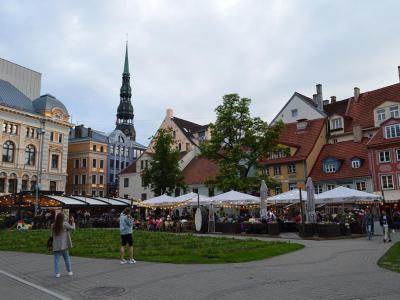
Vecrīga, or Old Riga, serves as the historical heart of Riga, situated within the Central District on the eastern side of the Daugava River. This neighborhood is celebrated for its historic churches and cathedrals, including the Riga Cathedral, Saint James's Cathedral, and Saint Peter's Church. These religious structures, along with its comprehensive collection of Renaissance, Baroque, and Medieval architecture, contribute to Vecrīga's charm and historical significance.
Originally, Vecrīga encompassed the entire city of Riga before its expansion in the late 19th century. The area was historically fortified with a wall, except on the side facing the riverbank of the Daugava. Following the demolition of this wall, the adjacent river waters were redirected to create the Riga City Canal, adding a picturesque element to the area.
In recognition of its cultural and historical value, Vecrīga is included in the UNESCO World Heritage Site listing for the "Historic Centre of Riga," which also covers most of the surrounding Central district. The early 1990s saw significant changes in Vecrīga’s accessibility, as its streets were closed to regular traffic. Now, only residents and local delivery vehicles with special permits can access the area, preserving its tranquil and historic atmosphere.
Notably, Vecrīga is not just a relic of the past but a living part of the city, showcasing not only ancient architectural styles but also the distinct Art Nouveau style, particularly through the works of Mikhail Eisenstein, a renowned architect both locally and internationally. This blend of architectural styles and the area’s rich history make Vecrīga a key destination for both visitors and scholars alike, offering a unique glimpse into the layered past of Riga.
Originally, Vecrīga encompassed the entire city of Riga before its expansion in the late 19th century. The area was historically fortified with a wall, except on the side facing the riverbank of the Daugava. Following the demolition of this wall, the adjacent river waters were redirected to create the Riga City Canal, adding a picturesque element to the area.
In recognition of its cultural and historical value, Vecrīga is included in the UNESCO World Heritage Site listing for the "Historic Centre of Riga," which also covers most of the surrounding Central district. The early 1990s saw significant changes in Vecrīga’s accessibility, as its streets were closed to regular traffic. Now, only residents and local delivery vehicles with special permits can access the area, preserving its tranquil and historic atmosphere.
Notably, Vecrīga is not just a relic of the past but a living part of the city, showcasing not only ancient architectural styles but also the distinct Art Nouveau style, particularly through the works of Mikhail Eisenstein, a renowned architect both locally and internationally. This blend of architectural styles and the area’s rich history make Vecrīga a key destination for both visitors and scholars alike, offering a unique glimpse into the layered past of Riga.
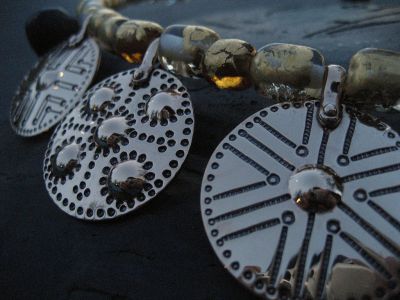
6) Baltu Rotas
What to buy here: Jewelry.
There is an old belief that one should return from Latvia with a silver ring and then luck will return together with them. These silver rings are called Namejs. All around Riga you will find jewelry which still preserves traditional design and values. There are brooches, necklaces, rings and bracelets crafted based on ancient Liv designs and methods. Many pieces are quite distinctive and unique, since most artists only make limited quantities.
For those interested in traditional items, the “Baltu Rotas Gallery” features a large collection of jewelry reminiscent of ancient Baltic designs. This jewelry has greatly gained in popularity over the recent years. One of its creators, Vitauts Straupe, proudly relates in an interview how he spots their works worn more frequently, noting the Festival in Washington where he saw people wearing his art. Vitauts Straupe and his wife, Inita Straupe, get inspired from actual pieces found by archeologists. The prices for their creations range from $25 to $150 for rings, brooches and pendants, $25 - $100 for earrings and cufflinks, $50-$240 for bracelets. They also have special collections of legendary Latvian jewelry and signs.
There is an old belief that one should return from Latvia with a silver ring and then luck will return together with them. These silver rings are called Namejs. All around Riga you will find jewelry which still preserves traditional design and values. There are brooches, necklaces, rings and bracelets crafted based on ancient Liv designs and methods. Many pieces are quite distinctive and unique, since most artists only make limited quantities.
For those interested in traditional items, the “Baltu Rotas Gallery” features a large collection of jewelry reminiscent of ancient Baltic designs. This jewelry has greatly gained in popularity over the recent years. One of its creators, Vitauts Straupe, proudly relates in an interview how he spots their works worn more frequently, noting the Festival in Washington where he saw people wearing his art. Vitauts Straupe and his wife, Inita Straupe, get inspired from actual pieces found by archeologists. The prices for their creations range from $25 to $150 for rings, brooches and pendants, $25 - $100 for earrings and cufflinks, $50-$240 for bracelets. They also have special collections of legendary Latvian jewelry and signs.
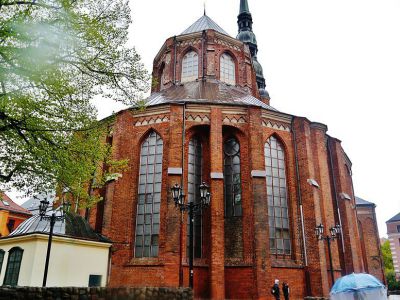
7) Saint Peter's Church (must see)
You can trace the history of this beautiful church back to 1209. Having such a long story to tell, it's not surprising that the tales are traced to the building styles of various periods. The church has Gothic, Romanesque, and Baroque elements.
Little remains of the original Gothic construction. Only the central section of the church, including the outer nave walls and a few pillars, remain from those early years.
The second construction period was overseen by master builder Johannes Rumeschottel from Germany. This was in 1409, but work was interrupted by wars and the plague. Nevertheless, by the late 15th century, the church had a mighty basilica with three aisles and vaulted ceilings. It also sported a new bell tower, 136 meters (446 feet) tall, with a steeple.
The final construction period occurred in the late 1600s when the western facade and new bell tower were built after a devastating fire in the city. Many of the furnishings and the vaulted ceiling were refurbished as well. When finished, the new tower and steeple was the tallest wooden structure in Europe.
The church was reconstructed after artillery fire destroyed it during World War II. The bronze candelabrum--a standing lantern--was taken from the church to Wloclawek, Poland. It was displayed there until 2012 when it was returned to Riga.
The steeple was completed in 1970, and the clock tower in the early 1970s. The rooster atop the steeple weighs 158 kilograms and includes 140 grams of gold plating. The bell plays the Latvian folk melody "Riga Resounds" five times a day, and the bell chimes hourly. There is an elevator that takes guests up the tower, where you can take in the view of Riga from a height of 72 meters (236 feet).
Today, the church is owned by the Evangelical Lutheran Church of Latvia. Services resumed here in 1991. In addition to the view from the tower's top, strolling through the art collection and seeing the beautiful nave are must-dos in Riga.
Little remains of the original Gothic construction. Only the central section of the church, including the outer nave walls and a few pillars, remain from those early years.
The second construction period was overseen by master builder Johannes Rumeschottel from Germany. This was in 1409, but work was interrupted by wars and the plague. Nevertheless, by the late 15th century, the church had a mighty basilica with three aisles and vaulted ceilings. It also sported a new bell tower, 136 meters (446 feet) tall, with a steeple.
The final construction period occurred in the late 1600s when the western facade and new bell tower were built after a devastating fire in the city. Many of the furnishings and the vaulted ceiling were refurbished as well. When finished, the new tower and steeple was the tallest wooden structure in Europe.
The church was reconstructed after artillery fire destroyed it during World War II. The bronze candelabrum--a standing lantern--was taken from the church to Wloclawek, Poland. It was displayed there until 2012 when it was returned to Riga.
The steeple was completed in 1970, and the clock tower in the early 1970s. The rooster atop the steeple weighs 158 kilograms and includes 140 grams of gold plating. The bell plays the Latvian folk melody "Riga Resounds" five times a day, and the bell chimes hourly. There is an elevator that takes guests up the tower, where you can take in the view of Riga from a height of 72 meters (236 feet).
Today, the church is owned by the Evangelical Lutheran Church of Latvia. Services resumed here in 1991. In addition to the view from the tower's top, strolling through the art collection and seeing the beautiful nave are must-dos in Riga.
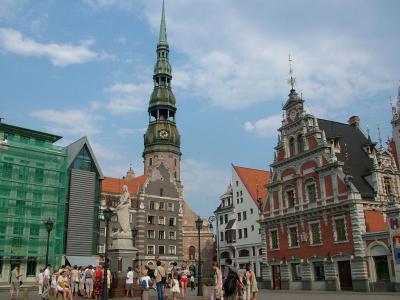
8) Town Hall Square (must see)
This cobblestone town square marks the center of Old Riga. It's surrounded by beautiful architecture, including the House of the Black Heads and Riga City Hall.
In the center of the Square stands a statue of Roland. He was Charlemagne's nephew and a Frankish military leader. His reputation for stringent but just governance has led to him becoming a symbol of justice in Northern Germany. The statue has stood next to the town's well since 1897.
However, the Square's biggest claim to fame is that it was the site of the first lit and decorated Christmas tree in 1510. There is a plank marking the location, and, of course, a tree is decorated here every year during the holidays.
Bombs leveled Town Hall Square and its surrounding buildings during World War II. Everything you see today was rebuilt in the years following the war. The House of the Black Heads was reopened in 1999, and the Town Hall Building in 2003.
The Square is a great place to begin your explorations of Riga--the narrow cobblestone streets wind through some of the most beautiful architecture you'll find. The scene is especially stunning at night when the buildings are lit for maximum effect.
In the center of the Square stands a statue of Roland. He was Charlemagne's nephew and a Frankish military leader. His reputation for stringent but just governance has led to him becoming a symbol of justice in Northern Germany. The statue has stood next to the town's well since 1897.
However, the Square's biggest claim to fame is that it was the site of the first lit and decorated Christmas tree in 1510. There is a plank marking the location, and, of course, a tree is decorated here every year during the holidays.
Bombs leveled Town Hall Square and its surrounding buildings during World War II. Everything you see today was rebuilt in the years following the war. The House of the Black Heads was reopened in 1999, and the Town Hall Building in 2003.
The Square is a great place to begin your explorations of Riga--the narrow cobblestone streets wind through some of the most beautiful architecture you'll find. The scene is especially stunning at night when the buildings are lit for maximum effect.
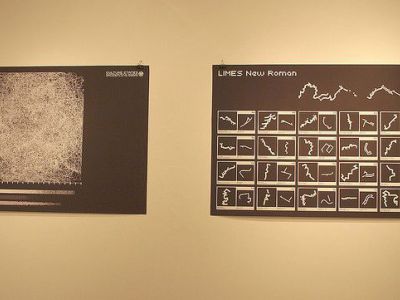
9) Riga Art Space
Riga Art Space opened in 2008 in Riga, serves as a pivotal venue for contemporary art within the city, uniquely located beneath the Town Hall Square in the historic Old Town. As the city's sole exhibition hall dedicated to contemporary art, it showcases a diverse array of art forms and genres. Its programming is meticulously curated to offer a broad spectrum of contemporary art, featuring up to five major exhibitions annually in the great hall. These exhibitions range from classical Latvian art to contemporary and applied arts, as well as international art projects.
Riga Art Space is committed to a multidisciplinary approach, integrating various cultural forms such as music, literature, and choreography to foster a dynamic dialogue between artists and the community. This commitment is reflected in the hall's diverse activities, including educational events tailored to each exhibition like discussions, conversational cycles, and creative workshops suitable for all ages.
The exhibition hall collaborates closely with art historians, professional curators, artists, and creative teams to ensure the quality and diversity of its offerings. The overarching goal of Riga Art Space is to enhance the role of art in society by promoting its relevance through high-quality, regular art programs and cultural events that facilitate the interaction of different artistic disciplines, thereby enriching the cultural fabric of Riga.
Riga Art Space is committed to a multidisciplinary approach, integrating various cultural forms such as music, literature, and choreography to foster a dynamic dialogue between artists and the community. This commitment is reflected in the hall's diverse activities, including educational events tailored to each exhibition like discussions, conversational cycles, and creative workshops suitable for all ages.
The exhibition hall collaborates closely with art historians, professional curators, artists, and creative teams to ensure the quality and diversity of its offerings. The overarching goal of Riga Art Space is to enhance the role of art in society by promoting its relevance through high-quality, regular art programs and cultural events that facilitate the interaction of different artistic disciplines, thereby enriching the cultural fabric of Riga.
10) Riga Cathedral (must see)
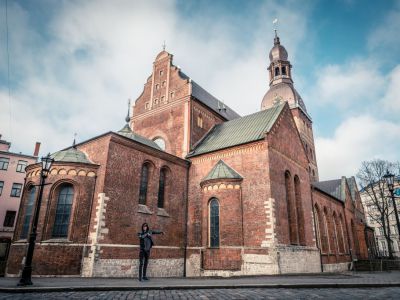
Riga Cathedral, formally known as The Cathedral Church of Saint Mary, is the Evangelical Lutheran cathedral located in Riga. It serves as the seat of the Archbishop of Riga. The cathedral is one of Latvia's most iconic landmarks, often featured in paintings, photographs, and television travelogues, and is noted for its weathercock, similar to other historic churches in the city.
The church was established near the River Daugava in 1211 by Livonian Bishop Albert of Riga, who hailed from Lower Saxony in northwestern Germany. It is recognized as the largest medieval church in the Baltic states and has undergone numerous modifications throughout its history. Notable figures associated with the cathedral include David Caspari, rector of the cathedral school in the late 17th century, and his son Georg Caspari, who also served at the cathedral.
In a 1923 referendum, the Lutheran Church was compelled to share the cathedral with the Roman Catholic Church. However, this decision was reversed in the 1931 Latvian Riga Cathedral referendum, restoring it solely to the Lutheran Church. During the Soviet occupation from 1939 to 1989, religious services were banned, and the cathedral functioned as a concert hall. The Museum of the History of Riga and Navigation was housed in the cathedral's southern wing during this period. Religious services resumed in 1991, and the cathedral is now actively used by the Evangelical Lutheran Church of Latvia.
A prominent feature of the Riga Cathedral is its organ, built by E.F. Walcker & Sons of Ludwigsburg, Germany, in 1882-83 and inaugurated on January 31, 1884. During World War II, a recording captured the sound of battle as Latvian composer Lūcija Garūta played the organ for a cantata.
The church was established near the River Daugava in 1211 by Livonian Bishop Albert of Riga, who hailed from Lower Saxony in northwestern Germany. It is recognized as the largest medieval church in the Baltic states and has undergone numerous modifications throughout its history. Notable figures associated with the cathedral include David Caspari, rector of the cathedral school in the late 17th century, and his son Georg Caspari, who also served at the cathedral.
In a 1923 referendum, the Lutheran Church was compelled to share the cathedral with the Roman Catholic Church. However, this decision was reversed in the 1931 Latvian Riga Cathedral referendum, restoring it solely to the Lutheran Church. During the Soviet occupation from 1939 to 1989, religious services were banned, and the cathedral functioned as a concert hall. The Museum of the History of Riga and Navigation was housed in the cathedral's southern wing during this period. Religious services resumed in 1991, and the cathedral is now actively used by the Evangelical Lutheran Church of Latvia.
A prominent feature of the Riga Cathedral is its organ, built by E.F. Walcker & Sons of Ludwigsburg, Germany, in 1882-83 and inaugurated on January 31, 1884. During World War II, a recording captured the sound of battle as Latvian composer Lūcija Garūta played the organ for a cantata.
11) Jauniela
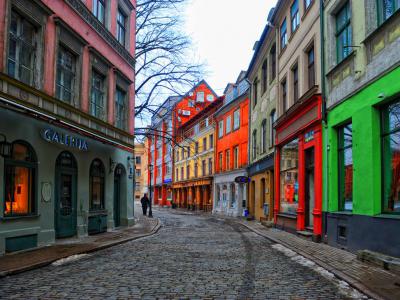
Jauniela Street in Riga epitomizes the enchanting allure of the historical Old Town, despite its name translating to "New Street." This picturesque avenue is framed by an array of pastel-colored buildings that rest on cobblestone paths, lending it a vibrant yet historic charm. Recognized as one of the prettiest streets in Riga's Old Town, Jauniela is also among the most dynamic, and bustling with hotels, bars, and restaurants that cater to both locals and tourists.
The street's pedestrian-friendly design ensures that it is a common fixture on walking tours of Riga, particularly those focused on architecture. Visitors are likely to be drawn here to admire the Art Nouveau façade of the Neiburgs Hotel, among other architectural delights. Jauniela is strategically positioned near major landmarks like the Riga Cathedral, making it an ideal route for those looking to combine historical exploration with culinary ventures or leisurely strolls.
In addition to its architectural marvels, Jauniela Street has gained fame as a filming location for notable period dramas, including adaptations of "War and Peace" and "Sherlock Holmes." The street is not just a feast for the eyes but also serves as a hub of cultural expression, showcasing vibrant street art that reflects the creativity of local artists. It offers a rich tapestry of experiences from dining in exquisite cafes serving traditional Latvian cuisine to shopping in quaint boutiques that offer unique, handcrafted souvenirs.
For anyone visiting Riga, a trip down Jauniela Street promises a blend of historical intrigue, architectural beauty, and cultural vibrancy, making it an unforgettable part of any journey through Latvia's capital.
The street's pedestrian-friendly design ensures that it is a common fixture on walking tours of Riga, particularly those focused on architecture. Visitors are likely to be drawn here to admire the Art Nouveau façade of the Neiburgs Hotel, among other architectural delights. Jauniela is strategically positioned near major landmarks like the Riga Cathedral, making it an ideal route for those looking to combine historical exploration with culinary ventures or leisurely strolls.
In addition to its architectural marvels, Jauniela Street has gained fame as a filming location for notable period dramas, including adaptations of "War and Peace" and "Sherlock Holmes." The street is not just a feast for the eyes but also serves as a hub of cultural expression, showcasing vibrant street art that reflects the creativity of local artists. It offers a rich tapestry of experiences from dining in exquisite cafes serving traditional Latvian cuisine to shopping in quaint boutiques that offer unique, handcrafted souvenirs.
For anyone visiting Riga, a trip down Jauniela Street promises a blend of historical intrigue, architectural beauty, and cultural vibrancy, making it an unforgettable part of any journey through Latvia's capital.
12) Gallery of the Artists‘ Union
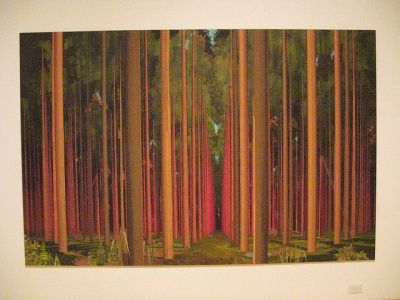
The Gallery of the Artists' Union of Latvia, under the auspices of the Latvian Center for Contemporary Art (LCCA), plays a vital role in the promotion of contemporary art within Latvia. The gallery, which is part of an organization comprising over 1200 professional artists and art historians, serves as a significant cultural hub in Riga. The LCCA itself was established in the 1980s with support from the Soros Program, marking a pivotal development in Latvia's art scene.
The gallery's collection is an impressive repository of Latvian art, containing approximately 20,000 artworks. These pieces, predominantly created between the 1960s and 1990s, represent a crucial period in Latvian and broader Soviet-era art history. This era significantly influences contemporary artists today, although it is increasingly becoming less familiar to younger generations.
Historically, during the Soviet era, the House of the Artists’ Union in Riga was a central location for artistic production in the region. It not only served as a gathering place for artists but also as a site where much of the region's significant artworks were created. Today, the gallery not only preserves this rich heritage but also provides a narrative bridge connecting the complex past with the present, maintaining its relevance and resonance in the contemporary cultural landscape.
Through its exhibitions and collections, the Gallery of the Artists' Union of Latvia continues to foster an appreciation for the country's artistic achievements and encourages ongoing dialogue about its historical and cultural contexts. This makes it an essential institution for both art aficionados and the general public interested in the evolution of Latvian art.
The gallery's collection is an impressive repository of Latvian art, containing approximately 20,000 artworks. These pieces, predominantly created between the 1960s and 1990s, represent a crucial period in Latvian and broader Soviet-era art history. This era significantly influences contemporary artists today, although it is increasingly becoming less familiar to younger generations.
Historically, during the Soviet era, the House of the Artists’ Union in Riga was a central location for artistic production in the region. It not only served as a gathering place for artists but also as a site where much of the region's significant artworks were created. Today, the gallery not only preserves this rich heritage but also provides a narrative bridge connecting the complex past with the present, maintaining its relevance and resonance in the contemporary cultural landscape.
Through its exhibitions and collections, the Gallery of the Artists' Union of Latvia continues to foster an appreciation for the country's artistic achievements and encourages ongoing dialogue about its historical and cultural contexts. This makes it an essential institution for both art aficionados and the general public interested in the evolution of Latvian art.
13) Bastejs Gallery
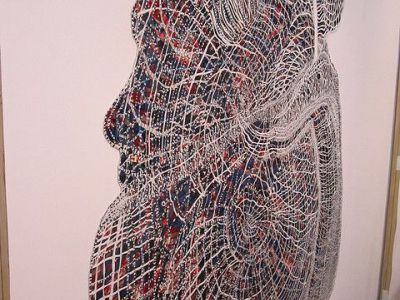
Gallery BASTEJS, located in the historic quarter of Riga, is a cultural institution under the leadership of Baiba Morkane. The gallery specializes in Baltic contemporary art and plays a pivotal role in promoting the works of a diverse group of artists to the international art market. It is distinguished for its focus on both established masters and emerging artists, including Henrijs Preiss, Peter Allik, Franceska Kirke, Ritums Ivanovs, Kristians Brekte, and others. Emerging talents like Zane Balode, Pēteris Līdaka, and Inese Vēriņa Lubiņa also find representation.
The gallery is active in providing artworks to private collections and institutions, while also organizing a variety of cultural events. These range from solo to group exhibitions, special art events, and more, all aimed at enriching Latvia’s and Riga’s cultural landscapes. Gallery BASTEJS’s engagement extends beyond local activities as it regularly participates in international art fairs like VOLTA NEW YORK and VOLTA BASEL, reflecting its growing global recognition. These involvements come at the special invitation of the fair organizers, underscoring the gallery’s esteemed position in the art world.
In response to suggestions from VOLTA New York and ARTNET, Gallery BASTEJS is currently enhancing its online presence. This initiative involves creating an internet profile to further elevate its visibility and accessibility in the global art market, ensuring that the works of its represented artists reach a broader audience. This strategic move not only promotes the artists but also facilitates the acquisition of Baltic art by global collectors and institutions.
The gallery is active in providing artworks to private collections and institutions, while also organizing a variety of cultural events. These range from solo to group exhibitions, special art events, and more, all aimed at enriching Latvia’s and Riga’s cultural landscapes. Gallery BASTEJS’s engagement extends beyond local activities as it regularly participates in international art fairs like VOLTA NEW YORK and VOLTA BASEL, reflecting its growing global recognition. These involvements come at the special invitation of the fair organizers, underscoring the gallery’s esteemed position in the art world.
In response to suggestions from VOLTA New York and ARTNET, Gallery BASTEJS is currently enhancing its online presence. This initiative involves creating an internet profile to further elevate its visibility and accessibility in the global art market, ensuring that the works of its represented artists reach a broader audience. This strategic move not only promotes the artists but also facilitates the acquisition of Baltic art by global collectors and institutions.
