Custom Walk in London, England by kz002_5f869c created on 2026-04-28
Guide Location: England » London
Guide Type: Custom Walk
# of Sights: 5
Tour Duration: 3 Hour(s)
Travel Distance: 6.5 Km or 4 Miles
Share Key: RUT79
Guide Type: Custom Walk
# of Sights: 5
Tour Duration: 3 Hour(s)
Travel Distance: 6.5 Km or 4 Miles
Share Key: RUT79
How It Works
Please retrieve this walk in the GPSmyCity app. Once done, the app will guide you from one tour stop to the next as if you had a personal tour guide. If you created the walk on this website or come to the page via a link, please follow the instructions below to retrieve the walk in the app.
Retrieve This Walk in App
Step 1. Download the app "GPSmyCity: Walks in 1K+ Cities" on Apple App Store or Google Play Store.



Step 2. In the GPSmyCity app, download(or launch) the guide "London Map and Walking Tours".
Step 3. Tap the menu button located at upper right corner of the "Walks" screen and select "Retrieve custom walk". Enter the share key: RUT79
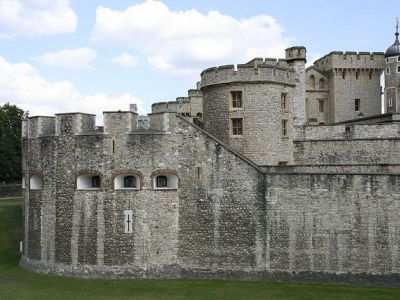
1) Tower of London (must see)
Nowhere in London does the past strut around quite so confidently as in the Tower of London-a moated, multi-towered, medieval mashup where history is practically haunting the place.
Originally built by the Normans over 900 years ago, the Tower has played just about every role imaginable: fortress, royal mint, palace, archive, and-you may like it the most-zoo. Yes, it once housed the Royal Menagerie, the wild precursor to the London Zoo. But make no mistake, the Tower is best known for its darker side-as a high-security VIP prison with a side hustle in executions. Nobles, queens, and even kings paced its echoing stone halls before meeting a less-than-ideal end. Some scratched their goodbyes into the walls. Others just lost their heads.
Now, if you were an important prisoner, you didn’t get dragged to Tower Hill with the commoners. Oh no-you got the deluxe package: a private execution on Tower Green. Only seven ever received this exclusive send-off, including Anne Boleyn and Catherine Howard, two royal wives who found out the hard way that Henry VIII was not great with long-term commitment.
At the heart of it all is the White Tower, the magnificent structure built in 1078 by William the Conqueror. Later, Henry III decided it looked better in white-hence the name. Today, it houses the Armouries, a jaw-dropping display of medieval bling, including weapons, suits of armor, and a reminder that fashion has always been a pain.
Nearby, the Traitors’ Gate offered less-than-warm welcomes to infamous prisoners as they arrived by boat. And then there’s the Bloody Tower, where the two "Princes in the Tower" disappeared under mysterious circumstances… conveniently clearing the way for their uncle to become Richard III. Coincidence? Mmm...
Also, don’t leave without gawking at the Crown Jewels-sparkly symbols of royal power that were rebooted after the English Civil War. The current set dates from 1661 and features more gems than a royal family group chat.
And if you want the full story, join a free Beefeater tour-they’re funny, sharp, and decked out in navy-and-red Tudor gear. Tours leave every half hour from the main gate and run for about 45-60 minutes.
Tip:
Buy tickets online to skip the queue. And do keep an eye out for the Tower’s resident ravens-legend has it that, if they ever fly off, the kingdom’s toast. No pressure, birds...
Originally built by the Normans over 900 years ago, the Tower has played just about every role imaginable: fortress, royal mint, palace, archive, and-you may like it the most-zoo. Yes, it once housed the Royal Menagerie, the wild precursor to the London Zoo. But make no mistake, the Tower is best known for its darker side-as a high-security VIP prison with a side hustle in executions. Nobles, queens, and even kings paced its echoing stone halls before meeting a less-than-ideal end. Some scratched their goodbyes into the walls. Others just lost their heads.
Now, if you were an important prisoner, you didn’t get dragged to Tower Hill with the commoners. Oh no-you got the deluxe package: a private execution on Tower Green. Only seven ever received this exclusive send-off, including Anne Boleyn and Catherine Howard, two royal wives who found out the hard way that Henry VIII was not great with long-term commitment.
At the heart of it all is the White Tower, the magnificent structure built in 1078 by William the Conqueror. Later, Henry III decided it looked better in white-hence the name. Today, it houses the Armouries, a jaw-dropping display of medieval bling, including weapons, suits of armor, and a reminder that fashion has always been a pain.
Nearby, the Traitors’ Gate offered less-than-warm welcomes to infamous prisoners as they arrived by boat. And then there’s the Bloody Tower, where the two "Princes in the Tower" disappeared under mysterious circumstances… conveniently clearing the way for their uncle to become Richard III. Coincidence? Mmm...
Also, don’t leave without gawking at the Crown Jewels-sparkly symbols of royal power that were rebooted after the English Civil War. The current set dates from 1661 and features more gems than a royal family group chat.
And if you want the full story, join a free Beefeater tour-they’re funny, sharp, and decked out in navy-and-red Tudor gear. Tours leave every half hour from the main gate and run for about 45-60 minutes.
Tip:
Buy tickets online to skip the queue. And do keep an eye out for the Tower’s resident ravens-legend has it that, if they ever fly off, the kingdom’s toast. No pressure, birds...
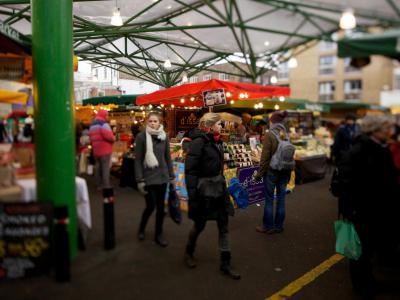
2) Borough Market (must see)
Borough Market is London’s oldest and most atmospheric food market, boasting a history that spans over 1,000 years. Its origins trace back to the 11th century - and possibly earlier - when farmers would bring fresh produce to London Bridge, then the only southern entrance into the city. By the 18th century, the market had become so chaotic that Parliament decided to shut it down in 1756, though local volunteers soon revived it nearby. The structures seen today, with ornate Victorian ironwork and soaring arcades, were developed largely in the 19th century.
Today, with a railway rumbling overhead, this historic market hums below as a vibrant maze of culinary treasures. Visitors can explore an impressive range of artisan stalls offering cheeses, fresh bread, meats, seafood, organic produce, spices, handmade sweets, and gourmet street food. While British classics like meat pies and sausages are readily available, the real appeal lies in the diversity - from Ethiopian stews and Indian curries to Spanish paella and Middle Eastern falafel.
Navigating the market is part of the fun. Begin your adventure through the central labyrinth of food stalls until you reach Stoney Street on the western edge. From there, stroll along Park Street - a film location favorite - where you’ll find a lively pub and the famous Neal’s Yard Dairy cheese shop. Across the way, the Ginger Pig draws crowds for its traditional English bacon and sausages. For a local favorite, stop by Maria’s Market Café, a classic haunt for longtime market workers. Around every corner, more delights await, including covered terraces with extra seating for diners.
Rain or shine, Borough Market delivers. The partial roof makes it an all-weather destination, and beyond eating and shopping, visitors can enjoy food tastings, seasonal festivals, cooking demos, and culinary workshops. The market thrives on community and celebration, drawing food lovers from around the world.
Conveniently located near landmarks like Southwark Cathedral, The Shard, and Shakespeare’s Globe Theatre, it’s a perfect stop during a day exploring London’s South Bank.
Tip:
Before committing to a meal, take your time wandering. Getting a bit lost is part of the charm - and often leads to the tastiest surprises.
Today, with a railway rumbling overhead, this historic market hums below as a vibrant maze of culinary treasures. Visitors can explore an impressive range of artisan stalls offering cheeses, fresh bread, meats, seafood, organic produce, spices, handmade sweets, and gourmet street food. While British classics like meat pies and sausages are readily available, the real appeal lies in the diversity - from Ethiopian stews and Indian curries to Spanish paella and Middle Eastern falafel.
Navigating the market is part of the fun. Begin your adventure through the central labyrinth of food stalls until you reach Stoney Street on the western edge. From there, stroll along Park Street - a film location favorite - where you’ll find a lively pub and the famous Neal’s Yard Dairy cheese shop. Across the way, the Ginger Pig draws crowds for its traditional English bacon and sausages. For a local favorite, stop by Maria’s Market Café, a classic haunt for longtime market workers. Around every corner, more delights await, including covered terraces with extra seating for diners.
Rain or shine, Borough Market delivers. The partial roof makes it an all-weather destination, and beyond eating and shopping, visitors can enjoy food tastings, seasonal festivals, cooking demos, and culinary workshops. The market thrives on community and celebration, drawing food lovers from around the world.
Conveniently located near landmarks like Southwark Cathedral, The Shard, and Shakespeare’s Globe Theatre, it’s a perfect stop during a day exploring London’s South Bank.
Tip:
Before committing to a meal, take your time wandering. Getting a bit lost is part of the charm - and often leads to the tastiest surprises.
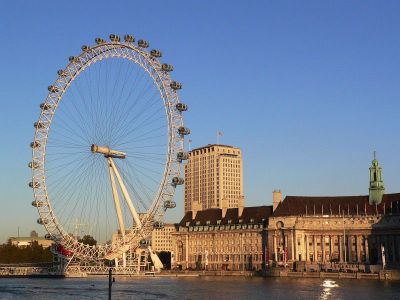
3) London Eye (must see)
Say hello to the London Eye - or, if you’re feeling fancy, the Millennium Wheel. Built to welcome the year 2000 in style, it had its soft launch in late 1999 and officially opened in March 2000. Designed by architects David Marks and Julia Barfield, it was supposed to be temporary... but Londoners loved it so much, they basically said, “Nope, it’s staying.”
At 135 meters (that’s 443 feet if you’re still thinking imperial), the Eye was once the tallest observation wheel on the planet - and it still holds the crown in Europe. The ride - a slow, elegant spin takes about 30 minutes, offering jaw-dropping, 360-degree views stretching up to 40 kilometers on a clear day. From Big Ben to Buckingham Palace - and if you squint, even Windsor Castle - London is laid out before you like a pop-up storybook.
Each of the 32 sleek glass capsules (one for each London borough) can carry up to 28 people. Great for selfies, great for proposals, and perfect if you just want to stare out and feel dramatically reflective.
Want to dial up the experience? Your ticket comes with a 4D cinema show, or you can upgrade to private pods or champagne flights if you're feeling extra. Plus, the Eye sits right on the South Bank - a hop away from the SEA LIFE Aquarium, the London Dungeon, and the laid-back Jubilee Gardens.
Fun fact: The Eye’s giant bicycle-wheel design is a true European team effort - with British steel, Dutch engineering, and a smattering of German, French, Czech, and Italian parts.
Bottom line: Whether you're new in town or just want to fall in love with London all over again, the London Eye is a must-spin.
Tip:
Book online to save cash and skip the long lines. Your Instagram will thank you.
At 135 meters (that’s 443 feet if you’re still thinking imperial), the Eye was once the tallest observation wheel on the planet - and it still holds the crown in Europe. The ride - a slow, elegant spin takes about 30 minutes, offering jaw-dropping, 360-degree views stretching up to 40 kilometers on a clear day. From Big Ben to Buckingham Palace - and if you squint, even Windsor Castle - London is laid out before you like a pop-up storybook.
Each of the 32 sleek glass capsules (one for each London borough) can carry up to 28 people. Great for selfies, great for proposals, and perfect if you just want to stare out and feel dramatically reflective.
Want to dial up the experience? Your ticket comes with a 4D cinema show, or you can upgrade to private pods or champagne flights if you're feeling extra. Plus, the Eye sits right on the South Bank - a hop away from the SEA LIFE Aquarium, the London Dungeon, and the laid-back Jubilee Gardens.
Fun fact: The Eye’s giant bicycle-wheel design is a true European team effort - with British steel, Dutch engineering, and a smattering of German, French, Czech, and Italian parts.
Bottom line: Whether you're new in town or just want to fall in love with London all over again, the London Eye is a must-spin.
Tip:
Book online to save cash and skip the long lines. Your Instagram will thank you.
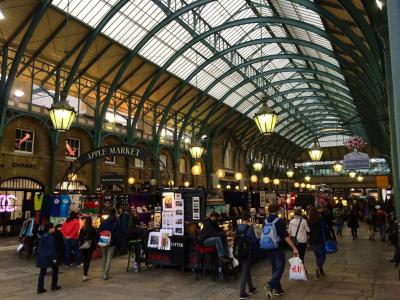
4) Covent Garden Piazza (must see)
The transformation of Covent Garden from a utilitarian fruit and vegetable market in the 1670s into a trendy district was one of the most comprehensive and enduring developments of the 1980s. Unlike its neighbor Soho, Covent Garden is more mainstream and commercially oriented but also significantly more popular. Its appeal is greatly enhanced by the presence of street performers, buskers, and living statues, creating a vibrant atmosphere in the traffic-free Covent Garden Piazza.
This historically renowned piazza now encompasses three distinct market areas: the Apple Market, the East Colonnade Market, and the Jubilee Market. Within the Apple Market, located in the main covered area originally designed by Inigo Jones, you can find 40 stalls offering handcrafted jewelry, prints, clothing, ceramics, and various crafts from Tuesday to Sunday (Mondays are dedicated to antiques, curiosities, and collectibles). The East Colonnade Market features stalls primarily showcasing handmade specialty items such as soaps and jewelry, as well as housewares, accessories, and magic tricks. The Jubilee Market offers kitschy T-shirts and budget-friendly household goods from Tuesday to Friday, but on Mondays and weekends, you can explore vintage antiques, collectibles, and handcrafted goods.
Traditionally catering to tourists, Covent Garden Market has evolved and now presents a more sophisticated image, accompanied by higher price points. This transformation is evident through the introduction of upscale restaurants and well-known chains in the surrounding arcades. Notable establishments include a sizable Apple Store, beauty boutiques like Chanel and MAC, as well as exclusive boutiques for renowned brands such as N.Peal and Mulberry.
Throughout the day, Covent Garden is teeming with tourists, and in the evening, it becomes a favorite haunt for theater enthusiasts either heading to or returning from the Royal Opera House. If you happen to be touring London during the holiday season, this place is a genuine delight. Every building seems to be adorned with festive decorations and twinkling lights, creating a truly magical atmosphere.
Why You Should Visit:
While some locals may dismiss Covent Garden Market as a tourist hotspot, it remains a worthwhile destination for anyone. Historically, this market was a place where people of all social classes in London gathered with a shared purpose: shopping. Today, that original spirit of the market endures, as Londoners continue to converge here to indulge in a uniquely British shopping experience. It's a bustling, vibrant place that encapsulates the essence of authentic London at its finest.
This historically renowned piazza now encompasses three distinct market areas: the Apple Market, the East Colonnade Market, and the Jubilee Market. Within the Apple Market, located in the main covered area originally designed by Inigo Jones, you can find 40 stalls offering handcrafted jewelry, prints, clothing, ceramics, and various crafts from Tuesday to Sunday (Mondays are dedicated to antiques, curiosities, and collectibles). The East Colonnade Market features stalls primarily showcasing handmade specialty items such as soaps and jewelry, as well as housewares, accessories, and magic tricks. The Jubilee Market offers kitschy T-shirts and budget-friendly household goods from Tuesday to Friday, but on Mondays and weekends, you can explore vintage antiques, collectibles, and handcrafted goods.
Traditionally catering to tourists, Covent Garden Market has evolved and now presents a more sophisticated image, accompanied by higher price points. This transformation is evident through the introduction of upscale restaurants and well-known chains in the surrounding arcades. Notable establishments include a sizable Apple Store, beauty boutiques like Chanel and MAC, as well as exclusive boutiques for renowned brands such as N.Peal and Mulberry.
Throughout the day, Covent Garden is teeming with tourists, and in the evening, it becomes a favorite haunt for theater enthusiasts either heading to or returning from the Royal Opera House. If you happen to be touring London during the holiday season, this place is a genuine delight. Every building seems to be adorned with festive decorations and twinkling lights, creating a truly magical atmosphere.
Why You Should Visit:
While some locals may dismiss Covent Garden Market as a tourist hotspot, it remains a worthwhile destination for anyone. Historically, this market was a place where people of all social classes in London gathered with a shared purpose: shopping. Today, that original spirit of the market endures, as Londoners continue to converge here to indulge in a uniquely British shopping experience. It's a bustling, vibrant place that encapsulates the essence of authentic London at its finest.
5) St. James's Park (must see)
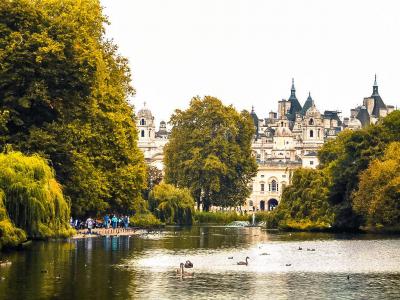
Once upon a royal time, a queen casually asked her courtier how much it would cost to kick the public out of St. James’s Park. The courtier, with nerves of steel and a flair for drama, replied, “Only your crown, ma’am.” And that pretty much sums up the importance of this place-mess with the people’s park, and you’re one coronation short of a monarchy.
Wedged gracefully between three heavy-hitters-Buckingham Palace, St. James’s Palace, and the political power zone of Westminster-St. James’s Park is London’s oldest and arguably most charming green retreat. Back in 1532, Henry VIII thought this marsh was in great need of deer, so he snapped it up for his very own deer nursery. Later, during the reign of James I, the land was drained, and an aviary was installed (giving rise to the name Birdcage Walk), along with a zoo that featured exotic species like crocodiles, camels, and even an elephant.
Then came Charles II, freshly returned from exile in France with some serious garden envy after ogling Versailles. He rolled up his sleeves and transformed the park into a regal playground with neat avenues, fruit trees, a canal, and a whole zoo of goats, sheep, and deer casually grazing the lawns. By the 1700s, the park had taken a turn for the scandalous, becoming a preferred hunting ground for the affluent individuals seeking... nighttime companions.
In the 19th century, the romantic stylings of John Nash (one of the foremost British architects of the Georgian and Regency eras) gave the park its current look-a picturesque escape with winding paths and dreamy views. Peer down the lake toward Buckingham Palace, and you can easily imagine having wandered onto a countryside estate-until a pelican flaps by.
Speaking of birds, Duck Island at the lake’s eastern tip is a feathery haven for pelicans, swans (King-owned, naturally), geese, and ducks. From March to October, deck chairs appear like sun-seeking mushrooms-perfect for office lunch breaks or tuning into a bandstand performance at midday.
Evenings are a delight here too, as the lake reflects the glowing silhouettes of Westminster Abbey and the Parliament buildings. It’s part fairy tale, part postcard, and entirely worth a visit. Lush lawns, birds with better titles than you, and the occasional live performance. Basically, it’s where London goes to exhale...
Wedged gracefully between three heavy-hitters-Buckingham Palace, St. James’s Palace, and the political power zone of Westminster-St. James’s Park is London’s oldest and arguably most charming green retreat. Back in 1532, Henry VIII thought this marsh was in great need of deer, so he snapped it up for his very own deer nursery. Later, during the reign of James I, the land was drained, and an aviary was installed (giving rise to the name Birdcage Walk), along with a zoo that featured exotic species like crocodiles, camels, and even an elephant.
Then came Charles II, freshly returned from exile in France with some serious garden envy after ogling Versailles. He rolled up his sleeves and transformed the park into a regal playground with neat avenues, fruit trees, a canal, and a whole zoo of goats, sheep, and deer casually grazing the lawns. By the 1700s, the park had taken a turn for the scandalous, becoming a preferred hunting ground for the affluent individuals seeking... nighttime companions.
In the 19th century, the romantic stylings of John Nash (one of the foremost British architects of the Georgian and Regency eras) gave the park its current look-a picturesque escape with winding paths and dreamy views. Peer down the lake toward Buckingham Palace, and you can easily imagine having wandered onto a countryside estate-until a pelican flaps by.
Speaking of birds, Duck Island at the lake’s eastern tip is a feathery haven for pelicans, swans (King-owned, naturally), geese, and ducks. From March to October, deck chairs appear like sun-seeking mushrooms-perfect for office lunch breaks or tuning into a bandstand performance at midday.
Evenings are a delight here too, as the lake reflects the glowing silhouettes of Westminster Abbey and the Parliament buildings. It’s part fairy tale, part postcard, and entirely worth a visit. Lush lawns, birds with better titles than you, and the occasional live performance. Basically, it’s where London goes to exhale...
