Custom Walk in Amsterdam, Netherlands by cjturan93_4a8eab created on 2026-05-03
Guide Location: Netherlands » Amsterdam
Guide Type: Custom Walk
# of Sights: 16
Tour Duration: 3 Hour(s)
Travel Distance: 4.3 Km or 2.7 Miles
Share Key: 5VQNX
Guide Type: Custom Walk
# of Sights: 16
Tour Duration: 3 Hour(s)
Travel Distance: 4.3 Km or 2.7 Miles
Share Key: 5VQNX
How It Works
Please retrieve this walk in the GPSmyCity app. Once done, the app will guide you from one tour stop to the next as if you had a personal tour guide. If you created the walk on this website or come to the page via a link, please follow the instructions below to retrieve the walk in the app.
Retrieve This Walk in App
Step 1. Download the app "GPSmyCity: Walks in 1K+ Cities" on Apple App Store or Google Play Store.



Step 2. In the GPSmyCity app, download(or launch) the guide "Amsterdam Map and Walking Tours".
Step 3. Tap the menu button located at upper right corner of the "Walks" screen and select "Retrieve custom walk". Enter the share key: 5VQNX
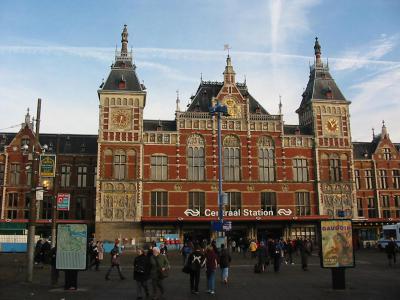
1) Centraal Station (must see)
When in Amsterdam, a visit to the Central Station is practically inevitable. Nearly every traveler to the city encounters it at least once.
Amsterdam Centraal is the largest railway station in the city and has the second longest railway platform in the country, with a length of 695 meters, and a cast-iron platform roof spanning approximately 40 meters. A major international railway hub, it is used daily by almost 200,000 passengers, making it the Netherlands' most visited national heritage object.
Amsterdam Centraal was designed by Dutch architect Pierre Cuypers, featuring a blend of Gothic and Renaissance Revival elements.
The station was constructed on three artificial islands, between 1882 and 1889. Controversially located at the city's waterfront, it took a precise total of 8,687 wooden piles to anchor such a monumental structure on the marshy ground. The station spurred significant urban redevelopment and shifted Amsterdam’s focus from a waterfront to an inland city, influencing both transportation and city planning.
Its design celebrates Dutch economic and colonial prowess through various decorative elements. Initially, the entire project seemed like a huge blunder and was swiftly criticized by numerous experts. However, the architects persevered and ultimately vindicated themselves, defying skeptics.
Through the decades, Amsterdam Centraal has undergone multiple renovations and expansions to meet modern demands. Significant developments included the creation of a pedestrian tunnel in the 1950s, expansion of metro facilities in the late 1970s, and a major overhaul in the 1980s and 1990s that introduced new signaling systems, expanded tracks, and additional roofing. Recent upgrades focus on enhancing capacity and accessibility, including extended platforms for international trains, a new bus station, and upgraded retail spaces, marking it as a central hub in Amsterdam’s urban landscape.
Tip:
Take advantage of the several free ferry trips navigating the canals, departing every 5 to 15 minutes from this location; they offer a rewarding experience. You can even cruise back to the station via boat if you wish, rounding out your visit with a picturesque waterborne journey.
Amsterdam Centraal is the largest railway station in the city and has the second longest railway platform in the country, with a length of 695 meters, and a cast-iron platform roof spanning approximately 40 meters. A major international railway hub, it is used daily by almost 200,000 passengers, making it the Netherlands' most visited national heritage object.
Amsterdam Centraal was designed by Dutch architect Pierre Cuypers, featuring a blend of Gothic and Renaissance Revival elements.
The station was constructed on three artificial islands, between 1882 and 1889. Controversially located at the city's waterfront, it took a precise total of 8,687 wooden piles to anchor such a monumental structure on the marshy ground. The station spurred significant urban redevelopment and shifted Amsterdam’s focus from a waterfront to an inland city, influencing both transportation and city planning.
Its design celebrates Dutch economic and colonial prowess through various decorative elements. Initially, the entire project seemed like a huge blunder and was swiftly criticized by numerous experts. However, the architects persevered and ultimately vindicated themselves, defying skeptics.
Through the decades, Amsterdam Centraal has undergone multiple renovations and expansions to meet modern demands. Significant developments included the creation of a pedestrian tunnel in the 1950s, expansion of metro facilities in the late 1970s, and a major overhaul in the 1980s and 1990s that introduced new signaling systems, expanded tracks, and additional roofing. Recent upgrades focus on enhancing capacity and accessibility, including extended platforms for international trains, a new bus station, and upgraded retail spaces, marking it as a central hub in Amsterdam’s urban landscape.
Tip:
Take advantage of the several free ferry trips navigating the canals, departing every 5 to 15 minutes from this location; they offer a rewarding experience. You can even cruise back to the station via boat if you wish, rounding out your visit with a picturesque waterborne journey.
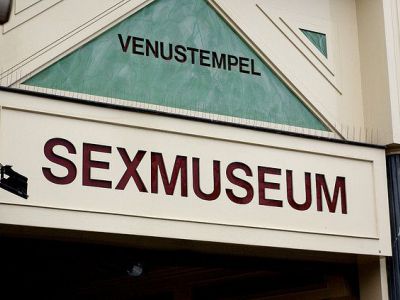
2) Sexmuseum / Temple of Venus
What started with skepticism has grown into one of Amsterdam’s most famous attractions. The city’s rich history and stunning art blend seamlessly with its exuberant erotic industry, and thus appeared the world’s very first Sexmuseum. Established in 1985, this unique institution draws over 500,000 yearly visitors, offering a fascinating look into the historical evolution of human sexuality. It’s a place where history meets curiosity, delving into the ways that desire and sensuality have shaped cultures through time.
Now, let’s be clear-this museum is strictly for adults; it’s not designed for children or families. The galleries feature an impressive variety of artworks, including paintings, sculptures, vintage photographs, and cartoons, all exploring the theme of erotica and sensuality. Additionally, you'll find personal artifacts, possessions, and documented histories of influential figures in the realm of sexuality. You can learn about the lives of figures like Madame de Pompadour, the famed mistress who seduced King Louis XV of France; the infamous Marquis de Sade, whose shocking exploits gave rise to the term “sadism”; and the legendary Mata Hari, a glamorous dancer whose name still conjures whispers of intrigue and espionage. Each of their stories weaves into a larger narrative, reshaping our understanding of sensuality, identity, and the complexity of human expression.
One particularly intriguing section dives into the practices of ancient civilizations, especially the Greeks and Romans. Here, you’ll find displays that explore their attitudes toward sexual norms, rituals, and deviations, in a way that’s both educational and entertaining.
In short, Amsterdam’s Sexmuseum is much more than a risqué novelty. It’s an engaging and informative experience that invites visitors to look beyond taboos and appreciate the complex, multifaceted history of human intimacy.
Now, let’s be clear-this museum is strictly for adults; it’s not designed for children or families. The galleries feature an impressive variety of artworks, including paintings, sculptures, vintage photographs, and cartoons, all exploring the theme of erotica and sensuality. Additionally, you'll find personal artifacts, possessions, and documented histories of influential figures in the realm of sexuality. You can learn about the lives of figures like Madame de Pompadour, the famed mistress who seduced King Louis XV of France; the infamous Marquis de Sade, whose shocking exploits gave rise to the term “sadism”; and the legendary Mata Hari, a glamorous dancer whose name still conjures whispers of intrigue and espionage. Each of their stories weaves into a larger narrative, reshaping our understanding of sensuality, identity, and the complexity of human expression.
One particularly intriguing section dives into the practices of ancient civilizations, especially the Greeks and Romans. Here, you’ll find displays that explore their attitudes toward sexual norms, rituals, and deviations, in a way that’s both educational and entertaining.
In short, Amsterdam’s Sexmuseum is much more than a risqué novelty. It’s an engaging and informative experience that invites visitors to look beyond taboos and appreciate the complex, multifaceted history of human intimacy.
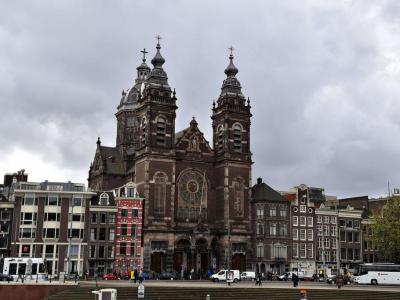
3) Sint Nicolaaskerk (St. Nicholas Church)
Across the water from the Station Square (“Stationsplein”), you'll see the striking twin towers and dome of Saint Nicholas. It’s Amsterdam’s main Catholic church, dedicated to the patron saint of sailors and the city itself. Built in the 1880s, it reflects a mix of revival styles, mainly Neo-Baroque and Neo-Renaissance influences.
Step inside and you’ll find a grand interior adorned with religious murals, which some might find a bit sentimental. The colorful brickwork, however, adds a distinctive charm. Above the main altar is the Habsburg Emperor Maximilian’s crown-a prominent symbol of the city. You’ll see this crown referenced often, as it represents an important historical connection.
In the late 15th century, Holy Roman Emperor Maximilian visited Amsterdam as a pilgrim. While recovering from an illness, he received considerable support from the city’s residents, who even helped fund his military campaigns. In return, Maximilian granted Amsterdam the right to incorporate his crown into its coat of arms. This royal emblem endured through centuries, even surviving the 17th-century revolt against Spain, and remains a proud part of the city’s identity.
Step inside and you’ll find a grand interior adorned with religious murals, which some might find a bit sentimental. The colorful brickwork, however, adds a distinctive charm. Above the main altar is the Habsburg Emperor Maximilian’s crown-a prominent symbol of the city. You’ll see this crown referenced often, as it represents an important historical connection.
In the late 15th century, Holy Roman Emperor Maximilian visited Amsterdam as a pilgrim. While recovering from an illness, he received considerable support from the city’s residents, who even helped fund his military campaigns. In return, Maximilian granted Amsterdam the right to incorporate his crown into its coat of arms. This royal emblem endured through centuries, even surviving the 17th-century revolt against Spain, and remains a proud part of the city’s identity.
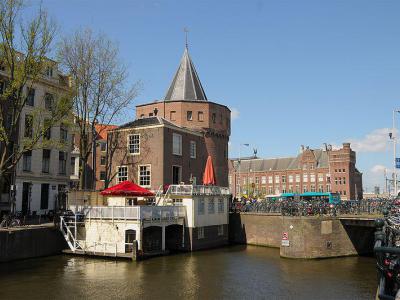
4) Schreierstoren (Weeper's Tower)
Just a short stroll from Saint Nicholas Church stands one of the last remaining pieces of Amsterdam’s medieval defenses. Built in the 15th century, this sturdy tower was originally tasked with watching over the River IJ and protecting the city. Legend claims that it was a gathering spot for tearful women bidding farewell to loved ones heading off to sea. But, like many good stories, this one is likely more myth than history. In reality, the tower's name is thought to come from its sharp angle, not from any weeping women.
A weathered plaque on the structure’s wall adds to the legend. Some say the figure on it represents a sorrowful woman; others argue it’s a symbol of Amsterdam itself-a virgin standing guard over the city. More recent history is marked by another plaque: one that commemorates Henry Hudson’s departure from this spot in 1609. On that fateful voyage, he stumbled upon the river and island that would become Manhattan. The settlement he established there was called New Amsterdam until the English took over in 1664, renaming it New York.
A weathered plaque on the structure’s wall adds to the legend. Some say the figure on it represents a sorrowful woman; others argue it’s a symbol of Amsterdam itself-a virgin standing guard over the city. More recent history is marked by another plaque: one that commemorates Henry Hudson’s departure from this spot in 1609. On that fateful voyage, he stumbled upon the river and island that would become Manhattan. The settlement he established there was called New Amsterdam until the English took over in 1664, renaming it New York.
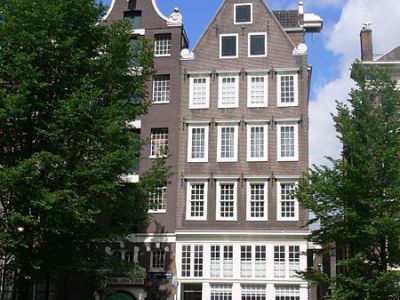
5) Our Lord in the Attic Museum
Amsterdam is always full of surprises, and tucked away in plain sight is one of its most fascinating hidden treasures: the Our Lord in the Attic Museum. Don’t let the name fool you-this place is no dusty storage space. It’s a trio of elegant canal houses concealing a secret two-story church, right in the heart of the Red Light District. Yes, you heard that right-steps from the neon glow and cobbled streets, there’s a stunning slice of the Dutch Golden Age waiting to be discovered.
Step inside, and you’ll find yourself transported back to the 17th century. The museum’s perfectly preserved walls offer a glimpse into daily life during that storied era. From the upper floors, you’ll enjoy postcard-worthy views of Amsterdam’s iconic canals. And as you climb, you’ll uncover the deeper, hidden story of religious restrictions during the Protestant Reformation. Back then, Catholics couldn’t worship openly, so this cleverly disguised church was their sanctuary. It still has many original architectural details, including a rare intact staircase that’s nearly four centuries old.
Before you leave, don’t miss the modern addition, where you’ll learn about the Miracle of Amsterdam-a tale of fire, faith, and mystery-via a complimentary audio tour. Just be ready for a workout; the narrow staircases can be a bit of a climb. But once you reach the top, you’ll be rewarded with a unique perspective on the city’s history, both grand and secretive.
Step inside, and you’ll find yourself transported back to the 17th century. The museum’s perfectly preserved walls offer a glimpse into daily life during that storied era. From the upper floors, you’ll enjoy postcard-worthy views of Amsterdam’s iconic canals. And as you climb, you’ll uncover the deeper, hidden story of religious restrictions during the Protestant Reformation. Back then, Catholics couldn’t worship openly, so this cleverly disguised church was their sanctuary. It still has many original architectural details, including a rare intact staircase that’s nearly four centuries old.
Before you leave, don’t miss the modern addition, where you’ll learn about the Miracle of Amsterdam-a tale of fire, faith, and mystery-via a complimentary audio tour. Just be ready for a workout; the narrow staircases can be a bit of a climb. But once you reach the top, you’ll be rewarded with a unique perspective on the city’s history, both grand and secretive.
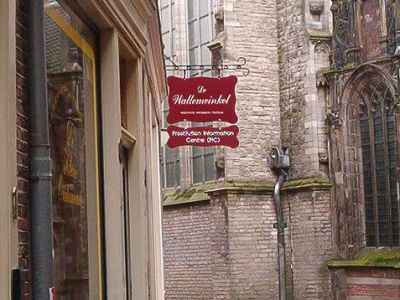
6) Prostitution Information Centre (PIC)
If you’re going to have the world’s largest prostitution area, why not have an information center to match? Enter Miss Mariska Majoor, a former industry insider, who turned this idea into reality. Back in 1994, she opened the Prostitution Information Center (or PIC), a non-profit foundation located right among the Red Light District’s window brothels. The mission? To give newcomers and tourists a clear, unbiased look at the city’s thriving sex industry. In other words, it’s about shedding light on the red lights.
At the PIC, you can find straightforward advice on where to go and what to expect, ensuring you’re not just wandering in clueless. They even provide a handy map of legal prostitution zones and a pocket-sized guide that answers tourists’ most common questions.
And it’s not all just information-there’s a cozy café and shop, the Wallenwinkel, where you can browse books, pamphlets, and a quirky array of souvenirs: think postcards, T-shirts, and fridge magnets, all with a cheeky nod to the district’s iconic allure. If you’re feeling adventurous, the center also organizes ninety-minute guided tours, giving you a deeper dive into one of Amsterdam’s most fascinating neighborhoods.
At the PIC, you can find straightforward advice on where to go and what to expect, ensuring you’re not just wandering in clueless. They even provide a handy map of legal prostitution zones and a pocket-sized guide that answers tourists’ most common questions.
And it’s not all just information-there’s a cozy café and shop, the Wallenwinkel, where you can browse books, pamphlets, and a quirky array of souvenirs: think postcards, T-shirts, and fridge magnets, all with a cheeky nod to the district’s iconic allure. If you’re feeling adventurous, the center also organizes ninety-minute guided tours, giving you a deeper dive into one of Amsterdam’s most fascinating neighborhoods.
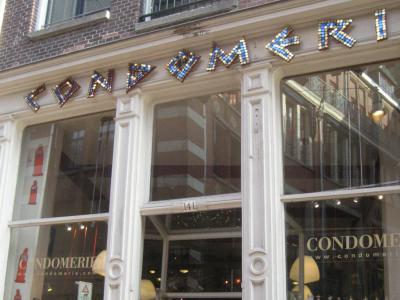
7) Condomerie
You won’t find this shop on many must-visit lists, but trust us-it’s worth popping into as you stroll through Amsterdam’s Red Light District. Meet the world’s first dedicated condom store, a quirky little spot that’s all about keeping things safe and fun. Surprisingly, its shop window often draws more curious glances than the ones with the ladies of the night next door.
This isn’t your average store-or a museum, for that matter. The Condomerie elevates the humble condom into an art form, offering an incredible variety of shapes, sizes, colors, and flavors. From the standard brands you know to some truly out-there designs, they’ve got it all. But here’s the twist: not everything they sell is for actual use. Some of their more colorful creations are purely for show, and even come with a disclaimer. Fancy paint and latex don’t always mix, so read the fine print before you get carried away.
It’s not just about the condoms, though. The shop also stocks souvenirs, postcards, and the kind of gag gifts that’ll make you the life of any bachelorette party. Looking to leave a friend in stitches, questioning reality? This is your spot.
You might wonder how a place like the Condomerie keeps the doors open when many visitors just come in for a laugh. But hey, this is Amsterdam. Anything goes. Whether you’re here to shop, giggle, or just marvel at the sheer creativity on display, make sure to swing by before this oddball attraction ever disappears-if it ever does.
This isn’t your average store-or a museum, for that matter. The Condomerie elevates the humble condom into an art form, offering an incredible variety of shapes, sizes, colors, and flavors. From the standard brands you know to some truly out-there designs, they’ve got it all. But here’s the twist: not everything they sell is for actual use. Some of their more colorful creations are purely for show, and even come with a disclaimer. Fancy paint and latex don’t always mix, so read the fine print before you get carried away.
It’s not just about the condoms, though. The shop also stocks souvenirs, postcards, and the kind of gag gifts that’ll make you the life of any bachelorette party. Looking to leave a friend in stitches, questioning reality? This is your spot.
You might wonder how a place like the Condomerie keeps the doors open when many visitors just come in for a laugh. But hey, this is Amsterdam. Anything goes. Whether you’re here to shop, giggle, or just marvel at the sheer creativity on display, make sure to swing by before this oddball attraction ever disappears-if it ever does.
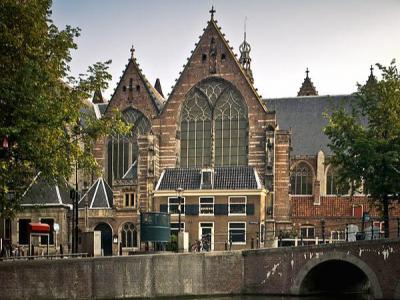
8) Oude Kerk (Old Church)
Amsterdam’s oldest building, the Old Church, boasts the largest medieval wooden vault in Europe. The initial wooden chapel on this site was built around 1213. Eventually replaced by a stone structure, in 1306, the church was dedicated to Saint Nicolas. To ensure its stability in a marshy area, the foundations were set on an artificial mound.
Throughout the centuries, the church has undergone numerous transformations. The most significant, in the 15th century, included the addition of north and south transepts, forming a cross shape, and the expansion of the aisles prompted by the necessity to recover from the destruction caused by fires in the early 1400s. Originally Roman Catholic, the church transitioned to its present Calvinist denomination in 1578, after the Dutch Revolt against Spanish rule. This transition led to the Iconoclastic Fury, with rioters destroying much of the church's art.
The Old Church boasts significant artistic and personal histories. It has ties to Rembrandt, who was a frequent visitor here for his children’s christenings. Today, this connection is honored by the annual celebration of Rembrandt’s wife, Saskia, who is buried inside. Each spring, on March 9, her tomb is illuminated by a unique play of sunlight in the morning.
The entire floor of the church is covered in gravestones. This is because it's built over a cemetery. Locals continued to be buried here until 1865. There are in total 2,500 graves, holding the remains of some 10,000 parishioners. Among them are the famed organist and composer Jan Pieterszoon Sweelinck; the revered naval hero Jacob van Heemskerck; and Frans Banning Cocq, the central character in Rembrandt's painting "The Night Watch".
Also, the interior – surprisingly spacious – contains a collection of exquisite stained glass, rare ceiling frescoes, and four pipe organs, including the renowned Vater-Müller organ built in 1724 and recognized as one of the finest Baroque organs in Europe.
As of 2012, the Old Church has been home to an art institute, the newest in town, featuring specific installations and a permanent exhibit on the history of Amsterdam.
Each year in mid-March, Catholics arrive at the Old Church to celebrate the so-called "Miracle of Amsterdam" which occurred in 1345. Legend has it that after taking communion, a dying man vomited the Sacramental bread – known as the Host – which is used in the Christian ritual of the Eucharist. When the bread was thrown into a fire, as prescribed by the tradition, it did not burn and was proclaimed a miracle. The Host was then put in a chest and displayed at the church. However, it disappeared during the Reformation period.
Tip:
Wonderful views from the tower (note the fee payable with credit/debit cards only); coffee and snacks are available in a charming garden.
Throughout the centuries, the church has undergone numerous transformations. The most significant, in the 15th century, included the addition of north and south transepts, forming a cross shape, and the expansion of the aisles prompted by the necessity to recover from the destruction caused by fires in the early 1400s. Originally Roman Catholic, the church transitioned to its present Calvinist denomination in 1578, after the Dutch Revolt against Spanish rule. This transition led to the Iconoclastic Fury, with rioters destroying much of the church's art.
The Old Church boasts significant artistic and personal histories. It has ties to Rembrandt, who was a frequent visitor here for his children’s christenings. Today, this connection is honored by the annual celebration of Rembrandt’s wife, Saskia, who is buried inside. Each spring, on March 9, her tomb is illuminated by a unique play of sunlight in the morning.
The entire floor of the church is covered in gravestones. This is because it's built over a cemetery. Locals continued to be buried here until 1865. There are in total 2,500 graves, holding the remains of some 10,000 parishioners. Among them are the famed organist and composer Jan Pieterszoon Sweelinck; the revered naval hero Jacob van Heemskerck; and Frans Banning Cocq, the central character in Rembrandt's painting "The Night Watch".
Also, the interior – surprisingly spacious – contains a collection of exquisite stained glass, rare ceiling frescoes, and four pipe organs, including the renowned Vater-Müller organ built in 1724 and recognized as one of the finest Baroque organs in Europe.
As of 2012, the Old Church has been home to an art institute, the newest in town, featuring specific installations and a permanent exhibit on the history of Amsterdam.
Each year in mid-March, Catholics arrive at the Old Church to celebrate the so-called "Miracle of Amsterdam" which occurred in 1345. Legend has it that after taking communion, a dying man vomited the Sacramental bread – known as the Host – which is used in the Christian ritual of the Eucharist. When the bread was thrown into a fire, as prescribed by the tradition, it did not burn and was proclaimed a miracle. The Host was then put in a chest and displayed at the church. However, it disappeared during the Reformation period.
Tip:
Wonderful views from the tower (note the fee payable with credit/debit cards only); coffee and snacks are available in a charming garden.
9) Casa Rosso
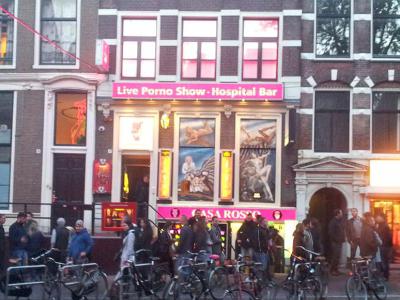
Casa Rosso is arguably the most recognizable adult entertainment spot in Amsterdam. That’s largely thanks to the giant neon pink elephant on its facade, right in the heart of the Red Light District. While it shares some fame with its sibling venue, the Banana Bar just a short walk away, Casa Rosso has a more theater-like vibe, giving it an intimate and cozy atmosphere.
Unlike some places that hit you with sneaky extra fees, Casa Rosso keeps it straightforward. One admission fee gets you in the door and covers a selection of beverages and a lineup of stage performances. The entertainment ranges from elegant pole dancing to explicit live acts featuring couples, along with some cheeky comedy routines. The performers are undeniably easy on the eyes, and the overall tone stays surprisingly refined. That said, this is still a live adult show, and audience participation is welcomed during the tamer segments. If that’s not your thing, consider sitting a bit farther back.
It’s worth noting that Casa Rosso is very much for adults only, and what you see is, well, exactly what you get. If live nudity or explicit performances aren’t your cup of tea, you might want to sit this one out. Also, don’t even think about bringing a camera-photos are strictly forbidden.
You can snag tickets at visitor kiosks or right at the theater itself, with options that include two complimentary drinks. If you’re strategic, buying your drinks separately might save you a few euros since the prices inside are pretty reasonable.
In short, Casa Rosso is a Red Light District staple, offering a lively and entertaining snapshot of Amsterdam’s adult scene. If you’re curious and open-minded, it’s a spot well worth exploring.
Unlike some places that hit you with sneaky extra fees, Casa Rosso keeps it straightforward. One admission fee gets you in the door and covers a selection of beverages and a lineup of stage performances. The entertainment ranges from elegant pole dancing to explicit live acts featuring couples, along with some cheeky comedy routines. The performers are undeniably easy on the eyes, and the overall tone stays surprisingly refined. That said, this is still a live adult show, and audience participation is welcomed during the tamer segments. If that’s not your thing, consider sitting a bit farther back.
It’s worth noting that Casa Rosso is very much for adults only, and what you see is, well, exactly what you get. If live nudity or explicit performances aren’t your cup of tea, you might want to sit this one out. Also, don’t even think about bringing a camera-photos are strictly forbidden.
You can snag tickets at visitor kiosks or right at the theater itself, with options that include two complimentary drinks. If you’re strategic, buying your drinks separately might save you a few euros since the prices inside are pretty reasonable.
In short, Casa Rosso is a Red Light District staple, offering a lively and entertaining snapshot of Amsterdam’s adult scene. If you’re curious and open-minded, it’s a spot well worth exploring.
10) De Waag (Weigh House)
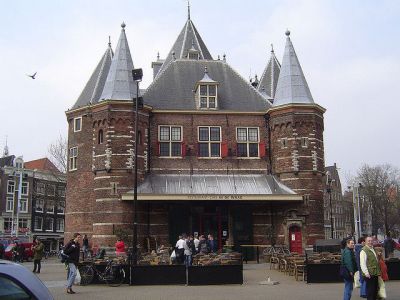
The Weigh House, a medieval trading hub dating back to 1488, began as a customs house, where goldsmiths and silversmiths worked their magic on the upper floors. Today, it’s home to a lively bar and restaurant, but inside you can still marvel at the hefty timber beams and what’s left of the old weighing scales.
Originally, this building was taller, but the 16th-century city planners had other ideas. When Amsterdam’s defensive walls came down, the gatehouse lost its fortification and its height. The surrounding moat was filled in, creating a bustling market square, and the ground level was raised, leaving the Weigh House looking quite different than it did in its heyday.
Even so, the building remained at the heart of Amsterdam’s cultural life. It was here that Rembrandt van Rijn painted “The Anatomy Lesson of Dr. Nicolas Tulp,” the work that launched his legendary career. Over the centuries, the Weighing House served many roles, hosting museums, city institutions, and even a fire brigade. In 1996, it found new purpose under the care of the Waag (“Weigh House”) Society, ensuring its historic charm endures for generations to come.
Originally, this building was taller, but the 16th-century city planners had other ideas. When Amsterdam’s defensive walls came down, the gatehouse lost its fortification and its height. The surrounding moat was filled in, creating a bustling market square, and the ground level was raised, leaving the Weigh House looking quite different than it did in its heyday.
Even so, the building remained at the heart of Amsterdam’s cultural life. It was here that Rembrandt van Rijn painted “The Anatomy Lesson of Dr. Nicolas Tulp,” the work that launched his legendary career. Over the centuries, the Weighing House served many roles, hosting museums, city institutions, and even a fire brigade. In 1996, it found new purpose under the care of the Waag (“Weigh House”) Society, ensuring its historic charm endures for generations to come.
11) Museum Het Rembrandthuis (Rembrandt House Museum) (must see)
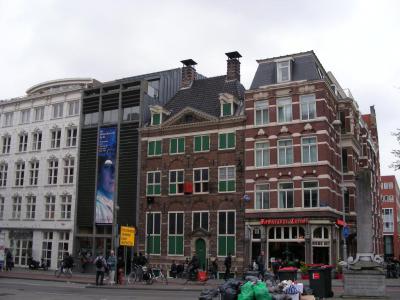
This old house in Amsterdam's Jews Broadway, with an ornate facade adorned with intricate wooden shutters and an elaborate pediment, was once the home and studio of the Dutch painter Rembrandt van Rijn. Commonly known as Rembrandt, he was a prominent 17th-century figure, rightfully acclaimed as one of the foremost artists of the Dutch Golden Age-a period when the Dutch Empire enjoyed the zenith of its power and renown.
Originally built in 1606, the property served as the artist's residence during the pinnacle of his fame, a place where he resided for nearly two decades, from 1639 to 1658, and created some of his most iconic masterpieces, such as "The Night Watch."
However, the lavish expenditure on furnishings ultimately contributed to Rembrandt's financial downfall. After his bankruptcy, the house changed hands and underwent various renovations before it was purchased by Amsterdam's municipality, in 1907, and then restored and converted into a museum by 1911. The building was redesigned in the 20th century based on the inventory drawn up during Rembrandt's bankruptcy.
The museum shows Rembrandt's living and working quarters, giving the visitor an idea of the artist's daily life. Stepping inside here feels akin to entering one of Rembrandt's own paintings, with quintessential Dutch interiors featuring black-and-white tiled floors and traditional box beds. Two particularly captivating highlights include a nearly complete collection of Rembrandt's etchings, exhibited in its modern wing and etching cabinet. In Rembrandt's old house, there are also works of art by his teacher, Pieter Lastman, and his pupils, Ferdinand Bol and Govert Flinck. The museum also hosts temporary exhibitions throughout the year of the works by Rembrandt's contemporaries and (contemporary) followers.
In 2019, research confirmed that two pots found in Rembrandt’s old cesspool were used by him for mixing quartz soil, a unique canvas preparation method. These pots are now on display here.
Tip:
Reserve some time to browse the museum's quaint shop, offering a selection of delightful, high-quality souvenirs at reasonable prices. It is highly likely that you will want to get something as a keepsake for yourself too.
Originally built in 1606, the property served as the artist's residence during the pinnacle of his fame, a place where he resided for nearly two decades, from 1639 to 1658, and created some of his most iconic masterpieces, such as "The Night Watch."
However, the lavish expenditure on furnishings ultimately contributed to Rembrandt's financial downfall. After his bankruptcy, the house changed hands and underwent various renovations before it was purchased by Amsterdam's municipality, in 1907, and then restored and converted into a museum by 1911. The building was redesigned in the 20th century based on the inventory drawn up during Rembrandt's bankruptcy.
The museum shows Rembrandt's living and working quarters, giving the visitor an idea of the artist's daily life. Stepping inside here feels akin to entering one of Rembrandt's own paintings, with quintessential Dutch interiors featuring black-and-white tiled floors and traditional box beds. Two particularly captivating highlights include a nearly complete collection of Rembrandt's etchings, exhibited in its modern wing and etching cabinet. In Rembrandt's old house, there are also works of art by his teacher, Pieter Lastman, and his pupils, Ferdinand Bol and Govert Flinck. The museum also hosts temporary exhibitions throughout the year of the works by Rembrandt's contemporaries and (contemporary) followers.
In 2019, research confirmed that two pots found in Rembrandt’s old cesspool were used by him for mixing quartz soil, a unique canvas preparation method. These pots are now on display here.
Tip:
Reserve some time to browse the museum's quaint shop, offering a selection of delightful, high-quality souvenirs at reasonable prices. It is highly likely that you will want to get something as a keepsake for yourself too.
12) Waterloo Square Flea Market
Waterloo Square near the Amstel River in Amsterdam was named after the Battle of Waterloo in 1815. Prominent buildings here include the Stopera complex (home to the city hall of Amsterdam and the Dutch National Opera and Ballet) as well as the Moses and Aaron Church.
Waterloo Square was created in 1882 when the local Leper's and Wood canals were filled in. The square became a marketplace when the city government decided that the Jewish merchants from the nearby areas had to move their stalls here. Thus, in 1893, the square became a daily market (operational all week long, except on Saturdays, the Jewish sabbath).
During World War II, the Jewish quarter was emptied of its residents as the Nazis rounded them up and sent them to concentration camps. The Waterloo Square market had disappeared by 1941.
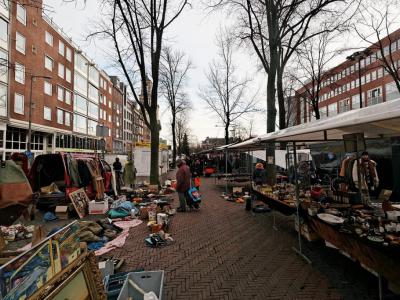
After the war, the deserted Jewish quarter's Waterloo Square market transformed into a bustling flea market. Popular among tourists and locals, it was revived to offer a rustic bazaar atmosphere, providing a space to shop, haggle, and browse a diverse selection of goods.
The market has some 300 stalls and is open every day except Sunday. Given the wide variety of merchandise on offer, it is not meant for rushed browsing. Making quick decisions can be challenging, so be sure to allocate generous time for your visit.
Tip:
If you're inclined towards saving money, take a preliminary tour of the market before making any purchases. Many items, such as hats and sunglasses, can be found at multiple stalls, with prices varying from one vendor to another.
Waterloo Square was created in 1882 when the local Leper's and Wood canals were filled in. The square became a marketplace when the city government decided that the Jewish merchants from the nearby areas had to move their stalls here. Thus, in 1893, the square became a daily market (operational all week long, except on Saturdays, the Jewish sabbath).
During World War II, the Jewish quarter was emptied of its residents as the Nazis rounded them up and sent them to concentration camps. The Waterloo Square market had disappeared by 1941.
After the war, the deserted Jewish quarter's Waterloo Square market transformed into a bustling flea market. Popular among tourists and locals, it was revived to offer a rustic bazaar atmosphere, providing a space to shop, haggle, and browse a diverse selection of goods.
The market has some 300 stalls and is open every day except Sunday. Given the wide variety of merchandise on offer, it is not meant for rushed browsing. Making quick decisions can be challenging, so be sure to allocate generous time for your visit.
Tip:
If you're inclined towards saving money, take a preliminary tour of the market before making any purchases. Many items, such as hats and sunglasses, can be found at multiple stalls, with prices varying from one vendor to another.
13) Joods Museum (Jewish Museum)
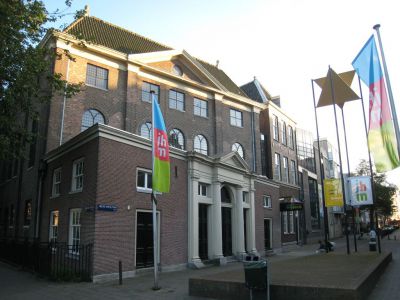
Cleverly shoehorned within a remarkable complex of four Ashkenazic synagogues from the 17th and 18th centuries, this museum is the crown jewel of Amsterdam’s Jewish Cultural Quarter. What sets it apart is its focus. Instead of dwelling solely on the Holocaust, it dives deep into every facet of Jewish life and the community’s evolving relationship with the city of Amsterdam. In fact, it’s a rarity not just in the Netherlands but perhaps the entire world. Its collection of documents, artifacts, and manuscripts is nothing short of extraordinary, all displayed in a thoughtful, context-rich environment.
For centuries, Amsterdam-known as “Mokum” in Hebrew-was a haven for Jewish refugees, welcoming both Sephardic Jews fleeing Iberia and Ashkenazi Jews arriving from Central and Eastern Europe. Despite sharing a common faith, these two groups led distinctly different lives, adding layers of complexity to Dutch society.
One of the museum’s most fascinating features is its attention to detail. Exhibits clearly explain the contrasts between different Jewish diasporas and how their coexistence shaped the Netherlands. Visitors can explore a reconstructed synagogue that illuminates the beauty of Jewish worship, as well as displays highlighting Jewish contributions to various trades and professions. These insights are skillfully contrasted with the struggles of impoverished Jewish communities, creating a nuanced and complete picture of Jewish life in Amsterdam. And when you need a break, there’s a kosher café and a bookshop packed with fantastic finds.
Best of all, a single ticket grants access to other nearby treasures: the stunning Portuguese Synagogue, the Holocaust Museum, and the engaging Children’s Museum.
Tip:
Planning to visit on a weekend? Don’t miss the bustling market just outside the museum-it’s the perfect way to round out your day.
For centuries, Amsterdam-known as “Mokum” in Hebrew-was a haven for Jewish refugees, welcoming both Sephardic Jews fleeing Iberia and Ashkenazi Jews arriving from Central and Eastern Europe. Despite sharing a common faith, these two groups led distinctly different lives, adding layers of complexity to Dutch society.
One of the museum’s most fascinating features is its attention to detail. Exhibits clearly explain the contrasts between different Jewish diasporas and how their coexistence shaped the Netherlands. Visitors can explore a reconstructed synagogue that illuminates the beauty of Jewish worship, as well as displays highlighting Jewish contributions to various trades and professions. These insights are skillfully contrasted with the struggles of impoverished Jewish communities, creating a nuanced and complete picture of Jewish life in Amsterdam. And when you need a break, there’s a kosher café and a bookshop packed with fantastic finds.
Best of all, a single ticket grants access to other nearby treasures: the stunning Portuguese Synagogue, the Holocaust Museum, and the engaging Children’s Museum.
Tip:
Planning to visit on a weekend? Don’t miss the bustling market just outside the museum-it’s the perfect way to round out your day.
14) Esnoga (Portuguese Synagogue)
Amsterdam’s reputation for tolerance and religious freedom made it a beacon for Jews fleeing persecution. By the late 15th century, Jews escaping Spain and Portugal’s Inquisition found refuge in the Netherlands. At the time, the Dutch Republic was at odds with Spain, so these newcomers adopted the label “Portuguese Jews” to keep things simple and avoid further conflict.
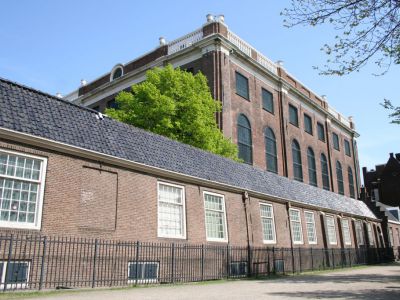
The community flourished, and by 1665, their crowning achievement took shape: the grand Portuguese Synagogue-also known as the Esnoga. Its design borrowed from the Neoclassical style popular in the Netherlands, with elegant pilasters and a concealed balustrade. At the time, it was the largest synagogue in the world, inspired by the grandeur of Solomon’s Temple in Jerusalem.
To this day, the Esnoga remains a portal to the past. Standing along one of Amsterdam’s busiest streets, its 17th-century design and interiors remarkably untouched. Electric lights? You won’t find them here. Instead, you’ll be welcomed by the flicker of roughly 1,000 candles, their soft glow illuminating antique furnishings and intricate décor.
Tourists are invited to explore Europe’s second-oldest synagogue still in continuous use, and as a bonus, each admission includes access to the Jewish Historical Museum, conveniently located just steps away across the street.
Insider Tip:
Don’t just admire the main hall-explore the annexes. The board room, winter synagogue, candle room, and mourning room each tell their own story. Be sure to head down to the treasure chambers, where you’ll find precious 16th-century manuscripts, gold-threaded tapestries, and books from the oldest Jewish library in the world.
The community flourished, and by 1665, their crowning achievement took shape: the grand Portuguese Synagogue-also known as the Esnoga. Its design borrowed from the Neoclassical style popular in the Netherlands, with elegant pilasters and a concealed balustrade. At the time, it was the largest synagogue in the world, inspired by the grandeur of Solomon’s Temple in Jerusalem.
To this day, the Esnoga remains a portal to the past. Standing along one of Amsterdam’s busiest streets, its 17th-century design and interiors remarkably untouched. Electric lights? You won’t find them here. Instead, you’ll be welcomed by the flicker of roughly 1,000 candles, their soft glow illuminating antique furnishings and intricate décor.
Tourists are invited to explore Europe’s second-oldest synagogue still in continuous use, and as a bonus, each admission includes access to the Jewish Historical Museum, conveniently located just steps away across the street.
Insider Tip:
Don’t just admire the main hall-explore the annexes. The board room, winter synagogue, candle room, and mourning room each tell their own story. Be sure to head down to the treasure chambers, where you’ll find precious 16th-century manuscripts, gold-threaded tapestries, and books from the oldest Jewish library in the world.
15) National Holocaust Museum
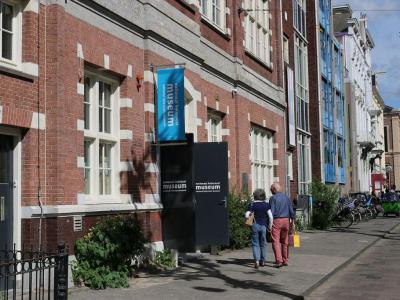
Housed in a former school next to a nursery, this museum tells a deeply moving story you won’t soon forget. Its focus is on the experiences of Jewish children-up to 12 years old-who, separated from their parents, waited in uncertainty before being deported.
In October 1942, after the Nazis commandeered the nursery, members of the Jewish Council working at the deportation site teamed up with resistance members and the nursery’s director in a bold rescue effort. They managed to hide Jewish children within the school, creating what eventually became a smuggling network for those otherwise destined for the camps.
Visiting the Holocaust Museum is both enlightening and heart-wrenching. You’ll see children’s belongings, personal stories, and photographs that have emerged from private collections and antique shops after the war. Together, these artifacts offer a glimpse into lives abruptly and tragically cut short-just a fraction of the over 104,000 Dutch Jewish lives lost during the Holocaust.
Traveler’s Tip:
Right across the street is the National Holocaust Names Memorial. It’s worth a visit to see the names of every known Dutch Jewish victim etched into its walls-a powerful and solemn reminder of the immense loss.
In October 1942, after the Nazis commandeered the nursery, members of the Jewish Council working at the deportation site teamed up with resistance members and the nursery’s director in a bold rescue effort. They managed to hide Jewish children within the school, creating what eventually became a smuggling network for those otherwise destined for the camps.
Visiting the Holocaust Museum is both enlightening and heart-wrenching. You’ll see children’s belongings, personal stories, and photographs that have emerged from private collections and antique shops after the war. Together, these artifacts offer a glimpse into lives abruptly and tragically cut short-just a fraction of the over 104,000 Dutch Jewish lives lost during the Holocaust.
Traveler’s Tip:
Right across the street is the National Holocaust Names Memorial. It’s worth a visit to see the names of every known Dutch Jewish victim etched into its walls-a powerful and solemn reminder of the immense loss.
16) Magere Brug (Skinny Bridge)
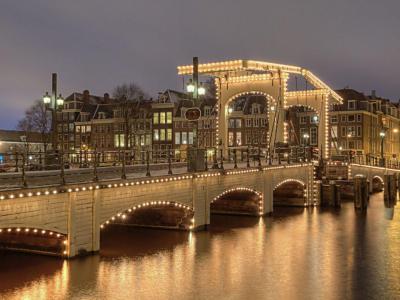
Amsterdam's most renowned and adorable of swing bridges is undoubtedly the Magere Brug, or the "Skinny Bridge." Initially constructed in the 1600s, this bridge has spawned numerous urban legends in Amsterdam, including one about two sisters who resided on opposite sides of the River Amstel and grew tired of the long trek to visit each other. However, the more likely tale is that a narrow bridge over the Amstel made more economic sense than a stone one. Over the years, the bridge has undergone multiple reconstructions, with the current iteration dating back to 1969. It is now exclusively for pedestrians, offering a picturesque view of Amsterdam's skyline.
The Magere Brug is a beloved spot among couples and has also made appearances in films, including the James Bond movie "Diamonds Are Forever." According to local lore, sharing a kiss with someone on the bridge or beneath it on a boat guarantees eternal love. At night, the bridge is adorned with thousands of twinkling lights, making it a delightful destination for a romantic evening stroll.
The Magere Brug is a beloved spot among couples and has also made appearances in films, including the James Bond movie "Diamonds Are Forever." According to local lore, sharing a kiss with someone on the bridge or beneath it on a boat guarantees eternal love. At night, the bridge is adorned with thousands of twinkling lights, making it a delightful destination for a romantic evening stroll.
