Custom Walk in Liverpool, England by drjonno_8483ac created on 2026-05-21
Guide Location: England » Liverpool
Guide Type: Custom Walk
# of Sights: 10
Tour Duration: 3 Hour(s)
Travel Distance: 7 Km or 4.3 Miles
Share Key: WWJKX
Guide Type: Custom Walk
# of Sights: 10
Tour Duration: 3 Hour(s)
Travel Distance: 7 Km or 4.3 Miles
Share Key: WWJKX
How It Works
Please retrieve this walk in the GPSmyCity app. Once done, the app will guide you from one tour stop to the next as if you had a personal tour guide. If you created the walk on this website or come to the page via a link, please follow the instructions below to retrieve the walk in the app.
Retrieve This Walk in App
Step 1. Download the app "GPSmyCity: Walks in 1K+ Cities" on Apple App Store or Google Play Store.



Step 2. In the GPSmyCity app, download(or launch) the guide "Liverpool Map and Walking Tours".
Step 3. Tap the menu button located at upper right corner of the "Walks" screen and select "Retrieve custom walk". Enter the share key: WWJKX
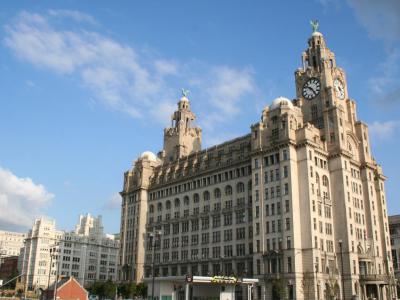
1) Royal Liver Building
The Royal Liver Building, a Grade I listed structure, stands as an iconic emblem of Liverpool. Located at the Pier Head, it forms part of the renowned Three Graces, which also include the Cunard Building and the Port of Liverpool Building. These architectural marvels grace the city’s waterfront and were once part of Liverpool's UNESCO-designated World Heritage Maritime Mercantile City.
Opened in 1911, the Royal Liver Building was originally constructed as the headquarters for the Royal Liver Assurance Group, established in 1850 to assist families coping with the loss of a wage earner. It was a pioneering achievement in architecture, being one of the first buildings globally to utilize reinforced concrete in its construction. At 98.2 meters (322 feet) to the spires and 103.7 meters (340 feet) to the top of the iconic Liver Birds, it was once among the tallest buildings in the United Kingdom and remains the fourth-tallest building in Liverpool.
The building’s façade is crowned by two prominent clock towers, allowing sailors on the River Mersey to determine the time as they passed. Manufactured by Gent and Company of Leicester, the clock faces measuring an impressive 7.6 meters (25 feet) in diameter, larger than those of London’s Great Westminster Clock (Big Ben). Unique among such landmarks, the clocks feature no numerals, only facets marking the hours, and are powered by a single mechanism.
Atop the towers stand the iconic Liver Birds, designed by Carl Bernard Bartels. These 5.5-meter (18-foot) mythical cormorants symbolize Liverpool, with Bella watching the sea and Bertie guarding the city-or, as locals joke, checking pubs and sailors. Crafted from copper and chained in place, they carry seaweed sprigs in their beaks, a nod to the city’s maritime heritage. Legend warns that if they ever flew away, Liverpool would cease to exist.
Overlooking the River Mersey, the Royal Liver Building is a cherished Liverpool landmark, celebrating the city's maritime heritage and captivating all with its iconic Liver Birds and rich history.
Why You Should Visit:
In September 2019, during the UK Heritage Open Days, for the first time in its 100+ year history, the Royal Liver Building unlocked its doors to the public with the launch of Royal Liver Building 360, a brand new fully guided tower tour offering a world-class audiovisual experience complete with panoramic 360° views across Liverpool from the 15th floor viewing platform – a true ‘bucket list’ must-see attraction.
Tip:
Guided tours take around 70 minutes, with each group limited to 14 people to ensure that everyone gets a great view and the chance to capture images. Visitors are allowed access to all areas inside and outside of the building – from the marble lobby to the roof and a climb up the "chicken stairway" under the Liver Bird cupola. Yes, you can climb to as high as it gets and it is quite an incredible, unique experience, but to get tickets, you need to book well in advance.
Before booking tickets, prospective visitors should note that the tour is physically demanding and requires the negotiation of 124 steps, 71 of which are a narrow spiral stone staircase. The tour is also not open to children under seven years of age.
Opened in 1911, the Royal Liver Building was originally constructed as the headquarters for the Royal Liver Assurance Group, established in 1850 to assist families coping with the loss of a wage earner. It was a pioneering achievement in architecture, being one of the first buildings globally to utilize reinforced concrete in its construction. At 98.2 meters (322 feet) to the spires and 103.7 meters (340 feet) to the top of the iconic Liver Birds, it was once among the tallest buildings in the United Kingdom and remains the fourth-tallest building in Liverpool.
The building’s façade is crowned by two prominent clock towers, allowing sailors on the River Mersey to determine the time as they passed. Manufactured by Gent and Company of Leicester, the clock faces measuring an impressive 7.6 meters (25 feet) in diameter, larger than those of London’s Great Westminster Clock (Big Ben). Unique among such landmarks, the clocks feature no numerals, only facets marking the hours, and are powered by a single mechanism.
Atop the towers stand the iconic Liver Birds, designed by Carl Bernard Bartels. These 5.5-meter (18-foot) mythical cormorants symbolize Liverpool, with Bella watching the sea and Bertie guarding the city-or, as locals joke, checking pubs and sailors. Crafted from copper and chained in place, they carry seaweed sprigs in their beaks, a nod to the city’s maritime heritage. Legend warns that if they ever flew away, Liverpool would cease to exist.
Overlooking the River Mersey, the Royal Liver Building is a cherished Liverpool landmark, celebrating the city's maritime heritage and captivating all with its iconic Liver Birds and rich history.
Why You Should Visit:
In September 2019, during the UK Heritage Open Days, for the first time in its 100+ year history, the Royal Liver Building unlocked its doors to the public with the launch of Royal Liver Building 360, a brand new fully guided tower tour offering a world-class audiovisual experience complete with panoramic 360° views across Liverpool from the 15th floor viewing platform – a true ‘bucket list’ must-see attraction.
Tip:
Guided tours take around 70 minutes, with each group limited to 14 people to ensure that everyone gets a great view and the chance to capture images. Visitors are allowed access to all areas inside and outside of the building – from the marble lobby to the roof and a climb up the "chicken stairway" under the Liver Bird cupola. Yes, you can climb to as high as it gets and it is quite an incredible, unique experience, but to get tickets, you need to book well in advance.
Before booking tickets, prospective visitors should note that the tour is physically demanding and requires the negotiation of 124 steps, 71 of which are a narrow spiral stone staircase. The tour is also not open to children under seven years of age.
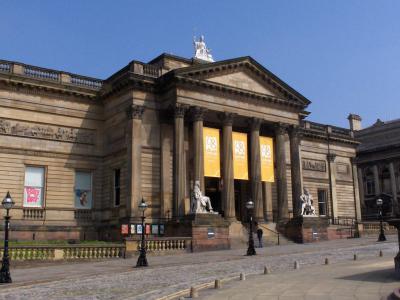
2) Walker Art Gallery
The Walker Art Gallery, located in Liverpool, boasts one of the largest art collections in England outside London. As part of the National Museums Liverpool group, it has been a cultural cornerstone since its establishment in 1877. The gallery is housed in an impressive neo-classical building on William Brown Street, surrounded by cultural landmarks such as the William Brown Library, World Museum Liverpool, and Saint George’s Hall.
The Walker Art Gallery began in 1819 with 37 paintings from William Roscoe's collection, saved after his financial downfall. Over time, Liverpool Town Council expanded the collection with works from the Liverpool Academy and Society for the Fine Arts. Named after philanthropist Sir Andrew Barclay Walker, it opened on 6 September 1877, designed by Cornelius Sherlock and H.H. Vale. Expanded in 1884 and 1933, it was refurbished in 2002. During WWII, the building served the Ministry of Food, with its collection safely dispersed. It reopened in 1951, integrating key works and post-war additions.
The Walker Art Gallery showcases artwork spanning centuries, including Italian and Netherlandish pieces (1300–1550) by Pittoni and Rembrandt, European art (1550–1900) by Poussin and Degas, and British Victorian and Pre-Raphaelite works like Rossetti's Dante’s Dream. Modern highlights feature Freud, Hockney, Gilbert, and George, alongside sculptures such as Degas’ La Masseuse. Unique pieces include Stuart Sutcliffe’s only painting on display in Liverpool and Banksy’s provocative Cardinal Sin, a commentary on Church scandals.
In 1986, the Walker Art Gallery achieved national status as part of the National Museums and Galleries on Merseyside. Its proximity to Tate Liverpool, located at the Albert Dock, makes it a must-visit for art enthusiasts exploring the city’s vibrant cultural scene.
Why You Should Visit:
To enjoy a really good selection of free exhibits that are easy to navigate, as well as additional exhibits you can pay for.
Even though the presentation is somewhat dated, the depth, variety, and quality of the art more than makeup for it.
The café is good value and situated in the rear of the foyer, therefore convenient and with plenty of atmosphere.
Tip:
There are usefully-sized lockers on the ground floor to the left of the café – pay £1 coin for a token at the gallery entrance.
The Walker Art Gallery began in 1819 with 37 paintings from William Roscoe's collection, saved after his financial downfall. Over time, Liverpool Town Council expanded the collection with works from the Liverpool Academy and Society for the Fine Arts. Named after philanthropist Sir Andrew Barclay Walker, it opened on 6 September 1877, designed by Cornelius Sherlock and H.H. Vale. Expanded in 1884 and 1933, it was refurbished in 2002. During WWII, the building served the Ministry of Food, with its collection safely dispersed. It reopened in 1951, integrating key works and post-war additions.
The Walker Art Gallery showcases artwork spanning centuries, including Italian and Netherlandish pieces (1300–1550) by Pittoni and Rembrandt, European art (1550–1900) by Poussin and Degas, and British Victorian and Pre-Raphaelite works like Rossetti's Dante’s Dream. Modern highlights feature Freud, Hockney, Gilbert, and George, alongside sculptures such as Degas’ La Masseuse. Unique pieces include Stuart Sutcliffe’s only painting on display in Liverpool and Banksy’s provocative Cardinal Sin, a commentary on Church scandals.
In 1986, the Walker Art Gallery achieved national status as part of the National Museums and Galleries on Merseyside. Its proximity to Tate Liverpool, located at the Albert Dock, makes it a must-visit for art enthusiasts exploring the city’s vibrant cultural scene.
Why You Should Visit:
To enjoy a really good selection of free exhibits that are easy to navigate, as well as additional exhibits you can pay for.
Even though the presentation is somewhat dated, the depth, variety, and quality of the art more than makeup for it.
The café is good value and situated in the rear of the foyer, therefore convenient and with plenty of atmosphere.
Tip:
There are usefully-sized lockers on the ground floor to the left of the café – pay £1 coin for a token at the gallery entrance.
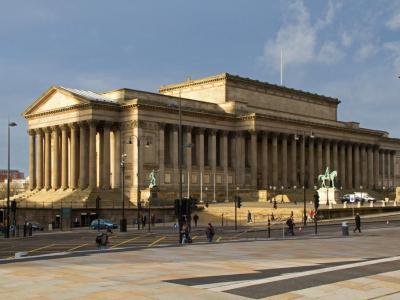
3) St. George's Hall (must see)
Saint George's Hall is a masterpiece of neoclassical architecture and stands proudly in the heart of Liverpool. Widely regarded as one of the finest examples of neo-Grecian design worldwide, this Grade I listed building showcases a majestic Greek-columned façade that commands attention. The hall serves as a hub for cultural and social events, including live music performances, and remains open for visitors free of charge.
The main entrance, located at the center of the east façade, is accessible via an elegant flight of steps. A portico featuring 16 Corinthian columns dominates the front, flanked by a series of square pillars adorned with reliefs, which were added between 1882 and 1901. Inside, the roof’s tunnel vault is supported by polished red granite columns and decorated with intricate plasterwork depicting allegorical figures representing Virtues, Science, and Arts. Statues placed in wall niches further accentuate the grandeur of the interior.
One of the hall's most striking features is its exquisite floor, composed of 30,000 Minton tiles. These tiles, often covered to preserve their beauty, occasionally make public appearances, much to the delight of visitors. Other notable elements include bronze doors with openwork panels featuring the letters "SPQL" (a nod to ancient Rome's "Senate and People"), an impressive organ positioned at the north end, and a round arch at the south end that leads directly into the Crown Court.
Saint George's Hall also holds a fascinating claim to innovation: it houses the world’s first Victorian-era air-conditioning system. Combining artistic excellence with engineering ingenuity, the hall remains a testament to Liverpool’s rich cultural and architectural heritage. Whether marveling at its neoclassical details or enjoying a musical performance, visitors will find their time at Saint George's Hall truly memorable.
Why You Should Visit:
Wonderful architecture from a time when bureaucracy knew that, if they were going to keep you waiting half an hour to fill in a form, then it may as well be somewhere nice!
Tip:
Try and find out when the original tile flooring is on show, as that is a perfect time to go (doesn't happen very often).
Don't miss the coffee shop on the ground floor – superb value and quite reasonably priced and atmospheric.
The main entrance, located at the center of the east façade, is accessible via an elegant flight of steps. A portico featuring 16 Corinthian columns dominates the front, flanked by a series of square pillars adorned with reliefs, which were added between 1882 and 1901. Inside, the roof’s tunnel vault is supported by polished red granite columns and decorated with intricate plasterwork depicting allegorical figures representing Virtues, Science, and Arts. Statues placed in wall niches further accentuate the grandeur of the interior.
One of the hall's most striking features is its exquisite floor, composed of 30,000 Minton tiles. These tiles, often covered to preserve their beauty, occasionally make public appearances, much to the delight of visitors. Other notable elements include bronze doors with openwork panels featuring the letters "SPQL" (a nod to ancient Rome's "Senate and People"), an impressive organ positioned at the north end, and a round arch at the south end that leads directly into the Crown Court.
Saint George's Hall also holds a fascinating claim to innovation: it houses the world’s first Victorian-era air-conditioning system. Combining artistic excellence with engineering ingenuity, the hall remains a testament to Liverpool’s rich cultural and architectural heritage. Whether marveling at its neoclassical details or enjoying a musical performance, visitors will find their time at Saint George's Hall truly memorable.
Why You Should Visit:
Wonderful architecture from a time when bureaucracy knew that, if they were going to keep you waiting half an hour to fill in a form, then it may as well be somewhere nice!
Tip:
Try and find out when the original tile flooring is on show, as that is a perfect time to go (doesn't happen very often).
Don't miss the coffee shop on the ground floor – superb value and quite reasonably priced and atmospheric.
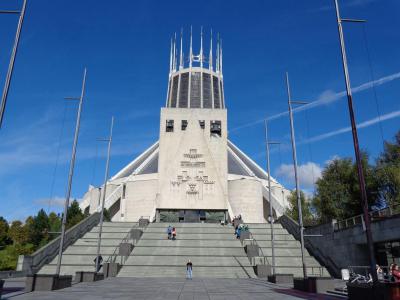
4) Liverpool Metropolitan Cathedral (must see)
The Liverpool Metropolitan Cathedral, officially named the Metropolitan Cathedral of Christ the King and affectionately called Paddy's Wigwam by locals, serves as the seat of the Archbishop of Liverpool and is the mother church of the Roman Catholic Archdiocese of Liverpool. A Grade II* listed building, it is a landmark among Liverpool’s architectural treasures.
Designed by Frederick Gibberd, who won a worldwide design competition in 1959, the cathedral was constructed between 1962 and 1967. Earlier designs, proposed in 1933 and 1953, were abandoned due to financial and practical challenges. Gibberd’s innovative design met two key criteria: seating for 2,000 congregants with clear sightlines to the altar and integration of the pre-existing Lutyens crypt.
The cathedral’s striking circular design spans a diameter of 195 feet (59 meters). Its conical shape is supported by 16 boomerang-shaped concrete trusses, joined by two ring beams and reinforced by flying buttresses, creating its distinctive tent-like appearance. At the top, the lantern tower, adorned with vibrant stained glass windows, culminates in a crown of pinnacles, forming a dramatic focal point. Clad in Portland stone with an aluminum roof, the structure seamlessly combines modern materials with spiritual symbolism.
A flight of steps from Hope Street leads to the entrance, topped by a wedge-shaped bell tower with four bells. Relief sculptures by William Mitchell depict three crosses and Evangelist symbols. At the heart of the cathedral, the Macedonian white marble altar is crowned by an aluminum baldachino with integrated lights and speakers, designed by Gibberd.
Concentric benches by Frank Knight provide clear views for the congregation. The lantern tower’s vibrant glasswork, by John Piper and Patrick Reyntiens, symbolizes the Trinity. Stained glass by artists like Margaret Traherne and Ceri Richards complements interior highlights, including a bronze crucifix by Elisabeth Frink, Sean Rice's Stations of the Cross, and Georg Mayer-Marton's Pentecost mosaic.
In addition to the main cathedral, a smaller version designed by Gibberd was built in 1965 at the former De La Salle College in Lancashire, now part of Hopwood Hall College.
The Liverpool Metropolitan Cathedral stands as a masterpiece of modern ecclesiastical architecture, reflecting both the bold vision of its designer and the enduring faith of its community.
Tip:
Make sure to visit before the crypt closes for the day (3:30 pm); also, try and go on a sunny day when the sunshine lights up the modern stained glass.
With luck maybe come in times of an art exhibition, or in times of organ concerts and/or classical music!
Designed by Frederick Gibberd, who won a worldwide design competition in 1959, the cathedral was constructed between 1962 and 1967. Earlier designs, proposed in 1933 and 1953, were abandoned due to financial and practical challenges. Gibberd’s innovative design met two key criteria: seating for 2,000 congregants with clear sightlines to the altar and integration of the pre-existing Lutyens crypt.
The cathedral’s striking circular design spans a diameter of 195 feet (59 meters). Its conical shape is supported by 16 boomerang-shaped concrete trusses, joined by two ring beams and reinforced by flying buttresses, creating its distinctive tent-like appearance. At the top, the lantern tower, adorned with vibrant stained glass windows, culminates in a crown of pinnacles, forming a dramatic focal point. Clad in Portland stone with an aluminum roof, the structure seamlessly combines modern materials with spiritual symbolism.
A flight of steps from Hope Street leads to the entrance, topped by a wedge-shaped bell tower with four bells. Relief sculptures by William Mitchell depict three crosses and Evangelist symbols. At the heart of the cathedral, the Macedonian white marble altar is crowned by an aluminum baldachino with integrated lights and speakers, designed by Gibberd.
Concentric benches by Frank Knight provide clear views for the congregation. The lantern tower’s vibrant glasswork, by John Piper and Patrick Reyntiens, symbolizes the Trinity. Stained glass by artists like Margaret Traherne and Ceri Richards complements interior highlights, including a bronze crucifix by Elisabeth Frink, Sean Rice's Stations of the Cross, and Georg Mayer-Marton's Pentecost mosaic.
In addition to the main cathedral, a smaller version designed by Gibberd was built in 1965 at the former De La Salle College in Lancashire, now part of Hopwood Hall College.
The Liverpool Metropolitan Cathedral stands as a masterpiece of modern ecclesiastical architecture, reflecting both the bold vision of its designer and the enduring faith of its community.
Tip:
Make sure to visit before the crypt closes for the day (3:30 pm); also, try and go on a sunny day when the sunshine lights up the modern stained glass.
With luck maybe come in times of an art exhibition, or in times of organ concerts and/or classical music!
5) Liverpool Cathedral (must see)
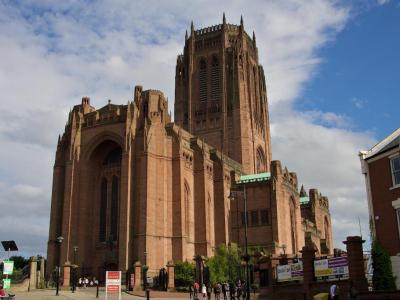
Liverpool Cathedral, formally known as the Cathedral Church of Christ in Liverpool, stands as a monumental testament to architectural and spiritual grandeur in the heart of Liverpool. Serving as the seat of the Bishop of Liverpool and the mother church of the Diocese of Liverpool, this Church of England cathedral is not only the largest religious building in Britain but also ranks as the eighth-largest church in the world.
Designed by Giles Gilbert Scott, the cathedral was constructed over an impressive timeline, spanning from 1904 to 1978. It holds the distinction of being the longest cathedral in the world, with a total external length of 207 yards (189 meters), including the Lady Chapel, which is dedicated to the Blessed Virgin. Internally, its length measures 160 yards (150 meters). Liverpool Cathedral is the fifth-largest cathedral globally by volume and competes with New York's unfinished Cathedral of Saint John the Divine as the largest Anglican church. At 331 feet (101 meters), it ranks among the world's tallest non-spired churches and is Liverpool's fourth-tallest structure.
Built with striking red sandstone, the cathedral’s exterior exudes a warm, dramatic hue, especially under the glow of the setting sun. Perched atop Saint James' Mount, it dominates the city's skyline and is a Grade I listed building, recognized in the National Heritage List for England.
The cathedral boasts several record-breaking features, including its bell tower, which houses the highest and heaviest ringing peal of bells globally. The organ, crafted by Henry Willis & Sons, is the largest pipe organ in the UK, comprising 10,268 pipes, two five-manual consoles, and a trompette militaire. Additionally, its stained glass windows honor the artisans who designed and constructed this masterpiece, depicting figures such as Bodley and Scott.
Liverpool Cathedral, one of two major cathedrals in the city alongside the nearby Metropolitan Cathedral, is linked by Hope Street, named after local merchant William Hope. Beyond being a place of worship, it stands as a cultural and architectural icon, attracting visitors worldwide.
Designed by Giles Gilbert Scott, the cathedral was constructed over an impressive timeline, spanning from 1904 to 1978. It holds the distinction of being the longest cathedral in the world, with a total external length of 207 yards (189 meters), including the Lady Chapel, which is dedicated to the Blessed Virgin. Internally, its length measures 160 yards (150 meters). Liverpool Cathedral is the fifth-largest cathedral globally by volume and competes with New York's unfinished Cathedral of Saint John the Divine as the largest Anglican church. At 331 feet (101 meters), it ranks among the world's tallest non-spired churches and is Liverpool's fourth-tallest structure.
Built with striking red sandstone, the cathedral’s exterior exudes a warm, dramatic hue, especially under the glow of the setting sun. Perched atop Saint James' Mount, it dominates the city's skyline and is a Grade I listed building, recognized in the National Heritage List for England.
The cathedral boasts several record-breaking features, including its bell tower, which houses the highest and heaviest ringing peal of bells globally. The organ, crafted by Henry Willis & Sons, is the largest pipe organ in the UK, comprising 10,268 pipes, two five-manual consoles, and a trompette militaire. Additionally, its stained glass windows honor the artisans who designed and constructed this masterpiece, depicting figures such as Bodley and Scott.
Liverpool Cathedral, one of two major cathedrals in the city alongside the nearby Metropolitan Cathedral, is linked by Hope Street, named after local merchant William Hope. Beyond being a place of worship, it stands as a cultural and architectural icon, attracting visitors worldwide.
6) Tate Gallery
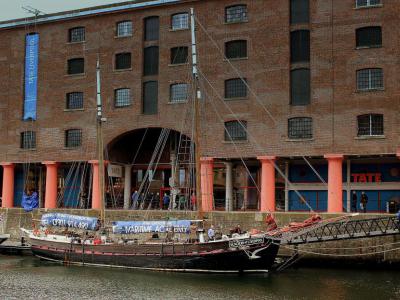
Tate Liverpool is a premier art gallery and museum located in Liverpool's historic Albert Dock. Established in 1988 as an initiative of the Merseyside Development Corporation, it was inaugurated by Prince Charles and originally designed by architect James Stirling, with subsequent refurbishments enhancing its appeal and functionality.
The gallery serves as a vital cultural hub, showcasing works from the Tate Collection, which spans British art from 1500 to the present day and international modern art. In addition to its impressive permanent collection, Tate Liverpool offers an engaging program of temporary exhibitions, solidifying its reputation as a leading venue for modern and contemporary art. Until 2003, it held the distinction of being the largest gallery of its kind outside London.
Housed in a converted warehouse, the gallery underwent a significant refurbishment in 1998 to expand its exhibition spaces. In 2007, further updates were made by architects Arca, who redesigned the foyer to improve visitor flow and create a striking, modern aesthetic. Key features of this redesign include a timber deck with an orange fascia, a color-changing wall, and a simplified brick structure, all visible from the vibrant Albert Dock. Renowned artist Peter Blake collaborated with Liverpool-based Architectural Emporium to revamp the café, integrating the gallery's history with fresh, dynamic elements.
Tate Liverpool is not only a visual art destination but also a lively performance venue. It has hosted events such as the Made Up Mix, part of Liverpool's Biennial of Contemporary Art, which featured the group Die Plankton recording a live album. This vibrant blend of art, design, and live events cement Tate Liverpool's place as a cornerstone of cultural life in the city.
Why You Should Visit:
Great layout & light, and although not all of the art may be to your taste, there is always something to like.
Surely not as massive as Tate London, but you can look at things without being pushed out of the way by tourists.
There's a café where you can enjoy a revitalizing drink; there is also a decent variety of food, plus a souvenir shop provided.
And, of course, unless you want to see the paid-for exhibitions, it's all free (although you're encouraged, not unreasonably, to donate).
Tip:
There are lockers in the basement for coats, bags, etc., which take a £1 coin that's refunded.
The gallery serves as a vital cultural hub, showcasing works from the Tate Collection, which spans British art from 1500 to the present day and international modern art. In addition to its impressive permanent collection, Tate Liverpool offers an engaging program of temporary exhibitions, solidifying its reputation as a leading venue for modern and contemporary art. Until 2003, it held the distinction of being the largest gallery of its kind outside London.
Housed in a converted warehouse, the gallery underwent a significant refurbishment in 1998 to expand its exhibition spaces. In 2007, further updates were made by architects Arca, who redesigned the foyer to improve visitor flow and create a striking, modern aesthetic. Key features of this redesign include a timber deck with an orange fascia, a color-changing wall, and a simplified brick structure, all visible from the vibrant Albert Dock. Renowned artist Peter Blake collaborated with Liverpool-based Architectural Emporium to revamp the café, integrating the gallery's history with fresh, dynamic elements.
Tate Liverpool is not only a visual art destination but also a lively performance venue. It has hosted events such as the Made Up Mix, part of Liverpool's Biennial of Contemporary Art, which featured the group Die Plankton recording a live album. This vibrant blend of art, design, and live events cement Tate Liverpool's place as a cornerstone of cultural life in the city.
Why You Should Visit:
Great layout & light, and although not all of the art may be to your taste, there is always something to like.
Surely not as massive as Tate London, but you can look at things without being pushed out of the way by tourists.
There's a café where you can enjoy a revitalizing drink; there is also a decent variety of food, plus a souvenir shop provided.
And, of course, unless you want to see the paid-for exhibitions, it's all free (although you're encouraged, not unreasonably, to donate).
Tip:
There are lockers in the basement for coats, bags, etc., which take a £1 coin that's refunded.
7) Royal Albert Dock & the Waterfront (must see)
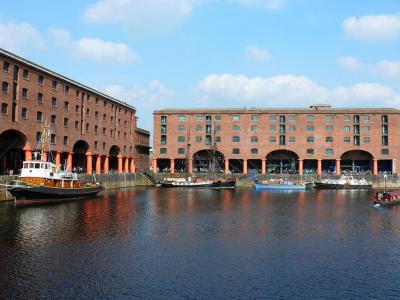
Albert Dock, a historic complex of docks and warehouses on the banks of the Mersey river, is Liverpool’s biggest tourist draw, attracting over 4 million visitors each year. It was built in the 1840s and designed by local architects Jesse Hartley and Philip Hardwick. The new dock was ground-breaking in two ways – one of the first dock complexes to allow direct unloading of cargo into warehouses, it was also the first UK development not to use wood in its construction. The complex was crucial to Liverpool’s rapid development as a global trade port, with ivory, sugar, silk and tobacco stored in its five vast warehouses.
The dock ceased to function for trade purposes after the outbreak of WWII, instead becoming a base for Royal Navy ships. In the post-war era, Albert Dock fell into disuse, before a redevelopment plan was drawn up in the 1980s. The dock itself was regenerated and hosted the Tall Ships Race in 1983, bringing a million tourists into the city. Gradually, the historic warehouses around the water were renovated and used for a wide range of new attractions. They now host a Maritime Museum, the world’s only dedicated Beatles museum, and Liverpool’s Tate Gallery.
Albert Dock houses the largest collection of Grade I listed buildings in the UK and is the jewel of Liverpool’s historic waterfront area. Immediately west of the dock, you will find the Pier Head, a peninsula jutting into the river which houses the Three Graces – three of Liverpool’s most famous buildings, including the Royal Liver building. The ornamental birds on the Liver building have become a symbol for the city’s university, council, and eponymous football team, Liverpool FC.
Why You Should Visit:
Industrial heritage, museums (some are free entry), art galleries, countless shops, bars & restaurants – a focal point of Liverpool.
The only problem with this place is, it is too big to discover in a single day.
The dock ceased to function for trade purposes after the outbreak of WWII, instead becoming a base for Royal Navy ships. In the post-war era, Albert Dock fell into disuse, before a redevelopment plan was drawn up in the 1980s. The dock itself was regenerated and hosted the Tall Ships Race in 1983, bringing a million tourists into the city. Gradually, the historic warehouses around the water were renovated and used for a wide range of new attractions. They now host a Maritime Museum, the world’s only dedicated Beatles museum, and Liverpool’s Tate Gallery.
Albert Dock houses the largest collection of Grade I listed buildings in the UK and is the jewel of Liverpool’s historic waterfront area. Immediately west of the dock, you will find the Pier Head, a peninsula jutting into the river which houses the Three Graces – three of Liverpool’s most famous buildings, including the Royal Liver building. The ornamental birds on the Liver building have become a symbol for the city’s university, council, and eponymous football team, Liverpool FC.
Why You Should Visit:
Industrial heritage, museums (some are free entry), art galleries, countless shops, bars & restaurants – a focal point of Liverpool.
The only problem with this place is, it is too big to discover in a single day.
8) Merseyside Maritime Museum (must see)
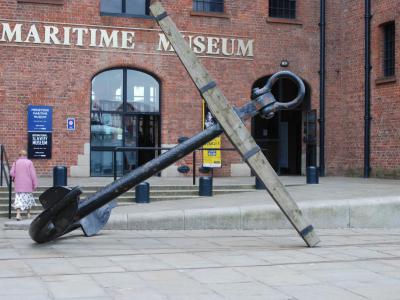
The city of Liverpool, and the surrounding county of Merseyside, both have a proud maritime museum. The region’s name comes from the River Mersey, a wide inlet from the Irish Sea which adjoins Liverpool. Access to the sea along the river allowed the city to become one of the world’s great trading ports during the Industrial Revolution. The Merseyside Maritime Museum is a celebration of Liverpool’s shipping history. It is located on Albert Dock, at the heart of Liverpool’s Mercantile Maritime City, an area of historic docklands that have been made a UNESCO World Heritage site.
The ground floor of the museum houses an exhibition on the shipping lines and companies that made Liverpool a global maritime trade centre. Other exhibitions show life in a port city in the modern day, including an interactive feature on Customs and Border Control, as well as a poignant tribute to the Titanic, the ocean liner which bore the city’s name on her doomed maiden voyage.
The museum also offers a range of child-friendly, nautically themed events throughout the year, as well as a guided tour of Liverpool’s Old Dock, which lies close to the building.
Why You Should Visit:
Engaging for both kids and adults with lots of interactive exhibits; a fantastic place to learn about Liverpool's maritime history.
Even if you view the ocean as little more than a scary, jellyfish-packed beach-separator, a visit to this nautical relic-fest is advised.
Tip:
On the ground floor, there are lockers to put belongings in to save you carrying bags and coats about.
If you find you have a spare hour, get booked in for an entertaining and informative guided tour.
Afterward, you can go to the top floor café (opens around noon), grab a drink or a bite and look out at the fantastic views of the docks and liver birds.
The ground floor of the museum houses an exhibition on the shipping lines and companies that made Liverpool a global maritime trade centre. Other exhibitions show life in a port city in the modern day, including an interactive feature on Customs and Border Control, as well as a poignant tribute to the Titanic, the ocean liner which bore the city’s name on her doomed maiden voyage.
The museum also offers a range of child-friendly, nautically themed events throughout the year, as well as a guided tour of Liverpool’s Old Dock, which lies close to the building.
Why You Should Visit:
Engaging for both kids and adults with lots of interactive exhibits; a fantastic place to learn about Liverpool's maritime history.
Even if you view the ocean as little more than a scary, jellyfish-packed beach-separator, a visit to this nautical relic-fest is advised.
Tip:
On the ground floor, there are lockers to put belongings in to save you carrying bags and coats about.
If you find you have a spare hour, get booked in for an entertaining and informative guided tour.
Afterward, you can go to the top floor café (opens around noon), grab a drink or a bite and look out at the fantastic views of the docks and liver birds.
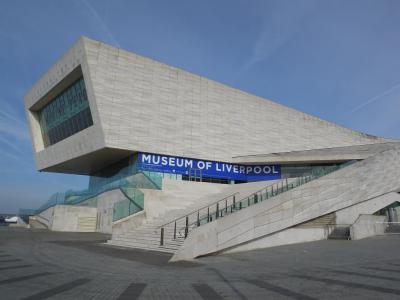
9) Museum of Liverpool (must see)
The Museum of Liverpool, the latest addition to the National Museums Liverpool group, opened its doors in 2011 as a modern replacement for the former Museum of Liverpool Life. Strategically located on Mann Island at the iconic Pier Head, this purpose-built venue was designed to narrate the story of Liverpool, its people, and its global significance.
The museum’s exhibits draw from the vast collections of National Museums Liverpool, showcasing an array of items that span costume and decorative arts, social and urban history, entomology, botany, archaeology, oral testimonies, and photographic archives. The displays are thoughtfully divided into four core themes: The Great Port, Global City, People’s Republic, and Wondrous Place.
In addition to these main galleries, the museum offers unique spaces such as Little Liverpool, a hands-on gallery tailored for children under six; History Detectives, an interactive resource center for history and archaeology enthusiasts; City Soldiers Gallery, dedicated to the story of the King’s Regiment; and a 180-seat theatre hosting community events and multimedia performances.
The Museum of Liverpool also serves as a dynamic cultural hub. Notable among its exhibitions was the Liverpool Love display, held from September to November 2012. This event brought together the creative expressions of prominent figures like Yoko Ono, Sir Peter Blake, and Noel Fielding to celebrate Liverpool's vibrant identity.
Whether exploring its rich urban history or engaging with its interactive features, the Museum of Liverpool offers a comprehensive and engaging tribute to the city’s enduring legacy.
Why You Should Visit:
Not only an outstanding piece of modernist design but also an amazing waterfront location, not to mention a surprising amount to learn about Liverpool's history.
Plus – helpful and friendly staff, a gift shop, clean toilets on every floor, a large affordable café, and even a separate room to use for indoor picnics when the weather is poor.
Tip:
Use the lockers on the ground floor to save you from having to carry any bags, then get the lift to the top floor so you can work your way down and not have to keep climbing stairs.
On the top floor, get into the exhibition room and walk straight till the end – there's a glass wall to enjoy the view of River Mersey and the Liver Building. The restrooms there have less of a queue, too.
The museum’s exhibits draw from the vast collections of National Museums Liverpool, showcasing an array of items that span costume and decorative arts, social and urban history, entomology, botany, archaeology, oral testimonies, and photographic archives. The displays are thoughtfully divided into four core themes: The Great Port, Global City, People’s Republic, and Wondrous Place.
In addition to these main galleries, the museum offers unique spaces such as Little Liverpool, a hands-on gallery tailored for children under six; History Detectives, an interactive resource center for history and archaeology enthusiasts; City Soldiers Gallery, dedicated to the story of the King’s Regiment; and a 180-seat theatre hosting community events and multimedia performances.
The Museum of Liverpool also serves as a dynamic cultural hub. Notable among its exhibitions was the Liverpool Love display, held from September to November 2012. This event brought together the creative expressions of prominent figures like Yoko Ono, Sir Peter Blake, and Noel Fielding to celebrate Liverpool's vibrant identity.
Whether exploring its rich urban history or engaging with its interactive features, the Museum of Liverpool offers a comprehensive and engaging tribute to the city’s enduring legacy.
Why You Should Visit:
Not only an outstanding piece of modernist design but also an amazing waterfront location, not to mention a surprising amount to learn about Liverpool's history.
Plus – helpful and friendly staff, a gift shop, clean toilets on every floor, a large affordable café, and even a separate room to use for indoor picnics when the weather is poor.
Tip:
Use the lockers on the ground floor to save you from having to carry any bags, then get the lift to the top floor so you can work your way down and not have to keep climbing stairs.
On the top floor, get into the exhibition room and walk straight till the end – there's a glass wall to enjoy the view of River Mersey and the Liver Building. The restrooms there have less of a queue, too.
10) Pier Head (must see)
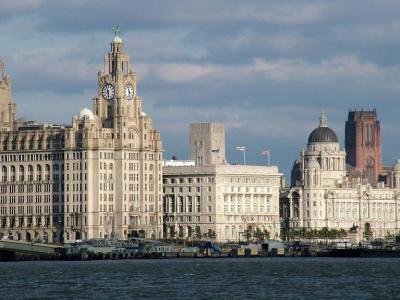
The Pier Head, officially known as George’s Pier Head, is a prominent riverside location in Liverpool’s city center. Formerly part of the Liverpool Maritime Mercantile City UNESCO World Heritage Site (2004–2021), the Pier Head is celebrated for its iconic architecture, public spaces, and historical significance as a landing site for passenger ships.
Originally the site of George’s Dock, constructed in 1771, the area became obsolete by the 1890s due to its inadequate size for modern commercial vessels. After prolonged negotiations between the Mersey Docks and Harbour Board and Liverpool Corporation, the dock was purchased in 1898 for redevelopment. This paved the way for the construction of landmark buildings and new public spaces, transforming the area into the architectural centerpiece it is today.
The Pier Head features the iconic "Three Graces": the Royal Liver Building (1911), England’s first skyscraper; the Cunard Building (1917), inspired by Italian palaces; and the Port of Liverpool Building (1907), a neo-baroque symbol of the city’s maritime legacy.
In 2002, the Pier Head was the focus of the controversial "Fourth Grace" project, which aimed to add a bold architectural statement to the waterfront. The winning design, “The Cloud” by Will Alsop, was abandoned in 2004 but plans for redevelopment continued.
In 2011, the Museum of Liverpool opened at the Pier Head, housing a rich collection that celebrates the city’s history and culture. Additionally, a canal link connecting the Leeds and Liverpool Canal to the South Docks was completed in 2009, enhancing the area’s accessibility and recreational appeal.
Although the Pier Head lost its UNESCO World Heritage status in 2021 due to modern developments that altered its historic landscape, it remains a testament to Liverpool’s evolution as a maritime and cultural hub. With its blend of historic grandeur and contemporary vibrancy, the Pier Head continues to draw locals and visitors alike to its storied waterfront.
Originally the site of George’s Dock, constructed in 1771, the area became obsolete by the 1890s due to its inadequate size for modern commercial vessels. After prolonged negotiations between the Mersey Docks and Harbour Board and Liverpool Corporation, the dock was purchased in 1898 for redevelopment. This paved the way for the construction of landmark buildings and new public spaces, transforming the area into the architectural centerpiece it is today.
The Pier Head features the iconic "Three Graces": the Royal Liver Building (1911), England’s first skyscraper; the Cunard Building (1917), inspired by Italian palaces; and the Port of Liverpool Building (1907), a neo-baroque symbol of the city’s maritime legacy.
In 2002, the Pier Head was the focus of the controversial "Fourth Grace" project, which aimed to add a bold architectural statement to the waterfront. The winning design, “The Cloud” by Will Alsop, was abandoned in 2004 but plans for redevelopment continued.
In 2011, the Museum of Liverpool opened at the Pier Head, housing a rich collection that celebrates the city’s history and culture. Additionally, a canal link connecting the Leeds and Liverpool Canal to the South Docks was completed in 2009, enhancing the area’s accessibility and recreational appeal.
Although the Pier Head lost its UNESCO World Heritage status in 2021 due to modern developments that altered its historic landscape, it remains a testament to Liverpool’s evolution as a maritime and cultural hub. With its blend of historic grandeur and contemporary vibrancy, the Pier Head continues to draw locals and visitors alike to its storied waterfront.
