

Coconut Palace, Manila
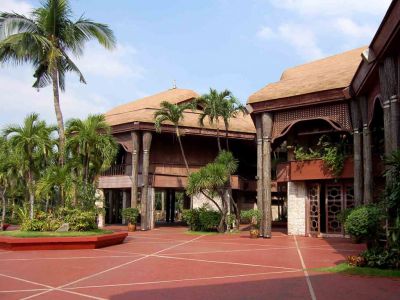
The Tahanang Pilipino (Filipino home), otherwise known as the Coconut Palace, is located at the heart of the Cultural Center of the Philippines complex in Manila. The Palace was built in 1978 by Francisco Mariosa for Pope John Paul II’s visit in 1981. Ironically, the Pope did not step into the Palace since he considered it to be flamboyant for the poverty-stricken country. The Palace initially served as the Presidential Guest House of Ferdinand Marcos, the former Philippine dictator, and was commissioned by his wife Imelda Marcos in 1981. Today, this Palace serves not only as an official residence of Vice President but also as a venue for romantic wedding receptions.
The Palace is famous for its design and extraordinary features. 70% of this octagon shaped structure is made of coconut lumber along with coconut shells and a variety of Philippine hardwood. The roof is shaped like a hat, or the traditional salakot. The 101-coconut chandelier and the dinning table with 40,000 inlaid coconut shell pieces are the highlights of this palace. Named after various provinces of the country are the 7 palatial rooms, namely: the Zamboanga, the Pampanga, (made of Jusi fibers and displays statues of Kampampangan style of art), the Marawi (purple and green colored room representing Muslim Mindanao), the Bicol, the Mountain Province room (a room full of artifacts traditional to Ifugao or Cordillera tribe), the Iloilo, and the Pangasinan (made of Pina fibers) rooms. The Palace also has a colossal swimming pool, a beautiful butterfly garden and an orchidarium. During its history, the Palace has accommodated a number of honorable guests including George Hamilton, Brooke Shields and Muammar al-Gaddafi.
The Palace is famous for its design and extraordinary features. 70% of this octagon shaped structure is made of coconut lumber along with coconut shells and a variety of Philippine hardwood. The roof is shaped like a hat, or the traditional salakot. The 101-coconut chandelier and the dinning table with 40,000 inlaid coconut shell pieces are the highlights of this palace. Named after various provinces of the country are the 7 palatial rooms, namely: the Zamboanga, the Pampanga, (made of Jusi fibers and displays statues of Kampampangan style of art), the Marawi (purple and green colored room representing Muslim Mindanao), the Bicol, the Mountain Province room (a room full of artifacts traditional to Ifugao or Cordillera tribe), the Iloilo, and the Pangasinan (made of Pina fibers) rooms. The Palace also has a colossal swimming pool, a beautiful butterfly garden and an orchidarium. During its history, the Palace has accommodated a number of honorable guests including George Hamilton, Brooke Shields and Muammar al-Gaddafi.
Want to visit this sight? Check out these Self-Guided Walking Tours in Manila. Alternatively, you can download the mobile app "GPSmyCity: Walks in 1K+ Cities" from Apple App Store or Google Play Store. The app turns your mobile device to a personal tour guide and it works offline, so no data plan is needed when traveling abroad.
Download The GPSmyCity App



Coconut Palace on Map
Sight Name: Coconut Palace
Sight Location: Manila, Philippines (See walking tours in Manila)
Sight Type: Attraction/Landmark
Sight Location: Manila, Philippines (See walking tours in Manila)
Sight Type: Attraction/Landmark
Nearby Sights
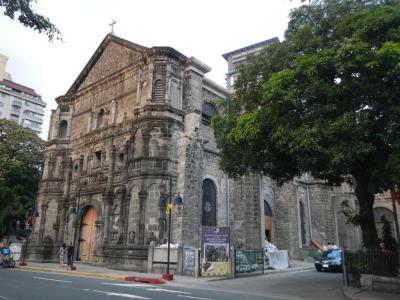
Walking Tours in Manila, Philippines

Create Your Own Walk in Manila
Creating your own self-guided walk in Manila is easy and fun. Choose the city attractions that you want to see and a walk route map will be created just for you. You can even set your hotel as the start point of the walk.
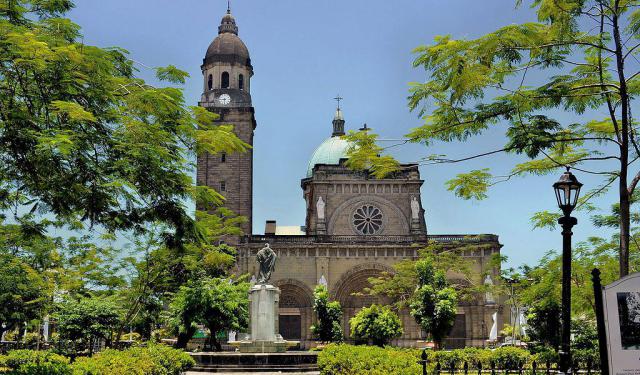
Manila Introduction Walking Tour
For centuries, travelers arrived here searching for the 'Pearl of the Orient.' Behind these walls lies a city where Asian kingdoms, Spanish conquistadors, American planners, and Filipino revolutionaries all left their mark.
Manila, the capital of the Philippines, is one of Southeast Asia's oldest continuously inhabited cities and has served for centuries as the country's... view more
Tour Duration: 2 Hour(s)
Travel Distance: 2.3 Km or 1.4 Miles
Manila, the capital of the Philippines, is one of Southeast Asia's oldest continuously inhabited cities and has served for centuries as the country's... view more
Tour Duration: 2 Hour(s)
Travel Distance: 2.3 Km or 1.4 Miles
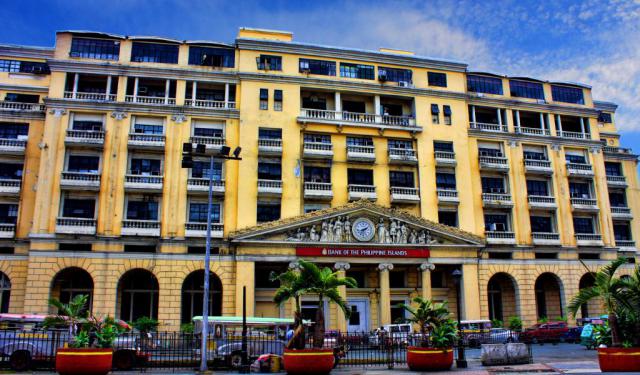
Historical Buildings Walking Tour
Every city tells a story, but few have witnessed as many triumphs and tragedies as Manila. Behind these façades lie the chapters of empire, revolution, war, and rebirth. As José Rizal wisely observed, 'To foretell the destiny of a nation, it is necessary to open the book that tells of her past.'
The historic buildings of Manila tell the story of more than four centuries of... view more
Tour Duration: 2 Hour(s)
Travel Distance: 3.3 Km or 2.1 Miles
The historic buildings of Manila tell the story of more than four centuries of... view more
Tour Duration: 2 Hour(s)
Travel Distance: 3.3 Km or 2.1 Miles
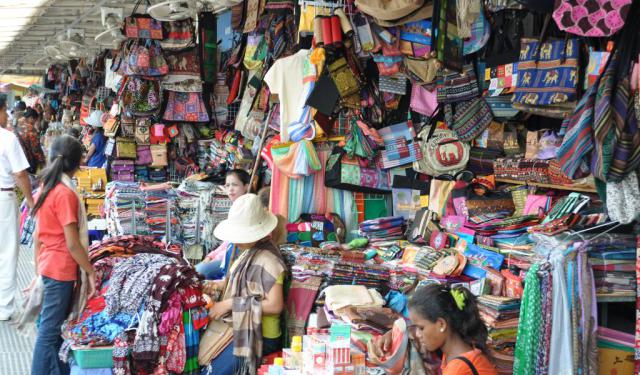
Traditional Markets
Traditional markets showcase a unique aspect of life in any city. The ones featured in this walk offer a glance into the authentic life and habits of Manila’s people and play a vital role in the Philippines' capital's economic and cultural landscape. Traditionally, local markets sell a broader range of products than regular shops can provide: from veggies and fruits to dried fish and... view more
Tour Duration: 1 Hour(s)
Travel Distance: 3.0 Km or 1.9 Miles
Tour Duration: 1 Hour(s)
Travel Distance: 3.0 Km or 1.9 Miles
Useful Travel Guides for Planning Your Trip
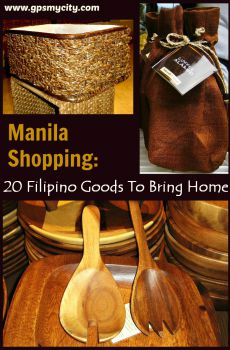
Manila Shopping: 20 Filipino Goods To Bring Home
An archipelago of 7,000+ islands, The Philippines is a diverse nation populated by different tribes, each having their own culture and traditions. In Manila, one can find a whole lot of things worth keeping as a Filipino memento; it just might take one a little while to figure out what's best...