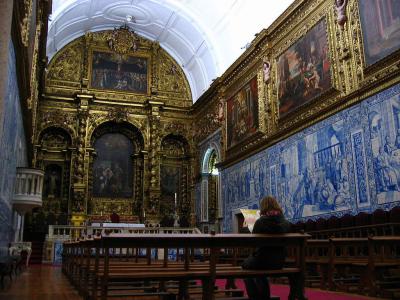


Igreja da Misericordia (Church of Mercy), Evora
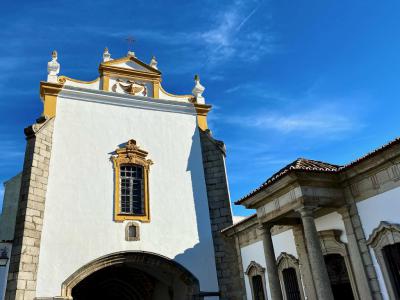
The Church of Mercy stands as a significant religious and architectural treasure in the historic city of Évora. Nestled within the enchanting surroundings of Largo da Misericórdia and encompassing parts of the São Mamede, Sé, São Pedro, and Santo Antão parishes, this church holds a revered place in the heart of the city's cultural and spiritual landscape.
Erected in an era when faith and art intertwined, the Church of Mercy has held the distinction of being a Property of Public Interest since 1983. Its historical significance is rooted in its foundation, which dates back to December 7, 1499, a time when King D. Manuel I, Queen D. Maria, and the widowed Queen D. Leonor bestowed the institution of the Irmandade da Santa Casa da Misericórdia de Évora. Originally taking residence within the Chapel of São Joãozinho, an annex to the Convent of São Francisco, the Brotherhood later found its abode within the church's present location during the reign of D. João III. The cornerstone of the church was set in place in 1554, marking the beginning of a legacy that would blend religious devotion with artistic brilliance.
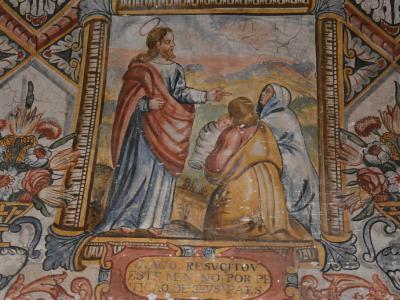
The church's architectural layout features a single nave, characterized by its understated yet graceful proportions. The true allure of the Church of Mercy lies in its remarkable collection of Baroque art, spanning across the 17th and 18th centuries. This rich assortment contributes to its reputation as one of Évora's most exquisite religious edifices. Along the side walls, intricate blue and white tile panels provide a backdrop for oil paintings depicting both spiritual and material acts of mercy - a testament to the church's devotion to these guiding principles.
Erected in an era when faith and art intertwined, the Church of Mercy has held the distinction of being a Property of Public Interest since 1983. Its historical significance is rooted in its foundation, which dates back to December 7, 1499, a time when King D. Manuel I, Queen D. Maria, and the widowed Queen D. Leonor bestowed the institution of the Irmandade da Santa Casa da Misericórdia de Évora. Originally taking residence within the Chapel of São Joãozinho, an annex to the Convent of São Francisco, the Brotherhood later found its abode within the church's present location during the reign of D. João III. The cornerstone of the church was set in place in 1554, marking the beginning of a legacy that would blend religious devotion with artistic brilliance.
The church's architectural layout features a single nave, characterized by its understated yet graceful proportions. The true allure of the Church of Mercy lies in its remarkable collection of Baroque art, spanning across the 17th and 18th centuries. This rich assortment contributes to its reputation as one of Évora's most exquisite religious edifices. Along the side walls, intricate blue and white tile panels provide a backdrop for oil paintings depicting both spiritual and material acts of mercy - a testament to the church's devotion to these guiding principles.
Want to visit this sight? Check out these Self-Guided Walking Tours in Evora. Alternatively, you can download the mobile app "GPSmyCity: Walks in 1K+ Cities" from Apple App Store or Google Play Store. The app turns your mobile device to a personal tour guide and it works offline, so no data plan is needed when traveling abroad.
Download The GPSmyCity App



Igreja da Misericordia (Church of Mercy) on Map
Sight Name: Igreja da Misericordia (Church of Mercy)
Sight Location: Evora, Portugal (See walking tours in Evora)
Sight Type: Religious
Sight Location: Evora, Portugal (See walking tours in Evora)
Sight Type: Religious
Nearby Sights



Walking Tours in Evora, Portugal

Create Your Own Walk in Evora
Creating your own self-guided walk in Evora is easy and fun. Choose the city attractions that you want to see and a walk route map will be created just for you. You can even set your hotel as the start point of the walk.
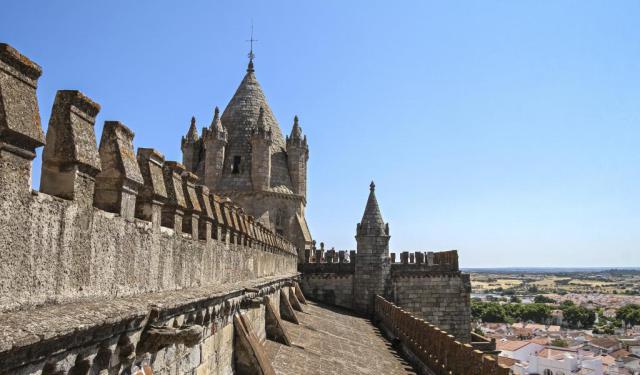
Evora Introduction Walking Tour
Nestling in the sun-drenched Alentejo region of Portugal, Évora is a timeless gem in the heart of the country and one of its oldest and most enchanting cities.
The city's history spans over 5,000 years. The name Évora originates from the Celtic word "ebura," which means "of the yew trees."
The Romans conquered the place in 57 BC, shaping it into a vital town at... view more
Tour Duration: 2 Hours
Travel Distance: 3.3 Km or 2.1 Miles
The city's history spans over 5,000 years. The name Évora originates from the Celtic word "ebura," which means "of the yew trees."
The Romans conquered the place in 57 BC, shaping it into a vital town at... view more
Tour Duration: 2 Hours
Travel Distance: 3.3 Km or 2.1 Miles
City Walks Overview
