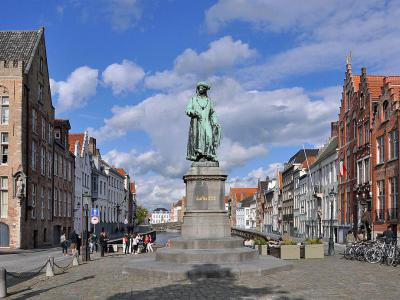


Jan van Eyckplein, Bruges
Jan van Eyckplein is a historically rich square located in the heart of Bruges. The square's development traces back to post-1787, following the demolition of the New Year's or Sint-Jansbrug and the vaulting of part of the Kraanrei canal. This transformation marked the birth of the square from a space once dominated by the New Year's Bridge, a structure noted in records as early as 1282 and rebuilt multiple times until its final form in 1444 as a stone arch bridge adorned with statues.
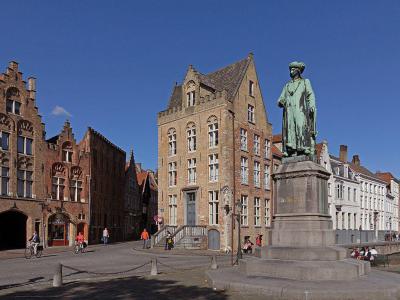
The area initially continued as Sint-Jansbrug until the French occupation when it began to be known as an 'Academy site', reflecting the presence of a drawing and painting academy. The square was renamed 'Jan van Eyckplein' in 1844 in honor of the renowned painter Jan van Eyck, who was commemorated with a statue in 1856, although this was later relocated.
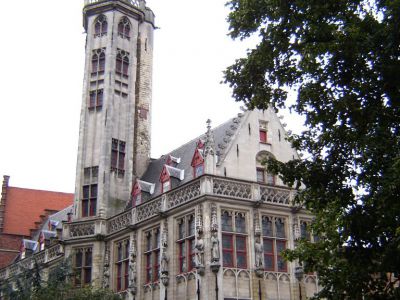
The square's architecture is indicative of its former commercial importance, hosting significant buildings such as the Burgher's Lodge (Poortersloge), and the Tolhuis, and several structures with characteristic large gates and wooden shutters. These buildings reflect the mercantile roots of the area, which now serves primarily residential and catering functions. Notably, until World War I, it was colloquially known as Petattenmarkt due to the weekly potato market held there.
In 1847, a proposal by architect Jean-Brunon Rudd to expand the square was met with resistance and ultimately not realized. The current statue of Jan van Eyck, mounted on a high bluestone plinth and designed by Hendrik Pickery in 1878, underscores the square's continuous evolution and significance, both culturally and historically, within Bruges.
The area initially continued as Sint-Jansbrug until the French occupation when it began to be known as an 'Academy site', reflecting the presence of a drawing and painting academy. The square was renamed 'Jan van Eyckplein' in 1844 in honor of the renowned painter Jan van Eyck, who was commemorated with a statue in 1856, although this was later relocated.
The square's architecture is indicative of its former commercial importance, hosting significant buildings such as the Burgher's Lodge (Poortersloge), and the Tolhuis, and several structures with characteristic large gates and wooden shutters. These buildings reflect the mercantile roots of the area, which now serves primarily residential and catering functions. Notably, until World War I, it was colloquially known as Petattenmarkt due to the weekly potato market held there.
In 1847, a proposal by architect Jean-Brunon Rudd to expand the square was met with resistance and ultimately not realized. The current statue of Jan van Eyck, mounted on a high bluestone plinth and designed by Hendrik Pickery in 1878, underscores the square's continuous evolution and significance, both culturally and historically, within Bruges.
Want to visit this sight? Check out these Self-Guided Walking Tours in Bruges. Alternatively, you can download the mobile app "GPSmyCity: Walks in 1K+ Cities" from Apple App Store or Google Play Store. The app turns your mobile device to a personal tour guide and it works offline, so no data plan is needed when traveling abroad.
Download The GPSmyCity App



Jan van Eyckplein on Map
Sight Name: Jan van Eyckplein
Sight Location: Bruges, Belgium (See walking tours in Bruges)
Sight Type: Attraction/Landmark
Sight Location: Bruges, Belgium (See walking tours in Bruges)
Sight Type: Attraction/Landmark
Nearby Sights
Walking Tours in Bruges, Belgium

Create Your Own Walk in Bruges
Creating your own self-guided walk in Bruges is easy and fun. Choose the city attractions that you want to see and a walk route map will be created just for you. You can even set your hotel as the start point of the walk.
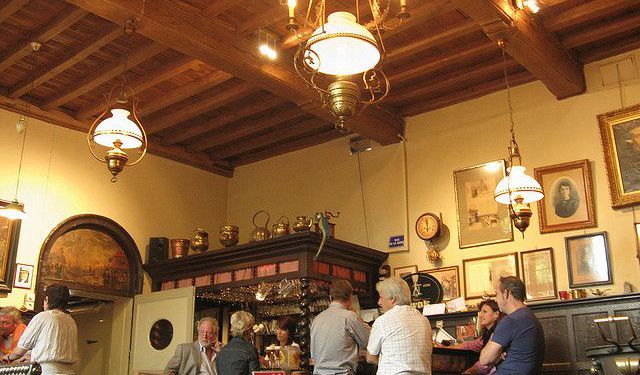
Bruges Beer Tour
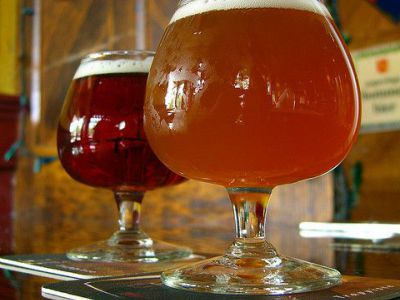
The Land of Beer that is Belgium, where each corner calls to you alluringly, has long welcomed thirsty visitors from all over the world. Of all the Belgian destinations, the medieval city of Bruges is a perfect place to promote one of the country’s most important and best-known exports. Back in the 15th century, at the peak of its commercial might, the city boasted over 50 working breweries... view more
Tour Duration: 1 Hour
Travel Distance: 1.7 Km or 1.1 Miles
Tour Duration: 1 Hour
Travel Distance: 1.7 Km or 1.1 Miles
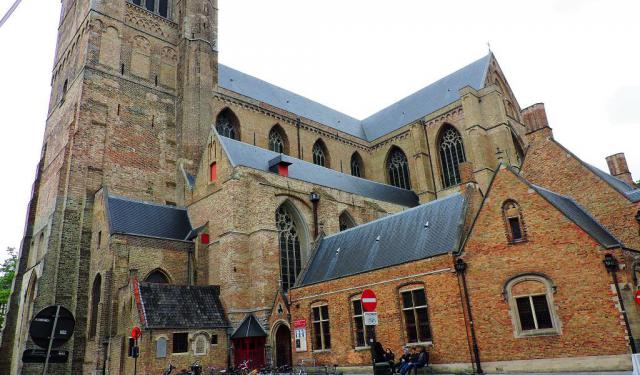
Historical Churches Tour
It's not much of a secret that some of the world's most beautiful churches are found in Brugge. Renowned for its medieval architecture and picturesque canals, this Belgian city is home to several historical temples, adding a great deal of charm to its tapestry.
The Begijnhof, also known as the Beguinage Houses, is a tranquil place and a UNESCO World Heritage Site. Built in the 13th... view more
Tour Duration: 1 Hour
Travel Distance: 2.7 Km or 1.7 Miles
The Begijnhof, also known as the Beguinage Houses, is a tranquil place and a UNESCO World Heritage Site. Built in the 13th... view more
Tour Duration: 1 Hour
Travel Distance: 2.7 Km or 1.7 Miles
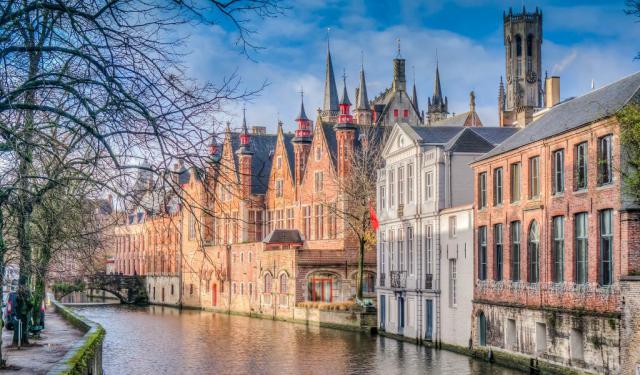
A Walk Through Bruges Historic Center
Austrian writer Stefan Zweig observed, Brugge is "one of the dead cities that have remained alive."
Brugge is one of Europe's best-preserved medieval cities and the historic capital of the Belgian province of West Flanders. Often called the "Venice of the North" because of its picturesque canals, the city has been an important center of trade, art, and culture for more... view more
Tour Duration: 2 Hours
Travel Distance: 2.5 Km or 1.6 Miles
Brugge is one of Europe's best-preserved medieval cities and the historic capital of the Belgian province of West Flanders. Often called the "Venice of the North" because of its picturesque canals, the city has been an important center of trade, art, and culture for more... view more
Tour Duration: 2 Hours
Travel Distance: 2.5 Km or 1.6 Miles
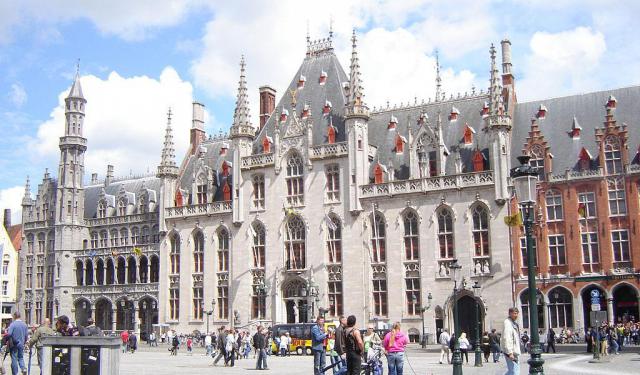
Architectural Jewels Walking Tour
Brugge owes much of its architectural splendor to the extraordinary prosperity it enjoyed during the Middle Ages. From the 12th to the 15th century, its canals connected the city with the North Sea, helping it develop into one of Europe’s foremost commercial centers. Wealthy merchants, international trading communities, religious institutions, and civic authorities commissioned churches,... view more
Tour Duration: 2 Hours
Travel Distance: 3 Km or 1.9 Miles
Tour Duration: 2 Hours
Travel Distance: 3 Km or 1.9 Miles
City Walks Overview
