

Lonja de la Seda (The Silk Exchange), Valencia (must see)
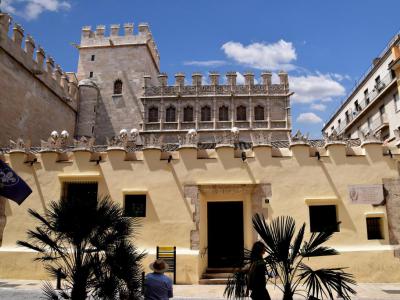
Standing just across from the Central Market is one of Valencia’s great landmarks: the Silk Exchange. Face the building from the square, and you’ll see why this was no ordinary place of business. Built for the silk trade and later used for broader commercial activity, it became one of the great centers of Valencia’s Golden Age, with that prosperity expressed through dramatic Gothic stonework.
Before going inside, study the façade. Look along the walls for carved decoration, delicate tracery, and richly detailed windows. Then lift your gaze to the upper edges, where 28 gargoyles keep watch in the shape of winged creatures, beasts, and bats. Medieval architects, it seems, knew that even a trade building deserved a little theater.
Now look for the central tower, which helps divide the building into its main sections. This tower once contained a small chapel and, less charmingly, a debtor’s prison for merchants who failed to meet their financial obligations. In medieval Valencia, “business ethics” apparently meant praying upstairs and locking up bad payers nearby.
Once inside, use the tower as your point of reference. To the left, there were areas linked to maritime trade and early banking, including institutions that helped regulate commerce and support the building’s construction. Indeed, Valencia’s port, merchants, and money all worked together during the city’s most prosperous period.
Next, make your way upstairs to the Golden Hall. You’ll recognize it by its magnificent painted and gilded wooden ceiling, filled with musicians, prophets, and mythological creatures. Take your time and look up; this is Valencia showing off beautifully.
Then return toward the main interior space and head to the right of the tower, where you’ll find the true star: the Transactions Hall. You’ll know it by its eight soaring spiral columns, rising like twisted stone palm trees toward the vaulted ceiling. This was the main trading hall, though it feels less like an office and more like commerce having a spiritual awakening.
Along the walls, look for the carved inscription praising honest trade, keeping promises, and business without deceit or usury. In essence, it says: make money, but try not to be awful about it.
Before leaving, step into the courtyard and pause under the orange trees. After all that Gothic grandeur, moral advice, and medieval accounting pressure, a quiet moment in the shade is exactly what the merchants needed.
Before going inside, study the façade. Look along the walls for carved decoration, delicate tracery, and richly detailed windows. Then lift your gaze to the upper edges, where 28 gargoyles keep watch in the shape of winged creatures, beasts, and bats. Medieval architects, it seems, knew that even a trade building deserved a little theater.
Now look for the central tower, which helps divide the building into its main sections. This tower once contained a small chapel and, less charmingly, a debtor’s prison for merchants who failed to meet their financial obligations. In medieval Valencia, “business ethics” apparently meant praying upstairs and locking up bad payers nearby.
Once inside, use the tower as your point of reference. To the left, there were areas linked to maritime trade and early banking, including institutions that helped regulate commerce and support the building’s construction. Indeed, Valencia’s port, merchants, and money all worked together during the city’s most prosperous period.
Next, make your way upstairs to the Golden Hall. You’ll recognize it by its magnificent painted and gilded wooden ceiling, filled with musicians, prophets, and mythological creatures. Take your time and look up; this is Valencia showing off beautifully.
Then return toward the main interior space and head to the right of the tower, where you’ll find the true star: the Transactions Hall. You’ll know it by its eight soaring spiral columns, rising like twisted stone palm trees toward the vaulted ceiling. This was the main trading hall, though it feels less like an office and more like commerce having a spiritual awakening.
Along the walls, look for the carved inscription praising honest trade, keeping promises, and business without deceit or usury. In essence, it says: make money, but try not to be awful about it.
Before leaving, step into the courtyard and pause under the orange trees. After all that Gothic grandeur, moral advice, and medieval accounting pressure, a quiet moment in the shade is exactly what the merchants needed.
Want to visit this sight? Check out these Self-Guided Walking Tours in Valencia. Alternatively, you can download the mobile app "GPSmyCity: Walks in 1K+ Cities" from Apple App Store or Google Play Store. The app turns your mobile device to a personal tour guide and it works offline, so no data plan is needed when traveling abroad.
Download The GPSmyCity App



Lonja de la Seda (The Silk Exchange) on Map
Sight Name: Lonja de la Seda (The Silk Exchange)
Sight Location: Valencia, Spain (See walking tours in Valencia)
Sight Type: Attraction/Landmark
Guide(s) Containing This Sight:
Sight Location: Valencia, Spain (See walking tours in Valencia)
Sight Type: Attraction/Landmark
Guide(s) Containing This Sight:
Nearby Sights

Walking Tours in Valencia, Spain

Create Your Own Walk in Valencia
Creating your own self-guided walk in Valencia is easy and fun. Choose the city attractions that you want to see and a walk route map will be created just for you. You can even set your hotel as the start point of the walk.
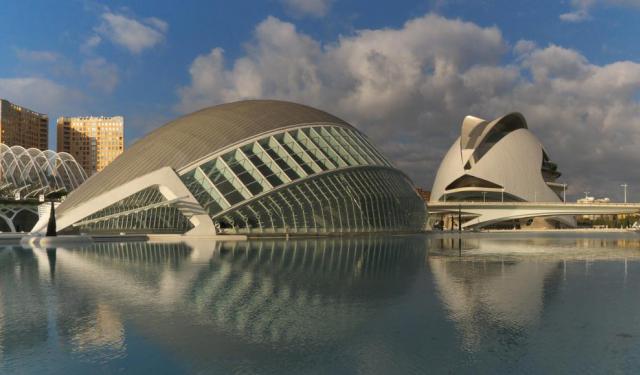
Contemporary Architecture Walk
With one foot in the past and the other planted firmly in the future, Valencia manages a balancing act few European cities can pull off. Gothic bell towers, Baroque façades, bustling markets, and centuries-old plazas all share the stage with structures that look as though they were delivered directly from the year 2150. Among the city’s many architectural personalities, contemporary design... view more
Tour Duration: 1 Hour(s)
Travel Distance: 1.4 Km or 0.9 Miles
Tour Duration: 1 Hour(s)
Travel Distance: 1.4 Km or 0.9 Miles
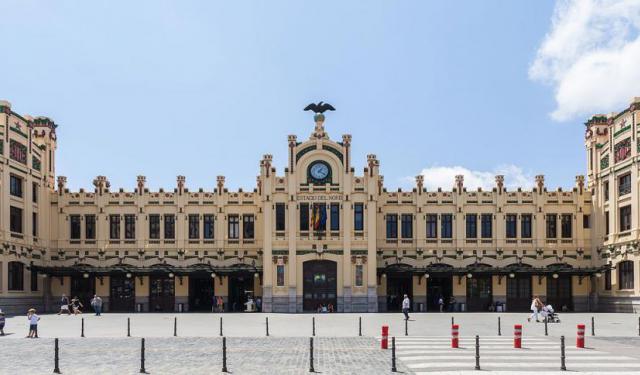
Valencia Top Attractions Walking Tour
Valencia, Spain’s third-largest city, has been around since 138 BC, when it was founded by the Romans as a colony for battle-tested veterans. Known then as Valentia, which means “valor,” it honored the courage of its first inhabitants. The city was destroyed in 75 BC by Pompey the Great, but was rebuilt within a century, later becoming home to Visigoths and then the Moors, who transformed... view more
Tour Duration: 2 Hour(s)
Travel Distance: 3.0 Km or 1.9 Miles
Tour Duration: 2 Hour(s)
Travel Distance: 3.0 Km or 1.9 Miles
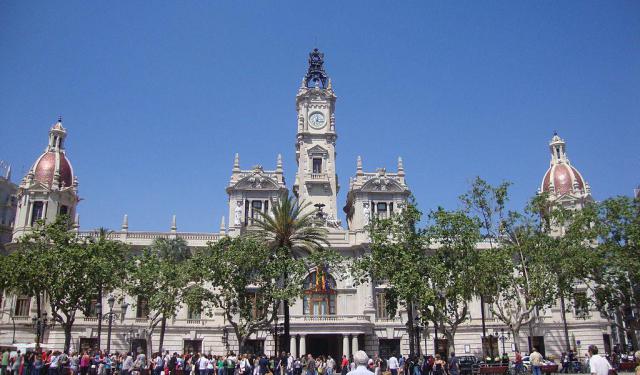
Valencia's Classical Architecture Tour
In Valencia, the architecture tells you right away-this city has layers. Indeed, this is not just a coastal getaway with sunshine, beaches, and a well-earned reputation for paella. Beneath the bright skies, “Spain’s Third Capital” reveals a rich and sometimes surprising blend of styles, bold in contrast yet delicate in detail. Nowhere is this more visible than in the Old Town, where nearly... view more
Tour Duration: 2 Hour(s)
Travel Distance: 3.3 Km or 2.1 Miles
Tour Duration: 2 Hour(s)
Travel Distance: 3.3 Km or 2.1 Miles
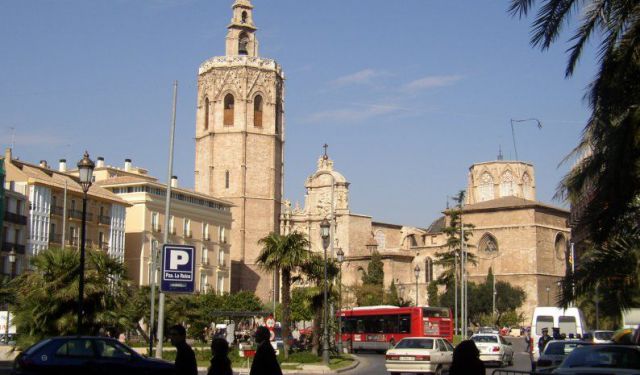
Valencia Old Town Walking Tour
Valencia’s Old Town is the sort of place where the Romans, Moors, medieval merchants, Gothic builders, Baroque decorators, and modern shoppers all seem to have comfortably found their place (albeit at different times). Beneath today’s squares, Roman streets and forum remains sit quietly underground, while above them, the city’s Islamic-era street plan still winds and twists, refusing to... view more
Tour Duration: 2 Hour(s)
Travel Distance: 3.0 Km or 1.9 Miles
Tour Duration: 2 Hour(s)
Travel Distance: 3.0 Km or 1.9 Miles