

Paired Fortress Gates, Baku
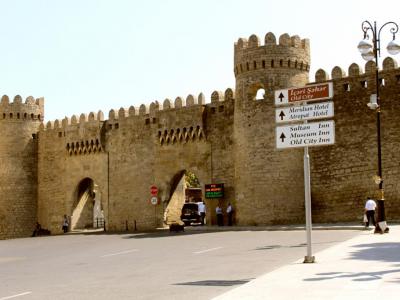
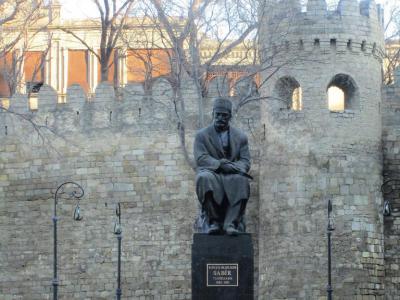
Situated in the northern wall of the ancient Baku Fortress, the Paired Fortress Gates of Baku serve as a testament to the city's rich history and strategic importance. Located along the ancient caravan route from Shamakhi, they served as a key entry point to the fortress.
Construction of the first gate commenced in the 12th century, ordered by Manuchohr III during the initial phases of the fortress's construction. The second gate, known as the Gates of Zulfugar Khan, was added in the 17th century under the reign of Shah Abbas I by Zulfugar Khan. Remarkably, despite being constructed centuries apart, both gates share nearly identical dimensions and designs, reflecting the continuity of architectural style across the two periods.
The gates were fortified with embrasures and battlements to protect against enemy attacks, demonstrating their strategic military importance. In 1796, a pivotal moment in their history occurred when Baku Khan Huseyngulu surrendered the keys to the fortress to the Russians. Subsequently, in 1883, the Gates of Zulfugar were moved to align with the Shamakhi Gate, completing the pairing in 1886.
Until the late 19th century, these gates remained the sole entrance to and exit from the fortress. They have undergone several phases of restoration. Located adjacent to a tourist information center, they are part of a lively area, with a section of the nearby wall often featuring artistic murals. The surrounding area thrives with commercial activity, hosting a row of shops by day and numerous restaurants, enriching the cultural experience for visitors.
Construction of the first gate commenced in the 12th century, ordered by Manuchohr III during the initial phases of the fortress's construction. The second gate, known as the Gates of Zulfugar Khan, was added in the 17th century under the reign of Shah Abbas I by Zulfugar Khan. Remarkably, despite being constructed centuries apart, both gates share nearly identical dimensions and designs, reflecting the continuity of architectural style across the two periods.
The gates were fortified with embrasures and battlements to protect against enemy attacks, demonstrating their strategic military importance. In 1796, a pivotal moment in their history occurred when Baku Khan Huseyngulu surrendered the keys to the fortress to the Russians. Subsequently, in 1883, the Gates of Zulfugar were moved to align with the Shamakhi Gate, completing the pairing in 1886.
Until the late 19th century, these gates remained the sole entrance to and exit from the fortress. They have undergone several phases of restoration. Located adjacent to a tourist information center, they are part of a lively area, with a section of the nearby wall often featuring artistic murals. The surrounding area thrives with commercial activity, hosting a row of shops by day and numerous restaurants, enriching the cultural experience for visitors.
Want to visit this sight? Check out these Self-Guided Walking Tours in Baku. Alternatively, you can download the mobile app "GPSmyCity: Walks in 1K+ Cities" from Apple App Store or Google Play Store. The app turns your mobile device to a personal tour guide and it works offline, so no data plan is needed when traveling abroad.
Download The GPSmyCity App



Paired Fortress Gates on Map
Sight Name: Paired Fortress Gates
Sight Location: Baku, Azerbaijan (See walking tours in Baku)
Sight Type: Attraction/Landmark
Guide(s) Containing This Sight:
Sight Location: Baku, Azerbaijan (See walking tours in Baku)
Sight Type: Attraction/Landmark
Guide(s) Containing This Sight:
Nearby Sights



Walking Tours in Baku, Azerbaijan

Create Your Own Walk in Baku
Creating your own self-guided walk in Baku is easy and fun. Choose the city attractions that you want to see and a walk route map will be created just for you. You can even set your hotel as the start point of the walk.
Explore Baku's Top Attractions on Foot
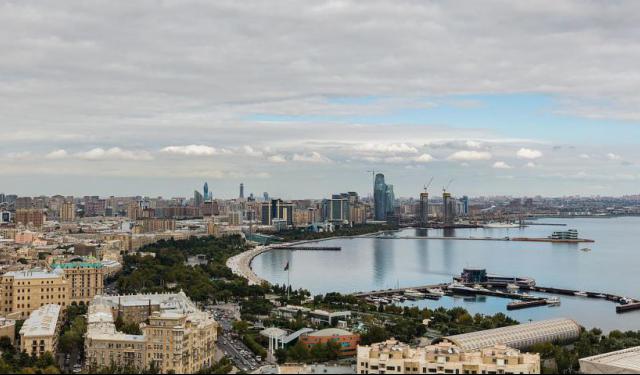
When French novelist Alexandre Dumas arrived here in 1858, he came looking for something Baku had been famous for long before oil derricks and skyscrapers-the mysterious fires that seemed to rise straight out of the earth.
The origin of the name Baku is uncertain. A popular explanation derives the name from the Persian Badkube, meaning roughly “wind-beaten” or “pounded by the wind,” an... view more
Tour Duration: 2 Hour(s)
Travel Distance: 4.1 Km or 2.5 Miles
The origin of the name Baku is uncertain. A popular explanation derives the name from the Persian Badkube, meaning roughly “wind-beaten” or “pounded by the wind,” an... view more
Tour Duration: 2 Hour(s)
Travel Distance: 4.1 Km or 2.5 Miles
A Walk Through Baku Old City
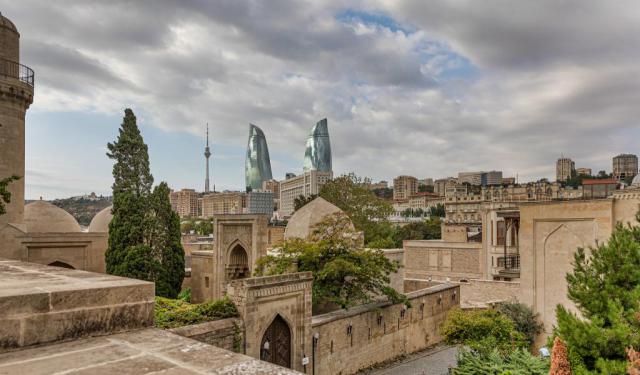
Baku's "Ichari Shahar", which literally means "Inner City," is also often referred to by foreigners as the Old City. Its unique architecture differs considerably from other ancient places in Azerbaijan and is replete with fascinating historical monuments. The most prominent of them are the 12th-century, 97-foot Maiden Tower-the most distinctive symbol of the country,... view more
Tour Duration: 1 Hour(s)
Travel Distance: 1.0 Km or 0.6 Miles
Tour Duration: 1 Hour(s)
Travel Distance: 1.0 Km or 0.6 Miles
A Walking Guide to Baku's Architectural Jewels
The city of Baku is an architectural marvel that delights with its historic buildings, grand mansions and cultural diversity. The Old City, for example, is full of fantastic old mosques and palaces that are listed as heritage monuments by UNESCO. The city is especially beautiful at night when it is wonderfully illuminated. Follow this self-guided walking tour to see the most impressive... view more
Tour Duration: 2 Hour(s)
Travel Distance: 3.8 Km or 2.4 Miles
Tour Duration: 2 Hour(s)
Travel Distance: 3.8 Km or 2.4 Miles