


Palazzo della Magione del Tempio (Mansion of the Temple Palace), Lucca
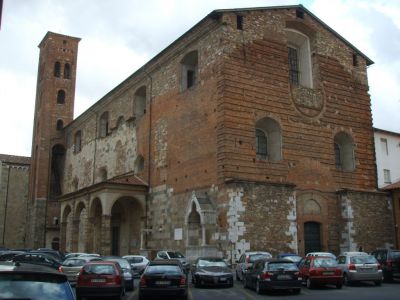
Tucked away on Piazza della Magione in Lucca, the Mansion of the Temple Palace (Palazzo della Magione del Tempio) carries centuries of layered history, from its origins as a Templar headquarters to its transformation under the Knights of Malta and beyond. The palace owes its name to the Magione del Tempio, a complex that likely included not just a church, but also an ancient hospital-a common feature of Templar sites.
The church-once an integral part of the complex-was officially suppressed in 1808 due to Napoleonic decrees, enthusiastically enforced by Elisa Baciocchi, Napoleon Bonaparte’s sister. Today, the northeast corner of the palace façade, painted red, marks the former location of this lost place of worship.
In the late 19th century, the palace underwent significant alterations, including the addition of new windows and the removal of noble coats of arms from the façade, erasing much of its aristocratic character.
First designed in the 17th century in a classic Italian style, the palace’s garden thrived until its decline in the 19th century. By 1940, a revival was underway, led by Bianchini, a gardener from the Botanical Garden of Lucca, who enriched it with a diverse array of flora.
Today, the garden features a network of gravel pathways surrounding irregularly shaped flowerbeds bordered by rustic stone curbs. Among its most notable specimens are a persimmon tree, wild pear trees, an olive tree, a palm tree, and a topped elderberry. A laurel plant shelters a naturally growing acanthus, adding to the organic charm of the space.
The garden’s rare Araucaria bidwillii, uncommon in Lucca’s climate, survived severe damage in 1985 and regenerated, though later pruned from 15 to 11 meters to protect the palace roof. Despite its changes, the Mansion of the Temple Palace reflects Lucca’s layered past, from a Templar stronghold to a botanical retreat, where history and nature quietly endure.
Want to visit this sight? Check out these Self-Guided Walking Tours in Lucca. Alternatively, you can download the mobile app "GPSmyCity: Walks in 1K+ Cities" from Apple App Store or Google Play Store. The app turns your mobile device to a personal tour guide and it works offline, so no data plan is needed when traveling abroad.
Download The GPSmyCity App



Palazzo della Magione del Tempio (Mansion of the Temple Palace) on Map
Sight Name: Palazzo della Magione del Tempio (Mansion of the Temple Palace)
Sight Location: Lucca, Italy (See walking tours in Lucca)
Sight Type: Attraction/Landmark
Sight Location: Lucca, Italy (See walking tours in Lucca)
Sight Type: Attraction/Landmark
Nearby Sights





Walking Tours in Lucca, Italy
Create Your Own Walk in Lucca
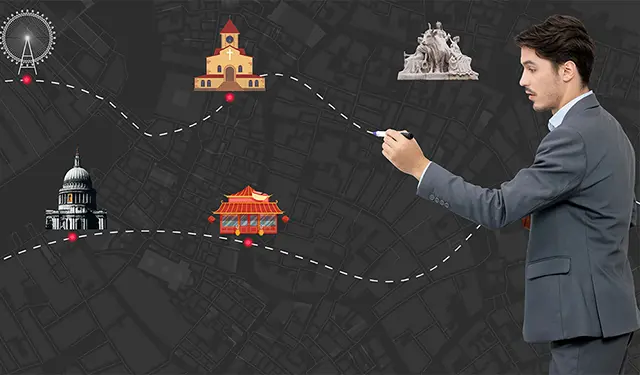
Creating your own self-guided walk in Lucca is easy and fun. Choose the city attractions that you want to see and a walk route map will be created just for you. You can even set your hotel as the start point of the walk.
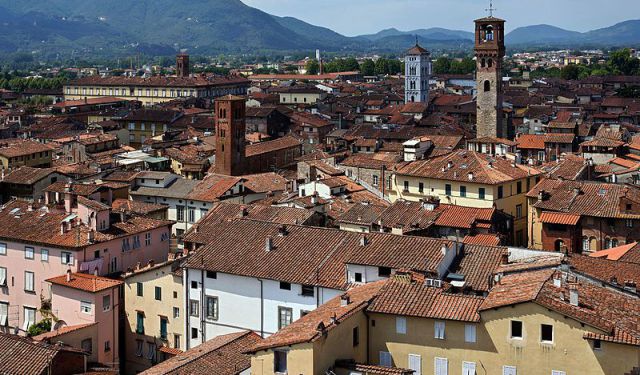
Lucca Old Town Walking Tour
Lucca is known by many names: a city of art, churches, gardens, and towers. But perhaps its most distinctive feature is its remarkable city walls. Fortifications have surrounded Lucca since Roman times, and today, its Renaissance walls remain almost perfectly intact.
Inside the walls, Lucca still follows much of its ancient Roman street plan. Square San Michele occupies the site of the old... view more
Tour Duration: 2 Hours
Travel Distance: 2.9 Km or 1.8 Miles
Inside the walls, Lucca still follows much of its ancient Roman street plan. Square San Michele occupies the site of the old... view more
Tour Duration: 2 Hours
Travel Distance: 2.9 Km or 1.8 Miles
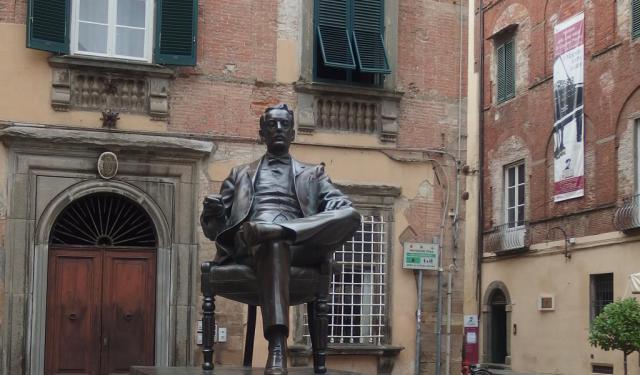
Discover Puccini's Lucca on Foot
One of the greatest musical talents of mankind, Italian composer Giacomo Puccini, was born and spent a substantial part of his life in the Tuscan city of Lucca. Today the legacy of Puccini resonates all over the world and even more so here.
Puccini's ancestors, also musicians, moved to Lucca in 1719. The future maestro was born in a house that had belonged to his family since 1815 - Casa... view more
Tour Duration: 1 Hour
Travel Distance: 1.5 Km or 0.9 Miles
Puccini's ancestors, also musicians, moved to Lucca in 1719. The future maestro was born in a house that had belonged to his family since 1815 - Casa... view more
Tour Duration: 1 Hour
Travel Distance: 1.5 Km or 0.9 Miles
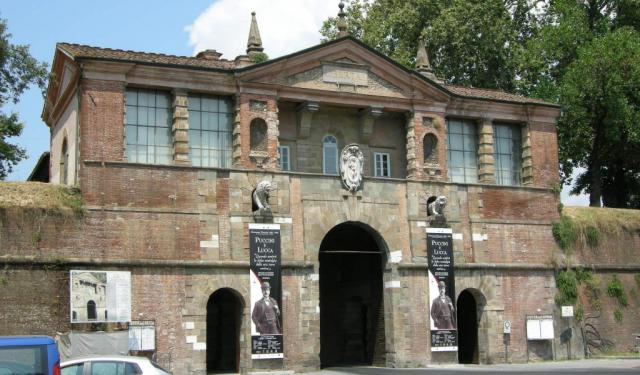
Lucca's City Wall and Gates Walking Tour
Lucca is one of Italy's most celebrated cities of art, renowned for its historic churches, medieval towers, and, above all, its remarkably well-preserved city walls. Encircling the historic center, these impressive fortifications have protected Lucca for centuries and remain one of its most distinctive features.
During the Middle Ages, Lucca's walls stood around 11 to 12 meters high,... view more
Tour Duration: 2 Hours
Travel Distance: 3.7 Km or 2.3 Miles
During the Middle Ages, Lucca's walls stood around 11 to 12 meters high,... view more
Tour Duration: 2 Hours
Travel Distance: 3.7 Km or 2.3 Miles
City Walks Overview
