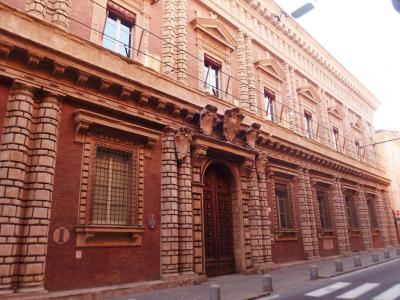


Palazzo Fantuzzi (Fantuzzi Palace), Bologna
Built in 1517 on the grounds of former medieval dwellings, this structure – now partly dedicated to exhibitions – once served as the residence of the esteemed Fantuzzi family, prominent members of the Bolognese Senate. Its facade harkens back to the Tosco-Roman architectural tradition of the 16th century, embellished with depictions of elephants, alluding to the Fantuzzis' heraldic emblem.
Construction reached its completion in 1680, coinciding with the election of Carlo Ridolfo Fantuzzi as Gonfalonier. In a gesture of self-celebration, he commissioned the installation of a new staircase within the palace, leading guests to the grand ballroom on the noble floor. The celebrated staircase is adorned with statues depicting Hercules and Atlas.
Visitors to the second floor have the opportunity to explore the magnificent hall, adorned with frescoes crafted by Francesco Galli Bibiena between 1678 and 1684. Departing from conventional frontal perspectives, Bibiena pioneered a new approach to architectural painting, employing corner perspectives.
Stretched across the walls is a simulated, perfectly symmetrical open gallery populated by soaring deities and vivid mythological beings. Bibiena's supreme mastery in figure painting, enhanced by cleverly painted colonnades, structural wings, and forced shadows, creates a flawless optical illusion of expanded physical space, captivating and completely deceiving the viewer's eye.
Opposite the actual windows, a painted verdant garden provides a grand theatrical backdrop, offering deep glimpses into imaginative classical landscapes. Noteworthy Baroque masters such as Angelo Michele Colonna-highly celebrated for his extensive artistic contributions to the Royal Palace of Madrid-also contributed masterwork frescoes decorating the intimate side chambers within the palace layout.
Construction reached its completion in 1680, coinciding with the election of Carlo Ridolfo Fantuzzi as Gonfalonier. In a gesture of self-celebration, he commissioned the installation of a new staircase within the palace, leading guests to the grand ballroom on the noble floor. The celebrated staircase is adorned with statues depicting Hercules and Atlas.
Visitors to the second floor have the opportunity to explore the magnificent hall, adorned with frescoes crafted by Francesco Galli Bibiena between 1678 and 1684. Departing from conventional frontal perspectives, Bibiena pioneered a new approach to architectural painting, employing corner perspectives.
Stretched across the walls is a simulated, perfectly symmetrical open gallery populated by soaring deities and vivid mythological beings. Bibiena's supreme mastery in figure painting, enhanced by cleverly painted colonnades, structural wings, and forced shadows, creates a flawless optical illusion of expanded physical space, captivating and completely deceiving the viewer's eye.
Opposite the actual windows, a painted verdant garden provides a grand theatrical backdrop, offering deep glimpses into imaginative classical landscapes. Noteworthy Baroque masters such as Angelo Michele Colonna-highly celebrated for his extensive artistic contributions to the Royal Palace of Madrid-also contributed masterwork frescoes decorating the intimate side chambers within the palace layout.
Want to visit this sight? Check out these Self-Guided Walking Tours in Bologna. Alternatively, you can download the mobile app "GPSmyCity: Walks in 1K+ Cities" from Apple App Store or Google Play Store. The app turns your mobile device to a personal tour guide and it works offline, so no data plan is needed when traveling abroad.
Download The GPSmyCity App



Palazzo Fantuzzi (Fantuzzi Palace) on Map
Sight Name: Palazzo Fantuzzi (Fantuzzi Palace)
Sight Location: Bologna, Italy (See walking tours in Bologna)
Sight Type: Attraction/Landmark
Guide(s) Containing This Sight:
Sight Location: Bologna, Italy (See walking tours in Bologna)
Sight Type: Attraction/Landmark
Guide(s) Containing This Sight:
Nearby Sights

Walking Tours in Bologna, Italy

Create Your Own Walk in Bologna
Creating your own self-guided walk in Bologna is easy and fun. Choose the city attractions that you want to see and a walk route map will be created just for you. You can even set your hotel as the start point of the walk.
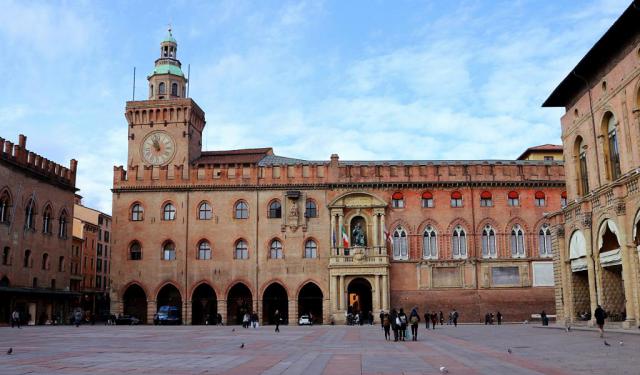
Bologna Palaces
English writer Charles Dickens found “a grave and learned air” in Bologna-an impression that still lingers beneath the arches of its medieval palaces.
Bologna’s palaces are more than impressive historic buildings. Together, they form a record of how the city was governed, administered, and enriched over many centuries. Their walls reflect the changing ambitions of civic officials,... view more
Tour Duration: 1 Hour(s)
Travel Distance: 1.4 Km or 0.9 Miles
Bologna’s palaces are more than impressive historic buildings. Together, they form a record of how the city was governed, administered, and enriched over many centuries. Their walls reflect the changing ambitions of civic officials,... view more
Tour Duration: 1 Hour(s)
Travel Distance: 1.4 Km or 0.9 Miles
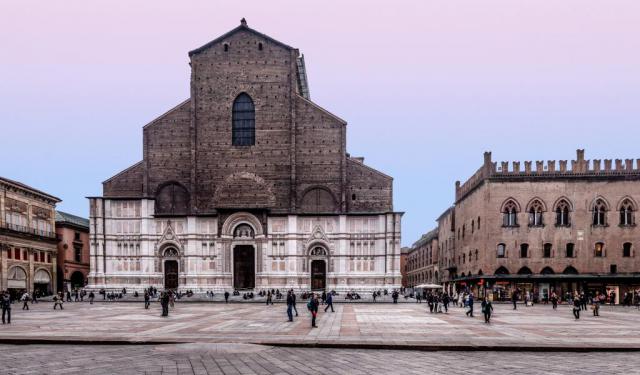
Historical Churches
The historic city of Bologna is one of the most sumptuous medieval places in Italy, as well as one of the country's most visited destinations. There are churches everywhere in the city, many of which are well-preserved and well worth a visit. Magnificent and centuries-old, each of them has its own specialty and history carved into, replete with great historic artifacts associated with world... view more
Tour Duration: 1 Hour(s)
Travel Distance: 2.2 Km or 1.4 Miles
Tour Duration: 1 Hour(s)
Travel Distance: 2.2 Km or 1.4 Miles
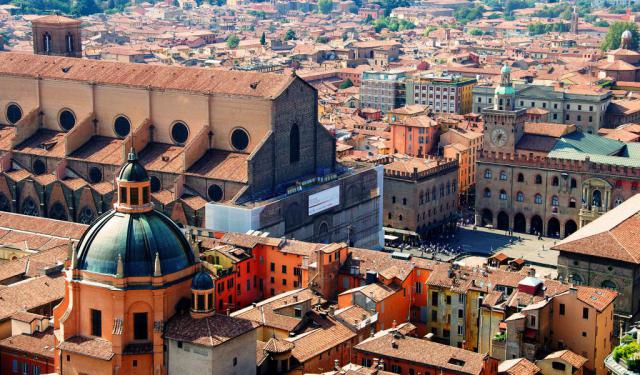
Exploring Bologna Historic Center on Foot
Bologna is one of Italy’s oldest and most historically significant cities, shaped by more than two thousand years of political, cultural, and intellectual development.
Around the 3rd century BC, the Romans conquered the Po valley area and established the colony of Bononia in 189 BC. The name is generally believed to derive from the Celtic root bon, meaning “settlement” or “fortified... view more
Tour Duration: 2 Hour(s)
Travel Distance: 2.3 Km or 1.4 Miles
Around the 3rd century BC, the Romans conquered the Po valley area and established the colony of Bononia in 189 BC. The name is generally believed to derive from the Celtic root bon, meaning “settlement” or “fortified... view more
Tour Duration: 2 Hour(s)
Travel Distance: 2.3 Km or 1.4 Miles
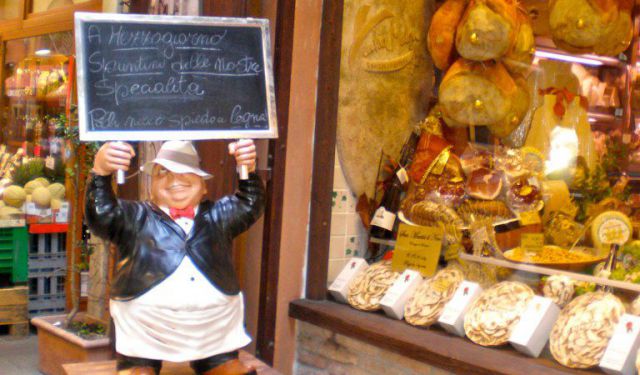
Bologna's Shopping Areas
When it comes to shopping, Bologna walks tall amid grands like Milan or Rome, with a harmonious mix of international chains, exclusive boutiques, luxury stores and open-air markets lining the streets in the city center, offering a wealth of international fashion, designer brands and top quality local delicacies in rich supply.
Shopping here is particularly pleasant on weekends when Zone... view more
Tour Duration: 1 Hour(s)
Travel Distance: 0.8 Km or 0.5 Miles
Shopping here is particularly pleasant on weekends when Zone... view more
Tour Duration: 1 Hour(s)
Travel Distance: 0.8 Km or 0.5 Miles