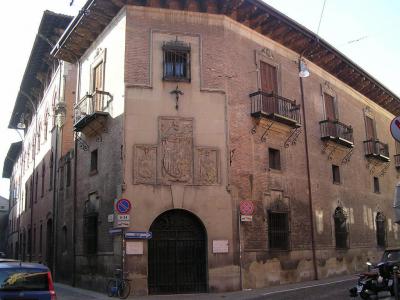


Real Colegio de Espana (Royal Spanish College), Bologna
Constructed in the 1360s to accommodate non-resident students of Bologna's Studium, the Royal Spanish College predates Spain's formal unification by over a century. Its title, "royal", was bestowed by Emperor Charles V during his coronation in Bologna in 1530. In the early 20th century, the college faced dire financial straits, jeopardizing its structural integrity. Fortunately, intervention from the Infantado Duke and King Alfonso XIII ensured the institute's preservation.
In the latter half of the 1900s, extensive renovations rejuvenated the complex, revealing ancient structures and decorations previously obscured by neo-Gothic additions. Nestled within the complex lies the Gothic church of San Clemente, featuring a polyptych by Marco Zoppo and a fresco by Andre de’ Bartoli dating back to 1368. The overall architecture is a blend of Italian influences, notably seen in the use of loggias, while also exhibiting characteristics reminiscent of medieval college structures found in England and France, with its central rectangular courtyard.
Notably, the college houses the world's most extensive private collection of medieval codices. Throughout history, it has hosted prominent figures such as Antonio de Nebrija, Ignacio de Loyola, Pietro d’Arbués, and Miguel de Cervantes.
In the latter half of the 1900s, extensive renovations rejuvenated the complex, revealing ancient structures and decorations previously obscured by neo-Gothic additions. Nestled within the complex lies the Gothic church of San Clemente, featuring a polyptych by Marco Zoppo and a fresco by Andre de’ Bartoli dating back to 1368. The overall architecture is a blend of Italian influences, notably seen in the use of loggias, while also exhibiting characteristics reminiscent of medieval college structures found in England and France, with its central rectangular courtyard.
Notably, the college houses the world's most extensive private collection of medieval codices. Throughout history, it has hosted prominent figures such as Antonio de Nebrija, Ignacio de Loyola, Pietro d’Arbués, and Miguel de Cervantes.
Want to visit this sight? Check out these Self-Guided Walking Tours in Bologna. Alternatively, you can download the mobile app "GPSmyCity: Walks in 1K+ Cities" from Apple App Store or Google Play Store. The app turns your mobile device to a personal tour guide and it works offline, so no data plan is needed when traveling abroad.
Download The GPSmyCity App



Real Colegio de Espana (Royal Spanish College) on Map
Sight Name: Real Colegio de Espana (Royal Spanish College)
Sight Location: Bologna, Italy (See walking tours in Bologna)
Sight Type: Attraction/Landmark
Sight Location: Bologna, Italy (See walking tours in Bologna)
Sight Type: Attraction/Landmark
Nearby Sights
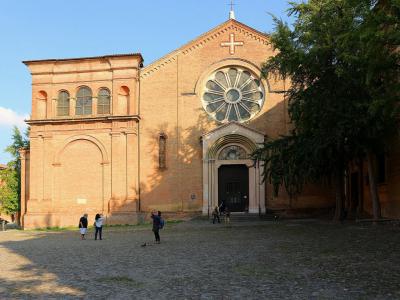
Walking Tours in Bologna, Italy

Create Your Own Walk in Bologna
Creating your own self-guided walk in Bologna is easy and fun. Choose the city attractions that you want to see and a walk route map will be created just for you. You can even set your hotel as the start point of the walk.
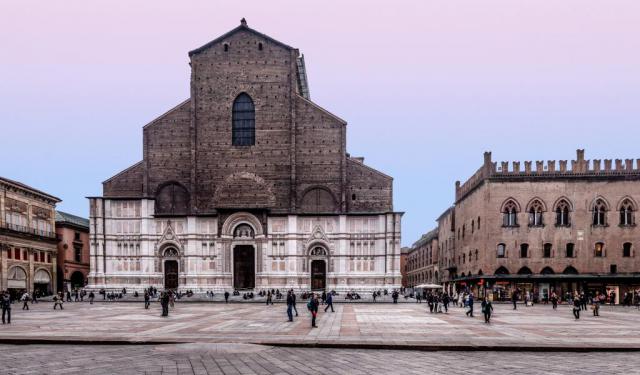
Historical Churches
The historic city of Bologna is one of the most sumptuous medieval places in Italy, as well as one of the country's most visited destinations. There are churches everywhere in the city, many of which are well-preserved and well worth a visit. Magnificent and centuries-old, each of them has its own specialty and history carved into, replete with great historic artifacts associated with world... view more
Tour Duration: 1 Hour(s)
Travel Distance: 2.2 Km or 1.4 Miles
Tour Duration: 1 Hour(s)
Travel Distance: 2.2 Km or 1.4 Miles
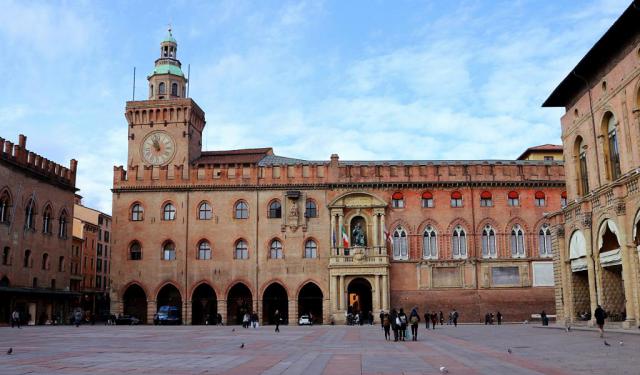
Bologna Palaces
English writer Charles Dickens found “a grave and learned air” in Bologna-an impression that still lingers beneath the arches of its medieval palaces.
Bologna’s palaces are more than impressive historic buildings. Together, they form a record of how the city was governed, administered, and enriched over many centuries. Their walls reflect the changing ambitions of civic officials,... view more
Tour Duration: 1 Hour(s)
Travel Distance: 1.4 Km or 0.9 Miles
Bologna’s palaces are more than impressive historic buildings. Together, they form a record of how the city was governed, administered, and enriched over many centuries. Their walls reflect the changing ambitions of civic officials,... view more
Tour Duration: 1 Hour(s)
Travel Distance: 1.4 Km or 0.9 Miles
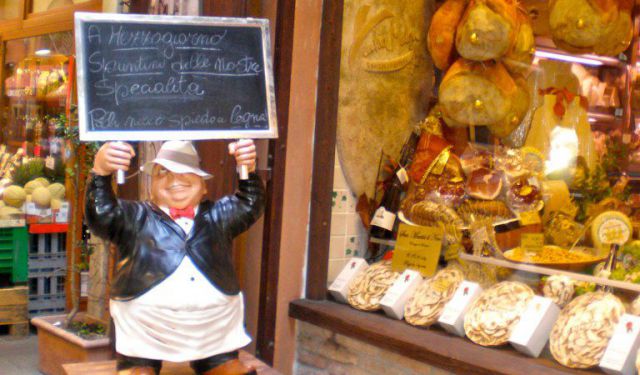
Bologna's Shopping Areas
When it comes to shopping, Bologna walks tall amid grands like Milan or Rome, with a harmonious mix of international chains, exclusive boutiques, luxury stores and open-air markets lining the streets in the city center, offering a wealth of international fashion, designer brands and top quality local delicacies in rich supply.
Shopping here is particularly pleasant on weekends when Zone... view more
Tour Duration: 1 Hour(s)
Travel Distance: 0.8 Km or 0.5 Miles
Shopping here is particularly pleasant on weekends when Zone... view more
Tour Duration: 1 Hour(s)
Travel Distance: 0.8 Km or 0.5 Miles
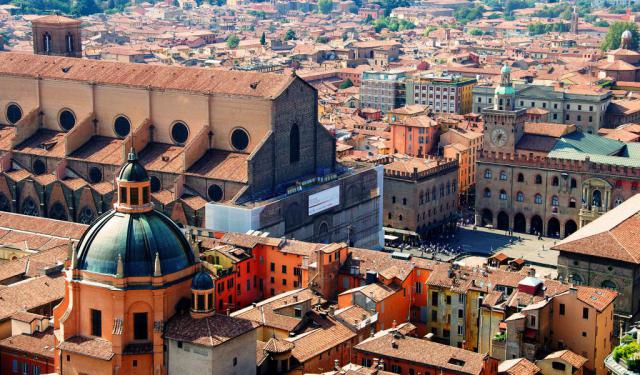
Exploring Bologna Historic Center on Foot
Bologna is one of Italy’s oldest and most historically significant cities, shaped by more than two thousand years of political, cultural, and intellectual development.
Around the 3rd century BC, the Romans conquered the Po valley area and established the colony of Bononia in 189 BC. The name is generally believed to derive from the Celtic root bon, meaning “settlement” or “fortified... view more
Tour Duration: 2 Hour(s)
Travel Distance: 2.3 Km or 1.4 Miles
Around the 3rd century BC, the Romans conquered the Po valley area and established the colony of Bononia in 189 BC. The name is generally believed to derive from the Celtic root bon, meaning “settlement” or “fortified... view more
Tour Duration: 2 Hour(s)
Travel Distance: 2.3 Km or 1.4 Miles