

Sapieha Palace, Lviv
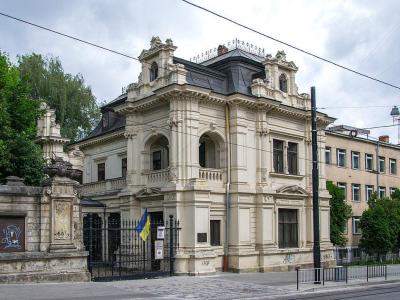
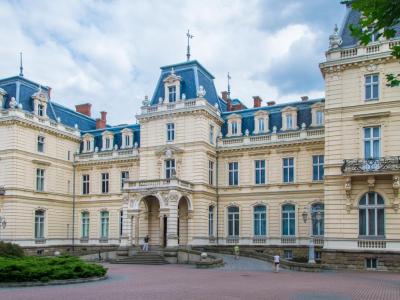
The Sapieha Palace in Lviv stands as a testament to the influence and aspirations of Prince Leon Sapieha, one of the city’s most prominent 19th-century figures. Built in 1867-1868 by architect Adolf Kuhn, the residence embodies a refined blend of French Baroque and Chateauesque design, styles chosen to evoke the elegance of European aristocratic estates. Its construction coincided with a period of cultural growth in Lviv, when noble families commissioned impressive homes that reflected both personal prestige and the city’s expanding political importance.
The exterior of the palace is distinguished by its balanced proportions and carefully executed ornamentation. Handmade stone carvings, pilasters, and elaborate cornices demonstrate the high level of craftsmanship achieved during this era. Ornate window frames add further decorative interest, while the wrought-iron fence surrounding the building enhances its formal, aristocratic presence on Kopernyka Street. Together, these elements create a cohesive architectural statement that remains visually striking.
The palace’s history mirrors the broader political shifts that shaped Lviv in the 20th century. After beginning as a private residence for the Sapieha family, it became the headquarters for Ukrainian troops during the turbulent events of 1918. Later, under Soviet administration, the building was repurposed to house a school, reflecting the new priorities of the era.
By the early 1970s, the palace faced the threat of demolition, but the Ukrainian Society for the Protection of Historical and Cultural Monuments intervened to save it. Thanks to this preservation effort, the Sapieha Palace endures today as an important architectural landmark, offering visitors insight into both Lviv’s aristocratic heritage and its evolving civic history.
The exterior of the palace is distinguished by its balanced proportions and carefully executed ornamentation. Handmade stone carvings, pilasters, and elaborate cornices demonstrate the high level of craftsmanship achieved during this era. Ornate window frames add further decorative interest, while the wrought-iron fence surrounding the building enhances its formal, aristocratic presence on Kopernyka Street. Together, these elements create a cohesive architectural statement that remains visually striking.
The palace’s history mirrors the broader political shifts that shaped Lviv in the 20th century. After beginning as a private residence for the Sapieha family, it became the headquarters for Ukrainian troops during the turbulent events of 1918. Later, under Soviet administration, the building was repurposed to house a school, reflecting the new priorities of the era.
By the early 1970s, the palace faced the threat of demolition, but the Ukrainian Society for the Protection of Historical and Cultural Monuments intervened to save it. Thanks to this preservation effort, the Sapieha Palace endures today as an important architectural landmark, offering visitors insight into both Lviv’s aristocratic heritage and its evolving civic history.
Want to visit this sight? Check out these Self-Guided Walking Tours in Lviv. Alternatively, you can download the mobile app "GPSmyCity: Walks in 1K+ Cities" from Apple App Store or Google Play Store. The app turns your mobile device to a personal tour guide and it works offline, so no data plan is needed when traveling abroad.
Download The GPSmyCity App



Sapieha Palace on Map
Sight Name: Sapieha Palace
Sight Location: Lviv, Ukraine (See walking tours in Lviv)
Sight Type: Attraction/Landmark
Guide(s) Containing This Sight:
Sight Location: Lviv, Ukraine (See walking tours in Lviv)
Sight Type: Attraction/Landmark
Guide(s) Containing This Sight:
Nearby Sights

Walking Tours in Lviv, Ukraine

Create Your Own Walk in Lviv
Creating your own self-guided walk in Lviv is easy and fun. Choose the city attractions that you want to see and a walk route map will be created just for you. You can even set your hotel as the start point of the walk.
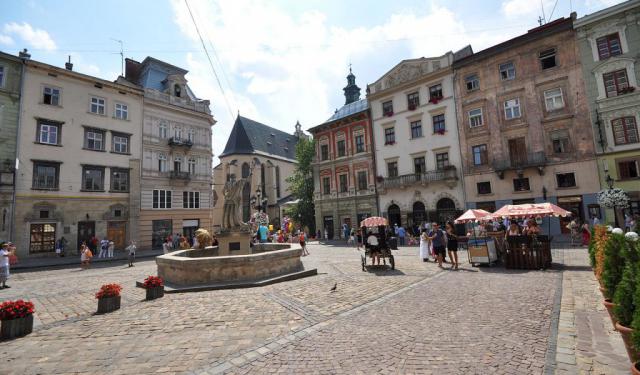
Lviv Old Town Walking Tour
The largest city in the western part of Ukraine, Lviv stands out in its historic beauty and deservedly holds a place on the UNESCO World Heritage List. To find out exactly why, follow this self-guided tour and discover the most notable historic and architectural sights of the city.
Tour Duration: 3 Hours
Travel Distance: 3.6 Km or 2.2 Miles
Tour Duration: 3 Hours
Travel Distance: 3.6 Km or 2.2 Miles
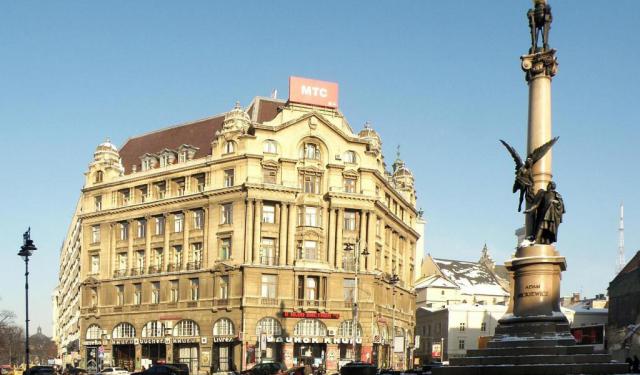
Lviv's Monuments and Statues
The city of Lviv has many historical monuments that make it a living history. Monuments and statues are dedicated to outstanding Ukrainians that contributed to the cultural development of Lviv and played important roles in its history. Take this self-guided tour to discover the rich history of Lviv through its great monuments and statues.
Tour Duration: 2 Hours
Travel Distance: 4.3 Km or 2.7 Miles
Tour Duration: 2 Hours
Travel Distance: 4.3 Km or 2.7 Miles
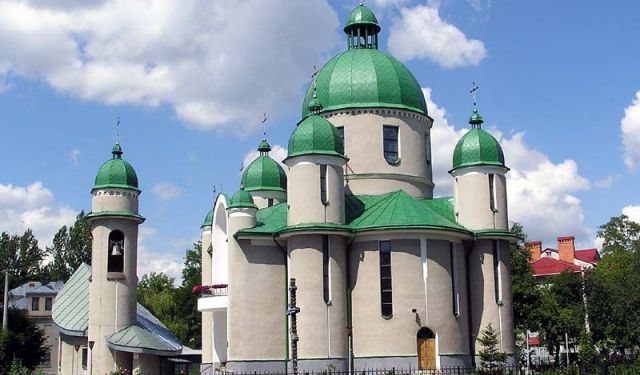
Historical Churches
Lviv is an old beautiful city with many churches in impressive buildings with majestic interiors. Some of the churches are architectural monuments listed as UNESCO World Heritage Site. Take this self-guided tour to see the most beautiful churches of Lviv.
Tour Duration: 1 Hour
Travel Distance: 1.7 Km or 1.1 Miles
Tour Duration: 1 Hour
Travel Distance: 1.7 Km or 1.1 Miles
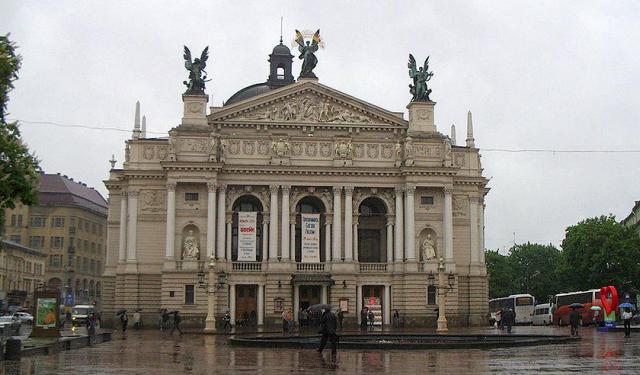
Lviv's Architectural Jewels
Lviv has many historical buildings, such as churches and palaces. The city's architecture will show you the best of European styles from various periods. While walking through the streets of Lviv you will see baroque, renaissance and classic architecture. Take this self-guided tour to explore the majestic architecture of Lviv.
Tour Duration: 2 Hours
Travel Distance: 2.8 Km or 1.7 Miles
Tour Duration: 2 Hours
Travel Distance: 2.8 Km or 1.7 Miles