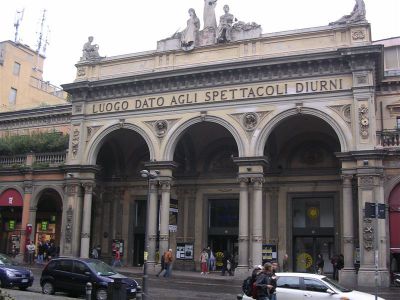


Teatro Arena del Sole (Arena del Sole Theatre), Bologna
Arena del Sole is a historic theater in Bologna, tracing its origins back to 1810. After undergoing eight years of reconstruction, it reopened its doors in 1995, preserving its rich heritage.
During the French occupation of the city from 1796 to 1816, Pietro Bonini, a leather trader, spearheaded the structure's creation. Its name, "the Sun Arena," stems from its unique feature of hosting theater performances from afternoon till sunset during the summer months. Constructed in 1810, the terraced semicircular structure embodies Neo-classical and Enlightenment influences, having served as a venue for plays, dramas, carnival balls, and circus acts.
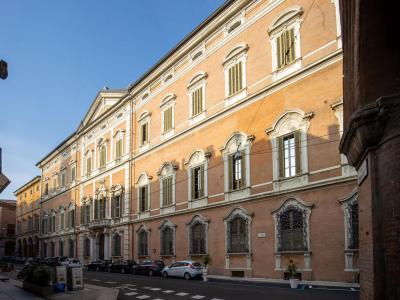
The arena's façade, dating back to 1888, remains the sole 19th-century structure in its original state, while atop the building, a pediment by Alfredo Neri features statues of Apollo, Poetry, and Tragedy.
In 1986, the Municipality of Bologna acquired the compound with the aim of establishing a proper prose theater. Renovation occurred in three stages, culminating in the grand reopening in 1995. Notably, the addition of a modular wooden platform, equipped with a water-powered mechanism, allowed for flexible seating arrangements, enhancing the stage's capacity to 25 meters.
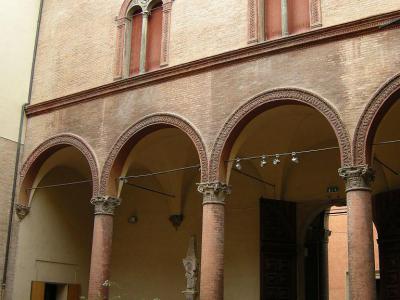
Today, the Arena del Sole features a larger theater hall with 952 seats and a smaller one accommodating 220 to 300 seats. Its structure integrates seamlessly with the 15th-century cloister of the old convent, providing a unique cultural space for the city.
During the French occupation of the city from 1796 to 1816, Pietro Bonini, a leather trader, spearheaded the structure's creation. Its name, "the Sun Arena," stems from its unique feature of hosting theater performances from afternoon till sunset during the summer months. Constructed in 1810, the terraced semicircular structure embodies Neo-classical and Enlightenment influences, having served as a venue for plays, dramas, carnival balls, and circus acts.
The arena's façade, dating back to 1888, remains the sole 19th-century structure in its original state, while atop the building, a pediment by Alfredo Neri features statues of Apollo, Poetry, and Tragedy.
In 1986, the Municipality of Bologna acquired the compound with the aim of establishing a proper prose theater. Renovation occurred in three stages, culminating in the grand reopening in 1995. Notably, the addition of a modular wooden platform, equipped with a water-powered mechanism, allowed for flexible seating arrangements, enhancing the stage's capacity to 25 meters.
Today, the Arena del Sole features a larger theater hall with 952 seats and a smaller one accommodating 220 to 300 seats. Its structure integrates seamlessly with the 15th-century cloister of the old convent, providing a unique cultural space for the city.
Want to visit this sight? Check out these Self-Guided Walking Tours in Bologna. Alternatively, you can download the mobile app "GPSmyCity: Walks in 1K+ Cities" from Apple App Store or Google Play Store. The app turns your mobile device to a personal tour guide and it works offline, so no data plan is needed when traveling abroad.
Download The GPSmyCity App



Teatro Arena del Sole (Arena del Sole Theatre) on Map
Sight Name: Teatro Arena del Sole (Arena del Sole Theatre)
Sight Location: Bologna, Italy (See walking tours in Bologna)
Sight Type: Attraction/Landmark
Sight Location: Bologna, Italy (See walking tours in Bologna)
Sight Type: Attraction/Landmark
Nearby Sights
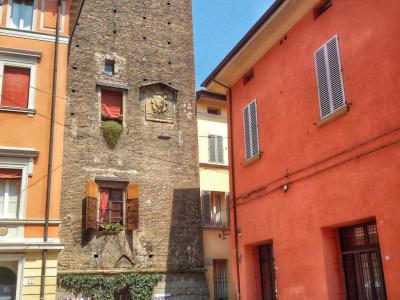
Walking Tours in Bologna, Italy

Create Your Own Walk in Bologna
Creating your own self-guided walk in Bologna is easy and fun. Choose the city attractions that you want to see and a walk route map will be created just for you. You can even set your hotel as the start point of the walk.
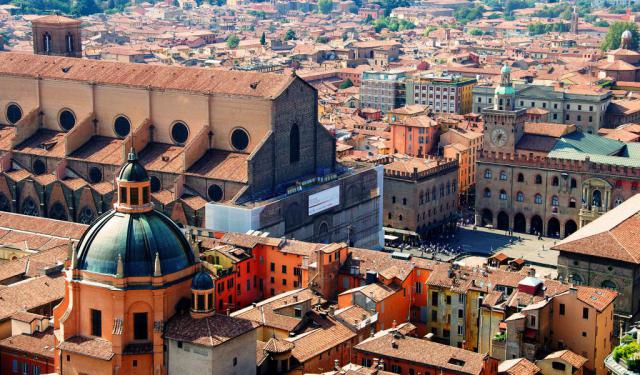
Exploring Bologna Historic Center on Foot
Bologna is one of Italy’s oldest and most historically significant cities, shaped by more than two thousand years of political, cultural, and intellectual development.
Around the 3rd century BC, the Romans conquered the Po valley area and established the colony of Bononia in 189 BC. The name is generally believed to derive from the Celtic root bon, meaning “settlement” or “fortified... view more
Tour Duration: 2 Hour(s)
Travel Distance: 2.3 Km or 1.4 Miles
Around the 3rd century BC, the Romans conquered the Po valley area and established the colony of Bononia in 189 BC. The name is generally believed to derive from the Celtic root bon, meaning “settlement” or “fortified... view more
Tour Duration: 2 Hour(s)
Travel Distance: 2.3 Km or 1.4 Miles
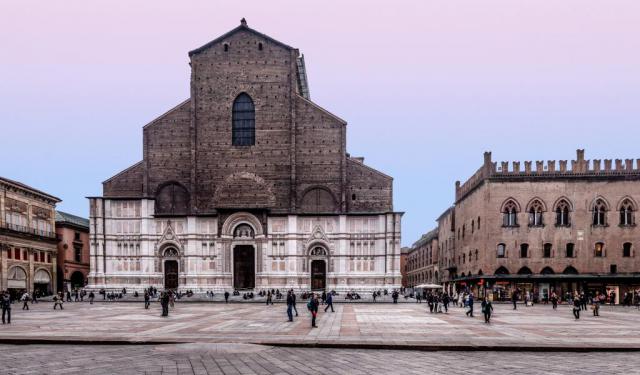
Historical Churches
The historic city of Bologna is one of the most sumptuous medieval places in Italy, as well as one of the country's most visited destinations. There are churches everywhere in the city, many of which are well-preserved and well worth a visit. Magnificent and centuries-old, each of them has its own specialty and history carved into, replete with great historic artifacts associated with world... view more
Tour Duration: 1 Hour(s)
Travel Distance: 2.2 Km or 1.4 Miles
Tour Duration: 1 Hour(s)
Travel Distance: 2.2 Km or 1.4 Miles
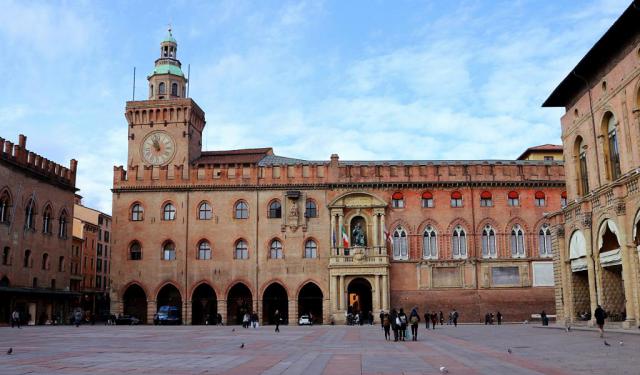
Bologna Palaces
English writer Charles Dickens found “a grave and learned air” in Bologna-an impression that still lingers beneath the arches of its medieval palaces.
Bologna’s palaces are more than impressive historic buildings. Together, they form a record of how the city was governed, administered, and enriched over many centuries. Their walls reflect the changing ambitions of civic officials,... view more
Tour Duration: 1 Hour(s)
Travel Distance: 1.4 Km or 0.9 Miles
Bologna’s palaces are more than impressive historic buildings. Together, they form a record of how the city was governed, administered, and enriched over many centuries. Their walls reflect the changing ambitions of civic officials,... view more
Tour Duration: 1 Hour(s)
Travel Distance: 1.4 Km or 0.9 Miles
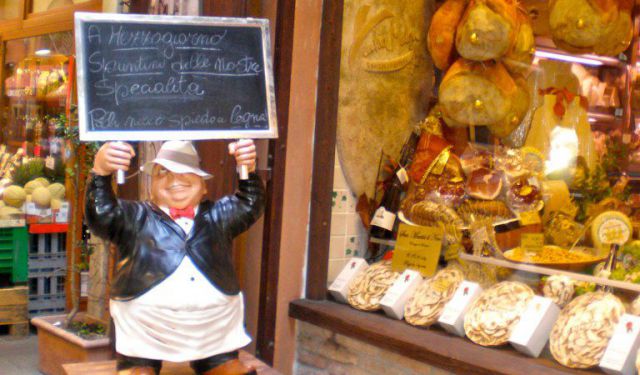
Bologna's Shopping Areas
When it comes to shopping, Bologna walks tall amid grands like Milan or Rome, with a harmonious mix of international chains, exclusive boutiques, luxury stores and open-air markets lining the streets in the city center, offering a wealth of international fashion, designer brands and top quality local delicacies in rich supply.
Shopping here is particularly pleasant on weekends when Zone... view more
Tour Duration: 1 Hour(s)
Travel Distance: 0.8 Km or 0.5 Miles
Shopping here is particularly pleasant on weekends when Zone... view more
Tour Duration: 1 Hour(s)
Travel Distance: 0.8 Km or 0.5 Miles