

Monumental Highlights of Torino, Turin, Italy
Torino (Turin) is a city that mixes historical monuments with contemporary innovation. As the first capital of unified Italy, Torino has a long cultural and architectural heritage that has shaped its identity over centuries. The city’s urban landscape is characterized by the Baroque architecture, neoclassical structures, and religious monuments. Torino has an impressive selection of palaces, churches, and squares that reflect its role in European history. From the seat of the Savoy dynasty to its cultural contributions during the Italian Renaissance and beyond. In this article I’m going to explore the monumental highlights of Torino.
Torino has a multifaceted history that dates back over 2,000 years. It is one of Italy’s most historically important cities. It has changed from a small Roman settlement to a political, industrial, and cultural city. Here’s a deeper view into its fascinating history.
The history of Torino begins in Roman times. The town was originally founded as a military settlement by the Romans in 27 BCE. It was known as Augusta Taurinorum. The city’s location was strategically positioned on the banks of the Po River and surrounded by the Alps. It was an ideal outpost for controlling trade routes and defending northern Italy. Torino quickly grew into a prosperous town within the Roman Empire. The remnants of its ancient past can still be seen today. This includes parts of Roman walls and gates like the Porta Palatina. ...... (follow the instructions below for accessing the rest of this article).
Torino has a multifaceted history that dates back over 2,000 years. It is one of Italy’s most historically important cities. It has changed from a small Roman settlement to a political, industrial, and cultural city. Here’s a deeper view into its fascinating history.
The history of Torino begins in Roman times. The town was originally founded as a military settlement by the Romans in 27 BCE. It was known as Augusta Taurinorum. The city’s location was strategically positioned on the banks of the Po River and surrounded by the Alps. It was an ideal outpost for controlling trade routes and defending northern Italy. Torino quickly grew into a prosperous town within the Roman Empire. The remnants of its ancient past can still be seen today. This includes parts of Roman walls and gates like the Porta Palatina. ...... (follow the instructions below for accessing the rest of this article).
How it works: The full article is featured in the app "GPSmyCity: Walks in 1K+ Cities" on Apple App Store and Google Play Store.
Download the app to your mobile device to read the article offline and create a self-guided walking tour to visit the sights featured in this article. The app's navigation functions guide you from one sight to the next. The app works offline, so no data plan is needed when traveling abroad.
Download The GPSmyCity App



Sights Featured in This Article
Guide Name: Monumental Highlights of Torino
Guide Location: Italy » Turin
Guide Type: Self-guided Walking Tour (Insider Tips)
Author: Adriana Machielsen
Read it on Author's Website: https://intheworldsjungle.com/monumental-highlights-of-torino/
Sight(s) Featured in This Guide:
Guide Location: Italy » Turin
Guide Type: Self-guided Walking Tour (Insider Tips)
Author: Adriana Machielsen
Read it on Author's Website: https://intheworldsjungle.com/monumental-highlights-of-torino/
Sight(s) Featured in This Guide:
- Porta Palatina
- Musei Reali & Royal Palace
- Royal Gardens
- Cattedral di San Giovanni Battista
- Biblioteca Reale
- Palazzo Madama
- Piazza San Carlo
- Museo Egizio
- Mole Antonelliana
- Villa della Regina
- Parco del Valentino
- Borgo Medievale
Insider Tips for Turin, Italy
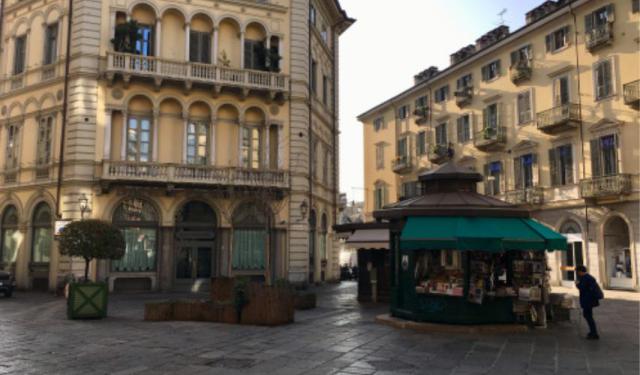
A Sunday Morning Walk in Parco del Valentino
It’s been a joy to come to Turin again and have such glorious weather. The sun has been shining in a clear blue sky; temperatures during the day hit the low to mid-20s and it’s just the perfect weather for making the most of a long weekend in this beautiful city.
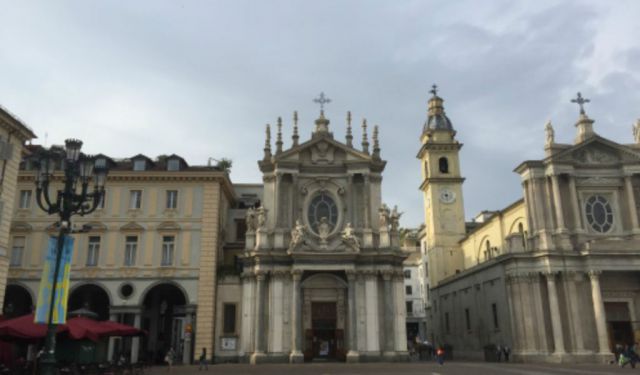
A Weekend in Turin
There are lots of good reasons to make Turin a city break destination. It’s a city rich in history (it was the first capital of a unified in Italy in 1861) with beautiful architecture, magnificent piazzas (squares) and 18km of lovely arcades lining the main streets.
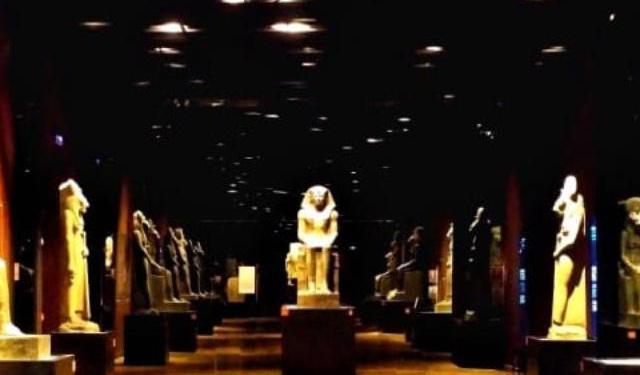
The Most Beautiful Museums and Palaces in Turin, Italy
You can spend a good few days in this beautiful city in the north of Italy just exploring all the museums and palaces it has to offer. When you make your plan, do check the opening times of the museums you picked.
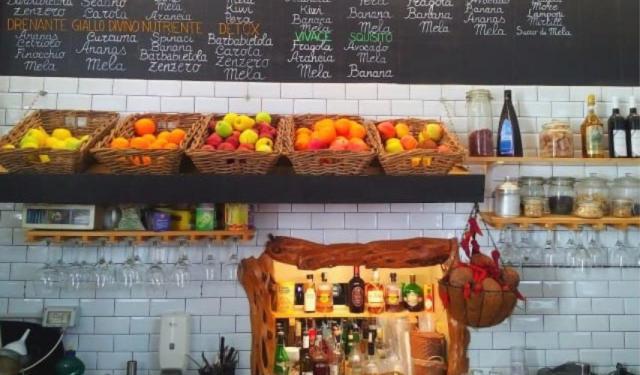
Vegan Turin Guide - The Best Vegan Food in Turin
Turin, a charming city in the north of Italy, is a vegan-friendly place with some lovely vegan and vegetarian restaurants.
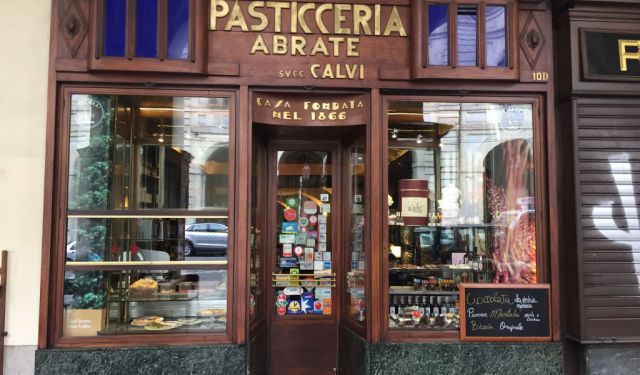
Turin: Historic Cafes, Chocolate & Aperitivo
Like the historic cafés of many other European cities, such as Vienna and Paris, the cafés of Turin are steeped in political, cultural and intellectual history. It is said that part of Italy’s history was written in Turin’s cafés and indeed the city was the first capital of a unified Italy in 1861.
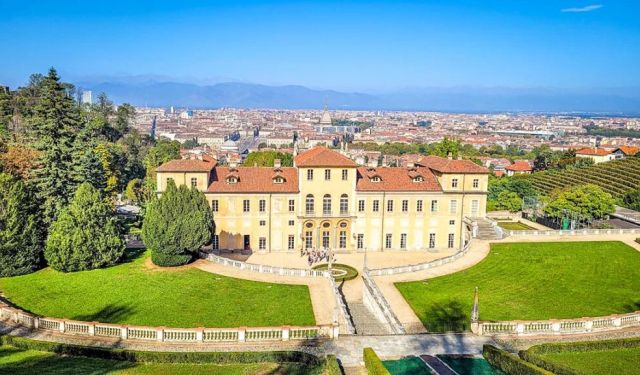
A Morning Walk to Villa della Regina
The River Po is the longest river in Italy and famous to foodies for the best risotto rice is said to be that grown in its valley. Once across the Po, it was a simple – if steep – climb up via Villa della Regina to the house.
Insider Tips Overview
