Custom Walk in Nashville, Tennessee by wendydds1239666 created on 2022-04-10
Guide Location: USA » Nashville
Guide Type: Custom Walk
# of Sights: 11
Tour Duration: 5 Hour(s)
Travel Distance: 12.7 Km or 7.9 Miles
Share Key: X7XST
Guide Type: Custom Walk
# of Sights: 11
Tour Duration: 5 Hour(s)
Travel Distance: 12.7 Km or 7.9 Miles
Share Key: X7XST
How It Works
Please retrieve this walk in the GPSmyCity app. Once done, the app will guide you from one tour stop to the next as if you had a personal tour guide. If you created the walk on this website or come to the page via a link, please follow the instructions below to retrieve the walk in the app.
Retrieve This Walk in App
Step 1. Download the app "GPSmyCity: Walks in 1K+ Cities" on Apple App Store or Google Play Store.



Step 2. In the GPSmyCity app, download(or launch) the guide "Nashville Map and Walking Tours".
Step 3. Tap the menu button located at upper right corner of the "Walks" screen and select "Retrieve custom walk". Enter the share key: X7XST
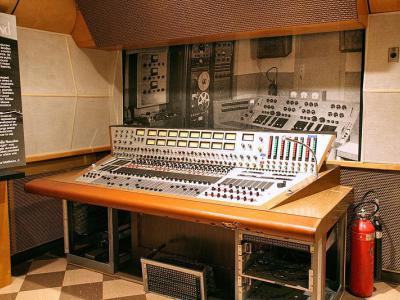
1) RCA Studio B (must see)
RCA Studio B is a landmark location steeped in musical history. Known as the birthplace of the "Nashville Sound," this recording studio significantly contributed to establishing the city's reputation as a hub for the music industry, particularly in the genre of country music.
Constructed in 1957, RCA Studio B became a creative sanctuary for many legendary artists, producing a significant number of iconic hits. The studio's roster boasts an impressive array of artists, including Elvis Presley, Dolly Parton, Roy Orbison, and the Everly Brothers, among others. These and many more artists recorded songs within its walls, making RCA Studio B instrumental in shaping the sound and direction of American popular music.
Recognized for its unique acoustic properties and characterized by its relatively small size, RCA Studio B introduced innovative production techniques that helped to soften the rough edges of the popular "honky-tonk" country sound of the 1950s. It popularized what came to be known as the "Nashville Sound," which incorporated smooth vocals, lush string sections, and background vocals.
Since its closing in 1977 as a commercial studio, RCA Studio B has been preserved as a museum. Today, it's operated by the Country Music Hall of Fame and Museum and offers guided tours that take visitors on a journey through the golden age of Nashville music production. A visit to the studio offers a glimpse into the creative process of some of the world's most celebrated musicians.
Tip:
Tours sell out quickly so make an online reservation early or go first thing in the morning to get a tour time.
Remember to use the facilities inside the Country Music Hall of Fame because you won't find a bathroom at the studio.
Tour Hours:
Daily: 10:30am–3:30pm
Tours depart hourly from the Country Music Hall of Fame
Constructed in 1957, RCA Studio B became a creative sanctuary for many legendary artists, producing a significant number of iconic hits. The studio's roster boasts an impressive array of artists, including Elvis Presley, Dolly Parton, Roy Orbison, and the Everly Brothers, among others. These and many more artists recorded songs within its walls, making RCA Studio B instrumental in shaping the sound and direction of American popular music.
Recognized for its unique acoustic properties and characterized by its relatively small size, RCA Studio B introduced innovative production techniques that helped to soften the rough edges of the popular "honky-tonk" country sound of the 1950s. It popularized what came to be known as the "Nashville Sound," which incorporated smooth vocals, lush string sections, and background vocals.
Since its closing in 1977 as a commercial studio, RCA Studio B has been preserved as a museum. Today, it's operated by the Country Music Hall of Fame and Museum and offers guided tours that take visitors on a journey through the golden age of Nashville music production. A visit to the studio offers a glimpse into the creative process of some of the world's most celebrated musicians.
Tip:
Tours sell out quickly so make an online reservation early or go first thing in the morning to get a tour time.
Remember to use the facilities inside the Country Music Hall of Fame because you won't find a bathroom at the studio.
Tour Hours:
Daily: 10:30am–3:30pm
Tours depart hourly from the Country Music Hall of Fame

2) Broadcast Music Inc. (BMI)
Broadcast Music, Inc. (BMI) stands as one of the three primary performing rights organizations in the United States, alongside ASCAP and SESAC. Its primary function involves the collection of licensing fees on behalf of songwriters, composers, and music publishers, subsequently redistributing these earnings as royalties to the respective members whose musical works have been publicly performed.
In the year 2009, BMI managed to accumulate a substantial sum of over $905 million from licensing fees, with an impressive distribution of $788 million in royalties to its members. Notably, BMI songwriters cover a wide spectrum of music genres, spanning from mainstream pop and country to even the likes of death metal.
During the 1930s, radio emerged as a significant source of musical entertainment, posing a potential threat to record sales and live performances. The Great Depression had already taken its toll on artist earnings from both recorded music and live shows.
In 1939, ASCAP made an announcement regarding a substantial increase in the share of revenue that licensees would be obligated to pay. In response to this development, BMI was established by the National Association of Broadcasters, serving as a more cost-effective alternative to ASCAP. Consequently, BMI introduced competition into the realm of performing rights, offering an alternative licensing source for all music users. BMI aimed to challenge ASCAP by discovering overlooked artists and securing rights to catalogs from independent publishers and ASCAP contract holders.
During this period, BMI also expanded its collection of classical music compositions, and it currently represents the majority of members in esteemed institutions like the American Academy of Arts and Letters, as well as winners of 30 Pulitzer Prizes for Music.
In the year 2009, BMI managed to accumulate a substantial sum of over $905 million from licensing fees, with an impressive distribution of $788 million in royalties to its members. Notably, BMI songwriters cover a wide spectrum of music genres, spanning from mainstream pop and country to even the likes of death metal.
During the 1930s, radio emerged as a significant source of musical entertainment, posing a potential threat to record sales and live performances. The Great Depression had already taken its toll on artist earnings from both recorded music and live shows.
In 1939, ASCAP made an announcement regarding a substantial increase in the share of revenue that licensees would be obligated to pay. In response to this development, BMI was established by the National Association of Broadcasters, serving as a more cost-effective alternative to ASCAP. Consequently, BMI introduced competition into the realm of performing rights, offering an alternative licensing source for all music users. BMI aimed to challenge ASCAP by discovering overlooked artists and securing rights to catalogs from independent publishers and ASCAP contract holders.
During this period, BMI also expanded its collection of classical music compositions, and it currently represents the majority of members in esteemed institutions like the American Academy of Arts and Letters, as well as winners of 30 Pulitzer Prizes for Music.
3) Music Row
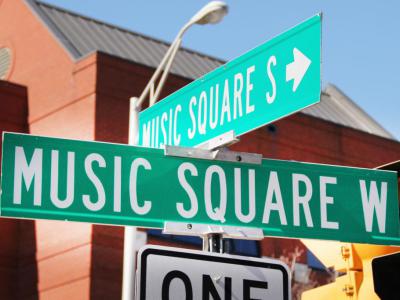
Quite the historic (and beautiful) neighborhood, Music Row is also, arguably, among the most famous places in Nashville, if not the entire state of Tennessee. There's not that much to do, per se, on a visit, but well worth a walk to see where the magic happens, as the mix of old restored homes and modern buildings house the majority of the entire country music industry. Many a brave soul tested their luck and abilities here in various forms; some have succeeded, but many have not. It's still one of the best areas in town for spotting those in the former category, so keep your eyes peeled.
Take a few pictures with the guitars and the big microphone, then proceed to check out the variety of entertainment industry ventures – from law firms to music publishers to record labels and studios to marketing and management firms, performing rights organizations, and even companies that press CDs. If it pertains to music, you'll probably find it here.
The apex of the two streets that compose Music Row funnels into Demonbreun, which is a popular spot to eat (and drink) for industry workers and those who want to party more like a local than a tourist.
Take a few pictures with the guitars and the big microphone, then proceed to check out the variety of entertainment industry ventures – from law firms to music publishers to record labels and studios to marketing and management firms, performing rights organizations, and even companies that press CDs. If it pertains to music, you'll probably find it here.
The apex of the two streets that compose Music Row funnels into Demonbreun, which is a popular spot to eat (and drink) for industry workers and those who want to party more like a local than a tourist.
4) Hatch Show Print Store
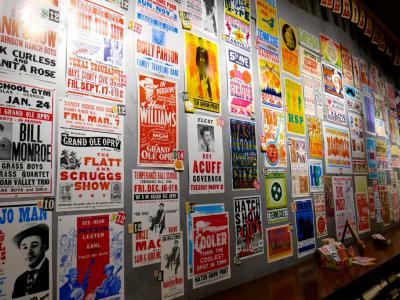
If you buy only one souvenir while in Nashville, consider doing it here. A historic landmark, Hatch Show Print do all of the show posters for the Grand Ole Opry and are the oldest letterpress poster print shop in the U.S., having been founded in the mid-1800s and now owned by the corporation that runs the Country Music Hall of Fame and the historic RCA Studio B.
Work is still being done in the way it has since the company began – by typesetting each plate and hand-printing each poster, one color at a time. Letterpress printing is how the Gutenberg Bibles were put together, too, but the eye-catching materials produced by Hatch Show have become collectible pieces of art. Reprints of old circus and vaudeville posters, as well as those advertising the Grand Ole Opry, are among the most popular. Search the walls for your favorite artists!
Tip:
Call ahead if interested in a tour or class; you may luck out in terms of timing. Or if you're in the market for actual art, visit the Hatch Gallery across the hall and see large-scale works, as well as art from various affiliated artists.
Work is still being done in the way it has since the company began – by typesetting each plate and hand-printing each poster, one color at a time. Letterpress printing is how the Gutenberg Bibles were put together, too, but the eye-catching materials produced by Hatch Show have become collectible pieces of art. Reprints of old circus and vaudeville posters, as well as those advertising the Grand Ole Opry, are among the most popular. Search the walls for your favorite artists!
Tip:
Call ahead if interested in a tour or class; you may luck out in terms of timing. Or if you're in the market for actual art, visit the Hatch Gallery across the hall and see large-scale works, as well as art from various affiliated artists.
5) Music City Walk of Fame
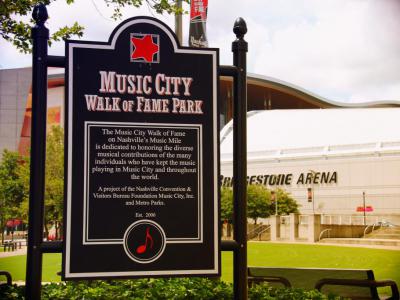
Across the street from the Country Music Hall of Fame & Museum, you can experience another of the popular tourist attractions in Nashville, established in 2006 to honor significant contributors the city's musical heritage and significant achievements in the music industry. Each honoree is commemorated with a large stainless steel and terrazzo star embedded in the sidewalk in Walk of Fame Park, which is located between the Country Music Hall of Fame, Bridgestone Arena and Schermerhorn Symphony Center.
Honorees are inducted twice annually, in the spring and fall. The first inductees were Reba McEntire, Ronnie Milsap, Kenneth Schermerhorn, The Fisk Jubilee Singers, Boudleaux and Felice Bryant, and Roy Orbison. Look for your favorites, from Kris Kristofferson to Loretta Lynn to Johnny Cash to Elvis Presley to Hank Williams to Eddy Arnold to Little Jimmy Dickens to Ernest Tubb to Kenny Rogers. The walk is free and brings back a lot of memories.
Honorees are inducted twice annually, in the spring and fall. The first inductees were Reba McEntire, Ronnie Milsap, Kenneth Schermerhorn, The Fisk Jubilee Singers, Boudleaux and Felice Bryant, and Roy Orbison. Look for your favorites, from Kris Kristofferson to Loretta Lynn to Johnny Cash to Elvis Presley to Hank Williams to Eddy Arnold to Little Jimmy Dickens to Ernest Tubb to Kenny Rogers. The walk is free and brings back a lot of memories.
6) Ryman Auditorium (must see)
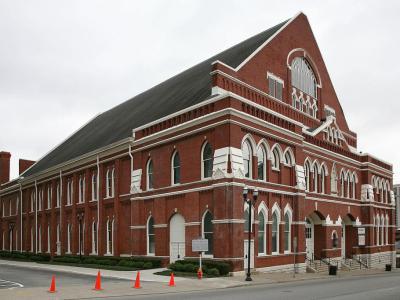
Ryman Auditorium, also known as the "Mother Church of Country Music," is a historic venue in downtown Nashville. Established by Thomas G. Ryman, it has become one of the most iconic landmarks in the country music industry.
Thomas Ryman was a businessman and riverboat captain who was converted to Christianity during a revival meeting led by evangelist Reverend Sam Jones. Inspired by his new faith, Ryman decided to build a tabernacle to host large revival meetings and to support Jones's ministry. Construction of the Union Gospel Tabernacle began in 1885 and was completed in 1892. After Ryman's death in 1904, the building was renamed the Ryman Auditorium in his honor.
Although initially built for religious purposes, Ryman Auditorium has been used for a variety of events over the years. In the early 20th century, it hosted political debates, community meetings, and various entertainment programs. It served as the home of the Grand Ole Opry, the world's longest-running live radio show, from 1943 to 1974, which marked the beginning of its reputation as the "Mother Church of Country Music."
Some of the biggest names in the music industry, including Johnny Cash, Elvis Presley, Hank Williams, Dolly Parton, and Patsy Cline, have performed on the Ryman stage. The venue is renowned for its exceptional acoustics, which contribute to the unique sound and atmosphere that attract musicians and audiences alike.
Despite the introduction of modern venues in Nashville, the Ryman Auditorium has held onto its charm and historical significance. It fell into disrepair when the Grand Ole Opry moved to a new location in 1974, but it was renovated and reopened in 1994. Since then, it has continued to host a variety of music performances, including country, rock, bluegrass, gospel, and pop.
Today Ryman Auditorium is a treasured symbol of Nashville's musical heritage and a must-visit destination for music lovers worldwide.
Tip:
There are two options on tours; self-guided and guided. With the former you can roam about the amphitheater and balcony levels, enjoying the many displays on the auditorium, its history, and the many diverse artists and orators who have visited the stage. If you're really into it, buy the (extra-cost) guided backstage tour tickets, and the guide will take you backstage through many of the dressing rooms, with history about the place and the artists included. Ending up at the side of the stage at the control area where you can grab a pic looking out into the bowl, you are then free to roam around the rest of the place with the other visitors. Pictures are allowed everywhere except in the dressing rooms on the backstage tour.
Thomas Ryman was a businessman and riverboat captain who was converted to Christianity during a revival meeting led by evangelist Reverend Sam Jones. Inspired by his new faith, Ryman decided to build a tabernacle to host large revival meetings and to support Jones's ministry. Construction of the Union Gospel Tabernacle began in 1885 and was completed in 1892. After Ryman's death in 1904, the building was renamed the Ryman Auditorium in his honor.
Although initially built for religious purposes, Ryman Auditorium has been used for a variety of events over the years. In the early 20th century, it hosted political debates, community meetings, and various entertainment programs. It served as the home of the Grand Ole Opry, the world's longest-running live radio show, from 1943 to 1974, which marked the beginning of its reputation as the "Mother Church of Country Music."
Some of the biggest names in the music industry, including Johnny Cash, Elvis Presley, Hank Williams, Dolly Parton, and Patsy Cline, have performed on the Ryman stage. The venue is renowned for its exceptional acoustics, which contribute to the unique sound and atmosphere that attract musicians and audiences alike.
Despite the introduction of modern venues in Nashville, the Ryman Auditorium has held onto its charm and historical significance. It fell into disrepair when the Grand Ole Opry moved to a new location in 1974, but it was renovated and reopened in 1994. Since then, it has continued to host a variety of music performances, including country, rock, bluegrass, gospel, and pop.
Today Ryman Auditorium is a treasured symbol of Nashville's musical heritage and a must-visit destination for music lovers worldwide.
Tip:
There are two options on tours; self-guided and guided. With the former you can roam about the amphitheater and balcony levels, enjoying the many displays on the auditorium, its history, and the many diverse artists and orators who have visited the stage. If you're really into it, buy the (extra-cost) guided backstage tour tickets, and the guide will take you backstage through many of the dressing rooms, with history about the place and the artists included. Ending up at the side of the stage at the control area where you can grab a pic looking out into the bowl, you are then free to roam around the rest of the place with the other visitors. Pictures are allowed everywhere except in the dressing rooms on the backstage tour.
7) Lower Broadway (must see)
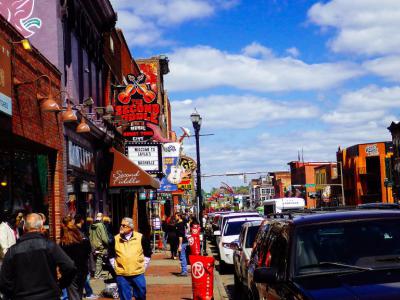
Lower Broadway is a vibrant and bustling street located in the heart of downtown Nashville. Often referred to as the city's entertainment district, Lower Broadway is renowned for its legendary honky-tonks, live country music, and southern hospitality, earning it the affectionate nickname "Honky Tonk Highway."
Running from 1st to 5th Avenue, Lower Broadway is lined with neon-lit venues, restaurants, souvenir shops, and landmarks steeped in music history. It's the beating heart of Nashville's country music scene, where both aspiring musicians and established country stars alike perform for locals and tourists.
Several iconic venues dot the street, including Tootsie's Orchid Lounge, Legends Corner, and Robert's Western World, each offering live music from early afternoon into the early hours of the morning. The street is also home to the Johnny Cash Museum, recognizing the life and music of one of country music's most influential artists.
At the end of Lower Broadway sits the Cumberland River, and the majestic riverfront views serve as the backdrop to the Ascend Amphitheater, a modern outdoor venue. A short stroll away is the Country Music Hall of Fame and Museum and the Bridgestone Arena, further embedding the street in the rich tapestry of Nashville's music scene.
Lower Broadway's energetic atmosphere and non-stop live music make it a favorite for locals and a must-visit for visitors seeking the authentic Nashville experience. Whether you're a lifelong country music fan, a budding musician, or a curious traveler, Lower Broadway offers a unique glimpse into the soul of Music City.
Running from 1st to 5th Avenue, Lower Broadway is lined with neon-lit venues, restaurants, souvenir shops, and landmarks steeped in music history. It's the beating heart of Nashville's country music scene, where both aspiring musicians and established country stars alike perform for locals and tourists.
Several iconic venues dot the street, including Tootsie's Orchid Lounge, Legends Corner, and Robert's Western World, each offering live music from early afternoon into the early hours of the morning. The street is also home to the Johnny Cash Museum, recognizing the life and music of one of country music's most influential artists.
At the end of Lower Broadway sits the Cumberland River, and the majestic riverfront views serve as the backdrop to the Ascend Amphitheater, a modern outdoor venue. A short stroll away is the Country Music Hall of Fame and Museum and the Bridgestone Arena, further embedding the street in the rich tapestry of Nashville's music scene.
Lower Broadway's energetic atmosphere and non-stop live music make it a favorite for locals and a must-visit for visitors seeking the authentic Nashville experience. Whether you're a lifelong country music fan, a budding musician, or a curious traveler, Lower Broadway offers a unique glimpse into the soul of Music City.
8) Exit/In
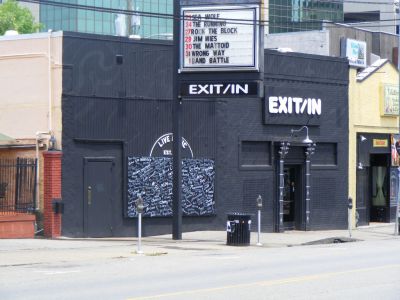
Exit/In stands as a prominent music venue situated in close proximity to Centennial Park and Vanderbilt University along Elliston Place. Its inception traces back to 1971 when it was brought to life under the stewardship of Owsley Manier and Brugh Reynolds. Initially, with a modest capacity of around 200 seats, the venue gained renown during the 1970s due to the frequent occurrence of unique and unconventional events on an almost nightly basis.
In the early 1980s, the establishment underwent expansion to accommodate a larger crowd of up to 500 patrons. Over the years, Exit/In has hosted a plethora of distinguished musicians and entertainers, including renowned acts such as The Police, Talking Heads, The Black Crowes, R.E.M., The B-52's, Johnny Cash, Emmylou Harris, Willie Nelson, Steve Martin, Red Hot Chili Peppers, Chick Corea, Elvis Costello, Muddy Waters, McCoy Tyner, Linda Ronstadt, The Allman Brothers Band, among many others.
The venue has also served as a backdrop for several documentary films and has been utilized by numerous artists, including Kelly Pickler, for the filming of their music videos. Notably, Exit/In made appearances in the 1975 Robert Altman film, "Nashville," and Steve Martin's "Born Standing Up." Additionally, Sting can be spotted in one of the small photos wearing an Exit/In t-shirt on the cover of The Police's "Zenyatta Mondatta" album.
In the early 1980s, the establishment underwent expansion to accommodate a larger crowd of up to 500 patrons. Over the years, Exit/In has hosted a plethora of distinguished musicians and entertainers, including renowned acts such as The Police, Talking Heads, The Black Crowes, R.E.M., The B-52's, Johnny Cash, Emmylou Harris, Willie Nelson, Steve Martin, Red Hot Chili Peppers, Chick Corea, Elvis Costello, Muddy Waters, McCoy Tyner, Linda Ronstadt, The Allman Brothers Band, among many others.
The venue has also served as a backdrop for several documentary films and has been utilized by numerous artists, including Kelly Pickler, for the filming of their music videos. Notably, Exit/In made appearances in the 1975 Robert Altman film, "Nashville," and Steve Martin's "Born Standing Up." Additionally, Sting can be spotted in one of the small photos wearing an Exit/In t-shirt on the cover of The Police's "Zenyatta Mondatta" album.

9) Vanderbilt University
Vanderbilt University, often referred to as Vandy, is a prestigious private research institution situated in Nashville. Its establishment dates back to 1873, and it bears the name of "Commodore" Cornelius Vanderbilt, a prominent figure in shipping and rail industries. Interestingly, even though Commodore Vanderbilt had never set foot in the South, he generously endowed the university with an initial sum of $1 million. His vision was to contribute to the healing of the wounds inflicted by the Civil War through the university's endeavors.
In the present day, Vanderbilt University boasts an enrollment of around 12,000 students, hailing from every state in the United States and over 90 different countries. The institution comprises four undergraduate schools and six graduate and professional schools. Additionally, it is associated with numerous research centers and institutes, including the Vanderbilt Institute for Public Policy Studies, Freedom Forum First Amendment Center, Dyer Observatory, and Vanderbilt University Medical Center, which serves as the sole Level I trauma center in Middle Tennessee.
Notably, all university facilities, except for the off-campus observatory and satellite medical clinics, are conveniently located on its 330-acre campus in the heart of Nashville, a mere 1.5 miles from the downtown area. Despite its urban setting, the campus itself is designated as a national arboretum and boasts a diverse array of over 300 tree and shrub species.
Vanderbilt University has produced an impressive array of notable alumni and affiliates, including two Vice Presidents of the United States, 25 Rhodes Scholars, seven Nobel Prize laureates, Pulitzer Prize winners, and Academy Award winners.
In the present day, Vanderbilt University boasts an enrollment of around 12,000 students, hailing from every state in the United States and over 90 different countries. The institution comprises four undergraduate schools and six graduate and professional schools. Additionally, it is associated with numerous research centers and institutes, including the Vanderbilt Institute for Public Policy Studies, Freedom Forum First Amendment Center, Dyer Observatory, and Vanderbilt University Medical Center, which serves as the sole Level I trauma center in Middle Tennessee.
Notably, all university facilities, except for the off-campus observatory and satellite medical clinics, are conveniently located on its 330-acre campus in the heart of Nashville, a mere 1.5 miles from the downtown area. Despite its urban setting, the campus itself is designated as a national arboretum and boasts a diverse array of over 300 tree and shrub species.
Vanderbilt University has produced an impressive array of notable alumni and affiliates, including two Vice Presidents of the United States, 25 Rhodes Scholars, seven Nobel Prize laureates, Pulitzer Prize winners, and Academy Award winners.
10) Belmont University
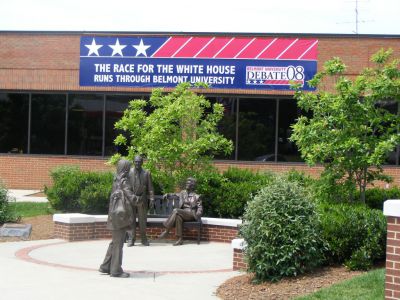
Belmont University, situated in Tennessee, holds the distinction of being the largest Christian university in the state and ranks as the second-largest private university, trailing closely behind Vanderbilt University. Belmont University provides a wide range of undergraduate programs in over 90 academic fields across nine different colleges. Additionally, the university offers more than 25 master's and five doctoral programs.
Belmont has also partnered with HCA to establish a health sciences consortium in collaboration with local universities. This initiative aims to address the shortage of nurses and healthcare professionals within the local community. As part of this program, students are given access to shared office facilities and receive guidance and mentorship from faculty members, local entrepreneurs, and legal professionals.
Furthermore, journalism students at Belmont University have had the opportunity to gain practical work experience at prestigious organizations such as The Oprah Winfrey Show, The Daily Show, CBS Evening News, and the British Broadcasting Corporation (BBC).
In June 2006, Belmont unveiled the Gordon E. Inman Center, a state-of-the-art facility with an $18 million investment. This center is now the home of the Gordon E. Inman College of Health Sciences and Nursing. The construction was primarily funded by Nashville businessman Gordon E. Inman and the HCA TriStar Health System. The facility comprises three stories of classroom space equipped with advanced learning labs featuring Sim Man mannequins that simulate responses to nursing students' actions.
Belmont University also boasts the Curb Event Center, a versatile arena with a seating capacity of 5,000. This arena serves multiple purposes, including hosting basketball games, concerts, and noteworthy events.
Belmont has also partnered with HCA to establish a health sciences consortium in collaboration with local universities. This initiative aims to address the shortage of nurses and healthcare professionals within the local community. As part of this program, students are given access to shared office facilities and receive guidance and mentorship from faculty members, local entrepreneurs, and legal professionals.
Furthermore, journalism students at Belmont University have had the opportunity to gain practical work experience at prestigious organizations such as The Oprah Winfrey Show, The Daily Show, CBS Evening News, and the British Broadcasting Corporation (BBC).
In June 2006, Belmont unveiled the Gordon E. Inman Center, a state-of-the-art facility with an $18 million investment. This center is now the home of the Gordon E. Inman College of Health Sciences and Nursing. The construction was primarily funded by Nashville businessman Gordon E. Inman and the HCA TriStar Health System. The facility comprises three stories of classroom space equipped with advanced learning labs featuring Sim Man mannequins that simulate responses to nursing students' actions.
Belmont University also boasts the Curb Event Center, a versatile arena with a seating capacity of 5,000. This arena serves multiple purposes, including hosting basketball games, concerts, and noteworthy events.
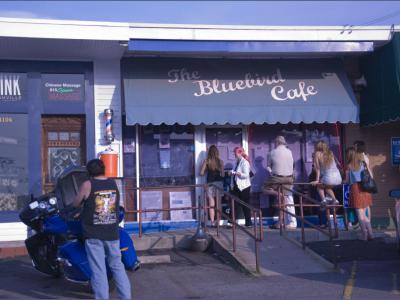
11) The Bluebird Cafe
The Bluebird Café, nestled in the Green Hills neighborhood of Nashville, stands as a testament to the vibrant heart of acoustic music and storytelling. Opened in 1982 by Amy Kurland, this 90-seat music club, initially intended as a gourmet restaurant with occasional live music, soon became a cornerstone of Nashville's music scene.
The club's reputation soared in March 1983 when Kathy Mattea, a future country star, clinched a record deal after performing there for a few months, marking the Bluebird as a hotspot for budding musicians. Its fame further expanded beyond Nashville's borders through the "Live from the Bluebird Café" show on Turner South, which aired for five years until the network's acquisition by Fox.
The Bluebird Café's story and its impact are encapsulated in the "Bluebird Café Scrapbook," published in 2002, offering an intimate look into the club's history, events, and the people who made it iconic. That same year, it was honored with the Academy of Country Music Award for Night Club of the Year, underlining its significant role in the country music industry.
A pivotal moment in the café's history was the discovery of Taylor Swift at the age of 14 by music executive Scott Borchetta, showcasing the Bluebird's role in launching illustrious careers.
In a recent development, September 2023 saw the announcement of a musical inspired by the café, titled "Bluebird," set to be developed by Wayne Kirkpatrick and Don Chaffer. This new venture is a testament to the ongoing influence and inspiration the Bluebird Café provides to the world of music and beyond.
The club's reputation soared in March 1983 when Kathy Mattea, a future country star, clinched a record deal after performing there for a few months, marking the Bluebird as a hotspot for budding musicians. Its fame further expanded beyond Nashville's borders through the "Live from the Bluebird Café" show on Turner South, which aired for five years until the network's acquisition by Fox.
The Bluebird Café's story and its impact are encapsulated in the "Bluebird Café Scrapbook," published in 2002, offering an intimate look into the club's history, events, and the people who made it iconic. That same year, it was honored with the Academy of Country Music Award for Night Club of the Year, underlining its significant role in the country music industry.
A pivotal moment in the café's history was the discovery of Taylor Swift at the age of 14 by music executive Scott Borchetta, showcasing the Bluebird's role in launching illustrious careers.
In a recent development, September 2023 saw the announcement of a musical inspired by the café, titled "Bluebird," set to be developed by Wayne Kirkpatrick and Don Chaffer. This new venture is a testament to the ongoing influence and inspiration the Bluebird Café provides to the world of music and beyond.
