Custom Walk in Hiroshima, Japan by rodrigo_gunther_rojas_5dc52 created on 2024-08-01
Guide Location: Japan » Hiroshima
Guide Type: Custom Walk
# of Sights: 8
Tour Duration: 2 Hour(s)
Travel Distance: 3.3 Km or 2.1 Miles
Share Key: 49SUP
Guide Type: Custom Walk
# of Sights: 8
Tour Duration: 2 Hour(s)
Travel Distance: 3.3 Km or 2.1 Miles
Share Key: 49SUP
How It Works
Please retrieve this walk in the GPSmyCity app. Once done, the app will guide you from one tour stop to the next as if you had a personal tour guide. If you created the walk on this website or come to the page via a link, please follow the instructions below to retrieve the walk in the app.
Retrieve This Walk in App
Step 1. Download the app "GPSmyCity: Walks in 1K+ Cities" on Apple App Store or Google Play Store.



Step 2. In the GPSmyCity app, download(or launch) the guide "Hiroshima Map and Walking Tours".
Step 3. Tap the menu button located at upper right corner of the "Walks" screen and select "Retrieve custom walk". Enter the share key: 49SUP
1) Atomic Bomb Dome (must see)
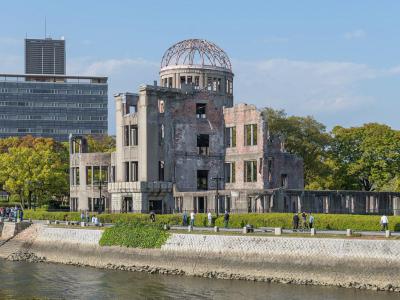
The Atomic Bomb Dome, also known as the Hiroshima Peace Memorial, stands as a poignant symbol of remembrance and peace in Hiroshima, Japan. Located within the Hiroshima Peace Memorial Park, this iconic structure was designated a UNESCO World Heritage Site in 1996. The building serves as a solemn memorial to the thousands of lives lost in the devastating atomic bombing of Hiroshima during World War II.
On August 6, 1945, at 8:15 am, the first nuclear bomb used in warfare detonated almost directly above the Atomic Bomb Dome. Originally, the "T"-shaped Aioi Bridge was the intended target, but the bomb missed slightly, and the dome became the center of the blast. Remarkably, the actual center of the explosion was 490 feet (150 meters) away and 1,968 feet (600 meters) above the ground. Despite being located at the epicenter of the blast, the dome's skeletal remains withstood the destructive force, making it an enduring symbol of resilience and hope amid tragedy.
In the aftermath of the bombing, as Hiroshima began to rebuild, the fate of the Atomic Bomb Dome became a matter of controversy. Some locals wanted it torn down, considering it a painful reminder of the past. However, others passionately advocated for its preservation as a somber testament to the horrors of nuclear warfare and a plea for peace.
In 1966, after much debate, Hiroshima City made the decision to preserve the A-bomb Dome indefinitely. The initiative to conserve the structure was supported by both local and international efforts, seeking funds to ensure its preservation. To date, the Atomic Bomb Dome has undergone two preservation projects to maintain its historical integrity and ensure its lasting legacy.
On August 6, 1945, at 8:15 am, the first nuclear bomb used in warfare detonated almost directly above the Atomic Bomb Dome. Originally, the "T"-shaped Aioi Bridge was the intended target, but the bomb missed slightly, and the dome became the center of the blast. Remarkably, the actual center of the explosion was 490 feet (150 meters) away and 1,968 feet (600 meters) above the ground. Despite being located at the epicenter of the blast, the dome's skeletal remains withstood the destructive force, making it an enduring symbol of resilience and hope amid tragedy.
In the aftermath of the bombing, as Hiroshima began to rebuild, the fate of the Atomic Bomb Dome became a matter of controversy. Some locals wanted it torn down, considering it a painful reminder of the past. However, others passionately advocated for its preservation as a somber testament to the horrors of nuclear warfare and a plea for peace.
In 1966, after much debate, Hiroshima City made the decision to preserve the A-bomb Dome indefinitely. The initiative to conserve the structure was supported by both local and international efforts, seeking funds to ensure its preservation. To date, the Atomic Bomb Dome has undergone two preservation projects to maintain its historical integrity and ensure its lasting legacy.
2) Hiroshima Peace Memorial Park (must see)
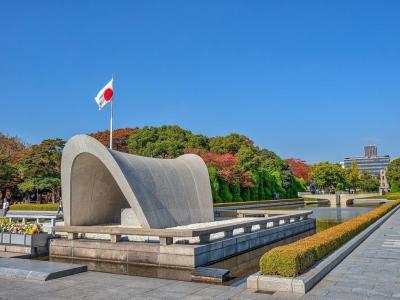
Hiroshima Peace Memorial Park stands as a profound testament to the enduring legacy of Hiroshima, as the first city in the world to suffer the devastating impact of a nuclear attack during World War II. The park is a dedicated space that pays homage to the memories of the direct and indirect victims of the atomic bomb, which claimed the lives of as many as 140,000 people. Located in what was once the bustling downtown commercial and residential district of the city, the park was built on the open field that was created by the destructive explosion.
Today, Hiroshima Peace Memorial Park encompasses a range of memorials, monuments, museums, and lecture halls, attracting over a million visitors annually from all corners of the globe. The park serves as a poignant reminder of the atrocities of nuclear warfare and the devastating consequences it can unleash upon humanity.
More than just a place of mourning, Hiroshima Peace Memorial Park serves a broader purpose: to serve as a potent symbol for peace advocacy worldwide. Visitors to the park are invited to contemplate the immense suffering and loss caused by the atomic bomb, and to reflect on the value of life and the importance of cherishing peace. The park's museums and exhibitions provide in-depth insights into the events surrounding the atomic bombing, leaving visitors with a profound sense of responsibility to work towards a world where such devastation is never repeated.
Today, Hiroshima Peace Memorial Park encompasses a range of memorials, monuments, museums, and lecture halls, attracting over a million visitors annually from all corners of the globe. The park serves as a poignant reminder of the atrocities of nuclear warfare and the devastating consequences it can unleash upon humanity.
More than just a place of mourning, Hiroshima Peace Memorial Park serves a broader purpose: to serve as a potent symbol for peace advocacy worldwide. Visitors to the park are invited to contemplate the immense suffering and loss caused by the atomic bomb, and to reflect on the value of life and the importance of cherishing peace. The park's museums and exhibitions provide in-depth insights into the events surrounding the atomic bombing, leaving visitors with a profound sense of responsibility to work towards a world where such devastation is never repeated.
3) Memorial Cenotaph (must see)
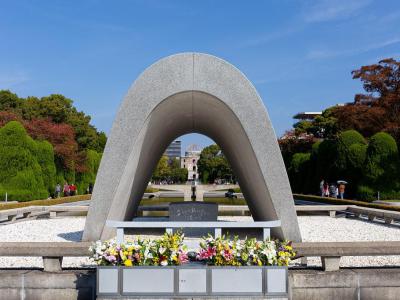
The Memorial Cenotaph stands at the heart of the Hiroshima Peace Memorial Park, a powerful symbol of remembrance and a resolute commitment to a world free from the horrors of war. This concrete, saddle-shaped monument bears the weight of history, displaying the names of all those who tragically lost their lives to the devastating atomic bomb.
The epitaph etched onto the cenotaph solemnly reads, "Rest in Peace, for the error shall not be repeated." These words serve as a haunting reminder of the consequences of nuclear warfare and the profound loss experienced by the people of Hiroshima.
As one gazes through the center of the monument, an ethereal sight unfolds. The Peace Flame and the iconic A-Bomb Dome stand in the background, forming a poignant tableau of hope amidst the ruins of destruction. The Peace Flame, eternally burning, represents the city's unyielding desire for lasting peace, while the skeletal remains of the A-Bomb Dome bear witness to the tragic events of the past, serving as a powerful testament to the need for a world free from nuclear weapons.
The arch shape of the cenotaph carries a deeper significance. It symbolizes a shelter, a sanctuary for the souls of the victims, comforting them in their eternal rest and reminding the living of their solemn duty to ensure that such horrors are never repeated.
Every year on August 6th, a day known as "A-bomb Day," the City of Hiroshima holds the Hiroshima Peace Memorial Ceremony. This solemn event serves to console the victims of the atomic bombs and to pray for a world where peace prevails. Citizens, as well as the families of the deceased, come together to participate in this poignant ceremony.
At 8:15 am, the precise moment when the atomic bomb exploded over Hiroshima, one minute of silence is observed. The city stands still, as the present honors the past, remembering those whose lives were forever altered by the devastation of war.
The Memorial Cenotaph in Hiroshima stands as a testament to the resilience of the human spirit and the unyielding pursuit of peace. It serves as a place of reflection, healing, and unity for people from all walks of life, transcending borders and cultures.
The epitaph etched onto the cenotaph solemnly reads, "Rest in Peace, for the error shall not be repeated." These words serve as a haunting reminder of the consequences of nuclear warfare and the profound loss experienced by the people of Hiroshima.
As one gazes through the center of the monument, an ethereal sight unfolds. The Peace Flame and the iconic A-Bomb Dome stand in the background, forming a poignant tableau of hope amidst the ruins of destruction. The Peace Flame, eternally burning, represents the city's unyielding desire for lasting peace, while the skeletal remains of the A-Bomb Dome bear witness to the tragic events of the past, serving as a powerful testament to the need for a world free from nuclear weapons.
The arch shape of the cenotaph carries a deeper significance. It symbolizes a shelter, a sanctuary for the souls of the victims, comforting them in their eternal rest and reminding the living of their solemn duty to ensure that such horrors are never repeated.
Every year on August 6th, a day known as "A-bomb Day," the City of Hiroshima holds the Hiroshima Peace Memorial Ceremony. This solemn event serves to console the victims of the atomic bombs and to pray for a world where peace prevails. Citizens, as well as the families of the deceased, come together to participate in this poignant ceremony.
At 8:15 am, the precise moment when the atomic bomb exploded over Hiroshima, one minute of silence is observed. The city stands still, as the present honors the past, remembering those whose lives were forever altered by the devastation of war.
The Memorial Cenotaph in Hiroshima stands as a testament to the resilience of the human spirit and the unyielding pursuit of peace. It serves as a place of reflection, healing, and unity for people from all walks of life, transcending borders and cultures.
4) Hondori Shopping Arcade
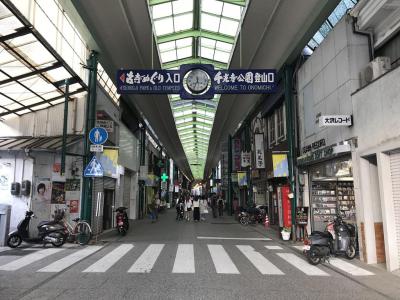
Hondori Shopping Arcade in Hiroshima, Japan, is a vibrant and bustling shopping district located in the heart of the city's downtown area. This pedestrian arcade street, known as a "shotengai," offers an exciting shopping experience with a diverse range of stores and entertainment options.
For avid shoppers, Hondori Street is a paradise, boasting an array of shops that cater to various tastes and interests. From fashionable clothing stores and trendy boutiques to cafes and restaurants, visitors can find a wide selection of goods and delicacies to satisfy their cravings. Anime enthusiasts can explore specialty shops dedicated to their favorite characters and series, while gaming enthusiasts can enjoy the excitement of arcades. Purikura parlors offer the chance to take fun and customizable photo stickers, adding a touch of Japanese pop culture to the experience.
The street comes alive with karaoke bars, where visitors can showcase their singing talents and enjoy a lively atmosphere. With so much to explore and discover, Hondori Street is a popular choice for both locals and tourists looking to indulge in a day of shopping and entertainment.
The covered walkway of the arcade provides a pleasant and convenient shopping environment, protecting shoppers from the elements. Whether it's rain or shine, visitors can leisurely explore the shops and take their time finding the perfect souvenirs and treasures to bring back home.
For avid shoppers, Hondori Street is a paradise, boasting an array of shops that cater to various tastes and interests. From fashionable clothing stores and trendy boutiques to cafes and restaurants, visitors can find a wide selection of goods and delicacies to satisfy their cravings. Anime enthusiasts can explore specialty shops dedicated to their favorite characters and series, while gaming enthusiasts can enjoy the excitement of arcades. Purikura parlors offer the chance to take fun and customizable photo stickers, adding a touch of Japanese pop culture to the experience.
The street comes alive with karaoke bars, where visitors can showcase their singing talents and enjoy a lively atmosphere. With so much to explore and discover, Hondori Street is a popular choice for both locals and tourists looking to indulge in a day of shopping and entertainment.
The covered walkway of the arcade provides a pleasant and convenient shopping environment, protecting shoppers from the elements. Whether it's rain or shine, visitors can leisurely explore the shops and take their time finding the perfect souvenirs and treasures to bring back home.
5) Okonomi-mura
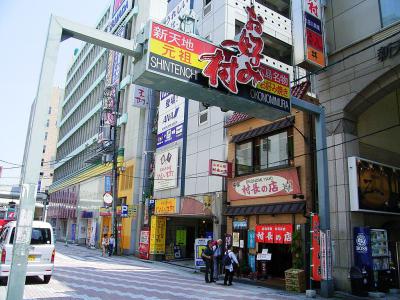
Okonomi-mura translates to "Okonomiyaki Village," is a renowned Hiroshima-style okonomiyaki food theme park. Situated near the eastern end of Hondōri, this culinary destination boasts over 25 okonomiyaki restaurants, each offering a unique style and combination of ingredients.
Following the devastating atomic bombing of Hiroshima in August 1945, the city's residents faced immense challenges in finding food. However, a local dish called issen yōshoku, a thin pancake topped with green onions, bonito flakes, or shrimp, had gained popularity before the war. This simple and affordable meal became a lifeline for the surviving population. Over time, the shops in the Shintenchi area began experimenting with different ingredients and cooking styles, evolving the dish into what is now known as okonomiyaki, meaning "cooked how you like it."
The Okonomi-mura building was eventually constructed in this area, becoming a hub for Hiroshima-style okonomiyaki. The building houses more than 25 okonomiyaki restaurants, spread across four floors. Each restaurant offers its own twist on the dish, with variations in ingredients, toppings, and cooking techniques, ensuring a diverse and exciting culinary experience for visitors.
Okonomi-mura's popularity extends beyond its culinary offerings. According to an April 2004 poll conducted by the Nihon Keizai Shimbun, it was ranked as the top food theme park destination for families in Japan. This recognition highlights the appeal and family-friendly atmosphere of the park, making it an ideal place for visitors of all ages to indulge in delicious okonomiyaki while enjoying a vibrant and lively environment.
Following the devastating atomic bombing of Hiroshima in August 1945, the city's residents faced immense challenges in finding food. However, a local dish called issen yōshoku, a thin pancake topped with green onions, bonito flakes, or shrimp, had gained popularity before the war. This simple and affordable meal became a lifeline for the surviving population. Over time, the shops in the Shintenchi area began experimenting with different ingredients and cooking styles, evolving the dish into what is now known as okonomiyaki, meaning "cooked how you like it."
The Okonomi-mura building was eventually constructed in this area, becoming a hub for Hiroshima-style okonomiyaki. The building houses more than 25 okonomiyaki restaurants, spread across four floors. Each restaurant offers its own twist on the dish, with variations in ingredients, toppings, and cooking techniques, ensuring a diverse and exciting culinary experience for visitors.
Okonomi-mura's popularity extends beyond its culinary offerings. According to an April 2004 poll conducted by the Nihon Keizai Shimbun, it was ranked as the top food theme park destination for families in Japan. This recognition highlights the appeal and family-friendly atmosphere of the park, making it an ideal place for visitors of all ages to indulge in delicious okonomiyaki while enjoying a vibrant and lively environment.
6) Gokoku Shrine
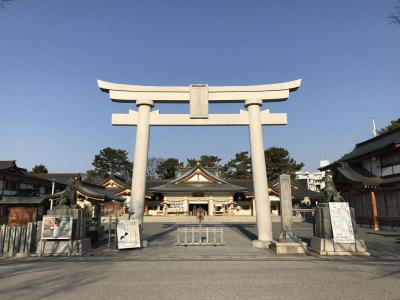
Gokoku Shrine is a place of deep historical and cultural significance. Its origins can be traced back to the early days of the Meiji period, as it was originally established in 1868 in Futabanosato Hiroshima. The shrine was built to honor and mourn the victims of the Boshin War, a pivotal conflict that marked the end of the samurai era and the beginning of Japan's modernization.
In 1934, the shrine underwent a significant change as it was dismantled and relocated to its current location, where the Hiroshima Municipal Stadium now stands. This move was followed by a renaming, and the shrine became known as the Hiroshima Gokoku Shrine in 1939. Its name "Gokoku" signifies its role as a protector of the nation and its people.
Tragically, the Hiroshima Gokoku Shrine fell victim to the horrors of the atomic bombing in 1945. The devastating impact of the bombing destroyed the shrine and left behind a landscape of destruction and sorrow.
Despite the immense challenges faced by the city in the aftermath of the bombing, the citizens of Hiroshima remained determined to rebuild and preserve their cultural heritage. With the aid of generous donations from the local community, the Hiroshima Gokoku Shrine was reconstructed within the grounds of Hiroshima Castle in 1965. This momentous effort not only restored the shrine to its former glory but also served as a symbol of hope and resilience for the city and its people.
Today, the Hiroshima Gokoku Shrine stands as a cherished place of worship and reflection. It holds a special place in the hearts of the residents, making it one of the most popular sites for celebrating important traditional ceremonies such as Hatsumode, the first shrine visit of the New Year, and Shichi-Go-San, a celebration of children's growth and well-being.
In 1934, the shrine underwent a significant change as it was dismantled and relocated to its current location, where the Hiroshima Municipal Stadium now stands. This move was followed by a renaming, and the shrine became known as the Hiroshima Gokoku Shrine in 1939. Its name "Gokoku" signifies its role as a protector of the nation and its people.
Tragically, the Hiroshima Gokoku Shrine fell victim to the horrors of the atomic bombing in 1945. The devastating impact of the bombing destroyed the shrine and left behind a landscape of destruction and sorrow.
Despite the immense challenges faced by the city in the aftermath of the bombing, the citizens of Hiroshima remained determined to rebuild and preserve their cultural heritage. With the aid of generous donations from the local community, the Hiroshima Gokoku Shrine was reconstructed within the grounds of Hiroshima Castle in 1965. This momentous effort not only restored the shrine to its former glory but also served as a symbol of hope and resilience for the city and its people.
Today, the Hiroshima Gokoku Shrine stands as a cherished place of worship and reflection. It holds a special place in the hearts of the residents, making it one of the most popular sites for celebrating important traditional ceremonies such as Hatsumode, the first shrine visit of the New Year, and Shichi-Go-San, a celebration of children's growth and well-being.
7) Hiroshima Castle Park
Hiroshima Castle Park, also known as Carp Castle Park, is a picturesque and historically significant green space situated in the heart of Hiroshima. The park's history is deeply intertwined with that of Hiroshima Castle, which originally stood here.
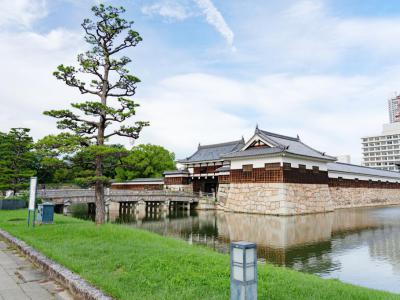
One of the distinctive features of Hiroshima Castle Park is the wide ditch that surrounds the castle complex, forming a natural barrier. This water-filled moat not only enhances the aesthetic appeal of the park but also serves as a subtle reminder of the historical significance of the castle's defense system. Visitors can enjoy leisurely strolls along the edges of the moat or rest on nearby benches, basking in the serenity of the surroundings.
Today, Hiroshima Castle Park stands as a harmonious blend of historical and contemporary elements. The lush greenery, meticulously maintained gardens, and traditional architecture of the castle provide a captivating juxtaposition against the modern cityscape that has grown around it.
Within the park's boundaries, visitors can explore various attractions and cultural sites. The reconstructed Hiroshima Castle stands as the park's centerpiece, offering insights into the city's past and serving as a museum that narrates the history of Hiroshima prior to World War II.
Moreover, the park provides an ideal setting for local events, cultural festivals, and recreational activities, further integrating itself into the fabric of the community.
One of the distinctive features of Hiroshima Castle Park is the wide ditch that surrounds the castle complex, forming a natural barrier. This water-filled moat not only enhances the aesthetic appeal of the park but also serves as a subtle reminder of the historical significance of the castle's defense system. Visitors can enjoy leisurely strolls along the edges of the moat or rest on nearby benches, basking in the serenity of the surroundings.
Today, Hiroshima Castle Park stands as a harmonious blend of historical and contemporary elements. The lush greenery, meticulously maintained gardens, and traditional architecture of the castle provide a captivating juxtaposition against the modern cityscape that has grown around it.
Within the park's boundaries, visitors can explore various attractions and cultural sites. The reconstructed Hiroshima Castle stands as the park's centerpiece, offering insights into the city's past and serving as a museum that narrates the history of Hiroshima prior to World War II.
Moreover, the park provides an ideal setting for local events, cultural festivals, and recreational activities, further integrating itself into the fabric of the community.
8) Hiroshima "Carp" Castle (must see)
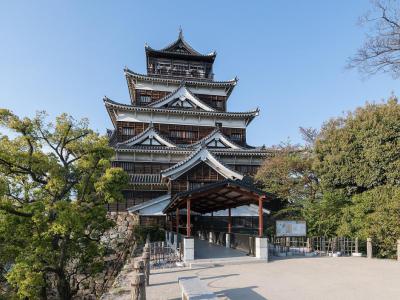
Hiroshima "Carp" Castle is a historical landmark with a captivating and tragic history. Originally constructed in the 1590s, the castle stood tall as a symbol of power and authority in the region. Its architectural style exemplified a hirajiro, or flatlands, castle, a characteristic design that adapted well to the surrounding plains.
Throughout its existence, Hiroshima Castle played a crucial role in the region's history. It boasted three concentric moats, fortifying the castle's defenses and adding an aura of grandeur to its appearance. To the west, the Otagawa River, now known as the Hongawa, provided a natural barrier that further enhanced the castle's security.
However, the castle's fate would change dramatically on August 6, 1945, during World War II. Tragically, Hiroshima was subjected to one of the most devastating events in human history - the atomic bombing by the United States. The castle, a prominent symbol of the city, was obliterated, leaving behind only ruins and sorrow.
In the aftermath of the destruction, a determined effort was made to rebuild Hiroshima and restore its heritage. A replica of the original Hiroshima Castle was constructed in 1958 as a testament to the city's resilience and a tribute to its past. Although it couldn't fully replace the historical significance of the original, the reconstruction served as a powerful reminder of the city's history prior to the catastrophic event.
Today, the rebuilt Hiroshima Castle serves as a museum, chronicling the history of Hiroshima before the devastation of World War II. Inside its walls, visitors can immerse themselves in the rich cultural heritage of the region, understanding the historical context that shaped Hiroshima's identity.
Throughout its existence, Hiroshima Castle played a crucial role in the region's history. It boasted three concentric moats, fortifying the castle's defenses and adding an aura of grandeur to its appearance. To the west, the Otagawa River, now known as the Hongawa, provided a natural barrier that further enhanced the castle's security.
However, the castle's fate would change dramatically on August 6, 1945, during World War II. Tragically, Hiroshima was subjected to one of the most devastating events in human history - the atomic bombing by the United States. The castle, a prominent symbol of the city, was obliterated, leaving behind only ruins and sorrow.
In the aftermath of the destruction, a determined effort was made to rebuild Hiroshima and restore its heritage. A replica of the original Hiroshima Castle was constructed in 1958 as a testament to the city's resilience and a tribute to its past. Although it couldn't fully replace the historical significance of the original, the reconstruction served as a powerful reminder of the city's history prior to the catastrophic event.
Today, the rebuilt Hiroshima Castle serves as a museum, chronicling the history of Hiroshima before the devastation of World War II. Inside its walls, visitors can immerse themselves in the rich cultural heritage of the region, understanding the historical context that shaped Hiroshima's identity.
