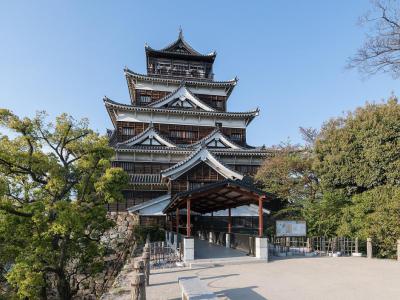


Hiroshima "Carp" Castle, Hiroshima (must see)
Hiroshima Castle, commonly known as "Carp Castle," was constructed beginning in 1589 under the direction of Mōri Terumoto, a powerful feudal lord who chose the delta of the Ōta River as the center of his new domain. Completed toward the end of the 16th century, the castle became the political and administrative center of the settlement that developed into modern Hiroshima.
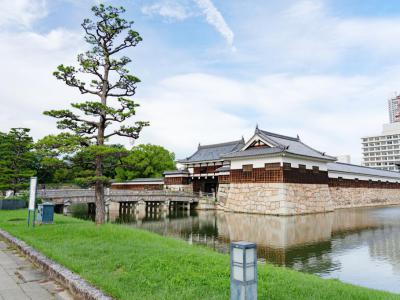
Hiroshima Castle is an example of a hirajiro, or flatland castle, built on level ground rather than on a hill or mountaintop. Its defensive system originally included three concentric moats, stone walls, gates, towers, and several fortified enclosures. The Ōta River, including the branch now known as the Honkawa River, also formed part of the surrounding natural defenses. Much of the outer castle complex disappeared during the modernization of Hiroshima in the late 19th and early 20th centuries, when two of the three moats were filled in.
After the Battle of Sekigahara in 1600, Mōri Terumoto lost control of the castle, which subsequently passed to Fukushima Masanori. From 1619 until the end of the feudal era, Hiroshima Castle was governed by successive generations of the Asano family, the lords of the Hiroshima Domain. During the Meiji period, the grounds were converted into a military complex, and the Imperial General Headquarters was established there during the First Sino-Japanese War of 1894–1895.
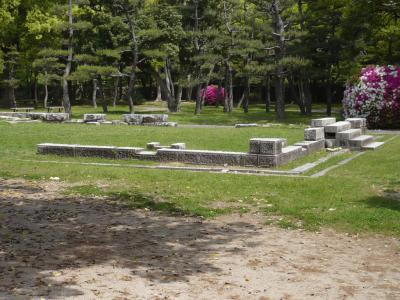
On August 6, 1945, the atomic bomb exploded approximately 980 meters from Hiroshima Castle. The original wooden keep and the remaining historic buildings were destroyed, although some stone walls, foundations, trees, and other traces of the former complex survived. A reinforced-concrete reconstruction of the main keep was completed in 1958. Its exterior reproduced the general appearance of the lost tower, while the interior was adapted to house a museum devoted to Hiroshima’s development as a castle town, its feudal lords, samurai culture, and everyday life during the Edo period.
Hiroshima Castle is an example of a hirajiro, or flatland castle, built on level ground rather than on a hill or mountaintop. Its defensive system originally included three concentric moats, stone walls, gates, towers, and several fortified enclosures. The Ōta River, including the branch now known as the Honkawa River, also formed part of the surrounding natural defenses. Much of the outer castle complex disappeared during the modernization of Hiroshima in the late 19th and early 20th centuries, when two of the three moats were filled in.
After the Battle of Sekigahara in 1600, Mōri Terumoto lost control of the castle, which subsequently passed to Fukushima Masanori. From 1619 until the end of the feudal era, Hiroshima Castle was governed by successive generations of the Asano family, the lords of the Hiroshima Domain. During the Meiji period, the grounds were converted into a military complex, and the Imperial General Headquarters was established there during the First Sino-Japanese War of 1894–1895.
On August 6, 1945, the atomic bomb exploded approximately 980 meters from Hiroshima Castle. The original wooden keep and the remaining historic buildings were destroyed, although some stone walls, foundations, trees, and other traces of the former complex survived. A reinforced-concrete reconstruction of the main keep was completed in 1958. Its exterior reproduced the general appearance of the lost tower, while the interior was adapted to house a museum devoted to Hiroshima’s development as a castle town, its feudal lords, samurai culture, and everyday life during the Edo period.
Want to visit this sight? Check out these Self-Guided Walking Tours in Hiroshima. Alternatively, you can download the mobile app "GPSmyCity: Walks in 1K+ Cities" from Apple App Store or Google Play Store. The app turns your mobile device to a personal tour guide and it works offline, so no data plan is needed when traveling abroad.
Download The GPSmyCity App



Hiroshima "Carp" Castle on Map
Sight Name: Hiroshima "Carp" Castle
Sight Location: Hiroshima, Japan (See walking tours in Hiroshima)
Sight Type: Attraction/Landmark
Guide(s) Containing This Sight:
Sight Location: Hiroshima, Japan (See walking tours in Hiroshima)
Sight Type: Attraction/Landmark
Guide(s) Containing This Sight:
Nearby Sights
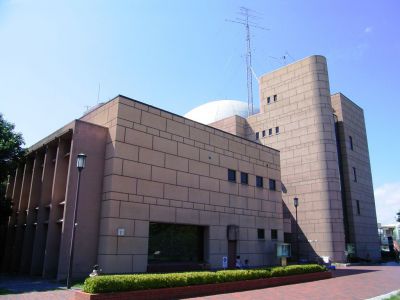
Walking Tours in Hiroshima, Japan

Create Your Own Walk in Hiroshima
Creating your own self-guided walk in Hiroshima is easy and fun. Choose the city attractions that you want to see and a walk route map will be created just for you. You can even set your hotel as the start point of the walk.
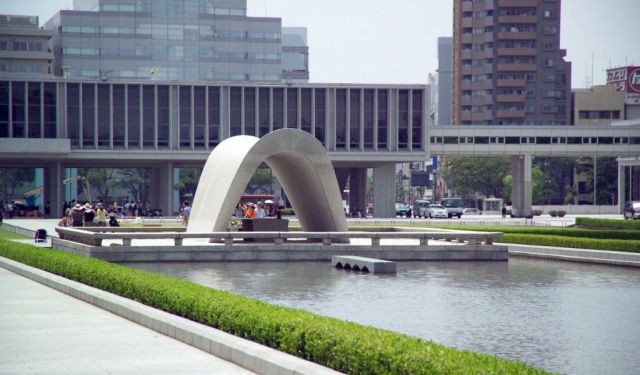
Hiroshima Peace Memorial Tour
Hiroshima Peace Memorial Park stands as a solemn testament to one of the darkest chapters in human history. It is a haunting reminder of the catastrophic consequences of nuclear warfare during the Second World War. Its grounds, marked by deeply moving memorials, bear witness to the immense suffering and loss caused by the atomic bombing of Hiroshima on August 6, 1945.
Among the most significant... view more
Tour Duration: 1 Hour(s)
Travel Distance: 1.2 Km or 0.7 Miles
Among the most significant... view more
Tour Duration: 1 Hour(s)
Travel Distance: 1.2 Km or 0.7 Miles
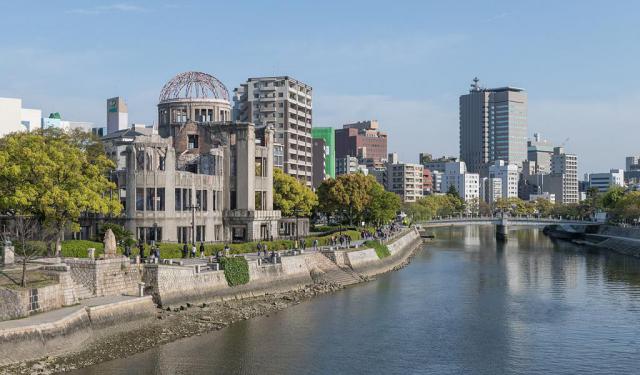
A Walk Through Hiroshima Downtown
Hiroshima is a major city in southwestern Japan, situated on the broad delta formed by the Ōta River. Its name combines the kanji hiro, meaning “wide” or “broad,” and shima, meaning “island.”
Hiroshima's history began in 1589, when the powerful feudal lord Mōri Terumoto established it as a castle town. At its center rose Hiroshima Castle, whose elegant reconstruction now... view more
Tour Duration: 2 Hour(s)
Travel Distance: 3.8 Km or 2.4 Miles
Hiroshima's history began in 1589, when the powerful feudal lord Mōri Terumoto established it as a castle town. At its center rose Hiroshima Castle, whose elegant reconstruction now... view more
Tour Duration: 2 Hour(s)
Travel Distance: 3.8 Km or 2.4 Miles