

Atomic Bomb Dome, Hiroshima (must see)
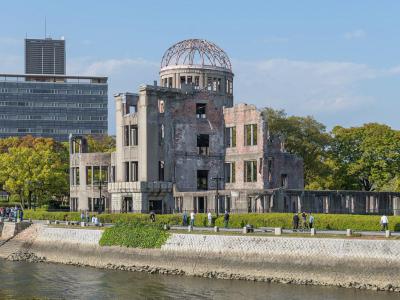
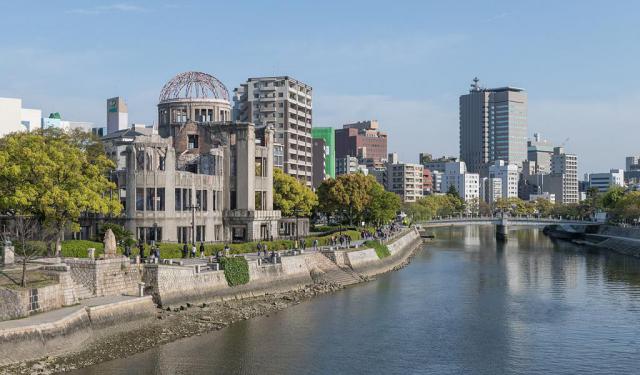
The Atomic Bomb Dome, officially known as the Hiroshima Peace Memorial, is one of Hiroshima’s most powerful symbols of remembrance and peace. The ruined structure serves as a solemn reminder of the immense human suffering caused by the atomic bombing and expresses the hope that nuclear weapons will ultimately be eliminated.
The building was originally completed in 1915 as the Hiroshima Prefectural Commercial Exhibition Hall. Designed by Czech architect Jan Letzel, it was later renamed the Hiroshima Prefectural Industrial Promotion Hall and was used to promote local products and host exhibitions and public events.
At 8:15 am, the first atomic bomb used in warfare exploded over Hiroshima. The distinctive T-shaped Aioi Bridge had been selected as the aiming point because it was easily recognizable from the air, but the bomb drifted slightly from its intended target. It detonated approximately 600 meters above the city, with the hypo-center about 160 meters southeast of the Industrial Promotion Hall.
Because the blast occurred almost directly above the building, much of the downward force passed through it rather than striking it from the side. Although the interior was destroyed by fire and everyone inside was killed, portions of the brick walls, steel framework, and central dome remained standing. The haunting skeletal structure became one of the few recognizable buildings left near the hypo center. It should therefore not be described as having survived intact, but rather as a severely damaged ruin whose surviving framework endured the explosion.
As Hiroshima was rebuilt, the future of the ruin became the subject of considerable debate. Some residents regarded it as an unbearably painful reminder of the bombing and believed that it should be demolished. Others argued that it must be preserved as physical evidence of the destruction and as a warning to future generations about the horrors of nuclear warfare.
On July 11, 1966, the Hiroshima City Council unanimously adopted a resolution to preserve the Atomic Bomb Dome permanently. Further conservation work has been undertaken as the structure has aged. Today, the Atomic Bomb Dome remains a silent witness to the events of August 6, 1945.
The building was originally completed in 1915 as the Hiroshima Prefectural Commercial Exhibition Hall. Designed by Czech architect Jan Letzel, it was later renamed the Hiroshima Prefectural Industrial Promotion Hall and was used to promote local products and host exhibitions and public events.
At 8:15 am, the first atomic bomb used in warfare exploded over Hiroshima. The distinctive T-shaped Aioi Bridge had been selected as the aiming point because it was easily recognizable from the air, but the bomb drifted slightly from its intended target. It detonated approximately 600 meters above the city, with the hypo-center about 160 meters southeast of the Industrial Promotion Hall.
Because the blast occurred almost directly above the building, much of the downward force passed through it rather than striking it from the side. Although the interior was destroyed by fire and everyone inside was killed, portions of the brick walls, steel framework, and central dome remained standing. The haunting skeletal structure became one of the few recognizable buildings left near the hypo center. It should therefore not be described as having survived intact, but rather as a severely damaged ruin whose surviving framework endured the explosion.
As Hiroshima was rebuilt, the future of the ruin became the subject of considerable debate. Some residents regarded it as an unbearably painful reminder of the bombing and believed that it should be demolished. Others argued that it must be preserved as physical evidence of the destruction and as a warning to future generations about the horrors of nuclear warfare.
On July 11, 1966, the Hiroshima City Council unanimously adopted a resolution to preserve the Atomic Bomb Dome permanently. Further conservation work has been undertaken as the structure has aged. Today, the Atomic Bomb Dome remains a silent witness to the events of August 6, 1945.
Want to visit this sight? Check out these Self-Guided Walking Tours in Hiroshima. Alternatively, you can download the mobile app "GPSmyCity: Walks in 1K+ Cities" from Apple App Store or Google Play Store. The app turns your mobile device to a personal tour guide and it works offline, so no data plan is needed when traveling abroad.
Download The GPSmyCity App



Atomic Bomb Dome on Map
Sight Name: Atomic Bomb Dome
Sight Location: Hiroshima, Japan (See walking tours in Hiroshima)
Sight Type: Attraction/Landmark
Guide(s) Containing This Sight:
Sight Location: Hiroshima, Japan (See walking tours in Hiroshima)
Sight Type: Attraction/Landmark
Guide(s) Containing This Sight:
Nearby Sights
Walking Tours in Hiroshima, Japan

Create Your Own Walk in Hiroshima
Creating your own self-guided walk in Hiroshima is easy and fun. Choose the city attractions that you want to see and a walk route map will be created just for you. You can even set your hotel as the start point of the walk.
Hiroshima Peace Memorial Tour
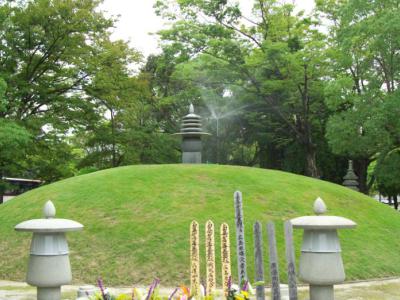
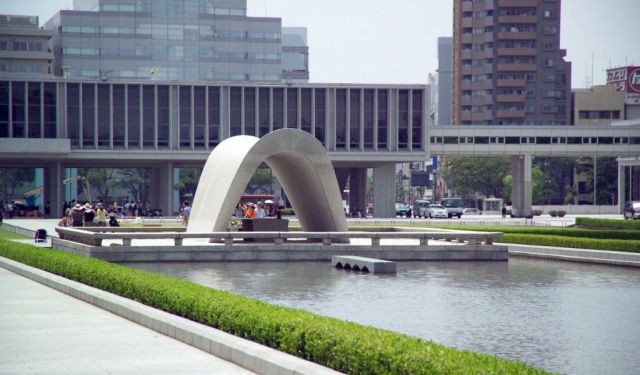
Hiroshima Peace Memorial Park stands as a solemn testament to one of the darkest chapters in human history. It is a haunting reminder of the catastrophic consequences of nuclear warfare during the Second World War. Its grounds, marked by deeply moving memorials, bear witness to the immense suffering and loss caused by the atomic bombing of Hiroshima on August 6, 1945.
Among the most significant... view more
Tour Duration: 1 Hour
Travel Distance: 1.2 Km or 0.7 Miles
Among the most significant... view more
Tour Duration: 1 Hour
Travel Distance: 1.2 Km or 0.7 Miles
A Walk Through Hiroshima Downtown
Hiroshima is a major city in southwestern Japan, situated on the broad delta formed by the Ōta River. Its name combines the kanji hiro, meaning “wide” or “broad,” and shima, meaning “island.”
Hiroshima's history began in 1589, when the powerful feudal lord Mōri Terumoto established it as a castle town. At its center rose Hiroshima Castle, whose elegant reconstruction now... view more
Tour Duration: 2 Hours
Travel Distance: 3.8 Km or 2.4 Miles
Hiroshima's history began in 1589, when the powerful feudal lord Mōri Terumoto established it as a castle town. At its center rose Hiroshima Castle, whose elegant reconstruction now... view more
Tour Duration: 2 Hours
Travel Distance: 3.8 Km or 2.4 Miles
City Walks Overview
