Custom Walk in Kyoto, Japan by kelvintsui_hk_2be29 created on 2025-05-26
Guide Location: Japan » Kyoto
Guide Type: Custom Walk
# of Sights: 10
Tour Duration: 2 Hour(s)
Travel Distance: 2.7 Km or 1.7 Miles
Share Key: 4TEAW
Guide Type: Custom Walk
# of Sights: 10
Tour Duration: 2 Hour(s)
Travel Distance: 2.7 Km or 1.7 Miles
Share Key: 4TEAW
How It Works
Please retrieve this walk in the GPSmyCity app. Once done, the app will guide you from one tour stop to the next as if you had a personal tour guide. If you created the walk on this website or come to the page via a link, please follow the instructions below to retrieve the walk in the app.
Retrieve This Walk in App
Step 1. Download the app "GPSmyCity: Walks in 1K+ Cities" on Apple App Store or Google Play Store.



Step 2. In the GPSmyCity app, download(or launch) the guide "Kyoto Map and Walking Tours".
Step 3. Tap the menu button located at upper right corner of the "Walks" screen and select "Retrieve custom walk". Enter the share key: 4TEAW
1) Kiyomizu-dera Temple (must see)
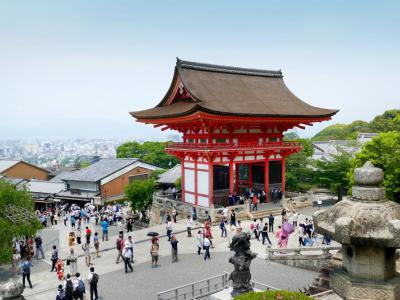
Towering above the treasure-packed sprawl of Southern Higashiyama, Kiyomizu-dera temple is both a place of worship and Kyoto’s dramatic headliner. Equal parts spiritual retreat and bucket-list selfie spot, it offers sweeping views of the city below (if you can peel your eyes away from the throngs of visitors doing the same). And should you be bold enough (or just patient) to visit during cherry blossom season, the nighttime glow of illuminated petals will be your reward for enduring the human traffic jam.
The temple’s story starts with a splash-quite literally. In 778, a monk named Enchin Shonin, nudged by a divine vision, stumbled upon the Otowa Spring. The water was so pure that it gave the temple its name: Kiyomizu, meaning “clear water.” A noble patron, moved by the miracle (or just in the mood for grand gestures), commissioned a hall built not in typical temple fashion but in the style of an aristocrat’s dream home-complete with a swooping shingled roof. At its heart is a rarely-seen 1,000-armed Kannon (a bodhisattva of compassion, widely revered in East Asian Buddhism, especially in Japan), which is unveiled to mere mortals once every 33 years. Blink and you’ll miss it... for another three decades.
Then there’s the famous stage-no nails, just massive wooden pillars holding up a 13-meter (or 43-foot) drop. Originally used for sacred dance performances, it later gained ill fame as a tragic endpoint for desperate folks hoping to leap their way into a better afterlife. Nowadays, you’re more likely to leap into a photo op with Kyoto’s hills in the background.
Wander a bit more and you'll find Jishu Shrine, matchmaking central, and the pagoda where expectant mothers whisper hopes for safe births. And don’t skip the Otowa Spring, of course: its three trickling streams promise health, longevity, or academic success. Just pick one-greedy sipping is frowned upon. After 1,200 years, the lines are still long and the stakes still high. So, choose wisely...
The temple’s story starts with a splash-quite literally. In 778, a monk named Enchin Shonin, nudged by a divine vision, stumbled upon the Otowa Spring. The water was so pure that it gave the temple its name: Kiyomizu, meaning “clear water.” A noble patron, moved by the miracle (or just in the mood for grand gestures), commissioned a hall built not in typical temple fashion but in the style of an aristocrat’s dream home-complete with a swooping shingled roof. At its heart is a rarely-seen 1,000-armed Kannon (a bodhisattva of compassion, widely revered in East Asian Buddhism, especially in Japan), which is unveiled to mere mortals once every 33 years. Blink and you’ll miss it... for another three decades.
Then there’s the famous stage-no nails, just massive wooden pillars holding up a 13-meter (or 43-foot) drop. Originally used for sacred dance performances, it later gained ill fame as a tragic endpoint for desperate folks hoping to leap their way into a better afterlife. Nowadays, you’re more likely to leap into a photo op with Kyoto’s hills in the background.
Wander a bit more and you'll find Jishu Shrine, matchmaking central, and the pagoda where expectant mothers whisper hopes for safe births. And don’t skip the Otowa Spring, of course: its three trickling streams promise health, longevity, or academic success. Just pick one-greedy sipping is frowned upon. After 1,200 years, the lines are still long and the stakes still high. So, choose wisely...
2) Ninen-zaka & Sannen-zakaa Streets (must see)
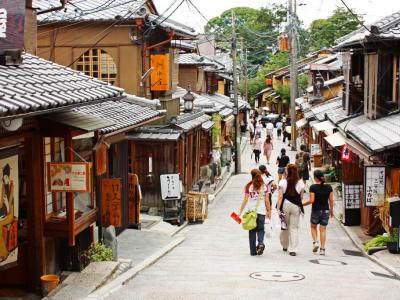
If you ever thought that time-travel on foot is not possible, welcome to Ninen-zaka and Sannen-zaka, Kyoto’s prettiest pair of gently sloping stone-paved streets. Just south of the famous Kiyomizu-dera Temple, these twin time capsules have been charming pilgrims, poets, and now Instagrammers since the Heian period (as far back as the 8th century AD). Their names-translating to “Two-Year Hill” and “Three-Year Hill,” respectively-aren’t just quaint poetry; legend has it that if you trip here, you’ll be cursed with two or three years of bad luck. So watch your step, but do it stylishly...
Lined with wooden machiya townhouses straight out of an Edo-era painting, these streets now brim with modern temptations in historical disguise-such as matcha lattes in teahouses, delicate sweets that look too pretty to eat, and souvenir shops where even the magnets feel refined. Early mornings bring soft golden light and far fewer tourists-ideal for catching that postcard-perfect shot of Yasaka Pagoda or wandering down a lantern-lit alley like a wandering extra in a samurai drama.
No cars, no chaos-just the click-clack of wooden geta sandals on stone and the scent of roasted tea in the air. It’s like Kyoto whispered, “Slow down,” and these hills listened. For a walk that’s part history lesson, part sensory feast, and 100% Kyoto, Ninen-zaka and Sannen-zaka are more than just pathways-they’re an experience with a side of superstition...
Lined with wooden machiya townhouses straight out of an Edo-era painting, these streets now brim with modern temptations in historical disguise-such as matcha lattes in teahouses, delicate sweets that look too pretty to eat, and souvenir shops where even the magnets feel refined. Early mornings bring soft golden light and far fewer tourists-ideal for catching that postcard-perfect shot of Yasaka Pagoda or wandering down a lantern-lit alley like a wandering extra in a samurai drama.
No cars, no chaos-just the click-clack of wooden geta sandals on stone and the scent of roasted tea in the air. It’s like Kyoto whispered, “Slow down,” and these hills listened. For a walk that’s part history lesson, part sensory feast, and 100% Kyoto, Ninen-zaka and Sannen-zaka are more than just pathways-they’re an experience with a side of superstition...
3) Kodai-ji Temple
Kodai-ji Temple-by far not an average run-of-the-mill Zen sanctuary-is indeed more like a glam-packed cultural treasure chest. It was curated by Japan’s most legendary widow-turned-nun, Nene, after her powerful husband, Toyotomi Hideyoshi, shuffled off this mortal coil in 1598. Nene planned her getaway and was fortunate to receive some major patronage from the new shogun. The result was a temple so dripping with style that even the Buddha would raise an eyebrow.
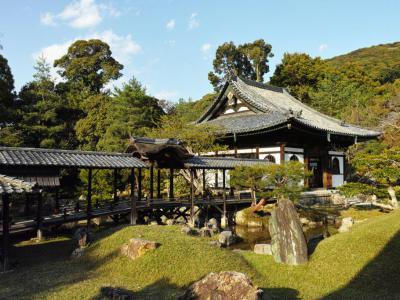
The temple's dry landscape garden that morphs into different designs throughout the year will have you scratching your head like a Zen master pondering a puzzling, moody Zen riddle in motion. But before you set foot in the gardens, brace yourself for an eyeful indoors. Here, you’re greeted not with silence, but with visual poetry. The painted 'fusuma' (those cute sliding screens) appear like scrolls that seem to have forgotten how to stop being dramatic.
Still, the real magic kicks in outdoors. Once you reach the gardens, prepare for a serious sensory overload. The upper and lower ponds are like nature's own Instagram filters, reflecting cherry blossoms or maple leaves in a dance of color and light. As you wander up the garden path, you'll stumble upon a memorial hall for Hideyoshi and Nene, while Hideyoshi's love for tea is on full display with two historical tea houses at the top of the hill. On your way back, don't miss the bamboo grove and the jaw-dropping Ryozen Kannon statue, standing tall as a war memorial since 1955.
Nearby, you'll find Kodai-ji’s quieter sibling, the subtemple of Entoku-in, where Nene spent her golden years. It may be smaller in scale, but it's big on elegance, with narrow corridors and lovely fusuma paintings, and (the cherry on top!) the best seat in town for sipping green tea in front of one of Japan's most dynamic rock gardens. It practically hums with serenity, ready to soothe your soul after a day of temple-hopping.
Indeed, Kodai-ji is an experience in layered nostalgia, zen landscaping, and imperial intrigue. And while you're at it, you can take a stroll around the neighboring street to soak up Kyoto's timeless atmosphere.
Hot tip:
Your ticket includes a tiny museum downhill, so don't miss it! And yes, there are many, many stairs to climb, so be prepared. But then again, you can think of it as your daily workout with a side of enlightenment...
The temple's dry landscape garden that morphs into different designs throughout the year will have you scratching your head like a Zen master pondering a puzzling, moody Zen riddle in motion. But before you set foot in the gardens, brace yourself for an eyeful indoors. Here, you’re greeted not with silence, but with visual poetry. The painted 'fusuma' (those cute sliding screens) appear like scrolls that seem to have forgotten how to stop being dramatic.
Still, the real magic kicks in outdoors. Once you reach the gardens, prepare for a serious sensory overload. The upper and lower ponds are like nature's own Instagram filters, reflecting cherry blossoms or maple leaves in a dance of color and light. As you wander up the garden path, you'll stumble upon a memorial hall for Hideyoshi and Nene, while Hideyoshi's love for tea is on full display with two historical tea houses at the top of the hill. On your way back, don't miss the bamboo grove and the jaw-dropping Ryozen Kannon statue, standing tall as a war memorial since 1955.
Nearby, you'll find Kodai-ji’s quieter sibling, the subtemple of Entoku-in, where Nene spent her golden years. It may be smaller in scale, but it's big on elegance, with narrow corridors and lovely fusuma paintings, and (the cherry on top!) the best seat in town for sipping green tea in front of one of Japan's most dynamic rock gardens. It practically hums with serenity, ready to soothe your soul after a day of temple-hopping.
Indeed, Kodai-ji is an experience in layered nostalgia, zen landscaping, and imperial intrigue. And while you're at it, you can take a stroll around the neighboring street to soak up Kyoto's timeless atmosphere.
Hot tip:
Your ticket includes a tiny museum downhill, so don't miss it! And yes, there are many, many stairs to climb, so be prepared. But then again, you can think of it as your daily workout with a side of enlightenment...
4) Nene-no-Michi Lane
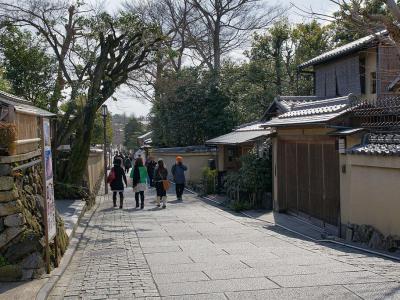
Meandering through the historic wonders of Southern Higashiyama, this scenic flagstone pathway connects key landmarks with the grace of a feudal lord's consort. Named after the refined wife of warlord Toyotomi Hideyoshi, this stone-paved tribute gently links the Ninen-zaka and Sannen-zaka lanes with iconic landmarks such as Kodai-ji Temple and Maruyama-koen Park. A kind of historical “red carpet” minus paparazzi, but with significantly more cherry blossoms...
While the occasional taxi or rogue rickshaw may attempt to navigate through the sea of wandering tourists, this lane is truly a pedestrian paradise primarily reserved for foot traffic. Especially in spring, during cherry blossom season, it offers an idyllic setting for leisurely strolls, when petals swirl through the air like confetti at a samurai wedding. And come evening, the tranquility is all yours to savor, away from the daytime buzz. The crowds thin, the lanterns flicker on, and you’ve got Kyoto at its most cinematic.
Just off the path, slip into Ishibe-koji alley-a postcard come to life, with rustic wooden homes leaning with age, traditional teahouses beckoning with warm light, and cozy ryokan inns whispering promises of tatami dreams-a true embodiment of "wabi-sabi" aesthetic philosophy, Kyoto-style, where imperfection exudes its own unique allure.
Venturing further along, don’t miss Gionkaku Tower near Daiun-in Temple-a curious little structure that looks like someone parked a Gion Festival float on temple grounds and forgot to take it home. Usually closed to the public, this towering structure opens its doors during summer. So, if you’re lucky to catch it open, get in and climb up for sweeping views. Just remember, no photos allowed!-Some secrets are better kept analog.
Pro tip:
As you stroll, be sure to snap a selfie at the signs and lanterns with a “Nene-no-Michi” inscription in Japanese for your Kyoto scrapbook. And don't hesitate to reach out and touch the Buddha statues hiding in plain sight along the way-especially the jolly, round-bellied Hotei. Pat his tummy. For good luck… because how can you possibly not?!
While the occasional taxi or rogue rickshaw may attempt to navigate through the sea of wandering tourists, this lane is truly a pedestrian paradise primarily reserved for foot traffic. Especially in spring, during cherry blossom season, it offers an idyllic setting for leisurely strolls, when petals swirl through the air like confetti at a samurai wedding. And come evening, the tranquility is all yours to savor, away from the daytime buzz. The crowds thin, the lanterns flicker on, and you’ve got Kyoto at its most cinematic.
Just off the path, slip into Ishibe-koji alley-a postcard come to life, with rustic wooden homes leaning with age, traditional teahouses beckoning with warm light, and cozy ryokan inns whispering promises of tatami dreams-a true embodiment of "wabi-sabi" aesthetic philosophy, Kyoto-style, where imperfection exudes its own unique allure.
Venturing further along, don’t miss Gionkaku Tower near Daiun-in Temple-a curious little structure that looks like someone parked a Gion Festival float on temple grounds and forgot to take it home. Usually closed to the public, this towering structure opens its doors during summer. So, if you’re lucky to catch it open, get in and climb up for sweeping views. Just remember, no photos allowed!-Some secrets are better kept analog.
Pro tip:
As you stroll, be sure to snap a selfie at the signs and lanterns with a “Nene-no-Michi” inscription in Japanese for your Kyoto scrapbook. And don't hesitate to reach out and touch the Buddha statues hiding in plain sight along the way-especially the jolly, round-bellied Hotei. Pat his tummy. For good luck… because how can you possibly not?!
5) Yasaka-jinja Shrine
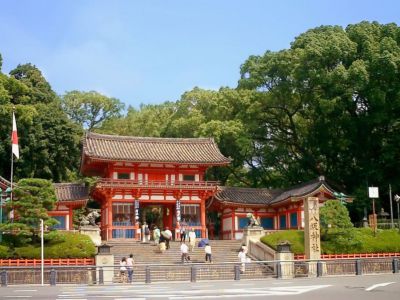
At the eastern edge of Gion's main street looms a towering vermilion gate that practically begs to be photographed. And judging by the steady stream of visitors posing on its steps for countless snapshots, it surely gets its wish.
Passing through, you’re in for a sensory parade: food stalls sizzling away, tempting you with every imaginable treat as they lead you toward the heart of the scene-Yasaka Shrine. A triple row of lanterns, casting a glow, transforms it into a fairy tale come to life.
Each July, Yasaka Shrine takes center stage as the proud host of the renowned Gion Festival, a lively spectacle drawing throngs of revelers with its array of side events and delectable food offerings. At this time, the area bursts to life with floats, fanfare, and enough street snacks to feed a small army of festivalgoers.
The festival's roots trace back to the year 869. Back then, during a particularly rough epidemic, portable shrines were paraded around town in a divine plea for mercy. Centuries since, it has blossomed into an annual event, yet Yasaka Shrine remains a captivating destination year-round, beyond the festival fervor. Still, nowadays, most of the crowds here are for the energy, the lanterns, and yes, the Instagram shots.
Take a moment to admire the Main Hall, elegantly capped with a cypress bark roof that’s been standing strong since 1654. The grounds are dotted with smaller shrines dedicated to gods from across Japan-some famous, some niche, and one especially popular with geishas, thanks to its focus on beauty.
Tip:
Adjacent lies Maruyama Park. Designed during the Meiji era (between 1868 and 1912), its borrowed waters from Lake Biwa feed scenic carp ponds and arching bridges that deliver peak postcard material, imbuing the surroundings with an unmistakably Japanese ambiance. Springtime is wild with cherry blossoms, but for a quieter moment, come at night-when the lantern glow from Yasaka spills into the park like a soft whisper from the past...
Passing through, you’re in for a sensory parade: food stalls sizzling away, tempting you with every imaginable treat as they lead you toward the heart of the scene-Yasaka Shrine. A triple row of lanterns, casting a glow, transforms it into a fairy tale come to life.
Each July, Yasaka Shrine takes center stage as the proud host of the renowned Gion Festival, a lively spectacle drawing throngs of revelers with its array of side events and delectable food offerings. At this time, the area bursts to life with floats, fanfare, and enough street snacks to feed a small army of festivalgoers.
The festival's roots trace back to the year 869. Back then, during a particularly rough epidemic, portable shrines were paraded around town in a divine plea for mercy. Centuries since, it has blossomed into an annual event, yet Yasaka Shrine remains a captivating destination year-round, beyond the festival fervor. Still, nowadays, most of the crowds here are for the energy, the lanterns, and yes, the Instagram shots.
Take a moment to admire the Main Hall, elegantly capped with a cypress bark roof that’s been standing strong since 1654. The grounds are dotted with smaller shrines dedicated to gods from across Japan-some famous, some niche, and one especially popular with geishas, thanks to its focus on beauty.
Tip:
Adjacent lies Maruyama Park. Designed during the Meiji era (between 1868 and 1912), its borrowed waters from Lake Biwa feed scenic carp ponds and arching bridges that deliver peak postcard material, imbuing the surroundings with an unmistakably Japanese ambiance. Springtime is wild with cherry blossoms, but for a quieter moment, come at night-when the lantern glow from Yasaka spills into the park like a soft whisper from the past...
6) Ichiriki Teahouse
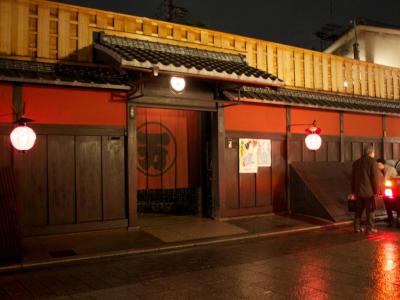
Let’s set the scene: you're wandering Kyoto’s Gion district, home to the flutter of kimono sleeves, the faint strum of a shamisen (a three-stringed Japanese musical instrument), and the quiet power of secrets whispered behind paper walls. Just off the intersection of Shijo and Hanamikoji, past the rickshaws and Instagram hopefuls, looms the bold red facade of Ichiriki Teahouse-a place so exclusive, you’d have better luck booking tea with a ghost than getting a seat here without a proper introduction.
For over 300 years, Ichiriki hasn’t just been the VIP lounge of geisha entertainment-it’s been a hotbed of historical drama. By day, it hosted Kyoto’s elite in tatami-clad elegance. By night-at least in the 19th century-it became a shadowy rendezvous point for samurai rebels who were less into sipping tea and more into overthrowing governments. That’s right: plots to topple the shogunate were brewed here alongside the matcha.
But rewind another century, and things get even juicier. Enter the 47 Ronin, Japan’s most famous revenge squad. The whole saga starts with a nobleman, Asano, who lost his temper while at Edo Castle, trying to sword-slap a smug court official named Kira. Bad idea... For his troubles, Asano was ordered to commit ritual suicide ('seppuku'), thus leaving his loyal samurai jobless-and furious.
Now masterless, these ronin scattered into obscurity… or so it seemed. Their leader, Oishi Kuranosuke, put on an Oscar-worthy performance, faking a midlife crisis here at Ichiriki. Think less revenge, more sake-fueled gambling binge. But it was all a smokescreen. After two years of pretending to be the world’s most irresponsible ex-samurai, Oishi and the gang struck, exacting their revenge on Kira, who lost his head-literally-thus fulfilling their solemn vow. As for the ronin themselves, despite facing the ultimate consequence of ritual suicide, their valor and sacrifice elevated them to legendary status, immortalizing both their tale and the legacy of Ichiriki teahouse for generations to come.
So, whenever you stroll past Ichiriki, remember: it’s not just a fancy teahouse. It’s the quiet epicenter of loyalty, espionage, and centuries-old revenge plots. You know… typical Gion vibes.
For over 300 years, Ichiriki hasn’t just been the VIP lounge of geisha entertainment-it’s been a hotbed of historical drama. By day, it hosted Kyoto’s elite in tatami-clad elegance. By night-at least in the 19th century-it became a shadowy rendezvous point for samurai rebels who were less into sipping tea and more into overthrowing governments. That’s right: plots to topple the shogunate were brewed here alongside the matcha.
But rewind another century, and things get even juicier. Enter the 47 Ronin, Japan’s most famous revenge squad. The whole saga starts with a nobleman, Asano, who lost his temper while at Edo Castle, trying to sword-slap a smug court official named Kira. Bad idea... For his troubles, Asano was ordered to commit ritual suicide ('seppuku'), thus leaving his loyal samurai jobless-and furious.
Now masterless, these ronin scattered into obscurity… or so it seemed. Their leader, Oishi Kuranosuke, put on an Oscar-worthy performance, faking a midlife crisis here at Ichiriki. Think less revenge, more sake-fueled gambling binge. But it was all a smokescreen. After two years of pretending to be the world’s most irresponsible ex-samurai, Oishi and the gang struck, exacting their revenge on Kira, who lost his head-literally-thus fulfilling their solemn vow. As for the ronin themselves, despite facing the ultimate consequence of ritual suicide, their valor and sacrifice elevated them to legendary status, immortalizing both their tale and the legacy of Ichiriki teahouse for generations to come.
So, whenever you stroll past Ichiriki, remember: it’s not just a fancy teahouse. It’s the quiet epicenter of loyalty, espionage, and centuries-old revenge plots. You know… typical Gion vibes.
7) Hanamikoji Street
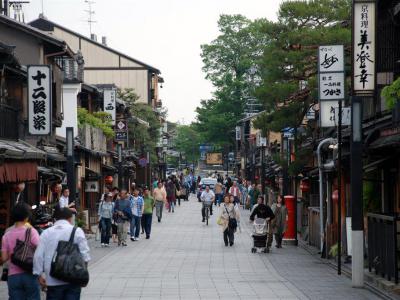
Hanamikoji, or "Blossom Viewing Lane", is Kyoto’s very own runway for geisha, gourmets, and people with exquisite taste in woodwork. Just a short stroll east of Gion Shijo Station, this lane isn’t so much a street as it is a living postcard-lined with those classic wooden machiya townhouses that look like they’ve time-traveled straight out of the Edo period, with no intention of modernizing.
Yes, it’s touristy. And yes, you’ll be dodging selfie sticks. But it’s also undeniably gorgeous, with the narrow alleyways whispering secrets, the occasional pagoda peeking through tiled rooftops, and if luck is on your side, a fleeting flash of silk and white makeup-one of Gion’s elusive geiko or maiko slipping between appointments. Behind those noren-draped entrances and softly glowing lanterns are Kyoto’s most exclusive teahouses, where a reservation often requires not just wealth, but lineage-or at least a friend in very high places.
Still, you don’t need to be royalty to enjoy the charm. Wander just a hundred meters south of Shijo-dori and you’ll hit Gion Tokuya. Here, anyone-yes, even you-can enjoy matcha and wagashi in a classic tatami room without needing a secret password. Further down, Leica’s boutique and gallery offer an unexpected bonus: world-class photography and a rare peek inside a two-story machiya, no tea ceremony required. And if your stomach is calling, Karyo serves up refined kaiseki lunches in an equally refined setting-deliciously traditional and surprisingly kind to your wallet.
In short, Hanamikoji is Kyoto's perfect blend of heritage, beauty, and bite-sized indulgence.
Yes, it’s touristy. And yes, you’ll be dodging selfie sticks. But it’s also undeniably gorgeous, with the narrow alleyways whispering secrets, the occasional pagoda peeking through tiled rooftops, and if luck is on your side, a fleeting flash of silk and white makeup-one of Gion’s elusive geiko or maiko slipping between appointments. Behind those noren-draped entrances and softly glowing lanterns are Kyoto’s most exclusive teahouses, where a reservation often requires not just wealth, but lineage-or at least a friend in very high places.
Still, you don’t need to be royalty to enjoy the charm. Wander just a hundred meters south of Shijo-dori and you’ll hit Gion Tokuya. Here, anyone-yes, even you-can enjoy matcha and wagashi in a classic tatami room without needing a secret password. Further down, Leica’s boutique and gallery offer an unexpected bonus: world-class photography and a rare peek inside a two-story machiya, no tea ceremony required. And if your stomach is calling, Karyo serves up refined kaiseki lunches in an equally refined setting-deliciously traditional and surprisingly kind to your wallet.
In short, Hanamikoji is Kyoto's perfect blend of heritage, beauty, and bite-sized indulgence.
8) Saryo Tsujiri Tea House
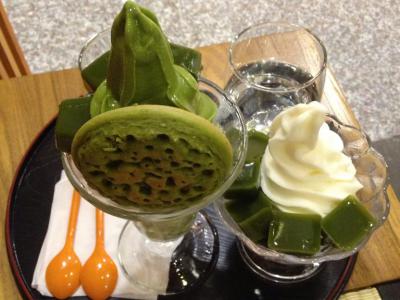
If your Kyoto adventure doesn’t end with a spoonful of matcha parfait, ask yourself-did you even go to Kyoto? For an authentic Kyoto dessert experience, follow the locals' lead and make a beeline for Saryo Tsujiri, a top-notch spot in Gion renowned for its matcha tea, parfaits, and desserts that are a must-try at least once!
Now, don’t be fooled by its discreet location. Despite being somewhat tucked away amidst souvenir shops, its popularity is unmistakable, attesting to which are the long queues of mostly Japanese schoolgirls, aunties, and dessert disciples snaking up the store's stairs and spilling onto the street-even on weekdays. But fear not, the line moves fast and the wait is well worth it; plus, there's more seating available upstairs than you’d think.
Now, the ground floor is where temptation begins-a deliciously tantalizing showroom of treats, from ice cream and tea samplers to delectable matcha-infused sweets, perfect for souvenirs or a pre-dessert indulgence. But the real show starts when you ascend to the café above. It’s cozy, casual, and dishing out matcha parfaits that come stacked with all the local greatest hits. Kyoto residents are avid parfait enthusiasts, and this place puts a unique spin on this delicacy using domestic ingredients.
Among other local favorites is the Tokusen Tsujiri, a decadent creation featuring green tea sherbet, mochi, red bean paste, vanilla ice cream, Japanese cake, whipped cream, and nuts-a true sweetness overload! During the warmer months, from April to September, indulge in the refreshing Matcha Kakigori shaved ice, or explore other cold and warm dessert options.
Tips:
The English menu comes with photos, so ordering is a breeze-just point, nod, consume, and indulge. If opting for ice cream, devour those mochi balls quickly to prevent them from freezing up next to the ice cream and turning into rock-solid nuggets. You can then take your cone and stroll to Kawabata Street for a riverside moment of green tea bliss, where Matcha meet zen...
Now, don’t be fooled by its discreet location. Despite being somewhat tucked away amidst souvenir shops, its popularity is unmistakable, attesting to which are the long queues of mostly Japanese schoolgirls, aunties, and dessert disciples snaking up the store's stairs and spilling onto the street-even on weekdays. But fear not, the line moves fast and the wait is well worth it; plus, there's more seating available upstairs than you’d think.
Now, the ground floor is where temptation begins-a deliciously tantalizing showroom of treats, from ice cream and tea samplers to delectable matcha-infused sweets, perfect for souvenirs or a pre-dessert indulgence. But the real show starts when you ascend to the café above. It’s cozy, casual, and dishing out matcha parfaits that come stacked with all the local greatest hits. Kyoto residents are avid parfait enthusiasts, and this place puts a unique spin on this delicacy using domestic ingredients.
Among other local favorites is the Tokusen Tsujiri, a decadent creation featuring green tea sherbet, mochi, red bean paste, vanilla ice cream, Japanese cake, whipped cream, and nuts-a true sweetness overload! During the warmer months, from April to September, indulge in the refreshing Matcha Kakigori shaved ice, or explore other cold and warm dessert options.
Tips:
The English menu comes with photos, so ordering is a breeze-just point, nod, consume, and indulge. If opting for ice cream, devour those mochi balls quickly to prevent them from freezing up next to the ice cream and turning into rock-solid nuggets. You can then take your cone and stroll to Kawabata Street for a riverside moment of green tea bliss, where Matcha meet zen...
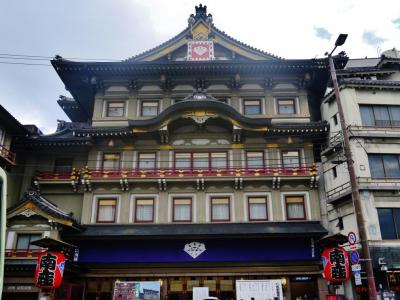
9) Minamiza Kabuki Theater
Slide into the southeast corner of Shijo-dori street-just behind a popular noodle shop-and you’ll stumble upon the grand dame of Japanese theater: Minamiza. While it hosts a variety of performances, including the newest forms of live entertainment, truth be told-kabuki is the main character here. We're talking full-throttle drama, wild costumes, and men playing everyone (yes, even the ladies). This colorful, dramatic genre of storytelling has been Kyoto's favorite spectacle since the early 17th century, and somehow, it never got old.
Back in the 1600s, kabuki fever ran wild-there were in total seven theaters around town. The shows were so popular they spilled out into the dry bed of the Kamo River, turning it into Kyoto’s liveliest (and dustiest) hotspot.
Four centuries on, Minamiza is the only survivor of time's relentless march-but still flawless after all these years. While the original stage traces its roots back to the early Edo Period (between 1596 and 1615), the current building was completed only in 1929. In 1996, the theater earned the title of Registered Tangible Cultural Property, and shortly after, was also registered as a Structure of Historical Design in Kyoto. Renovated in 2018, she’s now even shinier, but still very much in her prime.
Tip:
To grasp the performed story in English, make sure to rent audio headsets ($7 apiece) and brace yourself for a three-hour-plus sit-down. Yes, kabuki is a marathon, not a sprint, but you can munch on your snacks during intermission.
And if you fancy souvenirs (like those actor postcards and other theatrical trinkets), grab them before the show or during intermissions, as concession stands close after the curtain falls.
Also, Kabuki is a hot ticket, so book early and expect to shell out $30 to $200, depending on your seat.
And while locals may show up looking like extras from a historical drama (dressing up for kabuki in a kimono is the norm), no one will bat an eye at your jeans-so long as you spare them the facepalm moment and leave your cargo shorts at home...
Back in the 1600s, kabuki fever ran wild-there were in total seven theaters around town. The shows were so popular they spilled out into the dry bed of the Kamo River, turning it into Kyoto’s liveliest (and dustiest) hotspot.
Four centuries on, Minamiza is the only survivor of time's relentless march-but still flawless after all these years. While the original stage traces its roots back to the early Edo Period (between 1596 and 1615), the current building was completed only in 1929. In 1996, the theater earned the title of Registered Tangible Cultural Property, and shortly after, was also registered as a Structure of Historical Design in Kyoto. Renovated in 2018, she’s now even shinier, but still very much in her prime.
Tip:
To grasp the performed story in English, make sure to rent audio headsets ($7 apiece) and brace yourself for a three-hour-plus sit-down. Yes, kabuki is a marathon, not a sprint, but you can munch on your snacks during intermission.
And if you fancy souvenirs (like those actor postcards and other theatrical trinkets), grab them before the show or during intermissions, as concession stands close after the curtain falls.
Also, Kabuki is a hot ticket, so book early and expect to shell out $30 to $200, depending on your seat.
And while locals may show up looking like extras from a historical drama (dressing up for kabuki in a kimono is the norm), no one will bat an eye at your jeans-so long as you spare them the facepalm moment and leave your cargo shorts at home...

10) Takashimaya Department Store
On a rainy day when temple visits don't seem appealing, or when you're in the heart of the city craving a meal or a bit of retail therapy, Kyoto's premier department store could be the perfect solution, offering surprises that may pleasantly catch you off guard.
Start your exploration in the basement, where you'll encounter a vibrant array of food items that may be unfamiliar to Western palates. The stalls are packed closely together, creating a veritable Wonderland for food enthusiasts: from bento boxes and Asian delicacies to spices, sweets, and a blend of modern and traditional fare.
If your appetite is whetted, take the elevator to the 7th floor, where you'll discover a variety of Japanese restaurants alongside French, Italian, and Chinese options. But that's not all; you'll also find amenities such as post office, ATMs, and a travel agency. This eclectic mix extends throughout the store, with the 6th floor housing an art gallery and Buddhist altars alongside bedding, curtains, and kitchenware.
For those feeling a bit disoriented, the 1st floor offers an information desk (and currency exchange) alongside jewelry and makeup counters. Dedicated shopper take note: tax refunds are available for purchases over ¥5,000, and souvenirs can be conveniently shipped abroad. While prices may be slightly higher than elsewhere, the quality of the products and their presentation are assured.
Tip:
Arrive at 10 AM to witness a unique tradition-staff members bowing to customers as the doors open, a testament to Japan's deeply ingrained "Customer is God" ethos. It's a unique aspect of Japanese culture that often inspires wonder but certainly deserves appreciation.
Start your exploration in the basement, where you'll encounter a vibrant array of food items that may be unfamiliar to Western palates. The stalls are packed closely together, creating a veritable Wonderland for food enthusiasts: from bento boxes and Asian delicacies to spices, sweets, and a blend of modern and traditional fare.
If your appetite is whetted, take the elevator to the 7th floor, where you'll discover a variety of Japanese restaurants alongside French, Italian, and Chinese options. But that's not all; you'll also find amenities such as post office, ATMs, and a travel agency. This eclectic mix extends throughout the store, with the 6th floor housing an art gallery and Buddhist altars alongside bedding, curtains, and kitchenware.
For those feeling a bit disoriented, the 1st floor offers an information desk (and currency exchange) alongside jewelry and makeup counters. Dedicated shopper take note: tax refunds are available for purchases over ¥5,000, and souvenirs can be conveniently shipped abroad. While prices may be slightly higher than elsewhere, the quality of the products and their presentation are assured.
Tip:
Arrive at 10 AM to witness a unique tradition-staff members bowing to customers as the doors open, a testament to Japan's deeply ingrained "Customer is God" ethos. It's a unique aspect of Japanese culture that often inspires wonder but certainly deserves appreciation.
