Custom Walk in Lisbon, Portugal by cwei5934_8bb8f created on 2025-07-23
Guide Location: Portugal » Lisbon
Guide Type: Custom Walk
# of Sights: 10
Tour Duration: 2 Hour(s)
Travel Distance: 4.7 Km or 2.9 Miles
Share Key: TVRR9
Guide Type: Custom Walk
# of Sights: 10
Tour Duration: 2 Hour(s)
Travel Distance: 4.7 Km or 2.9 Miles
Share Key: TVRR9
How It Works
Please retrieve this walk in the GPSmyCity app. Once done, the app will guide you from one tour stop to the next as if you had a personal tour guide. If you created the walk on this website or come to the page via a link, please follow the instructions below to retrieve the walk in the app.
Retrieve This Walk in App
Step 1. Download the app "GPSmyCity: Walks in 1K+ Cities" on Apple App Store or Google Play Store.



Step 2. In the GPSmyCity app, download(or launch) the guide "Lisbon Map and Walking Tours".
Step 3. Tap the menu button located at upper right corner of the "Walks" screen and select "Retrieve custom walk". Enter the share key: TVRR9
1) Praca do Comercio (Commerce Square) (must see)
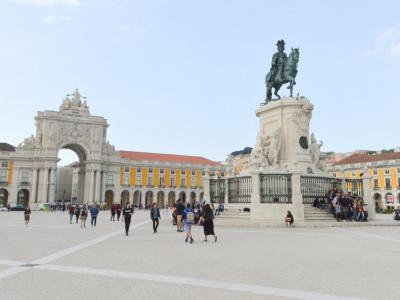
Commerce Square in Lisbon is a landmark of historical and architectural significance. Spanning 30,600 square meters, this plaza is situated along the Tagus River and was once the site of the Royal Palace of Ribeira, which was destroyed in the 1755 Lisbon earthquake. This catastrophe also obliterated the royal archive, containing over 200,000 books and centuries of records.
The area's reconstruction was spearheaded by the Marquis of Pombal as part of his revitalization of the Baixa district. The result was a U-shaped layout with symmetrical government buildings flanking the square and opening towards the river. Its new occupants, customs and port authorities, gave rise to the square's new name – "Commerce." The design included ground-floor arcades and two towers inspired by the former Ribeira Palace.
At the center of the square stands an equestrian statue of King José I, unveiled in 1775. The statue honors the King’s role in rebuilding Lisbon and features motifs such as an elephant, symbolizing Portugal's colonial empire.
The plaza’s northern side is marked by the triumphal Augusta Street Arch. Completed in the 19th century, this arch celebrates Lisbon's resilience with sculptures of historical figures such as Vasco da Gama and the Marquis of Pombal.
Adjacent to the square is the Columns Pier. Its marble steps once served as a ceremonial entrance to the city during Portugal’s maritime era.
Tragedy touched the square in 1908 when King Carlos I and his heir Luís Filipe were assassinated here. This event presaged the fall of the Portuguese monarchy and the establishment of the Republic in 1910. Today, a plaque commemorates this pivotal moment in Portuguese history.
The western tower of Commerce Square contains a branch of the Museum of Lisbon.
The square itself is a vibrant hub of activity. Its arcades house souvenir shops, cafes, and Lisbon’s oldest café, Martinho da Arcada. Commerce Square hosts annual events like Portugal Day celebrations and offers visitors a chance to enjoy views of the Tagus River, the 25th of April Bridge, and passing ships. Accessible via trams and ferries, the plaza is both a historic site and a bustling meeting point for locals and tourists.
Tip:
For a glimpse of what the square looked like before the 1755 earthquake, you can find reproductions of contemporary engravings from the 17th and 18th centuries and a modern ceramic tile mural at the Santa Luzia Viewpoint in Alfama.
The area's reconstruction was spearheaded by the Marquis of Pombal as part of his revitalization of the Baixa district. The result was a U-shaped layout with symmetrical government buildings flanking the square and opening towards the river. Its new occupants, customs and port authorities, gave rise to the square's new name – "Commerce." The design included ground-floor arcades and two towers inspired by the former Ribeira Palace.
At the center of the square stands an equestrian statue of King José I, unveiled in 1775. The statue honors the King’s role in rebuilding Lisbon and features motifs such as an elephant, symbolizing Portugal's colonial empire.
The plaza’s northern side is marked by the triumphal Augusta Street Arch. Completed in the 19th century, this arch celebrates Lisbon's resilience with sculptures of historical figures such as Vasco da Gama and the Marquis of Pombal.
Adjacent to the square is the Columns Pier. Its marble steps once served as a ceremonial entrance to the city during Portugal’s maritime era.
Tragedy touched the square in 1908 when King Carlos I and his heir Luís Filipe were assassinated here. This event presaged the fall of the Portuguese monarchy and the establishment of the Republic in 1910. Today, a plaque commemorates this pivotal moment in Portuguese history.
The western tower of Commerce Square contains a branch of the Museum of Lisbon.
The square itself is a vibrant hub of activity. Its arcades house souvenir shops, cafes, and Lisbon’s oldest café, Martinho da Arcada. Commerce Square hosts annual events like Portugal Day celebrations and offers visitors a chance to enjoy views of the Tagus River, the 25th of April Bridge, and passing ships. Accessible via trams and ferries, the plaza is both a historic site and a bustling meeting point for locals and tourists.
Tip:
For a glimpse of what the square looked like before the 1755 earthquake, you can find reproductions of contemporary engravings from the 17th and 18th centuries and a modern ceramic tile mural at the Santa Luzia Viewpoint in Alfama.
2) Santa Maria Maior (Cathedral of St. Mary Major)
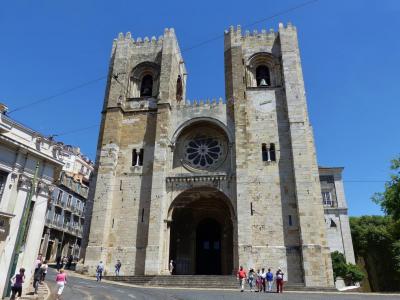
The Cathedral of Saint Mary Major, often called Lisbon Cathedral or simply the Sé, is a Roman Catholic cathedral and the oldest church in the city. Built in 1147, it has survived many earthquakes and been modified, renovated, and restored numerous times, resulting in a mix of different architectural styles. The seat of the Patriarchate of Lisbon, it has been classified as a National Monument since 1910.
The first cathedral in Lisbon was constructed on the site of the former Moorish mosque shortly after the Second Crusade led by King Afonso Henriquez in the mid-1100s. During this pivotal period, the relics of Saint Vincent of Saragossa, the city's patron saint, were transported from Southern Portugal and enshrined here, remaining undisturbed ever since. Recent excavations in the cathedral's cloister have uncovered Roman, Visigothic, and medieval remains, emphasizing the site's historical layers.
Lisbon Cathedral, a fortress-like structure with a Latin cross layout, maintains its Romanesque roots from the 12th century. The cathedral's robust façade features two towers and crenellations, a design typical of Portuguese cathedrals from the Reconquista era, indicating its historical military significance. The interior preserves the original west façade with a rose window, Romanesque portals, and barrel vaulting.
Transitioning to Gothic architecture in the late 13th century under King Dinis, the cathedral saw the addition of a Gothic cloister, although much of it was later damaged by the 1755 earthquake. Noteworthy Gothic elements include the ambulatory with its radiating chapels and ribbed vaulting, enhancing the structure with ample light and housing significant tombs from the mid-14th century.
The cathedral also hosted the Saint Vincent Panels until the 17th century. The 18th century brought neoclassical and Rococo refurbishments post-earthquake, with significant contributions from the renowned local sculptor Machado de Castro.
Efforts in the 20th century aimed to restore the cathedral's medieval character by removing neoclassical elements. This renovation imbued the structure with a predominantly medieval aesthetic, characterized by robust stone walls and fortress-like towers.
Notable among its chapels is the Chapel of Saint Ildefonso, housing a carved sculpture of one of the first Portuguese Ambassadors, Lopo Pacheco, depicted with a loyal dog at his side. Additionally, the Cathedral includes a chapel dedicated to Saint Anthony of Padua, a celebrated figure born in Lisbon.
Tip:
Admission to the Cathedral is free. For a modest fee, between 10 am and 5 pm, you can also ascend partway up the tower to the Treasury. Please note that it is closed on Sundays.
The first cathedral in Lisbon was constructed on the site of the former Moorish mosque shortly after the Second Crusade led by King Afonso Henriquez in the mid-1100s. During this pivotal period, the relics of Saint Vincent of Saragossa, the city's patron saint, were transported from Southern Portugal and enshrined here, remaining undisturbed ever since. Recent excavations in the cathedral's cloister have uncovered Roman, Visigothic, and medieval remains, emphasizing the site's historical layers.
Lisbon Cathedral, a fortress-like structure with a Latin cross layout, maintains its Romanesque roots from the 12th century. The cathedral's robust façade features two towers and crenellations, a design typical of Portuguese cathedrals from the Reconquista era, indicating its historical military significance. The interior preserves the original west façade with a rose window, Romanesque portals, and barrel vaulting.
Transitioning to Gothic architecture in the late 13th century under King Dinis, the cathedral saw the addition of a Gothic cloister, although much of it was later damaged by the 1755 earthquake. Noteworthy Gothic elements include the ambulatory with its radiating chapels and ribbed vaulting, enhancing the structure with ample light and housing significant tombs from the mid-14th century.
The cathedral also hosted the Saint Vincent Panels until the 17th century. The 18th century brought neoclassical and Rococo refurbishments post-earthquake, with significant contributions from the renowned local sculptor Machado de Castro.
Efforts in the 20th century aimed to restore the cathedral's medieval character by removing neoclassical elements. This renovation imbued the structure with a predominantly medieval aesthetic, characterized by robust stone walls and fortress-like towers.
Notable among its chapels is the Chapel of Saint Ildefonso, housing a carved sculpture of one of the first Portuguese Ambassadors, Lopo Pacheco, depicted with a loyal dog at his side. Additionally, the Cathedral includes a chapel dedicated to Saint Anthony of Padua, a celebrated figure born in Lisbon.
Tip:
Admission to the Cathedral is free. For a modest fee, between 10 am and 5 pm, you can also ascend partway up the tower to the Treasury. Please note that it is closed on Sundays.
3) Miradouro das Portas do Sol (Gates of the Sun Viewpoint)
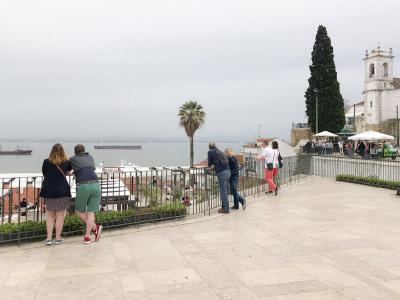
The Gates of the Sun viewpoint, akin to a home’s balcony, sits above the ancient neighborhood Alfama. Just steps away from the Santa Luzia viewpoint, it offers stunning views across Alfama and the Tagus River. The layout of Alfama unfolds below in a picturesque maze of streets, stairways, and alleys, all visible from this panoramic balcony.
Visitors to the Gates of the Sun viewpoint can indulge in authentic Portuguese coffee at the local kiosk, watch the iconic #28 electric tram pass by, and view the statue of Saint Vincent, the patron saint of Lisbon, symbolically holding a boat flanked by two ravens, representing the city. Additionally, from this point, one can see the Church of Saint Vincent and the expanse of the Alfama neighborhood stretching to the Tagus River.
Installed in 1949, a statue of Saint Vincent enhances the cultural significance of the viewpoint. The location is also prime for photographers, who find the backdrop of the Decorative Arts Museum and the panoramic view from Saint Vincent de Fora Monastery to the waterfront irresistibly photogenic.
Tip:
For a unique and enjoyable experience, seek out a flight of stairs and follow the WC (restroom) sign. Descend the stairs and pass under an arch to discover a mural depicting Lisbon's history in a comic-book style.
The view surprises at dusk, when the sun goes down and the colors of Lisbon’s architecture turn another shade.
Visitors to the Gates of the Sun viewpoint can indulge in authentic Portuguese coffee at the local kiosk, watch the iconic #28 electric tram pass by, and view the statue of Saint Vincent, the patron saint of Lisbon, symbolically holding a boat flanked by two ravens, representing the city. Additionally, from this point, one can see the Church of Saint Vincent and the expanse of the Alfama neighborhood stretching to the Tagus River.
Installed in 1949, a statue of Saint Vincent enhances the cultural significance of the viewpoint. The location is also prime for photographers, who find the backdrop of the Decorative Arts Museum and the panoramic view from Saint Vincent de Fora Monastery to the waterfront irresistibly photogenic.
Tip:
For a unique and enjoyable experience, seek out a flight of stairs and follow the WC (restroom) sign. Descend the stairs and pass under an arch to discover a mural depicting Lisbon's history in a comic-book style.
The view surprises at dusk, when the sun goes down and the colors of Lisbon’s architecture turn another shade.
4) Museu do Fado (Fado Museum)
The Fado Museum of Lisbon is a dedicated space for exploring and celebrating Fado music. Although another variant of Fado is sung in the city of Coimbra, the Lisbon rendition, originating in the 1840s from the songs of sailors, is the earliest and most beloved.
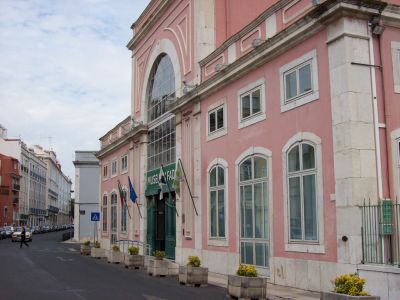
Since its inauguration in 1998, the museum has been an important cultural landmark. It is housed in the historic building, constructed in 1868, and now classified as a Property of Municipal Interest.
Originally engineered as the Alfama Water Pumping Station, the building functioned in this capacity until 1938. Following that, it served various roles including a workshop and a center for the Portuguese Communist Party following the 1974 Carnation Revolution. It was extensively remodeled and expanded between 1995 and 1998 to accommodate the museum.
The Fado Museum comprises a permanent exhibition, temporary exhibition spaces, a documentation center, a themed shop, an auditorium, and a café. Additionally, it hosts the school which offers courses in Portuguese guitar and Fado guitar and provides rehearsal space for performers.
Lately, the permanent exhibition has shifted from recreating traditional Fado environments to showcasing artworks and historical objects associated with Fado. The museum also features interactive points that document the history of Fado and allow visitors to explore biographies and listen to recordings. Be sure to make use of the complimentary headsets, which explain the various guitars and sitars on display. Visitors can also purchase music recordings at the museum shop and, on weekends, enjoy live performances at the in-house café (the fee is included in the ticket).
Moreover, since 2016, the Fado Museum has enhanced its digital presence by offering a Digital Sound Archive on its website, which houses thousands of historical sound recordings accessible by performers or repertoire.
If you are interested in the quintessential sounds of Lisbon and find yourself with some spare time, consider a visit here.
Tip:
If looking to get a good bite with your Fado experience, consider PARREIRINHA DE ALFAMA (open Tuesday-Sunday from 10 pm–10:30 pm) or GUITARRAS DE LISBOA (open Monday-Saturday from 8 pm–2 am). If you prefer good food, reasonable prices, and warm hospitality without Fado singing, there are numerous other options to explore, such as RODA VIVA, O BECO, A MURALHA TASCA TIPICA LISBOA... otherwise, you can venture at your own pace and discover the dining offerings in the area.
Since its inauguration in 1998, the museum has been an important cultural landmark. It is housed in the historic building, constructed in 1868, and now classified as a Property of Municipal Interest.
Originally engineered as the Alfama Water Pumping Station, the building functioned in this capacity until 1938. Following that, it served various roles including a workshop and a center for the Portuguese Communist Party following the 1974 Carnation Revolution. It was extensively remodeled and expanded between 1995 and 1998 to accommodate the museum.
The Fado Museum comprises a permanent exhibition, temporary exhibition spaces, a documentation center, a themed shop, an auditorium, and a café. Additionally, it hosts the school which offers courses in Portuguese guitar and Fado guitar and provides rehearsal space for performers.
Lately, the permanent exhibition has shifted from recreating traditional Fado environments to showcasing artworks and historical objects associated with Fado. The museum also features interactive points that document the history of Fado and allow visitors to explore biographies and listen to recordings. Be sure to make use of the complimentary headsets, which explain the various guitars and sitars on display. Visitors can also purchase music recordings at the museum shop and, on weekends, enjoy live performances at the in-house café (the fee is included in the ticket).
Moreover, since 2016, the Fado Museum has enhanced its digital presence by offering a Digital Sound Archive on its website, which houses thousands of historical sound recordings accessible by performers or repertoire.
If you are interested in the quintessential sounds of Lisbon and find yourself with some spare time, consider a visit here.
Tip:
If looking to get a good bite with your Fado experience, consider PARREIRINHA DE ALFAMA (open Tuesday-Sunday from 10 pm–10:30 pm) or GUITARRAS DE LISBOA (open Monday-Saturday from 8 pm–2 am). If you prefer good food, reasonable prices, and warm hospitality without Fado singing, there are numerous other options to explore, such as RODA VIVA, O BECO, A MURALHA TASCA TIPICA LISBOA... otherwise, you can venture at your own pace and discover the dining offerings in the area.
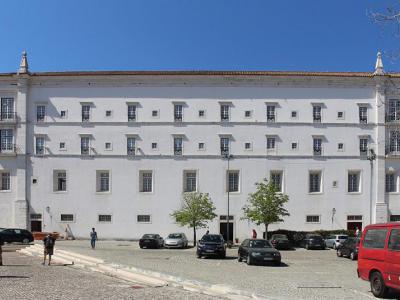
5) Mosteiro de Sao Vicente de Fora (Monastery of St. Vincent Outside the Walls)
The Church and Monastery of Saint Vincent “Outside the Walls” in Lisbon is a prominent 17th-century Mannerist structure. Originally founded by Afonso Henriques, the first Portuguese King, around 1147 for the Augustinian Order, the monastery was built outside the city walls, hence its name. It was dedicated to Saint Vincent of Saragossa, the patron saint of Lisbon, whose relics were transferred here in the 12th century.
The existing structures are largely due to the reconstruction efforts ordered by King Philip I of Portugal in 1580. The church itself was constructed between 1582 and 1629. The monastery's buildings were completed in the 18th century, following the designs influenced by the Jesuit church of The Gesù in Rome.
A key feature of the church is its austere façade with Mannerist influences, attributed to Portuguese architect Baltazar Álvares. It includes niches with statues of saints, flanked by two towers, and features a Latin cross floor plan with a one-aisled nave and lateral chapels, covered by barrel vaulting and a large dome over the crossing.
The monastery is renowned for its extensive collection of azulejo ceramic tiles, showcasing over 150 panels depicting various scenes from life in the countryside to noble amusements, created during two major periods in the 18th century under King Joao V. The main Baroque-style altarpiece, crafted by one of Portugal's finest sculptors, Joaquim Machado de Castro, and several fine altarpieces in the lateral chapels further enhance its artistic heritage.
Post the 1834 dissolution of monasteries in Portugal, the monastery was repurposed, serving as a palace for the archbishops of Lisbon and later housing the royal pantheon for the Braganza monarchs, initiated by King Ferdinand II. This sequence of resting places spans from João IV, who restored the monarchy in 1640, to Manuel II, the last Portuguese monarch, who passed away in exile in England in 1932. Among these notable figures is also Catherine of Braganza, the widow of England's Charles II, credited with introducing the concept of "teatime" to the British.
The baroque portal and the cloisters, decorated with 18th-century tiles and themes from La Fontaine's fables, along with a sacristy richly adorned with polychrome marble and artwork, contribute to its grandeur.
However, the highlight of your visit is undoubtedly the ascent to the towers' terraces, providing some of the most stunning panoramic views over the Alfama district and the Tagus River.
Tip:
Upon purchasing your ticket, you will receive a leaflet containing a map and a concise history of the monastery. It's highly recommended to follow the map to ensure you don't miss any of the monastery's captivating features.
The existing structures are largely due to the reconstruction efforts ordered by King Philip I of Portugal in 1580. The church itself was constructed between 1582 and 1629. The monastery's buildings were completed in the 18th century, following the designs influenced by the Jesuit church of The Gesù in Rome.
A key feature of the church is its austere façade with Mannerist influences, attributed to Portuguese architect Baltazar Álvares. It includes niches with statues of saints, flanked by two towers, and features a Latin cross floor plan with a one-aisled nave and lateral chapels, covered by barrel vaulting and a large dome over the crossing.
The monastery is renowned for its extensive collection of azulejo ceramic tiles, showcasing over 150 panels depicting various scenes from life in the countryside to noble amusements, created during two major periods in the 18th century under King Joao V. The main Baroque-style altarpiece, crafted by one of Portugal's finest sculptors, Joaquim Machado de Castro, and several fine altarpieces in the lateral chapels further enhance its artistic heritage.
Post the 1834 dissolution of monasteries in Portugal, the monastery was repurposed, serving as a palace for the archbishops of Lisbon and later housing the royal pantheon for the Braganza monarchs, initiated by King Ferdinand II. This sequence of resting places spans from João IV, who restored the monarchy in 1640, to Manuel II, the last Portuguese monarch, who passed away in exile in England in 1932. Among these notable figures is also Catherine of Braganza, the widow of England's Charles II, credited with introducing the concept of "teatime" to the British.
The baroque portal and the cloisters, decorated with 18th-century tiles and themes from La Fontaine's fables, along with a sacristy richly adorned with polychrome marble and artwork, contribute to its grandeur.
However, the highlight of your visit is undoubtedly the ascent to the towers' terraces, providing some of the most stunning panoramic views over the Alfama district and the Tagus River.
Tip:
Upon purchasing your ticket, you will receive a leaflet containing a map and a concise history of the monastery. It's highly recommended to follow the map to ensure you don't miss any of the monastery's captivating features.
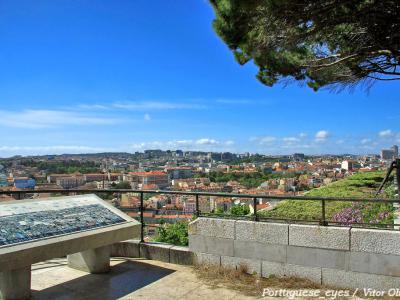
6) Miradouro da Senhora do Monte (Our Lady of the Mount Viewpoint) (must see)
For an elevated cityscape experience, make your way up to the Lady of the Mount viewpoint, a somewhat undiscovered gem among Lisbon's "miradouros", despite its distinction as the highest. From this serene square shaded by pine trees, you'll be treated to a captivating panoramic vista of the entire city. This locale is particularly cherished by avid photographers seeking the perfect shots of the charming old districts of Mouraria, the São Jorge Castle, downtown Lisbon, the Carmo Convent, Monsanto, the Tagus River estuary with the "Sea of Straw" near its mouth, and even farther horizons.
Another noteworthy attraction here, known to the initiated, is the chapel of Our Lady of the Mount, or "Nossa Senhora do Monte." The original chapel, erected in 1147, succumbed to the ravages of an earthquake in 1755 and was replaced by the current structure in the late 1700s. This chapel is renowned for its protective association with women during childbirth, drawing expectant mothers in search of divine blessings. Nearby, you'll find a small statue of the Virgin.
Adding to the charm of the place, there's an ancient wall adorned with the inscription: "Boa viagem. Lisboa espera por ti," which translates to "Have a nice trip! Lisbon awaits you." The tiles on this wall carry the echoes of a bygone era, reminiscent of a time when Portugal was the land of explorers, emigrants, and soldiers.
Why You Should Pay a Visit:
This is one of Lisbon's less-traveled viewpoints, yet it claims the title of the highest, offering some of the most breathtaking city views. It's an ideal spot for capturing memorable photographs. While there isn't a permanent café on-site, you can usually find mobile vendors serving coffee, adult beverages, and snacks, often with more interesting options than the standard kiosk offerings.
Another noteworthy attraction here, known to the initiated, is the chapel of Our Lady of the Mount, or "Nossa Senhora do Monte." The original chapel, erected in 1147, succumbed to the ravages of an earthquake in 1755 and was replaced by the current structure in the late 1700s. This chapel is renowned for its protective association with women during childbirth, drawing expectant mothers in search of divine blessings. Nearby, you'll find a small statue of the Virgin.
Adding to the charm of the place, there's an ancient wall adorned with the inscription: "Boa viagem. Lisboa espera por ti," which translates to "Have a nice trip! Lisbon awaits you." The tiles on this wall carry the echoes of a bygone era, reminiscent of a time when Portugal was the land of explorers, emigrants, and soldiers.
Why You Should Pay a Visit:
This is one of Lisbon's less-traveled viewpoints, yet it claims the title of the highest, offering some of the most breathtaking city views. It's an ideal spot for capturing memorable photographs. While there isn't a permanent café on-site, you can usually find mobile vendors serving coffee, adult beverages, and snacks, often with more interesting options than the standard kiosk offerings.
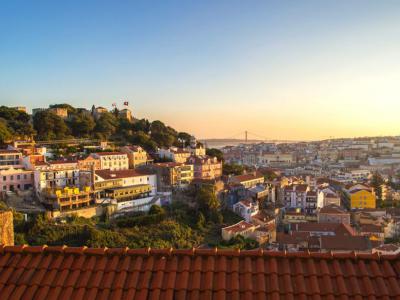
7) Miradouro da Graca (Grace Viewpoint) (must see)
The Grace Viewpoint in Lisbon is a celebrated vantage point situated atop the southern slope of Santo André Hill. It offers panoramic views of the city's historic center stretching, on clear days, to the Tagus River estuary.
This viewpoint is not only a daytime delight but also a magical evening spot as the setting sun casts a golden hue over Lisbon and the city lights begin to twinkle. The atmosphere here is perpetually vibrant, enhanced by performances from local musicians and singers, while the adjacent Esplanada da Graça café remains abuzz with activity.
Though many tourists stop at this viewpoint, they often overlook nearby attractions such as the expansive Grace Convent, noted for its exquisite tile paintings and baroque architecture. Other local sights include the 19th-century Villa Sousa and the serene Cerca Park Garden, with a quaint fountain and a bronze sculpture, positioned below the viewpoint.
From here, visitors can enjoy a 160-degree view encompassing central and western Lisbon. To the southwest, prominent visible landmarks include Saint George's Castle, the Carmo Church ruins, and the April 25 bridge. The viewpoint also overlooks the Mouraria neighborhood and Martim Moniz plaza and offers glimpses of distant sites like the Monsanto Forest and the Amoreiras Towers.
Despite its common designation as the Grace viewpoint, its official title "Sophia de Mello Breyner Andresen" honors the esteemed 20th-century Portuguese poet revered for her fairy tales and the official Portuguese translations of Shakespeare. Her affinity for this location, where she drew much inspiration, led to its renaming following her death in 2004 and is now marked by a bust near the Grace Convent entrance.
This viewpoint frequently marks the conclusion of a journey for those ascending the hill from Alfama and Saint George's Castle. The series of steps leading to it are paved with traditional cobblestone designs.
This viewpoint is not only a daytime delight but also a magical evening spot as the setting sun casts a golden hue over Lisbon and the city lights begin to twinkle. The atmosphere here is perpetually vibrant, enhanced by performances from local musicians and singers, while the adjacent Esplanada da Graça café remains abuzz with activity.
Though many tourists stop at this viewpoint, they often overlook nearby attractions such as the expansive Grace Convent, noted for its exquisite tile paintings and baroque architecture. Other local sights include the 19th-century Villa Sousa and the serene Cerca Park Garden, with a quaint fountain and a bronze sculpture, positioned below the viewpoint.
From here, visitors can enjoy a 160-degree view encompassing central and western Lisbon. To the southwest, prominent visible landmarks include Saint George's Castle, the Carmo Church ruins, and the April 25 bridge. The viewpoint also overlooks the Mouraria neighborhood and Martim Moniz plaza and offers glimpses of distant sites like the Monsanto Forest and the Amoreiras Towers.
Despite its common designation as the Grace viewpoint, its official title "Sophia de Mello Breyner Andresen" honors the esteemed 20th-century Portuguese poet revered for her fairy tales and the official Portuguese translations of Shakespeare. Her affinity for this location, where she drew much inspiration, led to its renaming following her death in 2004 and is now marked by a bust near the Grace Convent entrance.
This viewpoint frequently marks the conclusion of a journey for those ascending the hill from Alfama and Saint George's Castle. The series of steps leading to it are paved with traditional cobblestone designs.
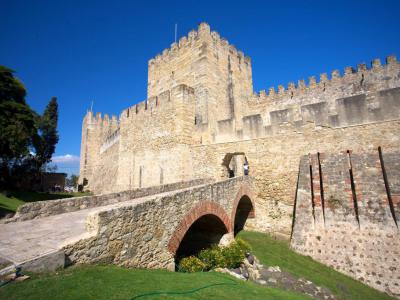
8) Castelo de Sao Jorge (Saint George's Castle) (must see)
Saint George’s Castle is a historic fortress in Lisbon’s Santa Maria Maior district. Its hilltop location has been occupied since the 8th century BC, with fortifications dating back to the 2nd century BC. Over time, the site reflected influences from the Celts, Phoenicians, Greeks, Carthaginians, Romans, Suebi, Visigoths, and Moors. The Berbers added the so-called “Moorish Encirclement” walls in the 10th century, and the Moors held the castle until the Christian Reconquista.
The castle played a pivotal role during the 1147 Siege of Lisbon when it was captured in a major Second Crusade victory. This fortified stronghold became a royal residence in 1255 and was named after Saint George in the 14th century by King John I to symbolize ties with England. In the later period, it served as a military barracks and home to Portugal’s National Archive. Although damaged in the 1755 earthquake, the 20th-century restorations regained its prominence as a national monument and cultural site.
Within this castle complex, you'll find medieval architecture with ten towers, a dry moat, and steep hillsides for natural defense. Highlights include the terraced Arms Square with cannons and a statue of Afonso Henriques, the first king of Portugal, and the Tower of Ulysses, which houses a camera obscura offering shows (every 20 minutes) in various languages, including English, Portuguese, and Spanish. The citadel's primary entrance features a 19th-century gate adorned with Portugal's coat of arms, Queen Maria II's name, and the date 1846.
Inside, visitors can enjoy a range of amenities, including restaurants, cafes, a wine bar, an ice cream stand, and public restrooms. Peacocks roam freely throughout the grounds, particularly in one of the primary dining areas. While dining within the castle walls may be slightly pricier than in the surrounding areas, it is not excessively so. Alternatively, you have the option of bringing your own food and beverages. Admission is reasonably priced and children enter for free.
Saint George’s Castle also includes the ruins of a royal palace, such as the Casa Ogival, which is now home to the Olissipónia multimedia exhibit detailing Lisbon’s history. Gardens and historical artifacts enhance the experience, making the castle a symbol of Lisbon’s rich past and an essential cultural landmark.
Tip:
Although the journey to the castle involves a steep uphill climb, it provides a delightful stroll through the narrow streets of historic Lisbon, with numerous opportunities to stop and savor local cuisine. Alternatively, you can take cable car #28 to admire the neighborhood's charming and diverse architecture, providing excellent photo opportunities.
The castle played a pivotal role during the 1147 Siege of Lisbon when it was captured in a major Second Crusade victory. This fortified stronghold became a royal residence in 1255 and was named after Saint George in the 14th century by King John I to symbolize ties with England. In the later period, it served as a military barracks and home to Portugal’s National Archive. Although damaged in the 1755 earthquake, the 20th-century restorations regained its prominence as a national monument and cultural site.
Within this castle complex, you'll find medieval architecture with ten towers, a dry moat, and steep hillsides for natural defense. Highlights include the terraced Arms Square with cannons and a statue of Afonso Henriques, the first king of Portugal, and the Tower of Ulysses, which houses a camera obscura offering shows (every 20 minutes) in various languages, including English, Portuguese, and Spanish. The citadel's primary entrance features a 19th-century gate adorned with Portugal's coat of arms, Queen Maria II's name, and the date 1846.
Inside, visitors can enjoy a range of amenities, including restaurants, cafes, a wine bar, an ice cream stand, and public restrooms. Peacocks roam freely throughout the grounds, particularly in one of the primary dining areas. While dining within the castle walls may be slightly pricier than in the surrounding areas, it is not excessively so. Alternatively, you have the option of bringing your own food and beverages. Admission is reasonably priced and children enter for free.
Saint George’s Castle also includes the ruins of a royal palace, such as the Casa Ogival, which is now home to the Olissipónia multimedia exhibit detailing Lisbon’s history. Gardens and historical artifacts enhance the experience, making the castle a symbol of Lisbon’s rich past and an essential cultural landmark.
Tip:
Although the journey to the castle involves a steep uphill climb, it provides a delightful stroll through the narrow streets of historic Lisbon, with numerous opportunities to stop and savor local cuisine. Alternatively, you can take cable car #28 to admire the neighborhood's charming and diverse architecture, providing excellent photo opportunities.
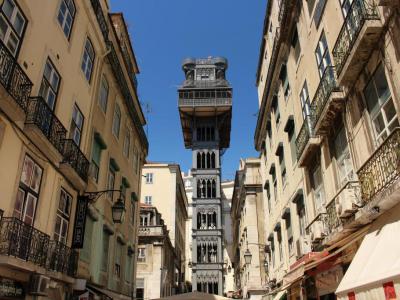
9) Elevador de Santa Justa (Santa Justa Lift) (must see)
The Santa Justa Lift, also known as the Carmo Lift, is a distinctive attraction in Lisbon. This historic elevator, built in the early 20th century, is the only remaining vertical lift in the capital. Others, such as the Glória and Bica lifts, are funicular railways. This lift was designed to address the city's challenging terrain, linking the lower Baixa district to the elevated Carmo Square. Construction began in 1900, and the lift was inaugurated in 1901, initially operating on steam power before transitioning to electricity in 1907.
The Neo-Gothic iron structure, 45 meters tall, features intricate metalwork, a double-lattice design, and two wood-paneled cabins that transport passengers across seven stories. Originally accommodating 24 people, the cabins were later upgraded to hold 29 passengers. A spiral staircase and walkway connect the lift to nearby attractions, offering panoramic views of landmarks, such as Saint George's Castle, the Tagus River, Rossio Square, and the Baixa district, from its observation deck.
Designated a National Monument in 2002, the Santa Justa Lift underwent renovations to preserve its historical significance and was reopened to the public in 2006. It remains a vital link and a tourist attraction, embodying innovative engineering from its era. Visitors also use the lift to access key sites like Carmo Square, Saint Roch Church, and the Bairro Alto neighborhood.
Tip:
It's important to note that ascending the iron spiral staircase requires a head for heights. However, if you can conquer any nervousness, the views are truly spectacular and well worth the effort. Additionally, keep in mind that the top platform is quite exposed, so it's advisable to check the weather conditions before planning your visit.
If you find the queue too long, consider entering the cork store on Rua do Carmo, ascending the stairs, and then crossing the street via the walkway. Although this option requires physical effort to climb the stairs, it saves time and money while allowing for more opportunities to savor the views along the way.
The Neo-Gothic iron structure, 45 meters tall, features intricate metalwork, a double-lattice design, and two wood-paneled cabins that transport passengers across seven stories. Originally accommodating 24 people, the cabins were later upgraded to hold 29 passengers. A spiral staircase and walkway connect the lift to nearby attractions, offering panoramic views of landmarks, such as Saint George's Castle, the Tagus River, Rossio Square, and the Baixa district, from its observation deck.
Designated a National Monument in 2002, the Santa Justa Lift underwent renovations to preserve its historical significance and was reopened to the public in 2006. It remains a vital link and a tourist attraction, embodying innovative engineering from its era. Visitors also use the lift to access key sites like Carmo Square, Saint Roch Church, and the Bairro Alto neighborhood.
Tip:
It's important to note that ascending the iron spiral staircase requires a head for heights. However, if you can conquer any nervousness, the views are truly spectacular and well worth the effort. Additionally, keep in mind that the top platform is quite exposed, so it's advisable to check the weather conditions before planning your visit.
If you find the queue too long, consider entering the cork store on Rua do Carmo, ascending the stairs, and then crossing the street via the walkway. Although this option requires physical effort to climb the stairs, it saves time and money while allowing for more opportunities to savor the views along the way.
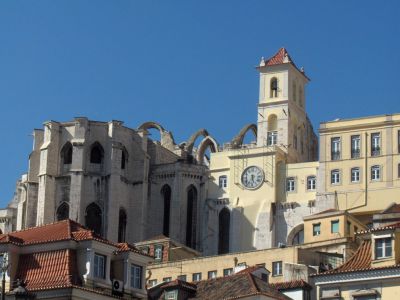
10) Museu Arqueologico do Carmo (Carmo Archaeological Museum) (must see)
Located in Lisbon's Chiado neighborhood, overlooking Rossio Square, the Convent of Our Lady of Mount Carmel is both a historical landmark and a cultural treasure, as well as a lasting reminder of the devastation caused by the 1755 earthquake. Founded in 1389, the convent housed Carmelite friars up to 1423. It flourished in the 16th century, with 70 clergy residing within its walls.
The 1755 earthquake destroyed the convent’s library of 5,000 volumes and caused severe structural damage, leaving its Gothic church in ruins. Following minor repairs undertaken in the 19th century, the building saw various uses, including as police quarters, a sawmill, and later a military station. In 1834, the site transitioned to secular use after religious orders were expelled from Portugal.
In 1864, the Association of Portuguese Archaeologists took ownership, transforming the ruined convent into a museum. Efforts to restore the site continued into the 20th century, with significant work undertaken in 1902 and the 1950s. However, the structure sustained further damage in the 1969 earthquake. Five years later, the convent played a key role in Portugal's Carnation Revolution, serving as a stronghold for the Estado Novo regime before its surrender to pro-democracy forces.
Architecturally, the Carmo Convent showcases Gothic design. Its church, featuring a Latin cross layout, includes a partially destroyed rose window and surviving pointed arches. The stone roof collapsed during the 1755 earthquake and was never rebuilt, giving the church its unique open-air appearance.
Today, the convent is home to the Carmo Archaeological Museum, displaying artifacts spanning Portuguese history. The museum houses Gothic tombs, Roman and Visigoth objects, and Moorish painted tin-glazed ceramic tilework. The former apse chapels have been repurposed as exhibition spaces, with one of them displaying remarkable pre-historic relics excavated from an ancient fortification dating from 3500 to 1500 BC.
The entrance fee is reasonable, and there is much to explore, including a well-executed multimedia presentation recounting the site's history. You'll need about 80-90 minutes to get a comprehensive look, though you might want to save some extra time for the surrounding terraces, offering splendid vistas of the Castle of the Moors.
Tip:
If you're looking for a way to get back down the hill into the city, your best bet is to take the Santa Justa Lift. Located just to the right of the convent, it is accessible via a footbridge through the Bellalisa Restaurant.
The 1755 earthquake destroyed the convent’s library of 5,000 volumes and caused severe structural damage, leaving its Gothic church in ruins. Following minor repairs undertaken in the 19th century, the building saw various uses, including as police quarters, a sawmill, and later a military station. In 1834, the site transitioned to secular use after religious orders were expelled from Portugal.
In 1864, the Association of Portuguese Archaeologists took ownership, transforming the ruined convent into a museum. Efforts to restore the site continued into the 20th century, with significant work undertaken in 1902 and the 1950s. However, the structure sustained further damage in the 1969 earthquake. Five years later, the convent played a key role in Portugal's Carnation Revolution, serving as a stronghold for the Estado Novo regime before its surrender to pro-democracy forces.
Architecturally, the Carmo Convent showcases Gothic design. Its church, featuring a Latin cross layout, includes a partially destroyed rose window and surviving pointed arches. The stone roof collapsed during the 1755 earthquake and was never rebuilt, giving the church its unique open-air appearance.
Today, the convent is home to the Carmo Archaeological Museum, displaying artifacts spanning Portuguese history. The museum houses Gothic tombs, Roman and Visigoth objects, and Moorish painted tin-glazed ceramic tilework. The former apse chapels have been repurposed as exhibition spaces, with one of them displaying remarkable pre-historic relics excavated from an ancient fortification dating from 3500 to 1500 BC.
The entrance fee is reasonable, and there is much to explore, including a well-executed multimedia presentation recounting the site's history. You'll need about 80-90 minutes to get a comprehensive look, though you might want to save some extra time for the surrounding terraces, offering splendid vistas of the Castle of the Moors.
Tip:
If you're looking for a way to get back down the hill into the city, your best bet is to take the Santa Justa Lift. Located just to the right of the convent, it is accessible via a footbridge through the Bellalisa Restaurant.
