Custom Walk in Melbourne, Australia by janne8333 created on 2025-08-30
Guide Location: Australia » Melbourne
Guide Type: Custom Walk
# of Sights: 8
Tour Duration: 3 Hour(s)
Travel Distance: 6 Km or 3.7 Miles
Share Key: NB5NG
Guide Type: Custom Walk
# of Sights: 8
Tour Duration: 3 Hour(s)
Travel Distance: 6 Km or 3.7 Miles
Share Key: NB5NG
How It Works
Please retrieve this walk in the GPSmyCity app. Once done, the app will guide you from one tour stop to the next as if you had a personal tour guide. If you created the walk on this website or come to the page via a link, please follow the instructions below to retrieve the walk in the app.
Retrieve This Walk in App
Step 1. Download the app "GPSmyCity: Walks in 1K+ Cities" on Apple App Store or Google Play Store.



Step 2. In the GPSmyCity app, download(or launch) the guide "Melbourne Map and Walking Tours".
Step 3. Tap the menu button located at upper right corner of the "Walks" screen and select "Retrieve custom walk". Enter the share key: NB5NG
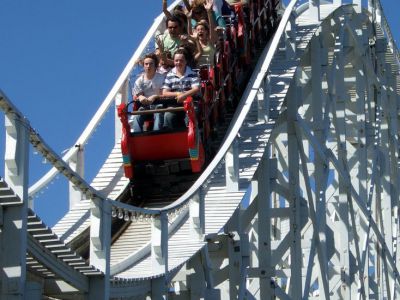
1) Luna Park
Luna Park has been entertaining Melbourne since 1912, and is one of Australia’s best loved institutions. It was the first of four Luna Parks in Australia, but the Saint Kilda and Sydney Harbour parks are the only two remaining. The delightful original façade of the park features the laughing Mr. Moon face supported by two towers – you enter the park by walking through his smiling mouth. Once inside the park there is a mixture of rides, side show games and entertainment on offer. History buffs as well as thrill seekers enjoy a ride on the Scenic Railway, which is the world’s oldest continuously running roller-coaster, dating from 1912 when the park opened. The carousel is another historical ride at the park, which dates from 1913; the Ghost Train opened in 1934 and the dodgems opened in 1927.
Luna Park is now listed with the National Trust of Australia for its important place in the nation's history. But the park is not all about the past; there are plenty of new and up-to-date rides to be had there too. Other popular rides include the Holodeck, Red Baron, Coney Island Top Drop and the Twin Dragon. Luna Park is open at different times throughout the year, with extended opening hours in summer.
Luna Park is now listed with the National Trust of Australia for its important place in the nation's history. But the park is not all about the past; there are plenty of new and up-to-date rides to be had there too. Other popular rides include the Holodeck, Red Baron, Coney Island Top Drop and the Twin Dragon. Luna Park is open at different times throughout the year, with extended opening hours in summer.

2) Palais Theatre
The art deco Palais Theatre is a much loved Saint Kilda landmark and one of Australia’s largest seated theatres. Walter Burley Griffin was originally commissioned to design and built the Palais at Saint Kilda, but when his construction was engulfed in fire just before it was completed, Griffin moved on and Henry E. White was engaged. A bigger, bolder design was offered by white and the result was the grand edifice that remains today. The Palais was built as a dual purpose theatre to show films as well as to serve as a concert hall. When built it was one of “the” places to go out, offering a double movie feature, plus entertainment from bands, singers, dancers and other entertainers on the bill. On July 3rd, 1929, it was one of the very first Australian theatres to screen “talkies”.
Until the 1950s it was mostly used as a cinema, but following that, world-class performers such as the Bolshoi Ballet, the Rolling Stones, Tom Jones, and Bob Hope have all tread the boards. The lavish construction boasts a Moorish interior and exterior, with a chief feature of the façade being the twin-domed towers. In recognition of the significant place that the Palais Theatre holds in Australian theatrical history, there are regular theatre tours held.
Why You Should Visit:
Absolutely gorgeous after all the renovations have been completed.
Inside and out, the architecture and attention to detail are jaw-dropping.
Comfortable, clean, and always room to move even in a sold-out show.
Tip:
Be warned – if you get seating in the front upper area you must remain seated the whole show.
Until the 1950s it was mostly used as a cinema, but following that, world-class performers such as the Bolshoi Ballet, the Rolling Stones, Tom Jones, and Bob Hope have all tread the boards. The lavish construction boasts a Moorish interior and exterior, with a chief feature of the façade being the twin-domed towers. In recognition of the significant place that the Palais Theatre holds in Australian theatrical history, there are regular theatre tours held.
Why You Should Visit:
Absolutely gorgeous after all the renovations have been completed.
Inside and out, the architecture and attention to detail are jaw-dropping.
Comfortable, clean, and always room to move even in a sold-out show.
Tip:
Be warned – if you get seating in the front upper area you must remain seated the whole show.
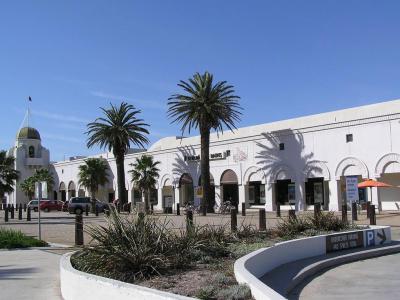
3) St Kilda Sea Baths
Saint Kilda Sea Baths holds a significant place in Melbourne's culture and offers a distinctive experience. Situated on the renowned Saint Kilda Beach, it boasts an exceptional array of amenities including top-notch restaurants, bars, a gymnasium, a sea water pool, cafes, and opportunities for biking, kite flying, and stand-up paddleboarding.
The healing properties of natural seawater have been recognized for centuries. At Saint Kilda Sea Baths, you can indulge in the pleasure of bathing in water sourced directly from the sea, warmed to a soothing temperature. The facility includes a heated 25-meter pool, a hydrotherapy spa pool, a unisex aromatherapy steam room, and a lounge area with splendid views of the bay.
The seawater pool offers a sensory and mental relaxation experience. The natural seawater's buoyancy and curative attributes can help alleviate muscle soreness, injuries, and skin conditions while rejuvenating your vitality and overall well-being. Whether you prefer a leisurely swim, water aerobics, steam room relaxation, or a soak in the hydrotherapy spa, Saint Kilda Sea Baths caters to a diverse range of interests.
The healing properties of natural seawater have been recognized for centuries. At Saint Kilda Sea Baths, you can indulge in the pleasure of bathing in water sourced directly from the sea, warmed to a soothing temperature. The facility includes a heated 25-meter pool, a hydrotherapy spa pool, a unisex aromatherapy steam room, and a lounge area with splendid views of the bay.
The seawater pool offers a sensory and mental relaxation experience. The natural seawater's buoyancy and curative attributes can help alleviate muscle soreness, injuries, and skin conditions while rejuvenating your vitality and overall well-being. Whether you prefer a leisurely swim, water aerobics, steam room relaxation, or a soak in the hydrotherapy spa, Saint Kilda Sea Baths caters to a diverse range of interests.
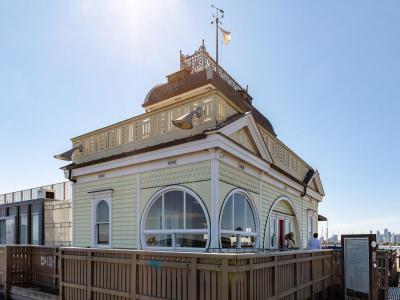
4) St Kilda Pavilion
The Saint Kilda Pavilion is one of the Melbourne seaside suburbs’ main landmarks and much loved reminder of the genteel history of the area. The pavilion itself sits out on the end of the pier, which dates back to 1853. It was originally known as Parer’s Pavilion when it was built in 1904 and it served tea and refreshments to beach goers and those coming to take the health giving sea air. Then, in 2003, disaster struck and the pavilion fell victim to an arson attack. Locals and politicians alike got behind the cause to restore the kiosk and it was rebuilt according to the original plans. An extension to the deck and the café at the back of the construction has ensured that the pavilion is able to meet the 21st century customer demands while maintaining its historical aspect.
Inside the pavilion, the kiosk is open from 8am until dusk each day and the Little Blue Restaurant provides an excellent menu and range of local wines alongside one of Melbourne’s best views. While strolling along the pier and visiting the pavilion, make sure to take the time to read the interactive panels that tell the visitor about the pier’s long and fascinating history.
Inside the pavilion, the kiosk is open from 8am until dusk each day and the Little Blue Restaurant provides an excellent menu and range of local wines alongside one of Melbourne’s best views. While strolling along the pier and visiting the pavilion, make sure to take the time to read the interactive panels that tell the visitor about the pier’s long and fascinating history.
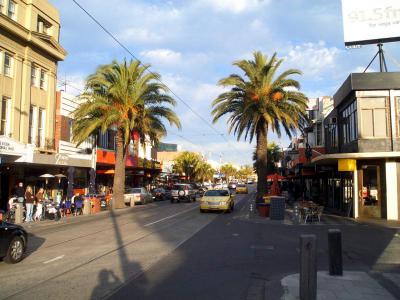
5) Acland Street
Melbourne is well known as Australia’s gastronomic capital, and one of the best loved dining precincts of the city is at Acland Street. The street is particularly well known for its cakes, sweets and bakeries, so make sure you have packed your sweet tooth on a visit here. Many of the patisseries, delicatessens, restaurants and cafes have been here for decades, before café culture was cool and back when Saint Kilda was considered a has-been of a suburb. Monarch Cakes is the oldest patisserie on the street having notched up more than a century serving sweets and cakes to customers, with some of the items on sale making use of 100 year old recipes.
Today, just a block back from Saint Kilda Beach, elderly continental European immigrants mix with backpackers, the hip set and moms and dads pushing prams. Acland Street was one of the very first streets in Saint Kilda to be surveyed and was named after Sir Thomas Acland, who had owned the schooner Lady of Saint Kilda between 1834 and 1840. It is close to other Saint Kilda landmarks such as the Palais Theatre and Luna Park. The Sunday market on the Esplanade nearby makes Acland Street a hugely popular place to while away the hours on a lazy weekend morning.
Today, just a block back from Saint Kilda Beach, elderly continental European immigrants mix with backpackers, the hip set and moms and dads pushing prams. Acland Street was one of the very first streets in Saint Kilda to be surveyed and was named after Sir Thomas Acland, who had owned the schooner Lady of Saint Kilda between 1834 and 1840. It is close to other Saint Kilda landmarks such as the Palais Theatre and Luna Park. The Sunday market on the Esplanade nearby makes Acland Street a hugely popular place to while away the hours on a lazy weekend morning.
6) Eildon Mansion
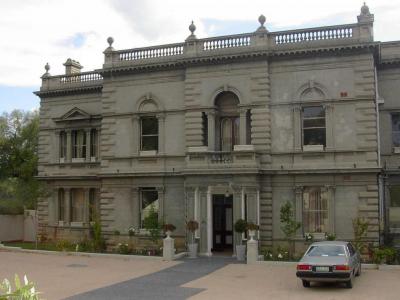
Melbourne during the 19th century was a city flush with wealth from one of the most lucrative gold rushes worldwide. The prosperity of the age is reflected in some of the impressive mansions that can still be seen around the city. Eildon Mansion is one such residence - built in 1850 and originally known as Barham House, it was extended in 1871 with new wings added. The home was built only a few short years after Melbourne was founded and this makes it one of the city’s oldest private residences.
Saint Kilda was at the time, an exclusive seaside suburb where the wealthy built their summer homes and Eildon Mansion was built for one of Victoria’s wealthiest landowners, John Lang Currie, for his retirement. When Mrs Currie died, the home was sold and around 1930 it became a guest house. Despite many decades as a guest house and backpacker’s hostel, the interior has been well maintained and much of the original design and fittings can still be seen. Features include marble mantelpieces, a cellar, servants’ quarters, romantic bay windows and ornate plastering. The Alliance Française purchased the residence in 2006 and although there are no formal tours, you can visit for a look through the beautiful old home.
Saint Kilda was at the time, an exclusive seaside suburb where the wealthy built their summer homes and Eildon Mansion was built for one of Victoria’s wealthiest landowners, John Lang Currie, for his retirement. When Mrs Currie died, the home was sold and around 1930 it became a guest house. Despite many decades as a guest house and backpacker’s hostel, the interior has been well maintained and much of the original design and fittings can still be seen. Features include marble mantelpieces, a cellar, servants’ quarters, romantic bay windows and ornate plastering. The Alliance Française purchased the residence in 2006 and although there are no formal tours, you can visit for a look through the beautiful old home.
7) St Kilda Town Hall
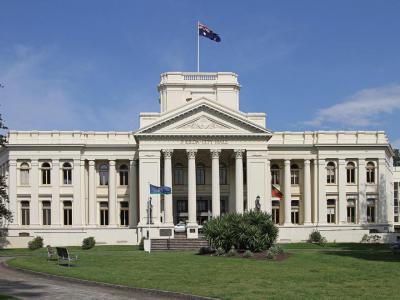
Saint Kilda Town Hall is a majestic city hall characterized by its classical architectural style. Its initial construction, which was never fully finished, began in 1890 and was intended to serve as the municipal offices and public hall for the former City of Saint Kilda. Throughout the early and mid-20th century, numerous additions, internal modifications, and alterations to its appearance were undertaken, solidifying its status as the civic and social hub of Saint Kilda.
In 1991, a destructive fire severely damaged the town hall and its art collection. An award-winning restoration and expansion project followed. In 1994, it became the City of Port Phillip headquarters, leading to more extensions and renovations. Despite changes, the hall remains a popular venue for social events, meetings, and performances for over 120 years.
The Saint Kilda town hall was commissioned as a replacement for an earlier building constructed in 1859 at the intersection of Grey and Barkly Streets. The decision to build on this site was made in 1883, and the location was officially selected in 1887. An elaborate design featuring towers, created by architect William Pitt in an ornate Second Empire style, emerged victorious in a limited design competition held in 1888.
The building, opened in 1890, remained incomplete with only the hall, front wing, and Carlisle Street wings built. In 1892, George Fincham installed a large pipe organ instead of completing it. Later, a classical portico was added in 1925, and an ornate stair-hall was created. An Art Deco Council Chamber was added in 1939, and a modernist addition in 1971.
In 1991, a destructive fire severely damaged the town hall and its art collection. An award-winning restoration and expansion project followed. In 1994, it became the City of Port Phillip headquarters, leading to more extensions and renovations. Despite changes, the hall remains a popular venue for social events, meetings, and performances for over 120 years.
The Saint Kilda town hall was commissioned as a replacement for an earlier building constructed in 1859 at the intersection of Grey and Barkly Streets. The decision to build on this site was made in 1883, and the location was officially selected in 1887. An elaborate design featuring towers, created by architect William Pitt in an ornate Second Empire style, emerged victorious in a limited design competition held in 1888.
The building, opened in 1890, remained incomplete with only the hall, front wing, and Carlisle Street wings built. In 1892, George Fincham installed a large pipe organ instead of completing it. Later, a classical portico was added in 1925, and an ornate stair-hall was created. An Art Deco Council Chamber was added in 1939, and a modernist addition in 1971.
8) Chapel Street Bazaar
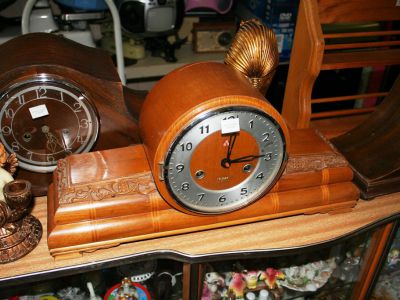
Chapel Street Bazaar is a diverse and fascinating treasure trove, offering a wide array of retro, vintage, collectible, rare, and unique items. They take pride in their extensive selection of goods, catering to a broad range of interests and tastes. You can discover a plethora of items here, including clothing, china, ceramics, war memorabilia, furniture, paintings, jewelry (both costume and high-end), lighting, taxidermy, industrial artifacts, clocks, glassware, records, musical instruments and equipment, dolls, textiles, fabrics, silverware, numismatics, advertising memorabilia, movie posters, and similar items.
In addition, you'll find kitchenware, comics, books, autographs, handbags, hats, tribal art, teddy bears, radios, bakelite and early plastic items, cameras, photographic equipment, toys, models, typewriters, pens, shoes, sunglasses, religious articles, icons, rocking horses, sewing machines, sporting memorabilia, trains, planes, automobiles, tin toys, garage-related items, vintage packaging, decorative flying ducks, medals, and virtually any other collectible item you can imagine.
In addition, you'll find kitchenware, comics, books, autographs, handbags, hats, tribal art, teddy bears, radios, bakelite and early plastic items, cameras, photographic equipment, toys, models, typewriters, pens, shoes, sunglasses, religious articles, icons, rocking horses, sewing machines, sporting memorabilia, trains, planes, automobiles, tin toys, garage-related items, vintage packaging, decorative flying ducks, medals, and virtually any other collectible item you can imagine.
