Custom Walk in Kuala Lumpur, Malaysia by kristof_annecour_d686a created on 2025-12-13
Guide Location: Malaysia » Kuala Lumpur
Guide Type: Custom Walk
# of Sights: 13
Tour Duration: 4 Hour(s)
Travel Distance: 8.9 Km or 5.5 Miles
Share Key: YJHNF
Guide Type: Custom Walk
# of Sights: 13
Tour Duration: 4 Hour(s)
Travel Distance: 8.9 Km or 5.5 Miles
Share Key: YJHNF
How It Works
Please retrieve this walk in the GPSmyCity app. Once done, the app will guide you from one tour stop to the next as if you had a personal tour guide. If you created the walk on this website or come to the page via a link, please follow the instructions below to retrieve the walk in the app.
Retrieve This Walk in App
Step 1. Download the app "GPSmyCity: Walks in 1K+ Cities" on Apple App Store or Google Play Store.



Step 2. In the GPSmyCity app, download(or launch) the guide "Kuala Lumpur Map and Walking Tours".
Step 3. Tap the menu button located at upper right corner of the "Walks" screen and select "Retrieve custom walk". Enter the share key: YJHNF
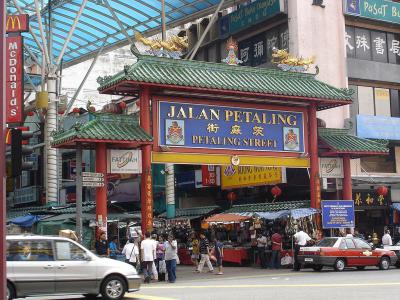
1) Petaling Street (Chinatown)
Right at the epicenter of the Chinatown in Kuala Lumpur is the famous Petaling Street, the buzzing street bazaar of the city. So brush up your haggling skills and put on your most comfy pair of shoes, for this is not a sight to miss!
You will find that there is very little that the street cannot offer. From clothes, bags and accessories to local brands of goodies, the street has it all. Not only are the day bazaars worth a visit, but the street is also known for its night markets. Apart from that, the street has some mouthwatering snack stalls and hawkers that make tasty local cuisine.
At the Petaling Street you will find the true essence of Kuala Lumpur’s street shopping. However, it's not all just about shopping. The area has some very pretty monuments and temples that are a pure delight to experience. Amongst these are the ornate South Indian Temple of Sri Mahamariamman and the Chan See Shu Yuen Temple, which is Chinese in origin and dates back to the early 20th century.
Why You Should Visit:
Local cuisine at its glorious best, plus bargain-able products!
You will find that there is very little that the street cannot offer. From clothes, bags and accessories to local brands of goodies, the street has it all. Not only are the day bazaars worth a visit, but the street is also known for its night markets. Apart from that, the street has some mouthwatering snack stalls and hawkers that make tasty local cuisine.
At the Petaling Street you will find the true essence of Kuala Lumpur’s street shopping. However, it's not all just about shopping. The area has some very pretty monuments and temples that are a pure delight to experience. Amongst these are the ornate South Indian Temple of Sri Mahamariamman and the Chan See Shu Yuen Temple, which is Chinese in origin and dates back to the early 20th century.
Why You Should Visit:
Local cuisine at its glorious best, plus bargain-able products!
2) Chinatown
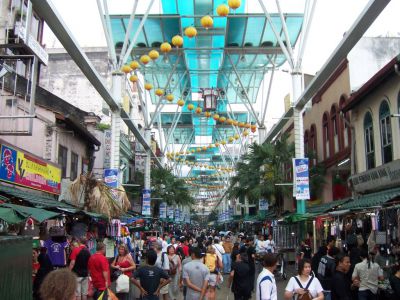
Kuala Lumpur's Chinatown is a dynamic, colorful area that perfectly illustrates the blend of old traditions and modern life. It's a great spot for anyone wanting to experience Chinese-Malaysian culture, packed with various activities and sights.
Petaling Street is at the core of Chinatown. It's known for its fashion stores and a big covered market selling a wide range of items like produce, clothing, and accessories. At night, Petaling Street turns into an evening market with red Chinese lanterns, offering a beautiful view. The street vendors sell all sorts of things, from fake designer clothes and bags to electronics, fresh produce, spices, and different souvenirs. This change from a busy day market to a lively night market gives a special feel, really showing what this place is about.
The food scene in Chinatown is a key feature, with everything from street food like nasi lemak and pisang goreng to high-end Chinese restaurants. Teh tarik, a popular local tea, is a must-try, combining taste and tradition.
Chinatown also has important religious sites like the Taoist Guan Di Temple and the 19th-century Sri Mahamariamman Temple, famous for its detailed facade with Hindu gods. These temples are not just spiritual places but also architectural wonders that show the rich history of the area. The Chan See Shu Yuen Temple is another highlight, offering insight into Chinatown's historical background amid modern tourist spots.
Petaling Street is at the core of Chinatown. It's known for its fashion stores and a big covered market selling a wide range of items like produce, clothing, and accessories. At night, Petaling Street turns into an evening market with red Chinese lanterns, offering a beautiful view. The street vendors sell all sorts of things, from fake designer clothes and bags to electronics, fresh produce, spices, and different souvenirs. This change from a busy day market to a lively night market gives a special feel, really showing what this place is about.
The food scene in Chinatown is a key feature, with everything from street food like nasi lemak and pisang goreng to high-end Chinese restaurants. Teh tarik, a popular local tea, is a must-try, combining taste and tradition.
Chinatown also has important religious sites like the Taoist Guan Di Temple and the 19th-century Sri Mahamariamman Temple, famous for its detailed facade with Hindu gods. These temples are not just spiritual places but also architectural wonders that show the rich history of the area. The Chan See Shu Yuen Temple is another highlight, offering insight into Chinatown's historical background amid modern tourist spots.
3) Sri Mahamariamman Temple
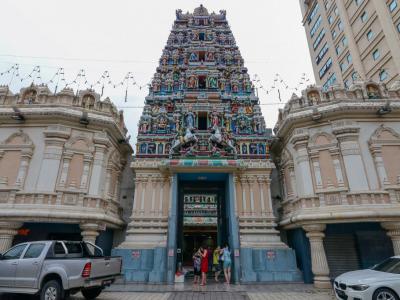
Kuala Lumpur in itself is a culmination of brewing together different cultures and people. The resultant of this rich blend of ideas, philosophies and heritage coming from different cultures and parts of the world is what makes it a fascinating place to visit and a tourist’s paradise. One such architectural example is the Sri Mahamariamman Temple.
Built in 1873, this enchanting temple is the oldest functioning Hindu Temple in Malaysia. Founded by K. Thamboosamy Pillai, a pre-independence Tamil settler and one of the most prominent figures in the Tamil community in the country, the Temple was initially used exclusively by the Pillai family. It was not until 1920s that they opened the doors so that it could become a place of worship for the immigrants from India.
One of the most striking features of the Sri Mahamariamman is its dramatic tower filled with intricate sculptures of the various Hindu deities – a whopping 228 idols. Known as the ‘gopuram’, the tower is dedicated to the deity Mariamman, protector of all those in distant lands to preserve them from the evils of the world. This temple is especially relevant because the procession at Thaipusam (Hindu festival) during the month of February starts from here.
Tip:
Entry is free, but ladies need to cover properly and shoes must be removed and stored on the side for a small fee (bring wet wipes for your feet to avoid getting socks dirty). Friday afternoon prayer time is an exciting experience; watching the ritual, and all the music to go with it.
Built in 1873, this enchanting temple is the oldest functioning Hindu Temple in Malaysia. Founded by K. Thamboosamy Pillai, a pre-independence Tamil settler and one of the most prominent figures in the Tamil community in the country, the Temple was initially used exclusively by the Pillai family. It was not until 1920s that they opened the doors so that it could become a place of worship for the immigrants from India.
One of the most striking features of the Sri Mahamariamman is its dramatic tower filled with intricate sculptures of the various Hindu deities – a whopping 228 idols. Known as the ‘gopuram’, the tower is dedicated to the deity Mariamman, protector of all those in distant lands to preserve them from the evils of the world. This temple is especially relevant because the procession at Thaipusam (Hindu festival) during the month of February starts from here.
Tip:
Entry is free, but ladies need to cover properly and shoes must be removed and stored on the side for a small fee (bring wet wipes for your feet to avoid getting socks dirty). Friday afternoon prayer time is an exciting experience; watching the ritual, and all the music to go with it.
4) Sze Ya Temple
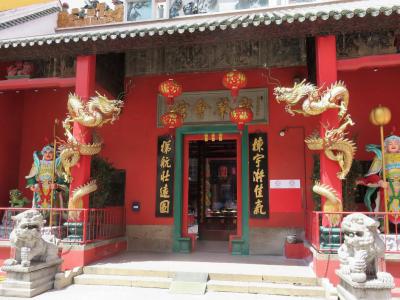
One of the most fascinating temples in Kuala Lumpur is the Sze Ya Temple. Located in China Town, this Taoist Temple is one of the city’s heritage sites. Cramped in the narrowest streets, the positioning and design of the Temple is in accordance to Feng Shui.
The Sze Ya Temple is one of the few structures that commemorate one of the founding fathers of Kuala Lumpur. Built by Kapitan Yap Ah Loy in 1864, the building hasn’t changed much from the day it was constructed. With elaborate roof ridges, and ornate interiors, the temple is a reflection of the old Chinese style of architecture. The Temple pays tribute to the deity Sin Sze Ya and Si Sze Ya, who are considered as the guardians of the immigrant Chinese miners.
It is believed that the entire burden of constructing this beautiful temple was taken over by Loy and to honor that, a statue of the Kapitan still stands to the left of the main altar.
The Sze Ya Temple is one of the oldest Taoist Temples in Kuala Lumpur and has witnessed most of the city's history.
The Sze Ya Temple is one of the few structures that commemorate one of the founding fathers of Kuala Lumpur. Built by Kapitan Yap Ah Loy in 1864, the building hasn’t changed much from the day it was constructed. With elaborate roof ridges, and ornate interiors, the temple is a reflection of the old Chinese style of architecture. The Temple pays tribute to the deity Sin Sze Ya and Si Sze Ya, who are considered as the guardians of the immigrant Chinese miners.
It is believed that the entire burden of constructing this beautiful temple was taken over by Loy and to honor that, a statue of the Kapitan still stands to the left of the main altar.
The Sze Ya Temple is one of the oldest Taoist Temples in Kuala Lumpur and has witnessed most of the city's history.
5) Jalan Alor (must see)
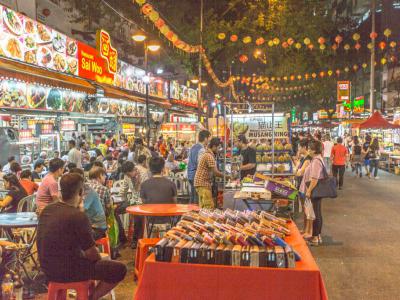
Jalan Alor is a notable street in Kuala Lumpur. Visitors to the city will find a vibrant nightlife, plenty of places to shop and, most of all, delicious food.
Food stalls, referred sometimes as hawker stalls, are set up on both sides of the street. As Malaysia is a blend of many cultures, so is the food. Patrons will find barbecue, seafood, noodles and more. Chinese, Thai, Vietnamese and Cambodian restaurants share space with vendors selling chicken drumsticks, bowls of ice cream and colorful arrays of fruit and vegetables from carts.
The area, lovingly referred to as Food Street, is not just for tourists. Plenty of locals populate the street thanks to its delicious food at reasonable prices. Many prefer the street food on Jalan Alor to the pricier sit-down cafes in other parts of the city.
Jalan Alor is a short street nestled between Jalan Tong Shin and Changkat Bukit Bintang. Stalls and restaurants are open throughout the day and night, so visitors can come here any time they feel a pang of hunger.
Food stalls, referred sometimes as hawker stalls, are set up on both sides of the street. As Malaysia is a blend of many cultures, so is the food. Patrons will find barbecue, seafood, noodles and more. Chinese, Thai, Vietnamese and Cambodian restaurants share space with vendors selling chicken drumsticks, bowls of ice cream and colorful arrays of fruit and vegetables from carts.
The area, lovingly referred to as Food Street, is not just for tourists. Plenty of locals populate the street thanks to its delicious food at reasonable prices. Many prefer the street food on Jalan Alor to the pricier sit-down cafes in other parts of the city.
Jalan Alor is a short street nestled between Jalan Tong Shin and Changkat Bukit Bintang. Stalls and restaurants are open throughout the day and night, so visitors can come here any time they feel a pang of hunger.
6) Kuala Lumpur City Centre (KLCC)
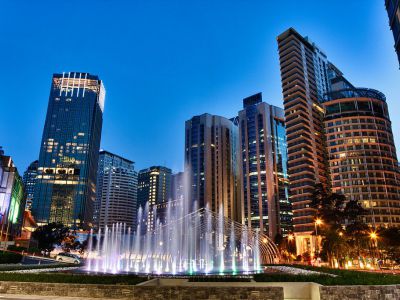
Kuala Lumpur City Centre (KLCC) stands as a versatile urban development zone within Kuala Lumpur. It serves as a multifaceted hub, encompassing elements of entertainment, commerce, and corporate activities. KLCC boasts some of Malaysia's most renowned landmarks, rendering it a highly sought-after destination for tourists. Visitors to this area can indulge in a plethora of activities ranging from dining, arts, and culture to leisurely pursuits, sightseeing, shopping, and entertainment.
This locality is situated in close proximity to prominent thoroughfares like Jalan Ampang, Jalan P. Ramlee, Jalan Binjai, Jalan Kia Peng, and Jalan Pinang. It houses various shopping complexes such as Suria KLCC and Avenue K. Additionally, several hotels, including G Tower, Mandarin Oriental, Grand Hyatt Kuala Lumpur, and InterContinental Kuala Lumpur, are conveniently accessible on foot.
Designed to function as a self-contained urban enclave, this sprawling 100-acre site encompasses the world's tallest twin towers, a shopping mall, office buildings, and numerous hotels. A public park and a mosque have also been integrated into the surroundings, offering open access to all. The entire project benefits from district cooling infrastructure to maintain a comfortable environment throughout the premises.
Why You Should Visit:
If you're looking for a place to take pictures of the Petronas Twin Towers, the KLCC park can be considered. There's also a proper 1.2km track for you to run, too, and a free light show each evening.
This locality is situated in close proximity to prominent thoroughfares like Jalan Ampang, Jalan P. Ramlee, Jalan Binjai, Jalan Kia Peng, and Jalan Pinang. It houses various shopping complexes such as Suria KLCC and Avenue K. Additionally, several hotels, including G Tower, Mandarin Oriental, Grand Hyatt Kuala Lumpur, and InterContinental Kuala Lumpur, are conveniently accessible on foot.
Designed to function as a self-contained urban enclave, this sprawling 100-acre site encompasses the world's tallest twin towers, a shopping mall, office buildings, and numerous hotels. A public park and a mosque have also been integrated into the surroundings, offering open access to all. The entire project benefits from district cooling infrastructure to maintain a comfortable environment throughout the premises.
Why You Should Visit:
If you're looking for a place to take pictures of the Petronas Twin Towers, the KLCC park can be considered. There's also a proper 1.2km track for you to run, too, and a free light show each evening.
7) Petronas Towers (must see)
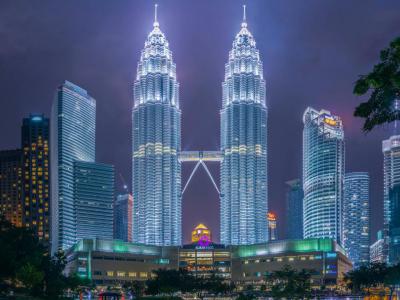
Petronas Towers are arguably the most notable landmarks in all of Malaysia. Looking over KLCC Park and Simfoni Lake, Petronas Towers stand at 1,483 feet, making them the tallest twin towers in the world.
The towers were designed by Cesar Pelli, an Argentinian architect who used Postmodern Islamic architecture to create the unique style. Petronas Towers are made from a combination of reinforced concrete, steel and glass. Construction on the towers began in 1993 and was completed six years later in 1999.
At the time of its completion, Petronas Towers were listed as the tallest buildings in the world. Since that time, the towers have been overshadowed by buildings like Taipei 101, One World Trade Center and the Burj Khalifa. They continue to be the tallest buildings in Malaysia at just 23 feet higher than the Exchange 106.
Visitors are welcome in either tower where they can explore the Petrosains Discovery Centre and the Petronas Art Gallery. They can walk the Sky Bridge that connects the two towers on the 42nd floor. An observatory deck is located on the 86th floor of Tower Two.
Suria KLCC is a retail space at the base of Petronas Towers. The shopping center is home to luxury shops, an aquarium, an art gallery and a science center.
Why You Should Visit:
It is a real cool experience to see the tallest twin towers in the world and catch a view of Kuala Lumpur from the observation deck
Tips:
Visitors are welcome in the towers between 10 AM and 6 PM on Tuesdays through Sundays. Tickets must be reserved in advance.
The towers were designed by Cesar Pelli, an Argentinian architect who used Postmodern Islamic architecture to create the unique style. Petronas Towers are made from a combination of reinforced concrete, steel and glass. Construction on the towers began in 1993 and was completed six years later in 1999.
At the time of its completion, Petronas Towers were listed as the tallest buildings in the world. Since that time, the towers have been overshadowed by buildings like Taipei 101, One World Trade Center and the Burj Khalifa. They continue to be the tallest buildings in Malaysia at just 23 feet higher than the Exchange 106.
Visitors are welcome in either tower where they can explore the Petrosains Discovery Centre and the Petronas Art Gallery. They can walk the Sky Bridge that connects the two towers on the 42nd floor. An observatory deck is located on the 86th floor of Tower Two.
Suria KLCC is a retail space at the base of Petronas Towers. The shopping center is home to luxury shops, an aquarium, an art gallery and a science center.
Why You Should Visit:
It is a real cool experience to see the tallest twin towers in the world and catch a view of Kuala Lumpur from the observation deck
Tips:
Visitors are welcome in the towers between 10 AM and 6 PM on Tuesdays through Sundays. Tickets must be reserved in advance.
8) Kuala Lumpur Tower (Menara) (must see)
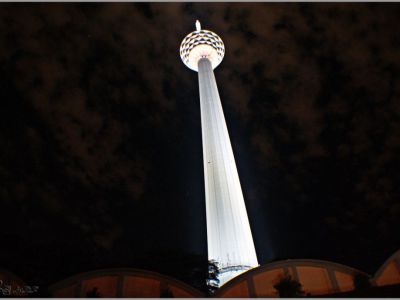
Built at the heart of the Golden Triangle of Kuala Lumpur is the slender tower of Kuala Lumpur or the Menara Kuala Lumpur. Surrounded by trees and a lush forest, the Tower actually resides in the heart of the forest reserve of the city. Inaugurated by the Prime Minister, YAB Dato Seri Dr. Mahathir Mohamad, in 1996, the Tower took four years to complete.
The main reason for creating this stunning slender piece of engineering and architecture was facilitating the telecommunications and broadcasting power of the city. The Menara stands just fifth in rank for the world’s tallest structures. Soaring at a height of 421 meters or 1,381 feet, inclusive of the antenna, the Menara is perched atop the Bukit Nana which is 94 meters above sea level, making it reach higher than the Petronas Towers.
Although the Tower stands amidst the forest reserve, grave pains were taken to see to it that the construction of the Menara did not affect the reserve. In fact, a RM 430,000 wall was constructed around the oldest tree to protect it.
The Tower is open from 9 o'clock in the morning until 10 o'clock in the evening during which time the visitors can enjoy the breathtaking panoramic views of the city of Kuala Lumpur.
The main reason for creating this stunning slender piece of engineering and architecture was facilitating the telecommunications and broadcasting power of the city. The Menara stands just fifth in rank for the world’s tallest structures. Soaring at a height of 421 meters or 1,381 feet, inclusive of the antenna, the Menara is perched atop the Bukit Nana which is 94 meters above sea level, making it reach higher than the Petronas Towers.
Although the Tower stands amidst the forest reserve, grave pains were taken to see to it that the construction of the Menara did not affect the reserve. In fact, a RM 430,000 wall was constructed around the oldest tree to protect it.
The Tower is open from 9 o'clock in the morning until 10 o'clock in the evening during which time the visitors can enjoy the breathtaking panoramic views of the city of Kuala Lumpur.
9) Jamek Mosque
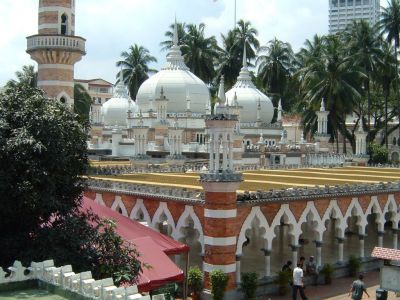
Within the urban skyscrapers, tucked amidst the serene landscape of palm trees is the beautiful Masjid Jamek. Located at the point where the two rivers, Sungei Klang and the Sungei Gombak meet, the Masjid provides an ambiance of tranquility and quiet in the heart of Kuala Lumpur.
Thronged with worshippers on Fridays and with tourists the rest of the days, the Masjid Jamek is a sight one cannot afford to miss in Kuala Lumpur. In its white and brick red appearance with its old school architecture, the Masjid looks quite distinct in the concrete mechanized surrounding. Designed by Arthur Benison Hubback, this building too draws inspiration from the architectural blend that swept the Indian sub-continent.
Built in the early years of the 20th century, the Masjid was inaugurated by the Sultan of Selangor in 1907. For over a century now the Masjid has been the central point for city. For a long time, the Masjid Jamek was the main mosque of Kuala Lumpur. This title was later transferred to the National Mosque that came into existence in 1965. Apart from being the oldest mosque in the city, the Masjid is also the point from where the city of Kuala Lumpur came into being. The Mosque was built at the very site where the early settlers are believed to have settled.
Thronged with worshippers on Fridays and with tourists the rest of the days, the Masjid Jamek is a sight one cannot afford to miss in Kuala Lumpur. In its white and brick red appearance with its old school architecture, the Masjid looks quite distinct in the concrete mechanized surrounding. Designed by Arthur Benison Hubback, this building too draws inspiration from the architectural blend that swept the Indian sub-continent.
Built in the early years of the 20th century, the Masjid was inaugurated by the Sultan of Selangor in 1907. For over a century now the Masjid has been the central point for city. For a long time, the Masjid Jamek was the main mosque of Kuala Lumpur. This title was later transferred to the National Mosque that came into existence in 1965. Apart from being the oldest mosque in the city, the Masjid is also the point from where the city of Kuala Lumpur came into being. The Mosque was built at the very site where the early settlers are believed to have settled.
10) Dataran Merdeka (Independence Square)
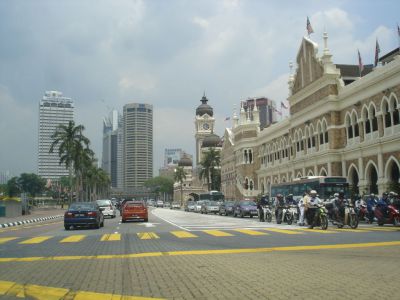
Dataran Merdeka, or Independence Square, is a historic site that has a special place in the heart of every citizen of Malaysia. On your visit to Kuala Lumpur, you are bound to visit the Independence Square for it is surrounded by some historic landmarks and prominent buildings.
Built during the reign of the British Empire, the Independence Square was used as the ground to play one of England’s most beloved games, cricket. Overseeing the square was the Selangor Club which was a British club founded in 1884 as a meeting place for high-ranking members of the British colonial society.
On the opposite of the square is the Sultan Abdul Samad Building currently the office of the Ministry of Information, Communication and Culture of Malaysia. To the South is the former National History Museum and Kuala Lumpur City Gallery - together they tell the story of Kuala Lumpur as a city.
To the North is the Saint Mary's Anglican Cathedral, currently the Diocese of West Malaysia and the see of the Bishop of West Malaysia. A short distance from the square there is the original Kuala Lumpur Railway Station, a fairytale Moorish-style building completed in 1886 and still operational.
On the midnight of 31 August 1957, the Union Jack went down and the Malayan Flag was raised here for the first time. This is also why the square is called Independence Square. Every year, the Independence Day celebrations are held here.
Built during the reign of the British Empire, the Independence Square was used as the ground to play one of England’s most beloved games, cricket. Overseeing the square was the Selangor Club which was a British club founded in 1884 as a meeting place for high-ranking members of the British colonial society.
On the opposite of the square is the Sultan Abdul Samad Building currently the office of the Ministry of Information, Communication and Culture of Malaysia. To the South is the former National History Museum and Kuala Lumpur City Gallery - together they tell the story of Kuala Lumpur as a city.
To the North is the Saint Mary's Anglican Cathedral, currently the Diocese of West Malaysia and the see of the Bishop of West Malaysia. A short distance from the square there is the original Kuala Lumpur Railway Station, a fairytale Moorish-style building completed in 1886 and still operational.
On the midnight of 31 August 1957, the Union Jack went down and the Malayan Flag was raised here for the first time. This is also why the square is called Independence Square. Every year, the Independence Day celebrations are held here.
11) Sultan Abdul Samad Building
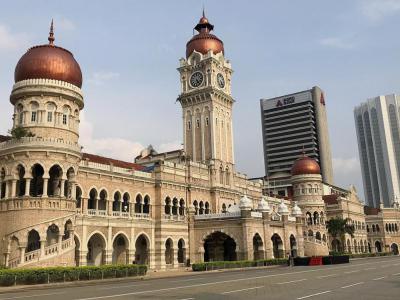
The Sultan Abdul Samad Building is undoubtedly one of the grandest structures in the skyline of Kuala Lumpur. Standing proudly at the Jalan Raja, the building emanates authority, heritage and elegance. Located on the opposite side of the Independence Square from the Royal Selangor Club, the Sultan Abdul Samad Building is one of the city's most treasured landmarks.
Built during the British occupation, the structure took shape in 1897. The chief architect responsible for its regal construction was A.C Norman along with chief engineer C.E Spooner. The building was named after the fourth Sultan of Selangor under whose reign the building was constructed, and boasts an excellent blend Indo-Islamic and Neo-Gothic architectural styles. History has it that Norman, in fact, visited India and from the visit drew inspiration for many of his designs.
One of the oldest structures in Kuala Lumpur, the Sultan Abdul Building has been used by the government since its inception and presently houses the Ministry of Information, Communication and Culture of Malaysia. The structure is truly spectacular and definitely worth the visit.
Why You Should Visit:
As majestic as it is during the day, when it is lit up at night, the building looks simply magical.
Tip:
Don't miss the backyard of the Sultan Abdul Samad Building, either. Facing the river, it forms a peaceful garden with tiled fountains and wrought iron benches to relax on. White marble, yellow tiles, and the freshly planted greenery create a harmonious background for the building.
Built during the British occupation, the structure took shape in 1897. The chief architect responsible for its regal construction was A.C Norman along with chief engineer C.E Spooner. The building was named after the fourth Sultan of Selangor under whose reign the building was constructed, and boasts an excellent blend Indo-Islamic and Neo-Gothic architectural styles. History has it that Norman, in fact, visited India and from the visit drew inspiration for many of his designs.
One of the oldest structures in Kuala Lumpur, the Sultan Abdul Building has been used by the government since its inception and presently houses the Ministry of Information, Communication and Culture of Malaysia. The structure is truly spectacular and definitely worth the visit.
Why You Should Visit:
As majestic as it is during the day, when it is lit up at night, the building looks simply magical.
Tip:
Don't miss the backyard of the Sultan Abdul Samad Building, either. Facing the river, it forms a peaceful garden with tiled fountains and wrought iron benches to relax on. White marble, yellow tiles, and the freshly planted greenery create a harmonious background for the building.
12) Railway Station
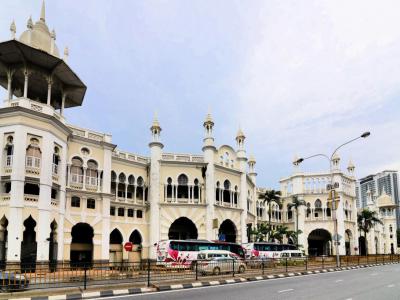
There's hardly any other railway station in the world as grand and spectacular as the one on Jalan Sultan Hishamuddin Road in Kuala Lumpur. With an immaculate exterior and bold Indo-Mughal pillars and arches, the railway station can be easily mistaken for a palace in the city. A must visit on your architectural tour of the Malaysian capital; this railway station is one of those structures that make architectural landscape of Kuala Lumpur not only unique but also unforgettable.
Built in 1910, the present structure took place of the preceding railway station, known as the Resident Station, which stood on the same site. Designed by Arthur Benison Hubback, the architect who has many renowned buildings to his credit, the design of this magnificent structure came into being only courtesy of inspiration from the Anglo-Asian architecture. Having spent many years in India, Hubback architected many buildings throughout the country after which he moved to Malaysia.
A total sum of around RM 23,000 was expended on construction of this masterpiece of a terminus. The Indo-Saracenic connection is evidently seen in many structural monuments in the city and the railway station is one of them. Although the exterior of the station has remained unchanged, the interiors have been redone several times.
Built in 1910, the present structure took place of the preceding railway station, known as the Resident Station, which stood on the same site. Designed by Arthur Benison Hubback, the architect who has many renowned buildings to his credit, the design of this magnificent structure came into being only courtesy of inspiration from the Anglo-Asian architecture. Having spent many years in India, Hubback architected many buildings throughout the country after which he moved to Malaysia.
A total sum of around RM 23,000 was expended on construction of this masterpiece of a terminus. The Indo-Saracenic connection is evidently seen in many structural monuments in the city and the railway station is one of them. Although the exterior of the station has remained unchanged, the interiors have been redone several times.
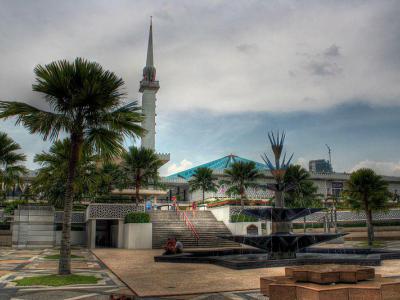
13) National Mosque of Malaysia (Masjid Negara)
Kuala Lumpur is a rich blend of culture, heritage and modernization where each building and structure has a fascinating past and a story for everyone to hear. Such is the case with the striking National Mosque of Malaysia, where non-Muslims are welcome to visit outside of prayer time.
The National Mosque of Malaysia is one of the most prominent buildings in the skyline of Kuala Lumpur. Covering a massive area of over 13 acres, this post-independence structure has the capacity of seating almost 15,000 people, thus, making it one of the largest mosques in South East Asia.
The Mosque was one of the first few structures that were built post the Malay independence and was meant to honor the Malaysian freedom from the British rule. It was built on the sight of a previously erected Gospel Hall which was later seized by the Malay Government.
The National Mosque of Malaysia was completed in 1965 by a team of three talented architects: UK-based architect Howard Ashley, and Malaysian origin, Hisham Albakri and Baharuddin Kassim. Although the structure was religious in origin, the design and style of the building were intelligently ahead of its time. One of the most striking features of the mosque is the umbrella roof which according to some, symbolizes protection and shelter while architecturally is a clever solution to achieving a greater coverage over a large area.
Why You Should Visit:
The elegance of the mosque is in its towering white minaret, the use of water and the wonderful geometric patterning of its outer courtyards.
Tip:
Be sure to go to the visitor's entrance if you aren't there to pray. There are robes for visitors to borrow free of charge if they don't meet the dress code. There also are benches to wait on outside the entrance if you arrive early, and helpfully, free WiFi too (and a little shop for refreshments). Great to combine a visit with the Islamic Arts Museum just around the corner.
The National Mosque of Malaysia is one of the most prominent buildings in the skyline of Kuala Lumpur. Covering a massive area of over 13 acres, this post-independence structure has the capacity of seating almost 15,000 people, thus, making it one of the largest mosques in South East Asia.
The Mosque was one of the first few structures that were built post the Malay independence and was meant to honor the Malaysian freedom from the British rule. It was built on the sight of a previously erected Gospel Hall which was later seized by the Malay Government.
The National Mosque of Malaysia was completed in 1965 by a team of three talented architects: UK-based architect Howard Ashley, and Malaysian origin, Hisham Albakri and Baharuddin Kassim. Although the structure was religious in origin, the design and style of the building were intelligently ahead of its time. One of the most striking features of the mosque is the umbrella roof which according to some, symbolizes protection and shelter while architecturally is a clever solution to achieving a greater coverage over a large area.
Why You Should Visit:
The elegance of the mosque is in its towering white minaret, the use of water and the wonderful geometric patterning of its outer courtyards.
Tip:
Be sure to go to the visitor's entrance if you aren't there to pray. There are robes for visitors to borrow free of charge if they don't meet the dress code. There also are benches to wait on outside the entrance if you arrive early, and helpfully, free WiFi too (and a little shop for refreshments). Great to combine a visit with the Islamic Arts Museum just around the corner.
