Custom Walk in London, England by tiarnfrost_f9ff4e created on 2026-02-11
Guide Location: England » London
Guide Type: Custom Walk
# of Sights: 7
Tour Duration: 3 Hour(s)
Travel Distance: 5.9 Km or 3.7 Miles
Share Key: KEXA9
Guide Type: Custom Walk
# of Sights: 7
Tour Duration: 3 Hour(s)
Travel Distance: 5.9 Km or 3.7 Miles
Share Key: KEXA9
How It Works
Please retrieve this walk in the GPSmyCity app. Once done, the app will guide you from one tour stop to the next as if you had a personal tour guide. If you created the walk on this website or come to the page via a link, please follow the instructions below to retrieve the walk in the app.
Retrieve This Walk in App
Step 1. Download the app "GPSmyCity: Walks in 1K+ Cities" on Apple App Store or Google Play Store.



Step 2. In the GPSmyCity app, download(or launch) the guide "London Map and Walking Tours".
Step 3. Tap the menu button located at upper right corner of the "Walks" screen and select "Retrieve custom walk". Enter the share key: KEXA9
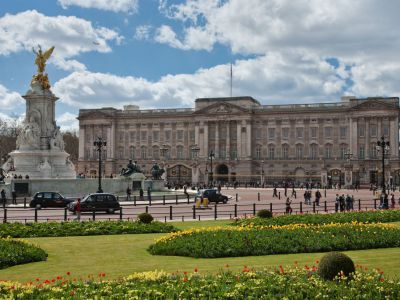
1) Buckingham Palace (must see)
The postcard-perfect face of the British monarchy, Buckingham Palace is possibly the world’s fanciest “office.” What began in 1703 as a cozy townhouse for the Duke of Buckingham (hence the name) ended up becoming royal property in 1761 when King George III bought it for his wife, Queen Charlotte. By 1837, Queen Victoria had officially moved in, setting up camp and turning it into the headquarters of royal business and the heart of Britain's ceremonial life ever since.
Today, the palace packs a whopping 775 rooms, including 52 royal and guest bedrooms, 78 bathrooms (because clearly, you never know when you’ll need a backup loo), and countless other rooms fit for everything from crown-polishing to state banquets. While most of these royal spaces are strictly off-limits, commoners-like us, the curious public-can sneak a peek during special visiting seasons, mainly August and September, plus select days in winter and spring.
Step inside the palace’s 19 State Rooms and prepare to have your jaw royally dropped. Here, we’re talking chandeliers that could double as UFOs, lavish gold trim, and masterpieces by Rembrandt and Rubens just casually hanging around. You’ll stroll through the Throne Room (cue the imaginary fanfare), the Ballroom where knighthoods are handed out like royal gold stars, the Grand Staircase, and a variety of drawing rooms, each with its own personality-from the Blue Drawing Room’s stately charm to the Music Room’s lapis columns and the gleaming White Drawing Room. Don’t skip the State Dining Room either-this is where the portraits watch you more than you watch them.
Outside, the Changing of the Guard steals the show with its precision marching, bearskin hats, and musical flair. It’s essentially a military ballet, free of charge-but do arrive early for the best view, as everyone and their selfie stick wants in.
Right next door, the Queen’s Gallery serves up rotating exhibits from the Royal Collection, including priceless paintings, sparkling jewels, and historic treasures galore. A few steps away, the Royal Mews stables show off the royal horses and carriages, because royalty of all people needs a stylish ride.
Tip:
Snag a timed-entry ticket (they’re released in 15-minute waves), and if you’ve got time, tack on a garden tour for some fresh air and manicured perfection. Give yourself two hours-minimum-because once you step into Buckingham Palace, you’ll want to soak up every royal second.
Today, the palace packs a whopping 775 rooms, including 52 royal and guest bedrooms, 78 bathrooms (because clearly, you never know when you’ll need a backup loo), and countless other rooms fit for everything from crown-polishing to state banquets. While most of these royal spaces are strictly off-limits, commoners-like us, the curious public-can sneak a peek during special visiting seasons, mainly August and September, plus select days in winter and spring.
Step inside the palace’s 19 State Rooms and prepare to have your jaw royally dropped. Here, we’re talking chandeliers that could double as UFOs, lavish gold trim, and masterpieces by Rembrandt and Rubens just casually hanging around. You’ll stroll through the Throne Room (cue the imaginary fanfare), the Ballroom where knighthoods are handed out like royal gold stars, the Grand Staircase, and a variety of drawing rooms, each with its own personality-from the Blue Drawing Room’s stately charm to the Music Room’s lapis columns and the gleaming White Drawing Room. Don’t skip the State Dining Room either-this is where the portraits watch you more than you watch them.
Outside, the Changing of the Guard steals the show with its precision marching, bearskin hats, and musical flair. It’s essentially a military ballet, free of charge-but do arrive early for the best view, as everyone and their selfie stick wants in.
Right next door, the Queen’s Gallery serves up rotating exhibits from the Royal Collection, including priceless paintings, sparkling jewels, and historic treasures galore. A few steps away, the Royal Mews stables show off the royal horses and carriages, because royalty of all people needs a stylish ride.
Tip:
Snag a timed-entry ticket (they’re released in 15-minute waves), and if you’ve got time, tack on a garden tour for some fresh air and manicured perfection. Give yourself two hours-minimum-because once you step into Buckingham Palace, you’ll want to soak up every royal second.
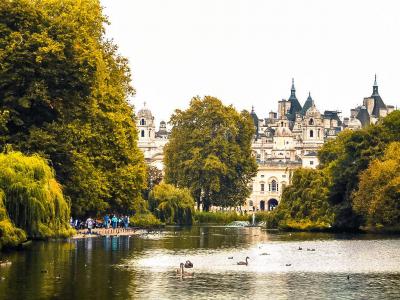
2) St. James's Park (must see)
Once upon a royal time, a queen casually asked her courtier how much it would cost to kick the public out of St. James’s Park. The courtier, with nerves of steel and a flair for drama, replied, “Only your crown, ma’am.” And that pretty much sums up the importance of this place-mess with the people’s park, and you’re one coronation short of a monarchy.
Wedged gracefully between three heavy-hitters-Buckingham Palace, St. James’s Palace, and the political power zone of Westminster-St. James’s Park is London’s oldest and arguably most charming green retreat. Back in 1532, Henry VIII thought this marsh was in great need of deer, so he snapped it up for his very own deer nursery. Later, during the reign of James I, the land was drained, and an aviary was installed (giving rise to the name Birdcage Walk), along with a zoo that featured exotic species like crocodiles, camels, and even an elephant.
Then came Charles II, freshly returned from exile in France with some serious garden envy after ogling Versailles. He rolled up his sleeves and transformed the park into a regal playground with neat avenues, fruit trees, a canal, and a whole zoo of goats, sheep, and deer casually grazing the lawns. By the 1700s, the park had taken a turn for the scandalous, becoming a preferred hunting ground for the affluent individuals seeking... nighttime companions.
In the 19th century, the romantic stylings of John Nash (one of the foremost British architects of the Georgian and Regency eras) gave the park its current look-a picturesque escape with winding paths and dreamy views. Peer down the lake toward Buckingham Palace, and you can easily imagine having wandered onto a countryside estate-until a pelican flaps by.
Speaking of birds, Duck Island at the lake’s eastern tip is a feathery haven for pelicans, swans (King-owned, naturally), geese, and ducks. From March to October, deck chairs appear like sun-seeking mushrooms-perfect for office lunch breaks or tuning into a bandstand performance at midday.
Evenings are a delight here too, as the lake reflects the glowing silhouettes of Westminster Abbey and the Parliament buildings. It’s part fairy tale, part postcard, and entirely worth a visit. Lush lawns, birds with better titles than you, and the occasional live performance. Basically, it’s where London goes to exhale...
Wedged gracefully between three heavy-hitters-Buckingham Palace, St. James’s Palace, and the political power zone of Westminster-St. James’s Park is London’s oldest and arguably most charming green retreat. Back in 1532, Henry VIII thought this marsh was in great need of deer, so he snapped it up for his very own deer nursery. Later, during the reign of James I, the land was drained, and an aviary was installed (giving rise to the name Birdcage Walk), along with a zoo that featured exotic species like crocodiles, camels, and even an elephant.
Then came Charles II, freshly returned from exile in France with some serious garden envy after ogling Versailles. He rolled up his sleeves and transformed the park into a regal playground with neat avenues, fruit trees, a canal, and a whole zoo of goats, sheep, and deer casually grazing the lawns. By the 1700s, the park had taken a turn for the scandalous, becoming a preferred hunting ground for the affluent individuals seeking... nighttime companions.
In the 19th century, the romantic stylings of John Nash (one of the foremost British architects of the Georgian and Regency eras) gave the park its current look-a picturesque escape with winding paths and dreamy views. Peer down the lake toward Buckingham Palace, and you can easily imagine having wandered onto a countryside estate-until a pelican flaps by.
Speaking of birds, Duck Island at the lake’s eastern tip is a feathery haven for pelicans, swans (King-owned, naturally), geese, and ducks. From March to October, deck chairs appear like sun-seeking mushrooms-perfect for office lunch breaks or tuning into a bandstand performance at midday.
Evenings are a delight here too, as the lake reflects the glowing silhouettes of Westminster Abbey and the Parliament buildings. It’s part fairy tale, part postcard, and entirely worth a visit. Lush lawns, birds with better titles than you, and the occasional live performance. Basically, it’s where London goes to exhale...
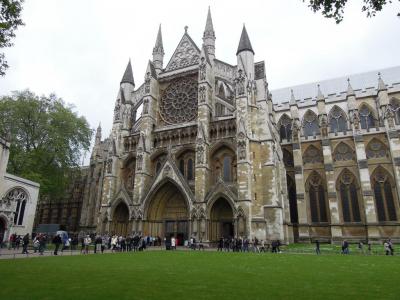
3) Westminster Abbey (must see)
Westminster Abbey-the Gothic heavyweight champion of British heritage, parked squarely in the City of Westminster. Back in the day, Westminster wasn’t even part of London proper. It was its own thing.
The roots of this holy site stretch all the way back to the late 10th century. But it wasn’t until King Edward the Confessor decided to go full Romanesque here, in the 11th century, that things got serious. He turned the abbey into one of Europe’s top-tier religious mega-structures. Edward didn’t live to see it fully materialize, though, but history appreciates his effort.
In 1245, Henry III kicked off construction of the Gothic version we see today. He also commissioned the fancy Cosmati pavement near the High Altar-because kings of all people do appreciate custom flooring. Most of what we admire here now was wrapped up under Richard II, and in 1519, Henry VII added a gorgeous chapel to the Virgin Mary for good measure. As for the iconic west towers, Early Gothic Revival, they were built between 1722 and 1745.
But Westminster Abbey is not just a church. No. It’s the spiritual VIP lounge of the UK. Monarchs have been crowned here since 1066, starting with William the Conqueror. It’s also the final resting place for legends: Queen Elizabeth I, Isaac Newton, Charles Darwin, Geoffrey Chaucer, Rudyard Kipling, Laurence Olivier… Basically, if you’ve made Britain proud, there’s a plot here waiting for you.
And don’t forget the emotional landmarks: Princess Diana’s funeral in 1997, and the royal wedding of Prince William and Kate Middleton in 2011. Yes, this place has seen more royal drama than a season of The Crown.
If you consider visiting, remember: Lines form year-round, so book online to skip the queue like a pro. But don’t plan your Instagram reel just yet-no photography inside is allowed. It’s all eyes and memory...
As a bonus round, make a literary pilgrimage to Poet’s Corner and pay respects to Mr. Charles Dickens himself. Per his modest request, his gravestone simply reads:
CHARLES DICKENS
BORN 7th FEBRUARY 1812
DIED 9th JUNE 1870
Dickens died in Kent, but the public insisted-and The Times newspaper rallied behind the cause-that only Westminster would do as his final resting place. The funeral was private. The legacy-immortal.
So, whether it’s the soaring arches, the centuries of coronations, or the sheer weight of brilliance buried beneath your feet, Westminster Abbey is London in its architectural form-solemn, storied, and just a touch dramatic.
The roots of this holy site stretch all the way back to the late 10th century. But it wasn’t until King Edward the Confessor decided to go full Romanesque here, in the 11th century, that things got serious. He turned the abbey into one of Europe’s top-tier religious mega-structures. Edward didn’t live to see it fully materialize, though, but history appreciates his effort.
In 1245, Henry III kicked off construction of the Gothic version we see today. He also commissioned the fancy Cosmati pavement near the High Altar-because kings of all people do appreciate custom flooring. Most of what we admire here now was wrapped up under Richard II, and in 1519, Henry VII added a gorgeous chapel to the Virgin Mary for good measure. As for the iconic west towers, Early Gothic Revival, they were built between 1722 and 1745.
But Westminster Abbey is not just a church. No. It’s the spiritual VIP lounge of the UK. Monarchs have been crowned here since 1066, starting with William the Conqueror. It’s also the final resting place for legends: Queen Elizabeth I, Isaac Newton, Charles Darwin, Geoffrey Chaucer, Rudyard Kipling, Laurence Olivier… Basically, if you’ve made Britain proud, there’s a plot here waiting for you.
And don’t forget the emotional landmarks: Princess Diana’s funeral in 1997, and the royal wedding of Prince William and Kate Middleton in 2011. Yes, this place has seen more royal drama than a season of The Crown.
If you consider visiting, remember: Lines form year-round, so book online to skip the queue like a pro. But don’t plan your Instagram reel just yet-no photography inside is allowed. It’s all eyes and memory...
As a bonus round, make a literary pilgrimage to Poet’s Corner and pay respects to Mr. Charles Dickens himself. Per his modest request, his gravestone simply reads:
CHARLES DICKENS
BORN 7th FEBRUARY 1812
DIED 9th JUNE 1870
Dickens died in Kent, but the public insisted-and The Times newspaper rallied behind the cause-that only Westminster would do as his final resting place. The funeral was private. The legacy-immortal.
So, whether it’s the soaring arches, the centuries of coronations, or the sheer weight of brilliance buried beneath your feet, Westminster Abbey is London in its architectural form-solemn, storied, and just a touch dramatic.
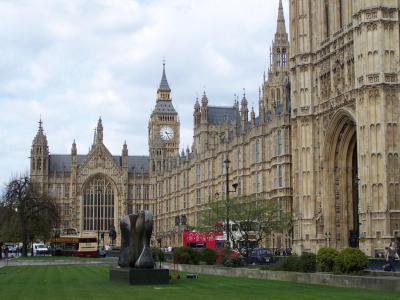
4) Big Ben & Houses of Parliament (must see)
Ah yes, Big Ben-London’s most famous timekeeper! Often mistaken for the entire tower, technically, it's just the bell inside. The tower itself, once modestly named the Clock Tower, got a royal upgrade in 2012 and is now known as the Elizabeth Tower, in honor of Queen Elizabeth II’s Diamond Jubilee.
As for Big Ben-the bell-it weighs a jaw-dropping 15 tonnes. That’s about the weight of three adult elephants. It chimes every hour with a deep, resonant bong that echoes across the city, while four smaller bells handle the quarter-hour duties like loyal timekeeping sidekicks.
As for the name “Big Ben”, theories abound. Some say it was named after Benjamin Hall, the rather large man in charge of installing the bell. Others swear it honors Benjamin Caunt, a Victorian heavyweight boxer. Either way, it’s clear: you didn’t get to be “Big Ben” by being discreet.
Just next door, you'll find the Palace of Westminster, home of the Houses of Parliament-that’s the House of Commons and the House of Lords for those keeping score. After a fire in 1834 burned the old palace to a crisp, King William IV generously offered up Buckingham Palace as a backup. The MPs politely declined, presumably because having tea in the Throne Room seemed a bit too much.
These days, the House of Commons is often in the headlines, especially during the theatrical Wednesdays known as Prime Minister’s Questions. Yes, it’s as lively as it sounds. The public can watch the action live, either by scoring a free ticket through their MP or simply queuing up outside (bonus points if it’s raining-very British).
In terms of security, expect the full “airport-lite” treatment. Bags scanned, belts off, shoes inspected-but thankfully, no need to explain your carry-on liquids.
Now, if the idea of parliamentary debates doesn’t tickle your fancy and you’re more into aesthetic admiration, simply head over to Westminster Bridge-some 500 yards away. From there, you’ll get the postcard shot of Big Ben and the Parliament buildings, no queuing or shoe removal required. Just you, the view, and a thousand other camera-happy tourists. Smile for history!
As for Big Ben-the bell-it weighs a jaw-dropping 15 tonnes. That’s about the weight of three adult elephants. It chimes every hour with a deep, resonant bong that echoes across the city, while four smaller bells handle the quarter-hour duties like loyal timekeeping sidekicks.
As for the name “Big Ben”, theories abound. Some say it was named after Benjamin Hall, the rather large man in charge of installing the bell. Others swear it honors Benjamin Caunt, a Victorian heavyweight boxer. Either way, it’s clear: you didn’t get to be “Big Ben” by being discreet.
Just next door, you'll find the Palace of Westminster, home of the Houses of Parliament-that’s the House of Commons and the House of Lords for those keeping score. After a fire in 1834 burned the old palace to a crisp, King William IV generously offered up Buckingham Palace as a backup. The MPs politely declined, presumably because having tea in the Throne Room seemed a bit too much.
These days, the House of Commons is often in the headlines, especially during the theatrical Wednesdays known as Prime Minister’s Questions. Yes, it’s as lively as it sounds. The public can watch the action live, either by scoring a free ticket through their MP or simply queuing up outside (bonus points if it’s raining-very British).
In terms of security, expect the full “airport-lite” treatment. Bags scanned, belts off, shoes inspected-but thankfully, no need to explain your carry-on liquids.
Now, if the idea of parliamentary debates doesn’t tickle your fancy and you’re more into aesthetic admiration, simply head over to Westminster Bridge-some 500 yards away. From there, you’ll get the postcard shot of Big Ben and the Parliament buildings, no queuing or shoe removal required. Just you, the view, and a thousand other camera-happy tourists. Smile for history!
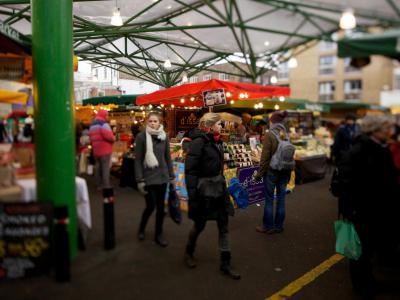
5) Borough Market (must see)
Borough Market is London’s oldest and most atmospheric food market, boasting a history that spans over 1,000 years. Its origins trace back to the 11th century - and possibly earlier - when farmers would bring fresh produce to London Bridge, then the only southern entrance into the city. By the 18th century, the market had become so chaotic that Parliament decided to shut it down in 1756, though local volunteers soon revived it nearby. The structures seen today, with ornate Victorian ironwork and soaring arcades, were developed largely in the 19th century.
Today, with a railway rumbling overhead, this historic market hums below as a vibrant maze of culinary treasures. Visitors can explore an impressive range of artisan stalls offering cheeses, fresh bread, meats, seafood, organic produce, spices, handmade sweets, and gourmet street food. While British classics like meat pies and sausages are readily available, the real appeal lies in the diversity - from Ethiopian stews and Indian curries to Spanish paella and Middle Eastern falafel.
Navigating the market is part of the fun. Begin your adventure through the central labyrinth of food stalls until you reach Stoney Street on the western edge. From there, stroll along Park Street - a film location favorite - where you’ll find a lively pub and the famous Neal’s Yard Dairy cheese shop. Across the way, the Ginger Pig draws crowds for its traditional English bacon and sausages. For a local favorite, stop by Maria’s Market Café, a classic haunt for longtime market workers. Around every corner, more delights await, including covered terraces with extra seating for diners.
Rain or shine, Borough Market delivers. The partial roof makes it an all-weather destination, and beyond eating and shopping, visitors can enjoy food tastings, seasonal festivals, cooking demos, and culinary workshops. The market thrives on community and celebration, drawing food lovers from around the world.
Conveniently located near landmarks like Southwark Cathedral, The Shard, and Shakespeare’s Globe Theatre, it’s a perfect stop during a day exploring London’s South Bank.
Tip:
Before committing to a meal, take your time wandering. Getting a bit lost is part of the charm - and often leads to the tastiest surprises.
Today, with a railway rumbling overhead, this historic market hums below as a vibrant maze of culinary treasures. Visitors can explore an impressive range of artisan stalls offering cheeses, fresh bread, meats, seafood, organic produce, spices, handmade sweets, and gourmet street food. While British classics like meat pies and sausages are readily available, the real appeal lies in the diversity - from Ethiopian stews and Indian curries to Spanish paella and Middle Eastern falafel.
Navigating the market is part of the fun. Begin your adventure through the central labyrinth of food stalls until you reach Stoney Street on the western edge. From there, stroll along Park Street - a film location favorite - where you’ll find a lively pub and the famous Neal’s Yard Dairy cheese shop. Across the way, the Ginger Pig draws crowds for its traditional English bacon and sausages. For a local favorite, stop by Maria’s Market Café, a classic haunt for longtime market workers. Around every corner, more delights await, including covered terraces with extra seating for diners.
Rain or shine, Borough Market delivers. The partial roof makes it an all-weather destination, and beyond eating and shopping, visitors can enjoy food tastings, seasonal festivals, cooking demos, and culinary workshops. The market thrives on community and celebration, drawing food lovers from around the world.
Conveniently located near landmarks like Southwark Cathedral, The Shard, and Shakespeare’s Globe Theatre, it’s a perfect stop during a day exploring London’s South Bank.
Tip:
Before committing to a meal, take your time wandering. Getting a bit lost is part of the charm - and often leads to the tastiest surprises.
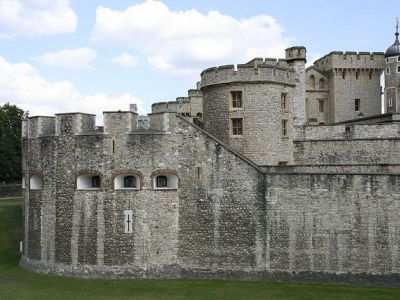
6) Tower of London (must see)
Nowhere in London does the past strut around quite so confidently as in the Tower of London-a moated, multi-towered, medieval mashup where history is practically haunting the place.
Originally built by the Normans over 900 years ago, the Tower has played just about every role imaginable: fortress, royal mint, palace, archive, and-you may like it the most-zoo. Yes, it once housed the Royal Menagerie, the wild precursor to the London Zoo. But make no mistake, the Tower is best known for its darker side-as a high-security VIP prison with a side hustle in executions. Nobles, queens, and even kings paced its echoing stone halls before meeting a less-than-ideal end. Some scratched their goodbyes into the walls. Others just lost their heads.
Now, if you were an important prisoner, you didn’t get dragged to Tower Hill with the commoners. Oh no-you got the deluxe package: a private execution on Tower Green. Only seven ever received this exclusive send-off, including Anne Boleyn and Catherine Howard, two royal wives who found out the hard way that Henry VIII was not great with long-term commitment.
At the heart of it all is the White Tower, the magnificent structure built in 1078 by William the Conqueror. Later, Henry III decided it looked better in white-hence the name. Today, it houses the Armouries, a jaw-dropping display of medieval bling, including weapons, suits of armor, and a reminder that fashion has always been a pain.
Nearby, the Traitors’ Gate offered less-than-warm welcomes to infamous prisoners as they arrived by boat. And then there’s the Bloody Tower, where the two "Princes in the Tower" disappeared under mysterious circumstances… conveniently clearing the way for their uncle to become Richard III. Coincidence? Mmm...
Also, don’t leave without gawking at the Crown Jewels-sparkly symbols of royal power that were rebooted after the English Civil War. The current set dates from 1661 and features more gems than a royal family group chat.
And if you want the full story, join a free Beefeater tour-they’re funny, sharp, and decked out in navy-and-red Tudor gear. Tours leave every half hour from the main gate and run for about 45-60 minutes.
Tip:
Buy tickets online to skip the queue. And do keep an eye out for the Tower’s resident ravens-legend has it that, if they ever fly off, the kingdom’s toast. No pressure, birds...
Originally built by the Normans over 900 years ago, the Tower has played just about every role imaginable: fortress, royal mint, palace, archive, and-you may like it the most-zoo. Yes, it once housed the Royal Menagerie, the wild precursor to the London Zoo. But make no mistake, the Tower is best known for its darker side-as a high-security VIP prison with a side hustle in executions. Nobles, queens, and even kings paced its echoing stone halls before meeting a less-than-ideal end. Some scratched their goodbyes into the walls. Others just lost their heads.
Now, if you were an important prisoner, you didn’t get dragged to Tower Hill with the commoners. Oh no-you got the deluxe package: a private execution on Tower Green. Only seven ever received this exclusive send-off, including Anne Boleyn and Catherine Howard, two royal wives who found out the hard way that Henry VIII was not great with long-term commitment.
At the heart of it all is the White Tower, the magnificent structure built in 1078 by William the Conqueror. Later, Henry III decided it looked better in white-hence the name. Today, it houses the Armouries, a jaw-dropping display of medieval bling, including weapons, suits of armor, and a reminder that fashion has always been a pain.
Nearby, the Traitors’ Gate offered less-than-warm welcomes to infamous prisoners as they arrived by boat. And then there’s the Bloody Tower, where the two "Princes in the Tower" disappeared under mysterious circumstances… conveniently clearing the way for their uncle to become Richard III. Coincidence? Mmm...
Also, don’t leave without gawking at the Crown Jewels-sparkly symbols of royal power that were rebooted after the English Civil War. The current set dates from 1661 and features more gems than a royal family group chat.
And if you want the full story, join a free Beefeater tour-they’re funny, sharp, and decked out in navy-and-red Tudor gear. Tours leave every half hour from the main gate and run for about 45-60 minutes.
Tip:
Buy tickets online to skip the queue. And do keep an eye out for the Tower’s resident ravens-legend has it that, if they ever fly off, the kingdom’s toast. No pressure, birds...
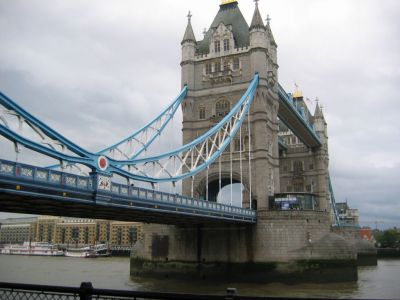
7) Tower Bridge (must see)
Tower Bridge-yes, that famous one with the twin towers and rising roadways-surprisingly didn’t swing into action until 1894. That’s right: it’s younger than your great-great-grandma’s fruitcake recipe, though you'd never guess it based on the number of fridge magnets it’s starred on. Indeed, in just over a century, it’s managed to become one of London’s most iconic symbols-practically the Victorian era in bridge form.
Now here’s a royal twist: Queen Victoria wasn’t exactly thrilled about it at first. She worried the bridge might compromise the security of the nearby Tower of London, which at that time doubled as an armory. Still, they painted it her favorite color-chocolate brown-and forged ahead, perhaps hoping that a well-dressed bridge would soothe Her Majesty’s nerves.
Under the hood (well, under the road), it was all quite steamy-literally. Sophisticated steam-powered engines lifted the bridge’s bascules to allow tall ships to pass through. In its very first year, the bridge went up over 6,000 times-talk about an overachiever! These days, it opens around 1,000 times a year, and somehow, they’ve managed to avoid any major mishaps. If you’re lucky, you might even catch one of those dramatic lifts in real time-free theater, London-style...
For an unforgettable experience, take in the sweeping views of the Thames, the sci-fi egg that is City Hall, the gleaming glass Shard, and the chaos of central London from the top of the bridge. Better yet, grab a ticket and ride the elevator to the elevated walkways. Up there, you’ll find a glass floor for peeking at the world below (great for photos, or mild panic), plus a museum showcasing the original steam engines-because nothing says Victorian romance like big brass machinery. Bonus points: Yes, there are restrooms at the top, so no need to “hold it” at altitude.
And in case you wonder, why you should go?-This masterpiece of Victorian engineering also sparkles at night, and-let’s face it-your trip to London wouldn't be complete without seeing it.
Now here’s a royal twist: Queen Victoria wasn’t exactly thrilled about it at first. She worried the bridge might compromise the security of the nearby Tower of London, which at that time doubled as an armory. Still, they painted it her favorite color-chocolate brown-and forged ahead, perhaps hoping that a well-dressed bridge would soothe Her Majesty’s nerves.
Under the hood (well, under the road), it was all quite steamy-literally. Sophisticated steam-powered engines lifted the bridge’s bascules to allow tall ships to pass through. In its very first year, the bridge went up over 6,000 times-talk about an overachiever! These days, it opens around 1,000 times a year, and somehow, they’ve managed to avoid any major mishaps. If you’re lucky, you might even catch one of those dramatic lifts in real time-free theater, London-style...
For an unforgettable experience, take in the sweeping views of the Thames, the sci-fi egg that is City Hall, the gleaming glass Shard, and the chaos of central London from the top of the bridge. Better yet, grab a ticket and ride the elevator to the elevated walkways. Up there, you’ll find a glass floor for peeking at the world below (great for photos, or mild panic), plus a museum showcasing the original steam engines-because nothing says Victorian romance like big brass machinery. Bonus points: Yes, there are restrooms at the top, so no need to “hold it” at altitude.
And in case you wonder, why you should go?-This masterpiece of Victorian engineering also sparkles at night, and-let’s face it-your trip to London wouldn't be complete without seeing it.
