Custom Walk in Tokyo, Japan by cgarcia552 created on 2026-03-31
Guide Location: Japan » Tokyo
Guide Type: Custom Walk
# of Sights: 10
Tour Duration: 4 Hour(s)
Travel Distance: 8 Km or 5 Miles
Share Key: KBH8H
Guide Type: Custom Walk
# of Sights: 10
Tour Duration: 4 Hour(s)
Travel Distance: 8 Km or 5 Miles
Share Key: KBH8H
How It Works
Please retrieve this walk in the GPSmyCity app. Once done, the app will guide you from one tour stop to the next as if you had a personal tour guide. If you created the walk on this website or come to the page via a link, please follow the instructions below to retrieve the walk in the app.
Retrieve This Walk in App
Step 1. Download the app "GPSmyCity: Walks in 1K+ Cities" on Apple App Store or Google Play Store.



Step 2. In the GPSmyCity app, download(or launch) the guide "Tokyo Map and Walking Tours".
Step 3. Tap the menu button located at upper right corner of the "Walks" screen and select "Retrieve custom walk". Enter the share key: KBH8H
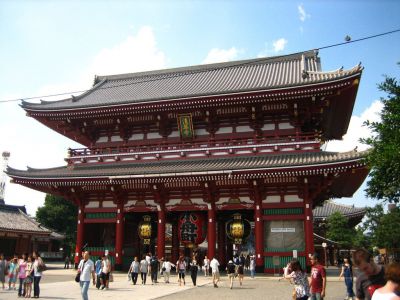
1) Hōzōmon Gate
Next stop on your Asakusa adventure is the Hōzōmon Gate-part grand entrance, part historical vault, and all-around scene-stealer at Senso-ji Temple.
Now, don’t let the elegant red facade fool you-this gate has seen things. Big things. Originally built way back in 942 by military man Taira no Kinmasa-who, legend has it, landed his dream job as Lord of Tokyo thanks to a few strategic prayers at Senso-ji-this gate was his giant “thank you” card. Unfortunately, it didn’t last forever. Fire took the original out in 1631. Luckily, Tokugawa Iemitsu, the 3rd Shogun, who said, “No worries, I got this,” had it rebuilt-only for World War II to throw another fiery tantrum.
But like any great action hero, the Hōzōmon returned stronger. Today’s version is steel-reinforced and fire-resistant, built to protect not just history-but literal treasures.
Speaking of which: inside the upper floor, check out a veritable Buddhist treasure chest. We’re talking a copy of the Lotus Sutra (national treasure, mind you!), and the Issai Kyo, the ultimate Buddhist script collection, officially labeled an Important Cultural Property. Yep, capital letters and everything...
But that’s not all. Standing guard are two towering 5.5-meter-tall Nio statues-basically Buddha’s bodyguards with permanent scowls and a serious gym routine. Look up, and you’ll see three huge (each weighing a ton of kilos!) lanterns, including a fire-engine red chochin lantern donated in 2003 to mark 400 years since the Edo period kicked off. Nice touch, right?
And if you’re wondering about the giant straw sandals hanging at the back? Those are the Waraji-massive, traditional footwear meant for the Nio guardians. Because even statues need to walk in style.
So there you have it-Hōzōmon: part gateway, part time capsule, all drama.
Now, don’t let the elegant red facade fool you-this gate has seen things. Big things. Originally built way back in 942 by military man Taira no Kinmasa-who, legend has it, landed his dream job as Lord of Tokyo thanks to a few strategic prayers at Senso-ji-this gate was his giant “thank you” card. Unfortunately, it didn’t last forever. Fire took the original out in 1631. Luckily, Tokugawa Iemitsu, the 3rd Shogun, who said, “No worries, I got this,” had it rebuilt-only for World War II to throw another fiery tantrum.
But like any great action hero, the Hōzōmon returned stronger. Today’s version is steel-reinforced and fire-resistant, built to protect not just history-but literal treasures.
Speaking of which: inside the upper floor, check out a veritable Buddhist treasure chest. We’re talking a copy of the Lotus Sutra (national treasure, mind you!), and the Issai Kyo, the ultimate Buddhist script collection, officially labeled an Important Cultural Property. Yep, capital letters and everything...
But that’s not all. Standing guard are two towering 5.5-meter-tall Nio statues-basically Buddha’s bodyguards with permanent scowls and a serious gym routine. Look up, and you’ll see three huge (each weighing a ton of kilos!) lanterns, including a fire-engine red chochin lantern donated in 2003 to mark 400 years since the Edo period kicked off. Nice touch, right?
And if you’re wondering about the giant straw sandals hanging at the back? Those are the Waraji-massive, traditional footwear meant for the Nio guardians. Because even statues need to walk in style.
So there you have it-Hōzōmon: part gateway, part time capsule, all drama.
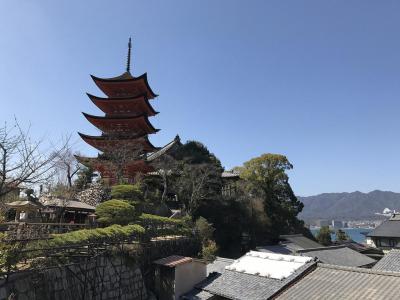
2) Gojunoto
Now, if you’re wandering through Asakusa and spot a tall, tiered beauty looking like it’s reaching for the heavens-congrats, you’ve found the Gojunoto, a.k.a. the Five-storied Pagoda at Senso-ji Temple. It’s not just another pretty face in the skyline; it’s the second-tallest pagoda in all of Japan. (First place goes to Kyoto’s Toji Temple-but hey, silver's still a win.)
The Gojunoto’s history reads like a dramatic epic. The original pagoda dates back to 942, courtesy of military commander Taira no Kinmasa-because nothing says “don’t mess with me” more explicitly than building a towering spiritual monument. That one went up in flames, sadly, and in 1650, Tokugawa Iemitsu decided it was time for a sequel. Then came another fire in 1816, a rebuild in 1818, and by 1911, it was so legendary, Japan gave it national treasure status. Cue the sad trombone in 1945, when World War II damage struck again. But like any great icon, the Gojunoto rose once more-rebuilt in 1973 with a modern twist.
Today’s version is a fire-resistant, earthquake-savvy structure made of reinforced concrete and steel, standing tall at 53 meters. But don’t worry-it’s still got that traditional soul. At the heart is a Japanese cypress wood pillar, the secret ingredient of nearly all Japanese pagodas. The floors are loosely stacked around the core in a style known as "new Toinzukuri"-fancy talk for "this thing can shake and shimmy but won’t fall down."
Oh, and it’s not just for show. The Gojunoto also houses a lecture hall and holds a sacred tablet of the Buddha. The top floor is where the relics of the Buddha are stored, giving this architectural marvel a seriously holy vibe.
So whether you're here for the history, the engineering, or just to snap a selfie with one of Tokyo’s coolest cultural icons, the Gojunoto delivers five levels of awesomeness. Literally.
The Gojunoto’s history reads like a dramatic epic. The original pagoda dates back to 942, courtesy of military commander Taira no Kinmasa-because nothing says “don’t mess with me” more explicitly than building a towering spiritual monument. That one went up in flames, sadly, and in 1650, Tokugawa Iemitsu decided it was time for a sequel. Then came another fire in 1816, a rebuild in 1818, and by 1911, it was so legendary, Japan gave it national treasure status. Cue the sad trombone in 1945, when World War II damage struck again. But like any great icon, the Gojunoto rose once more-rebuilt in 1973 with a modern twist.
Today’s version is a fire-resistant, earthquake-savvy structure made of reinforced concrete and steel, standing tall at 53 meters. But don’t worry-it’s still got that traditional soul. At the heart is a Japanese cypress wood pillar, the secret ingredient of nearly all Japanese pagodas. The floors are loosely stacked around the core in a style known as "new Toinzukuri"-fancy talk for "this thing can shake and shimmy but won’t fall down."
Oh, and it’s not just for show. The Gojunoto also houses a lecture hall and holds a sacred tablet of the Buddha. The top floor is where the relics of the Buddha are stored, giving this architectural marvel a seriously holy vibe.
So whether you're here for the history, the engineering, or just to snap a selfie with one of Tokyo’s coolest cultural icons, the Gojunoto delivers five levels of awesomeness. Literally.
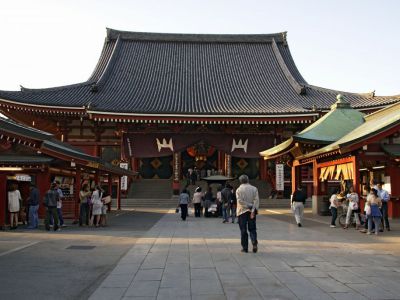
3) Senso-ji Temple (must see)
If Tokyo were a movie, Senso-ji Temple would be one of the stars-and not the flashy, one-hit-wonder type. We’re talking legendary status. Oldest temple in the city, most visited by tourists, and absolutely dripping in myth, history, and incense.
Legend has it that way back in the 7th century, two brothers were out fishing in the Sumida River when-plot twist-they pulled up a golden statue of Kannon, the Goddess of Mercy. They tried tossing her back, but she kept popping up like a divine boomerang. A local village headman got wind of this, had a spiritual epiphany, and next thing you know-bam!-temple time. That was 645 AD. Which means this place has been around longer than Tokyo itself.
Fast forward to the Edo period, and the powerful Tokugawa Shoguns swooped in with some serious upgrades and spiritual endorsements. World War II took its toll, but like any good epic, Senso-ji rose again-rebuilt by believers and still standing strong.
And yes, that original golden statue is still here. But no peeking-it's forever hidden from public view, like the temple’s best-kept secret.
Each year, over 30 million people make the pilgrimage here, not just for the views but for the vibes. Festivals are a big deal-especially Sanja Matsuri in May, when the energy is off the charts, and the Asakusa Samba Carnival in August, when Tokyo briefly turns into Rio.
Otherwise, Tokyo guests visit here for the soul of the city wrapped in centuries of history, spiritual charm, and photo ops galore.
Tip:
Wander the side streets for secret snacks and fewer crowds. And if you’re up for a little magic, come back at sundown-when the crowds fade, the lanterns glow, and the temple shows off its most photogenic side.
Legend has it that way back in the 7th century, two brothers were out fishing in the Sumida River when-plot twist-they pulled up a golden statue of Kannon, the Goddess of Mercy. They tried tossing her back, but she kept popping up like a divine boomerang. A local village headman got wind of this, had a spiritual epiphany, and next thing you know-bam!-temple time. That was 645 AD. Which means this place has been around longer than Tokyo itself.
Fast forward to the Edo period, and the powerful Tokugawa Shoguns swooped in with some serious upgrades and spiritual endorsements. World War II took its toll, but like any good epic, Senso-ji rose again-rebuilt by believers and still standing strong.
And yes, that original golden statue is still here. But no peeking-it's forever hidden from public view, like the temple’s best-kept secret.
Each year, over 30 million people make the pilgrimage here, not just for the views but for the vibes. Festivals are a big deal-especially Sanja Matsuri in May, when the energy is off the charts, and the Asakusa Samba Carnival in August, when Tokyo briefly turns into Rio.
Otherwise, Tokyo guests visit here for the soul of the city wrapped in centuries of history, spiritual charm, and photo ops galore.
Tip:
Wander the side streets for secret snacks and fewer crowds. And if you’re up for a little magic, come back at sundown-when the crowds fade, the lanterns glow, and the temple shows off its most photogenic side.
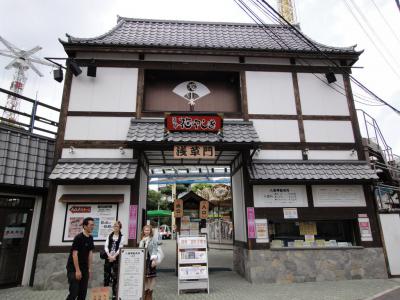
4) Hanayashiki
Just a short skip from the legendary Senso-ji Temple, in the retro-cool streets of Asakusa, you will find Hanayashiki Park-Japan’s oldest amusement park and a charming blend of nostalgia and quirky fun. We’re talking since-1853 kind of old. That’s right-Hanayashiki was dazzling folks back when topknots were still trending.
Originally a serene garden full of peonies and chrysanthemums, Hanayashiki slowly turned up the volume over the years. By the 1870s, it was dabbling in Western films, play gear, and even a zoo with animals so exotic, the place made national headlines. Fun fact: In 1923, five tiger cubs were born here. At once. And in 1931, Japan said hello to its first lion here.
As the country zoomed into the modern age, the flowers took a backseat, and the fun took the wheel. Post-WWII, the managing Togo Company gave the park a glow-up, adding rides, charm, and enough nostalgia to fill a time capsule.
Now, don’t let the compact size fool you-Hanayashiki packs a punch with 20+ quirky attractions. The main headliner is Japan’s oldest steel roller coaster, still click-clacking since 1953. Then there’s the haunted house that’s more delightfully weird than bone-chilling, those too-cute panda cars (for kids and adults who refuse to grow up), and good ol’ carnival classics like ring toss and shooting galleries.
Feeling snacky? Follow the scent of yakisoba, cotton candy, and soft-serve ice cream to a lineup of stalls that serve nostalgia on a stick. And when your feet need a break, head to the rooftop for chill views of Asakusa and the Tokyo Skytree. Perfect for selfies. Or existential skyline-gazing. Your call.
Who’s it for? Everyone. Families, date-night couples, curious solo wanderers-it’s a full-blown vibe. It’s not glitzy. It’s not massive. But it oozes charm, with a hint of Showa-era magic and just the right dose of kitsch.
So no, Hanayashiki isn’t trying to be Disneyland. It’s better-it’s Tokyo’s Old-Gold amusement spot, where the roller coasters are classic, the fun is heartfelt, and the smiles come with a side of sweet, old-school whimsy.
Originally a serene garden full of peonies and chrysanthemums, Hanayashiki slowly turned up the volume over the years. By the 1870s, it was dabbling in Western films, play gear, and even a zoo with animals so exotic, the place made national headlines. Fun fact: In 1923, five tiger cubs were born here. At once. And in 1931, Japan said hello to its first lion here.
As the country zoomed into the modern age, the flowers took a backseat, and the fun took the wheel. Post-WWII, the managing Togo Company gave the park a glow-up, adding rides, charm, and enough nostalgia to fill a time capsule.
Now, don’t let the compact size fool you-Hanayashiki packs a punch with 20+ quirky attractions. The main headliner is Japan’s oldest steel roller coaster, still click-clacking since 1953. Then there’s the haunted house that’s more delightfully weird than bone-chilling, those too-cute panda cars (for kids and adults who refuse to grow up), and good ol’ carnival classics like ring toss and shooting galleries.
Feeling snacky? Follow the scent of yakisoba, cotton candy, and soft-serve ice cream to a lineup of stalls that serve nostalgia on a stick. And when your feet need a break, head to the rooftop for chill views of Asakusa and the Tokyo Skytree. Perfect for selfies. Or existential skyline-gazing. Your call.
Who’s it for? Everyone. Families, date-night couples, curious solo wanderers-it’s a full-blown vibe. It’s not glitzy. It’s not massive. But it oozes charm, with a hint of Showa-era magic and just the right dose of kitsch.
So no, Hanayashiki isn’t trying to be Disneyland. It’s better-it’s Tokyo’s Old-Gold amusement spot, where the roller coasters are classic, the fun is heartfelt, and the smiles come with a side of sweet, old-school whimsy.
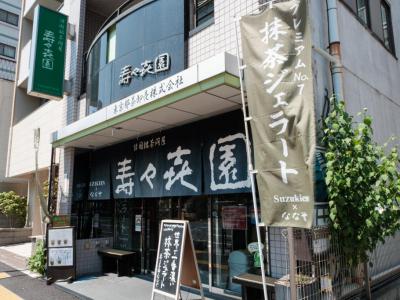
5) Suzukien Teashop (Matcha Ice Cream)
Welcome to the Suzukien Teashop-a little slice of green tea heaven tucked away in the Asakusa district-where your matcha dreams (and possibly your sinuses) come true. You’ll find this gem on Kototoi-dori Avenue, just a breezy five-minute stroll from Senso-ji Temple.
Now, this isn’t yet another average teahouse. Suzukien is where centuries-old tea traditions meet gelato. Yes, you heard that right. Tea and ice cream, living in perfect, delicious harmony.
Step inside, and you’ll find teas from all corners of Japan. Feeling mellow? Try the sweet and smooth Kinryu from Shizuoka. Need a little pick-me-up and some allergy relief? The minty Benifuki is rumored to help with seasonal sniffles. (Tea or miracle potion? You decide.)
But let’s talk gelato-because that’s where things get serious. Suzukien proudly serves what they claim is the world’s strongest matcha gelato. Grown in the misty mountains of Fujieda City, this emerald powerhouse comes in seven-yes, seven-levels of matcha intensity. From a gentle breeze to a full-on green tea thunderstorm. Not in the mood for a matcha marathon? No worries, they’ve got strawberry, black sesame, and adzuki bean waiting in the wings.
And for the souvenir hunters, Suzukien has your back. Take home beautifully packaged teas-bagged, loose leaf, or finely ground-perfect for gifting or just hoarding for yourself (nobody's judging). So go on, take a tea break. Or a gelato break. Or both. Suzukien is ready when you are.
Now, this isn’t yet another average teahouse. Suzukien is where centuries-old tea traditions meet gelato. Yes, you heard that right. Tea and ice cream, living in perfect, delicious harmony.
Step inside, and you’ll find teas from all corners of Japan. Feeling mellow? Try the sweet and smooth Kinryu from Shizuoka. Need a little pick-me-up and some allergy relief? The minty Benifuki is rumored to help with seasonal sniffles. (Tea or miracle potion? You decide.)
But let’s talk gelato-because that’s where things get serious. Suzukien proudly serves what they claim is the world’s strongest matcha gelato. Grown in the misty mountains of Fujieda City, this emerald powerhouse comes in seven-yes, seven-levels of matcha intensity. From a gentle breeze to a full-on green tea thunderstorm. Not in the mood for a matcha marathon? No worries, they’ve got strawberry, black sesame, and adzuki bean waiting in the wings.
And for the souvenir hunters, Suzukien has your back. Take home beautifully packaged teas-bagged, loose leaf, or finely ground-perfect for gifting or just hoarding for yourself (nobody's judging). So go on, take a tea break. Or a gelato break. Or both. Suzukien is ready when you are.
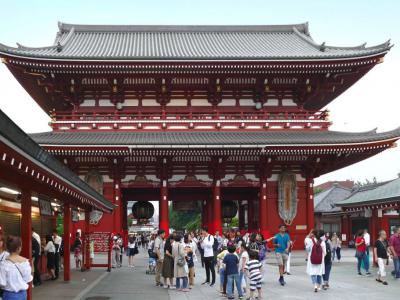
6) Asakusa Shrine
Found just east of the grand Senso-ji Temple is a quieter but no less legendary spot: the Asakusa Shrine-Tokyo’s own time capsule of Shinto serenity.
Now, this isn’t just another pretty shrine. Built in 1649 by Tokugawa Iemitsu-yes, the shogun himself-it honors three unlikely heroes: two fishermen, Hinokuma Hamanari and Hinokuma Takenari, and a village headman, Hajino Nakatomo. What did they do, you ask? Oh, nothing major-just fished the Bodhisattva Kannon out of the river and accidentally kickstarted Tokyo’s oldest temple, no big deal.
If you're impressed, so was Iemitsu, the shogun. So much so that he had this shrine built to immortalize them-literally. All three became monks and were later enshrined here as deities. Talk about a career pivot...
The shrine sits just off a small street beside Senso-ji, behind a stone gateway that basically whispers, “You’re about to enter sacred ground.” And here’s the plot twist: while much of Tokyo was flattened during World War II, Asakusa Shrine stood strong, surviving the bombing raids like a champ. In 1951, it was officially recognized as an Important Cultural Property. Fancy title, rightfully earned.
Architecturally, it rocks the Gonden-zukuri style-classic, compact, and elegant. Guarding the entrance are two stone creatures called Komainu-half-lion, half-dog, full-time evil repellents.
And if you’re in town during May, don’t miss the Sanja Matsuri. This isn’t your average neighborhood block party-it’s one of Tokyo’s top three festivals, complete with portable shrines, lively crowds, and all the energy of a city that knows how to celebrate history.
One last tip for the camera crew: You can snap pics of the shrine’s front, but no selfies inside, please. For a moodier, magical photo op, swing by after sunset-the shrine lights up like a dream.
So, next time you’re temple-trekking through Asakusa, don’t just breeze past. Asakusa Shrine is where legends rest, lions watch, and Tokyo’s soul quietly glows.
Now, this isn’t just another pretty shrine. Built in 1649 by Tokugawa Iemitsu-yes, the shogun himself-it honors three unlikely heroes: two fishermen, Hinokuma Hamanari and Hinokuma Takenari, and a village headman, Hajino Nakatomo. What did they do, you ask? Oh, nothing major-just fished the Bodhisattva Kannon out of the river and accidentally kickstarted Tokyo’s oldest temple, no big deal.
If you're impressed, so was Iemitsu, the shogun. So much so that he had this shrine built to immortalize them-literally. All three became monks and were later enshrined here as deities. Talk about a career pivot...
The shrine sits just off a small street beside Senso-ji, behind a stone gateway that basically whispers, “You’re about to enter sacred ground.” And here’s the plot twist: while much of Tokyo was flattened during World War II, Asakusa Shrine stood strong, surviving the bombing raids like a champ. In 1951, it was officially recognized as an Important Cultural Property. Fancy title, rightfully earned.
Architecturally, it rocks the Gonden-zukuri style-classic, compact, and elegant. Guarding the entrance are two stone creatures called Komainu-half-lion, half-dog, full-time evil repellents.
And if you’re in town during May, don’t miss the Sanja Matsuri. This isn’t your average neighborhood block party-it’s one of Tokyo’s top three festivals, complete with portable shrines, lively crowds, and all the energy of a city that knows how to celebrate history.
One last tip for the camera crew: You can snap pics of the shrine’s front, but no selfies inside, please. For a moodier, magical photo op, swing by after sunset-the shrine lights up like a dream.
So, next time you’re temple-trekking through Asakusa, don’t just breeze past. Asakusa Shrine is where legends rest, lions watch, and Tokyo’s soul quietly glows.
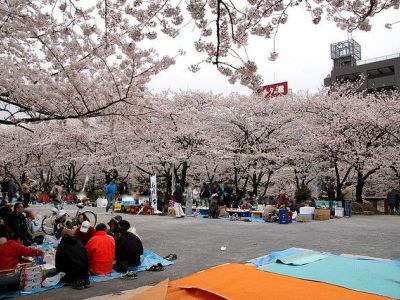
7) Sumida Park
Sumida Park, nestled in Tokyo's Asakusa district, is a spacious, verdant haven boasting picturesque landscapes, riverside walkways, and diverse communal amenities. It serves as an ideal spot for relaxation, picnics, and respite from the urban hustle, offering a breath of fresh air.
Established during Tokyo's reconstruction post the 1923 Great Kanto Earthquake, Sumida Park transitioned from private ownership to a public space in 1931, marking Japan's inaugural public riverside park. Uniquely straddling the Sumida River, it spans Taito ward in the west and Sumida ward in the east, interconnected by Kototoi and Sakurabashi Bridges.
The park is renowned for its approximately 700 cherry trees lining both riverbanks, drawing crowds for cherry blossom viewing in late March to early April. Additionally, plum blossoms and hydrangeas provide seasonal charm. On its west side, the park features various facilities including a Tully’s café near the south entrance, an extensive children's play area with swings, slides, and climbing structures, and a sports complex with tennis courts and a sizeable outdoor pool.
Sumida Park's calendar highlights include the Spring Cherry Blossom Festival and the Sumida River Fireworks Festival, celebrated on the last Saturday of July.
Established during Tokyo's reconstruction post the 1923 Great Kanto Earthquake, Sumida Park transitioned from private ownership to a public space in 1931, marking Japan's inaugural public riverside park. Uniquely straddling the Sumida River, it spans Taito ward in the west and Sumida ward in the east, interconnected by Kototoi and Sakurabashi Bridges.
The park is renowned for its approximately 700 cherry trees lining both riverbanks, drawing crowds for cherry blossom viewing in late March to early April. Additionally, plum blossoms and hydrangeas provide seasonal charm. On its west side, the park features various facilities including a Tully’s café near the south entrance, an extensive children's play area with swings, slides, and climbing structures, and a sports complex with tennis courts and a sizeable outdoor pool.
Sumida Park's calendar highlights include the Spring Cherry Blossom Festival and the Sumida River Fireworks Festival, celebrated on the last Saturday of July.
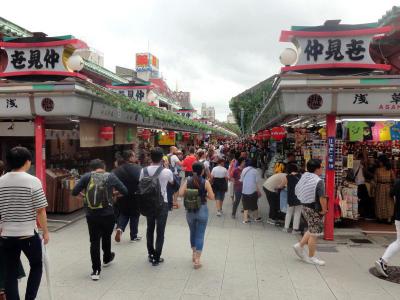
8) Nakamise Shopping Street
Step right up and take a stroll down Nakamise-dori-the grand catwalk of Asakusa’s shopping scene, where history, snacks, and souvenirs collide in the most delightful way. This lively 250-meter stretch connects the famous Kaminarimon Gate to the even more famous Senso-ji Temple, and it's been charming both locals and wide-eyed visitors since 1685. Yeah, this place has been slinging snacks and trinkets longer than most countries have been around.
Back in the day, temple affiliates were given the green light to set up shop-as long as they kept the place tidy. Think of it as early Tokyo’s homeowners association-meeting-Etsy setup. By 1885, the government decided to zhuzh things up with brick and vermilion-lacquered storefronts. Unfortunately, those didn’t survive the Great Kanto Earthquake of 1923 or World War II, but like a true Tokyo icon, Nakamise-dori rose again-stronger, snackier, and more souvenir-packed than ever.
These days, nearly 90 shops line the path, each one tempting you with something uniquely Japanese. There, you’ve got adorable little baked sweets shaped like dolls, handmade rice crackers that crackle louder than your knees, and all sorts of masks, crafts, and casual kimonos for that “just dropped into a festival” look. Even pro performers swing by to pick up their dance and theater gear-because yes, kabuki actors, like anybody else, need retail therapy.
You may want to visit here hunting for that perfect keepsake, craving some street food, or just seeking to bask in the festive vibes this street delivers. So walk, snack, shop, and repeat. Nakamise-dori isn’t just a street-it’s a whole experience with a side of history and a dusting of powdered sugar.
Tip:
Bring cash, as most of these charming shops are gloriously old-school-which means your credit card is about as useful here as a chocolate teapot.
Back in the day, temple affiliates were given the green light to set up shop-as long as they kept the place tidy. Think of it as early Tokyo’s homeowners association-meeting-Etsy setup. By 1885, the government decided to zhuzh things up with brick and vermilion-lacquered storefronts. Unfortunately, those didn’t survive the Great Kanto Earthquake of 1923 or World War II, but like a true Tokyo icon, Nakamise-dori rose again-stronger, snackier, and more souvenir-packed than ever.
These days, nearly 90 shops line the path, each one tempting you with something uniquely Japanese. There, you’ve got adorable little baked sweets shaped like dolls, handmade rice crackers that crackle louder than your knees, and all sorts of masks, crafts, and casual kimonos for that “just dropped into a festival” look. Even pro performers swing by to pick up their dance and theater gear-because yes, kabuki actors, like anybody else, need retail therapy.
You may want to visit here hunting for that perfect keepsake, craving some street food, or just seeking to bask in the festive vibes this street delivers. So walk, snack, shop, and repeat. Nakamise-dori isn’t just a street-it’s a whole experience with a side of history and a dusting of powdered sugar.
Tip:
Bring cash, as most of these charming shops are gloriously old-school-which means your credit card is about as useful here as a chocolate teapot.
9) Kaminarimon Gate (Thunder Gate)
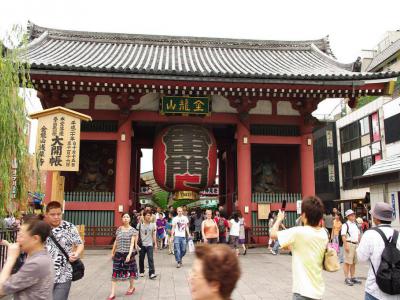
Behold the Kaminarimon-the dramatic, lantern-swinging, statue-guarded welcome mat to Tokyo’s Senso-ji Temple. Literally translating to “Thunder Gate”, this full-blown entrance experience is bold, iconic, and packing centuries of history under its massive red lantern.
This legendary landmark was first built way back in 942-yes, nine-freakin’-forty-two-by a samurai named Taira no Kinmasa. It had moved around a bit since then (because gates also have their dreams) before landing in its current spot in 1635. Sadly, it went up in smoke a few years later-in 1639-but was fortunately resurrected! The shogun Tokugawa Iemitsu made sure it came back better than ever. Furthermore, in 1960, it had another facelift-a sleek renovation that gave us the Kaminarimon we see today.
Standing a proud 11+ meters tall and just as many meters wide, it’s flanked by four divine bouncers. Up front: Fujin, the God of Wind, and Raijin, the God of Thunder-because “welcome” sounds more convincing if reinforced by a stare down from such a weather duo. On the flip side, you’ve got Tenryu and Kinryu, Buddhist protectors offering peace, health, and a sprinkle of good fortune.
Center stage is a giant, red paper lantern called a Chochin, so big it could probably have its own postal code. Donated by none other than the founder of Panasonic, it bears the name “Kaminarimon” on the front, while the gate’s official title, “Furaijinmon,” is inscribed on the back. Oh, and don’t miss the wooden dragon at the base. Fancy stuff.
Ultimately, this gate is an absolute must-snap photo op, especially if you're hunting for that "I went to Tokyo" kind of shot. Plus, the area around it is a treasure trove of tasty street eats and local charm.
Tip:
Catch it at night when the lantern glows gloriously, the crowd dips, and the Thunder Gate turns into a calm, magical beacon in the heart of Asakusa.
This legendary landmark was first built way back in 942-yes, nine-freakin’-forty-two-by a samurai named Taira no Kinmasa. It had moved around a bit since then (because gates also have their dreams) before landing in its current spot in 1635. Sadly, it went up in smoke a few years later-in 1639-but was fortunately resurrected! The shogun Tokugawa Iemitsu made sure it came back better than ever. Furthermore, in 1960, it had another facelift-a sleek renovation that gave us the Kaminarimon we see today.
Standing a proud 11+ meters tall and just as many meters wide, it’s flanked by four divine bouncers. Up front: Fujin, the God of Wind, and Raijin, the God of Thunder-because “welcome” sounds more convincing if reinforced by a stare down from such a weather duo. On the flip side, you’ve got Tenryu and Kinryu, Buddhist protectors offering peace, health, and a sprinkle of good fortune.
Center stage is a giant, red paper lantern called a Chochin, so big it could probably have its own postal code. Donated by none other than the founder of Panasonic, it bears the name “Kaminarimon” on the front, while the gate’s official title, “Furaijinmon,” is inscribed on the back. Oh, and don’t miss the wooden dragon at the base. Fancy stuff.
Ultimately, this gate is an absolute must-snap photo op, especially if you're hunting for that "I went to Tokyo" kind of shot. Plus, the area around it is a treasure trove of tasty street eats and local charm.
Tip:
Catch it at night when the lantern glows gloriously, the crowd dips, and the Thunder Gate turns into a calm, magical beacon in the heart of Asakusa.
10) Ninomaru Garden
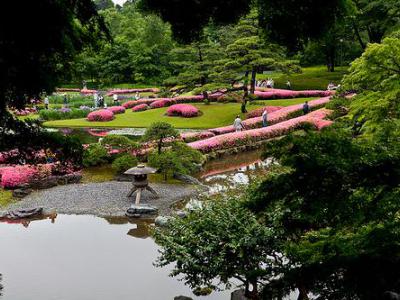
Ninomaru Garden is probably Tokyo’s best-kept secret hiding in plain sight-right inside the East Gardens of the Imperial Palace. It’s free to enter (unless it's Monday, Friday, or New Year's, when even gardens deserve a day off), and it's the perfect escape hatch from the city’s non-stop hustle.
Now, a bit of backstory: This slice of serenity dates all the way back to 1632, courtesy of Kobori Enshū: legendary landscape designer, tea master, and certified aesthetic overachiever. Back then, this area wasn’t just a casual stroll spot-it was part of Edo Castle’s second line of defense. The original garden was lost to fire in the 1800s, but like all good things in Japan, it got a thoughtful reboot in 1968-thanks to an 18th-century design by former shogun Tokugawa Ieshige.
Today, Ninomaru Garden is a refined and tranquil space known for its classical Japanese aesthetics. Stone paths glide past mirror-still ponds, koi fish with attitude, and seasonal flowers that really understand color theory. Spring gives you cherry and plum blossoms. Summer-all lush greens. Autumn-foliage fireworks. And winter-minimalist moodiness in branch form.
Look out for Suwa-no-Chaya, a teahouse built in 1912 and relocated here later. Although no tea is served here anymore, it still carries “traditional vibes.” And those feeling slightly heroic can climb up the Tenshudai-the stone base of Edo Castle’s former main keep-for sweeping views and minor cardio.
Oh, and tree nerds can rejoice too, for there’s a miniature forest here representing all 47 prefectures of Japan. That’s right-260 trees, 30 species, one very ambitious arboretum. Toss in iris fields, sunflowers, azaleas… It’s like walking through a live-action botanical scroll.
Best of all, unlike the city's famous parks, this one's not packed. It’s a breath of calm, a history-tinged retreat, and a love letter to traditional Japanese beauty-all without the selfie stick stampede. So go ahead, wander slowly, snap a few quiet photos, or just stand still and pretend you’ve achieved inner peace. Ninomaru Garden will keep your secret...
Now, a bit of backstory: This slice of serenity dates all the way back to 1632, courtesy of Kobori Enshū: legendary landscape designer, tea master, and certified aesthetic overachiever. Back then, this area wasn’t just a casual stroll spot-it was part of Edo Castle’s second line of defense. The original garden was lost to fire in the 1800s, but like all good things in Japan, it got a thoughtful reboot in 1968-thanks to an 18th-century design by former shogun Tokugawa Ieshige.
Today, Ninomaru Garden is a refined and tranquil space known for its classical Japanese aesthetics. Stone paths glide past mirror-still ponds, koi fish with attitude, and seasonal flowers that really understand color theory. Spring gives you cherry and plum blossoms. Summer-all lush greens. Autumn-foliage fireworks. And winter-minimalist moodiness in branch form.
Look out for Suwa-no-Chaya, a teahouse built in 1912 and relocated here later. Although no tea is served here anymore, it still carries “traditional vibes.” And those feeling slightly heroic can climb up the Tenshudai-the stone base of Edo Castle’s former main keep-for sweeping views and minor cardio.
Oh, and tree nerds can rejoice too, for there’s a miniature forest here representing all 47 prefectures of Japan. That’s right-260 trees, 30 species, one very ambitious arboretum. Toss in iris fields, sunflowers, azaleas… It’s like walking through a live-action botanical scroll.
Best of all, unlike the city's famous parks, this one's not packed. It’s a breath of calm, a history-tinged retreat, and a love letter to traditional Japanese beauty-all without the selfie stick stampede. So go ahead, wander slowly, snap a few quiet photos, or just stand still and pretend you’ve achieved inner peace. Ninomaru Garden will keep your secret...
